




Traditional Portraiture Canvas Painting
Traditional portraiture canvas painting brings historical character into a room through oil paint on stretched fabric.
Traditional Portraiture Canvas Painting
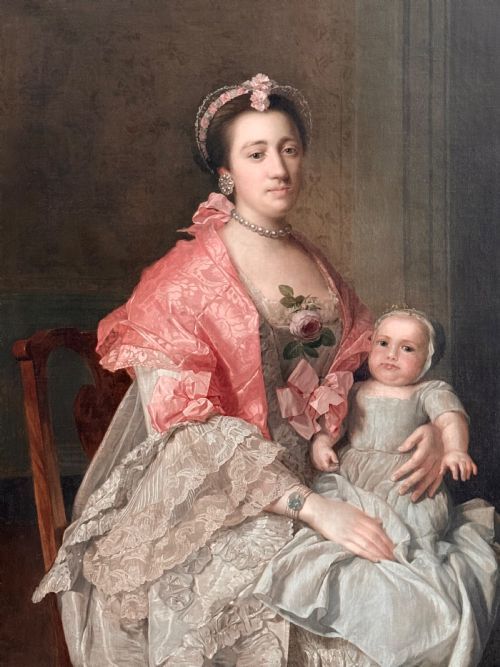
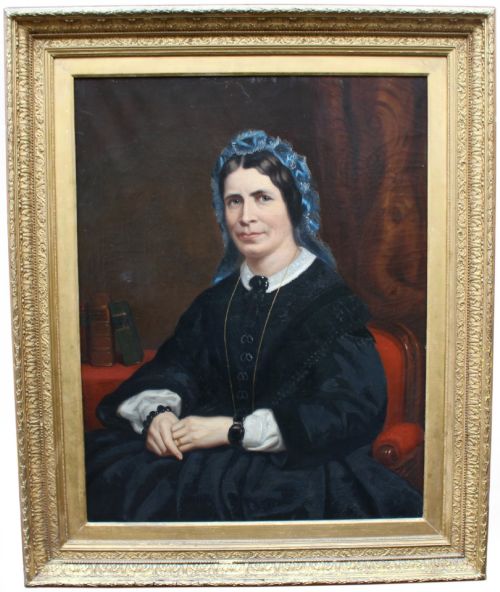
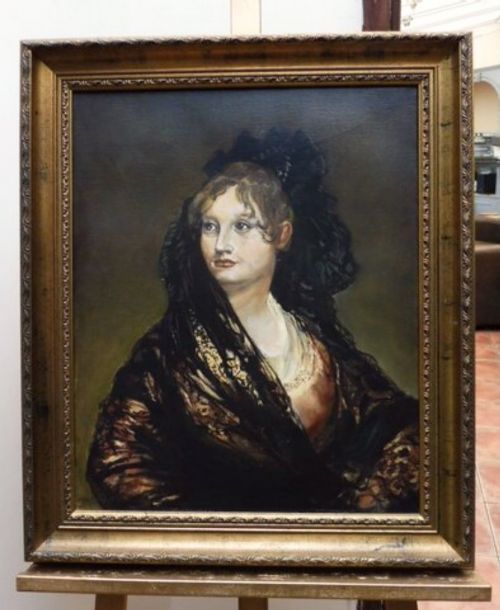
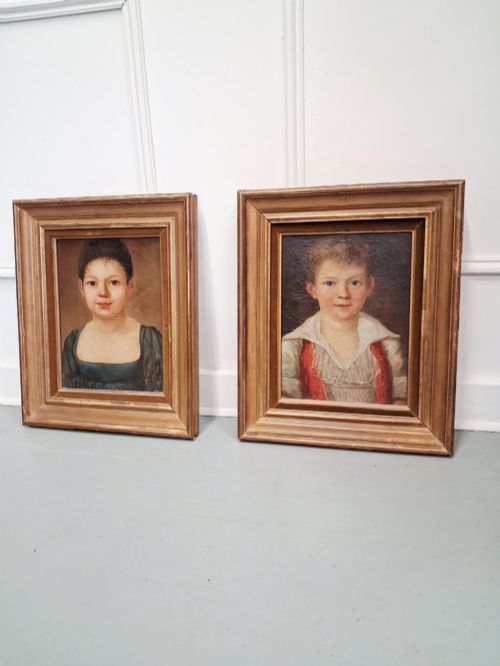
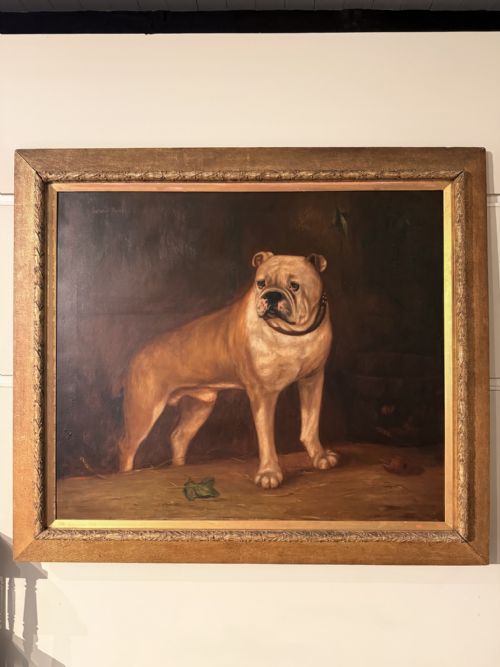
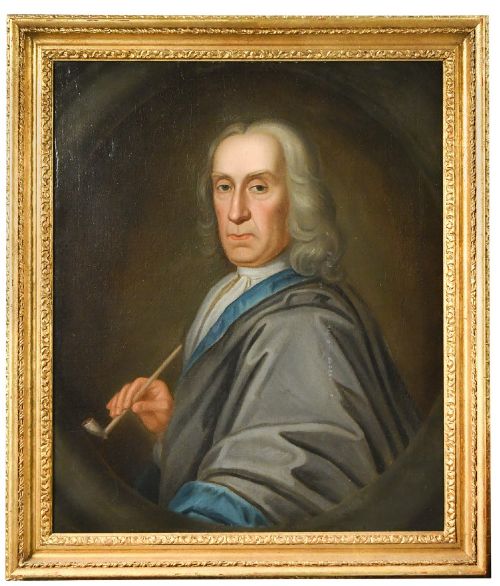
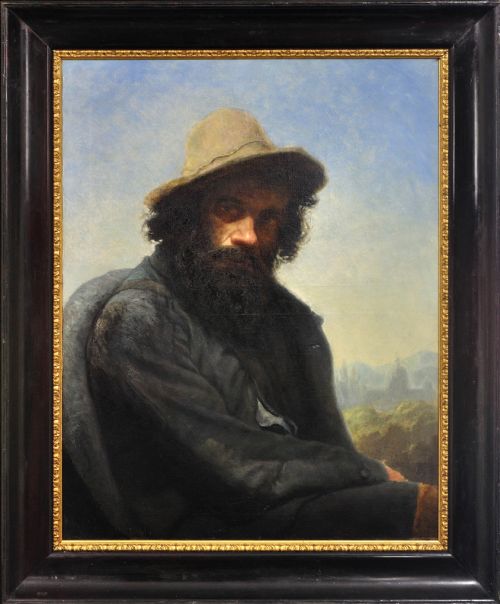
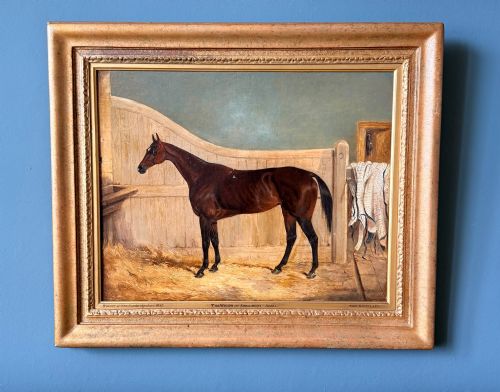
Traditional portraiture canvas painting spans multiple centuries, with the nineteenth century heavily represented alongside eighteenth-century works. These pieces depict individuals, children, military officers, and domestic animals rendered in oil paint.
The subjects range from formally dressed gentlemen and ladies in court dress to sporting horses and show dogs. Many works connect to specific schools or known artists from British and European traditions.
Materials and Technique
These works rely on oil paint applied to stretched canvas, often supported by wooden stretcher frames. Selected pieces incorporate elaborate giltwood or gesso frames that complement the period aesthetic.
Traditional Portraiture Canvas Painting Retail Price Guide 2026
Typical asking prices for traditional portraiture canvas painting among the pieces listed under this phrase on Sellingantiques today, from the lower quarter to the upper quarter. They describe what is for sale here now, not the wider market.
Listings feature works spanning the seventeenth through to the twentieth century, utilising oil on canvas, wood, and gesso.
Assessing Quality and Execution
The skill of the brushwork and the psychological depth of the subject define the standard of a portrait. Superior examples capture lifelike expression and anatomical precision in the hands and face.
Framing also influences the piece, as period gilt wood frames add contextual authenticity compared to later replacements. The handling of textiles, lace, and background details reveals the painter's training and competence.
Albin Mattenheimer·Thomas Walker Bretland·John Hamilton Mortimer·Edward Lloyd of Ellesmere·John Robert Dicksee·Frank Moss Bennett·Sir Thomas Lawrence·William Oliver·Valentine Thomas Garland·Franz Xaver Winterhalter·John Emms·Henry Scott·Thomas Beach·Rudolph Lehmann·John Partridge·John Dalziel Kenworthy
The Traditional Portraiture Canvas Painting Glossary
- Oil on Canvas
- A painting medium where pigments are suspended in drying oils and applied to a woven fabric support. This combination allows for rich colour blending and durability.
- Giltwood
- Wood carved and covered with a thin layer of gold leaf or gilt. It frequently appears on period frames surrounding these artworks.
- Gesso
- A paint mixture consisting of a neutral binder mixed with chalk, gypsum, or pigment. It serves as a prepared surface layer on wooden frames before gilding.
- English School
- A classification for artworks produced by artists working in England or following British artistic traditions. It helps categorise pieces lacking a specific named master.
Traditional Portraiture Canvas Painting: Frequently Asked Questions
How should I clean a canvas painting?
Dust the surface gently with a soft, dry brush to remove loose particles. Avoid using water, household cleaners, or moisture on the painted canvas.
Professional conservators should handle deeper cleaning or varnish removal. Improper cleaning risks permanent damage to the oil pigments.
What periods do these portraits cover?
The selection includes works from the seventeenth, eighteenth, nineteenth, and twentieth centuries. Each era reflects distinct clothing styles, painting techniques, and societal roles.
Nineteenth-century examples dominate the selection, encompassing Victorian realism and romanticism. Earlier pieces often display Georgian or Regency attire and formal postures.
Are these paintings supplied with frames?
Many portraits retain their original or period-appropriate giltwood and gesso frames. These frames contribute significantly to the overall presentation and historical context.
Some items are noted as unframed canvas. Buyers should check individual descriptions regarding framing details before purchase.
How do I identify the subject of a portrait?
Inscribed names, dates, or artist signatures on the canvas or stretcher bars offer direct clues. Researching military uniforms, court dress, or heraldic symbols provides additional context.
Sitter identities range from documented historical figures and military officers to anonymous gentlemen and children. Unnamed subjects are typically catalogued by their school or era.