




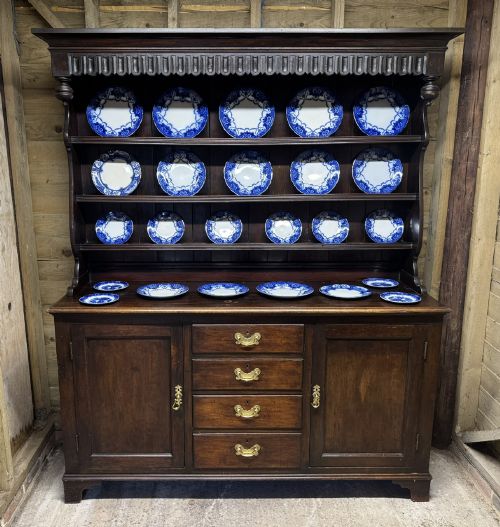
Traditional Plate Display
Traditional plate display brings together open wall racks, dressers and decorative ceramics to show porcelain and earthenware to best effect in any room.
Traditional Plate Display
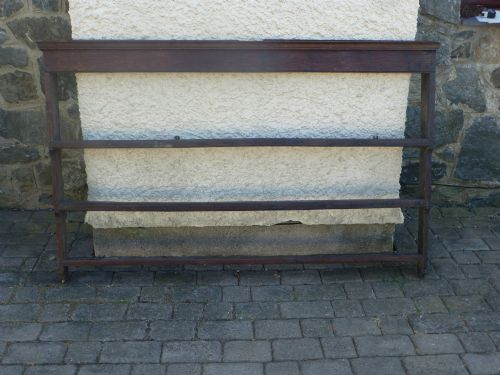
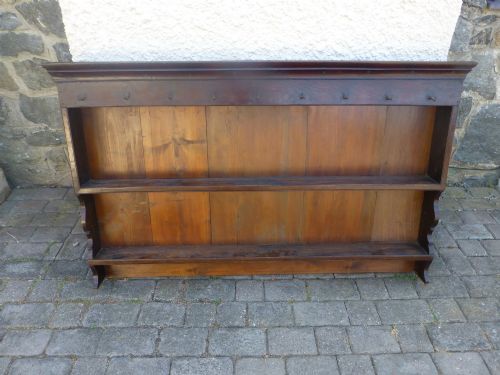
Traditional plate display centres on the arrangement of ceramics within dedicated wall hanging shelves, plate racks and large dressers. These pieces originate across the eighteenth, nineteenth and twentieth centuries, spanning Georgian, Victorian and Edwardian periods.
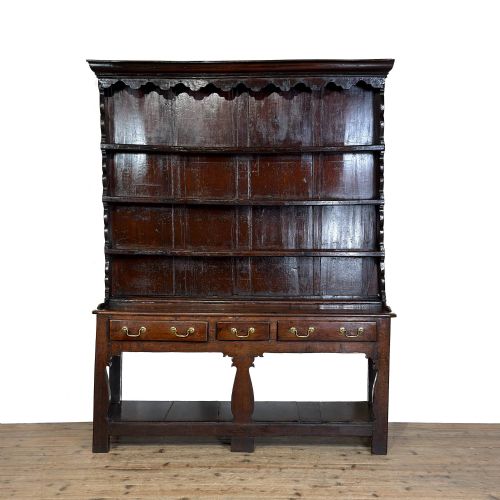
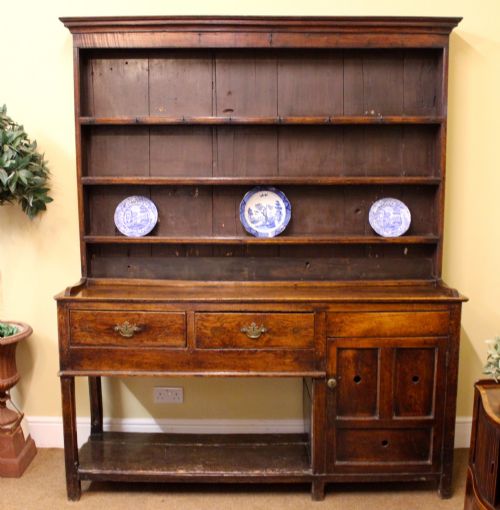
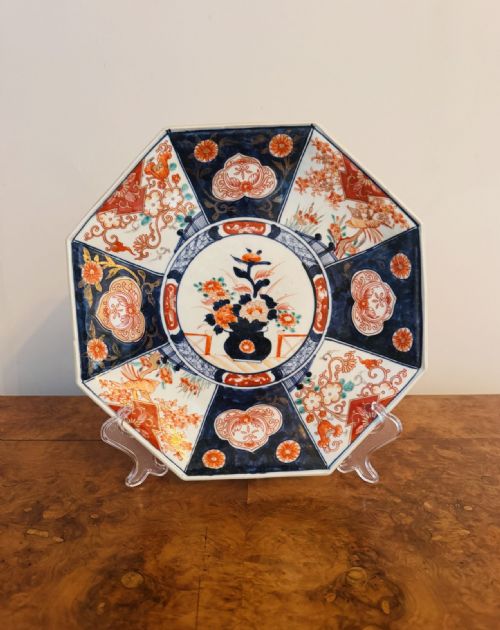
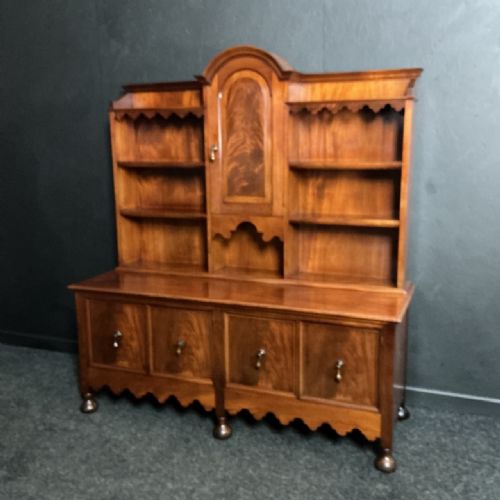
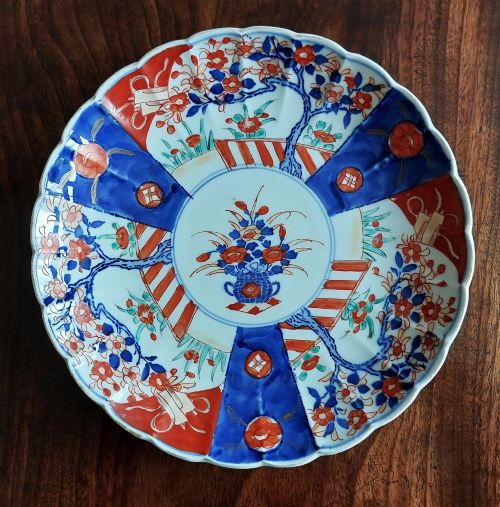
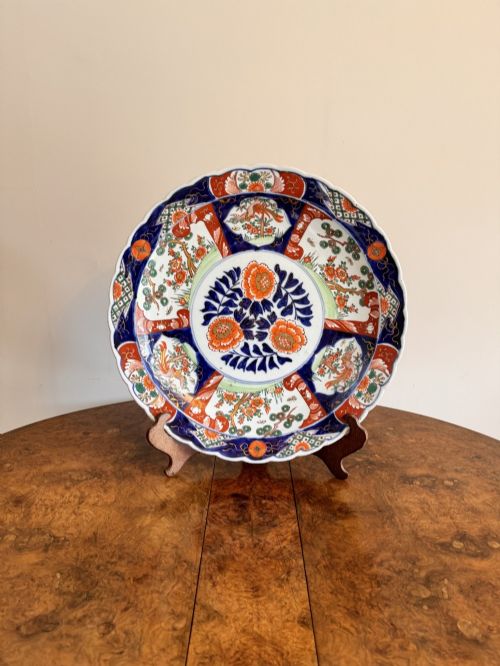
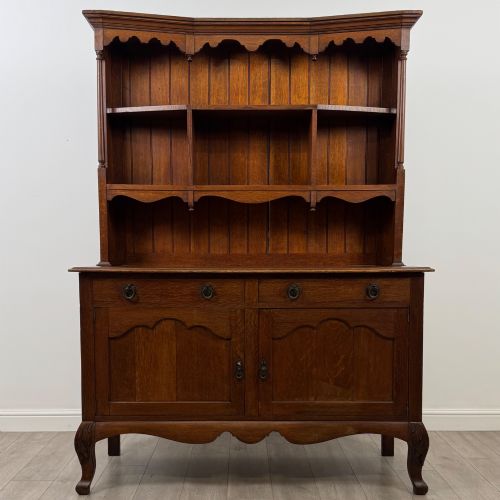
The most frequent items met on this page are oak and pine dressers with open plate racks, alongside individual Japanese Imari plates and chargers. These domestic furnishings evolved to store tableware safely while presenting colourful porcelain and earthenware to the room.
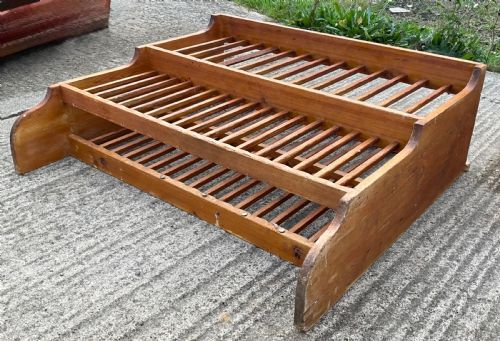
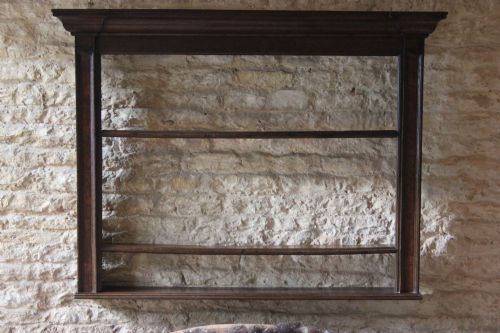
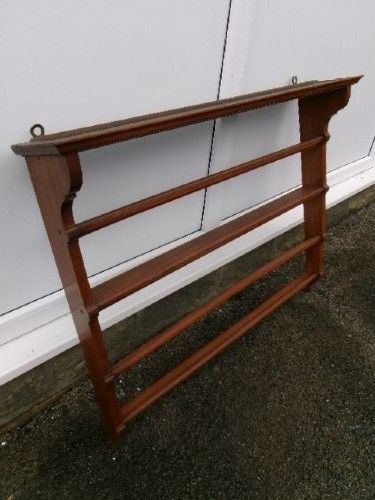
Examples range from compact mahogany wall hanging shelf racks to substantial Welsh dressers featuring breakfront drawers and multiple open shelves. Each form provides a structured framework for exhibiting decorative ceramics in domestic spaces.
Materials and construction methods
Cabinetmakers constructed traditional display furniture primarily in solid timber, relying upon oak, mahogany, pine and golden oak. These woods were joined using traditional methods to build sturdy wall racks and heavy dressers capable of supporting dense ceramic wares.
Ceramics displayed on these shelves, notably Japanese Imari and Chinese porcelain pieces, utilise fired clay finished with intricate hand-painted glaze work and occasional gold leaf details. Ironstone china plates employ dense earthenware bodies finished with durable glazes and transfer or hand-applied patterns.
Traditional Plate Display Retail Price Guide 2026
Typical asking prices for traditional plate display among the pieces listed under this phrase on Sellingantiques today, from the lower quarter to the upper quarter. They describe what is for sale here now, not the wider market.
Many an antique plate rack has survived centuries solely because someone decided a heavy Imari charger was too pretty to eat off.
Distinctions in quality and execution
Quality in traditional plate display furniture rests upon the selection of timber, the crispness of moulding details, and the integrity of the original rack structure relative to the base dresser. Superior examples demonstrate thoughtful proportions, harmonious timber grain and retained original backboards or hanging brackets.
For ceramics, standard is judged by the precision of the hand-painted glaze, the complexity of the Imari or Japan pattern, and the crispness of the porcelain or ironstone body. Pieces that maintain vibrant enamel colours and undamaged scalloped edges represent the higher tier of surviving wares.
Masons
The Traditional Plate Display Glossary
- Imari
- A style of Japanese porcelain decorated in underglaze blue, iron red, and gilt, frequently featuring densely patterned panels. These wares were widely collected and displayed in British homes during the Meiji period.
- Welsh Dresser
- A large kitchen or dining room furniture piece combining base storage cupboards or drawers with an upper open rack for plate display. They are predominantly constructed from country oak or pine.
- Delft Rack
- An open wall-mounted wooden shelf specifically designed to hold earthenware plates upright against a wall. The term links to the historic practice of displaying tin-glazed delftware ceramics.
- Charger
- A large decorative plate intended primarily for display on a wall rack, dresser shelf or sideboard rather than for dining use. They often feature elaborate hand-painted surface designs.
- Ironstone China
- A heavy, durable type of vitreous earthenware patented in the nineteenth century to imitate porcelain. It provides a robust surface for colourful transfer-printed or hand-painted patterns.
Traditional Plate Display: Frequently Asked Questions
What is a traditional plate display?
A traditional plate display uses architectural wall racks, open shelving or fitted dressers to exhibit decorative porcelain, earthenware and chargers. These arrangements combine practical storage with visual decoration.
Such displays draw upon centuries of domestic habit, where homeowner collections of Imari porcelain and ceramic plates were mounted on timber furniture to enrich the interior.
How do I style a plate rack?
Plate racks are arranged by placing larger chargers and deep plates at the back or lower levels, securing them firmly in the wooden grooves. Smaller decorative plates sit forward to maintain clear visibility.
Mixing contrasting patterns, such as blue and white ceramics with brightly coloured Imari pieces, creates visual depth while keeping the display balanced across the open shelves.
What wood are old dressers made from?
Antique dressers and plate racks are constructed primarily from native timbers such as oak, mahogany and pine. Country pieces frequently utilise solid oak or waxed pine.
Finer urban examples from the Georgian and Edwardian periods often employ mahogany or golden oak, reflecting the prevailing cabinetmaking tastes of their respective eras.
How do I date an antique dresser?
Dating relies upon examining construction joints, timber species, drawer linings and the integration of the plate rack to the base. Eighteenth-century pieces typically show hand-worked oak boards and pegged joints.
Victorian and Edwardian items often introduce machine-sawn elements, breakfront drawers, and differing hardware styles that help narrow the period of manufacture.