


Traditional Pine Bedroom Dresser
Traditional pine bedroom dresser pieces are sturdy storage units offering honest utility, prized for their warm timber grains and straightforward country charm.
Traditional Pine Bedroom Dresser
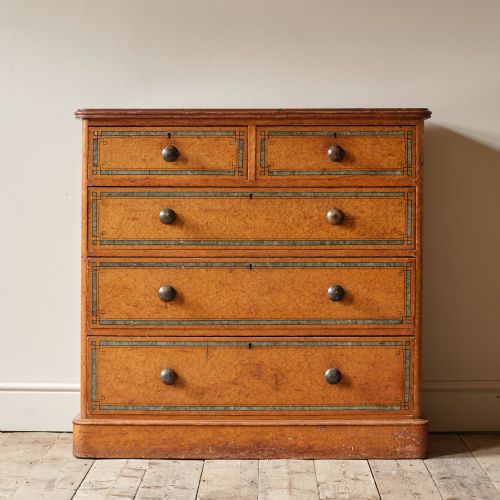
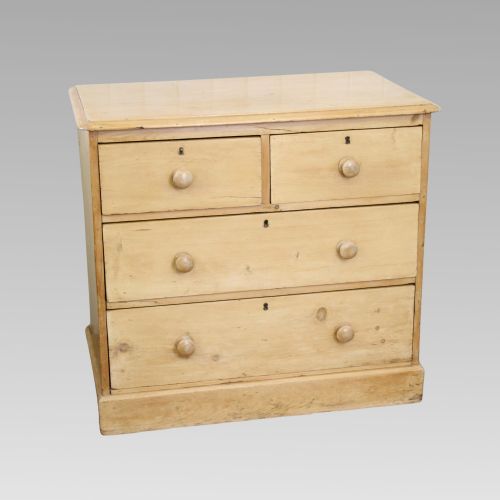
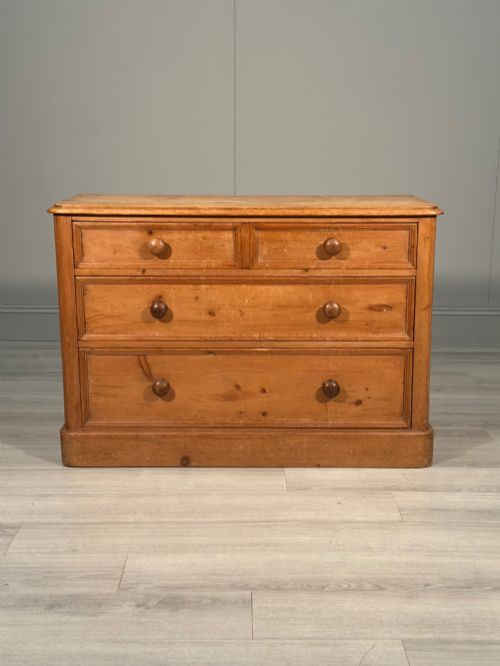
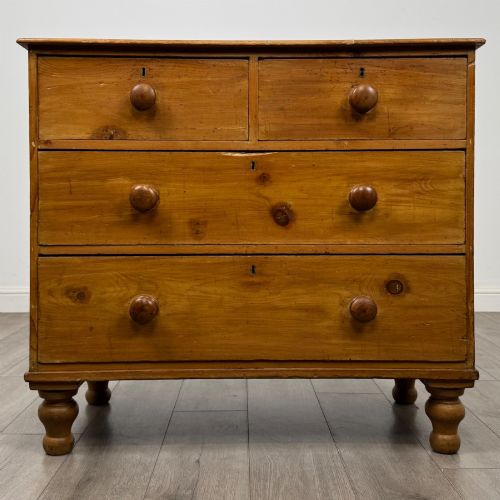
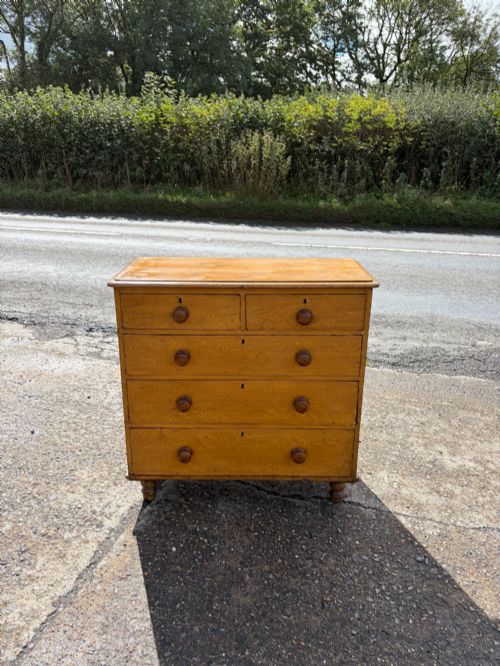
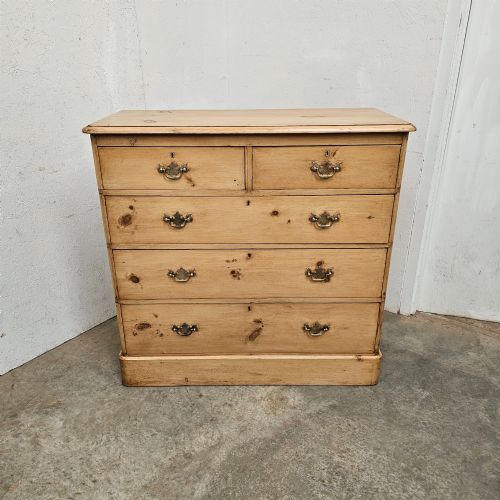
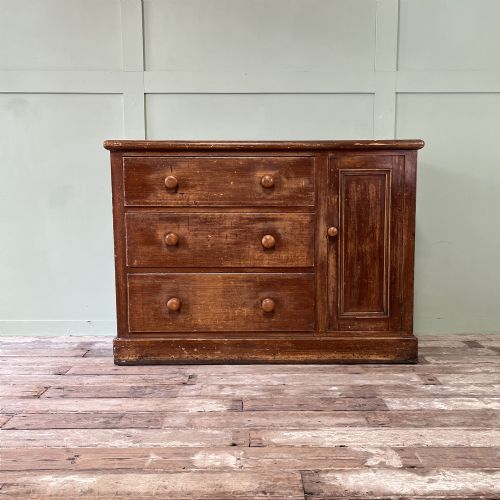
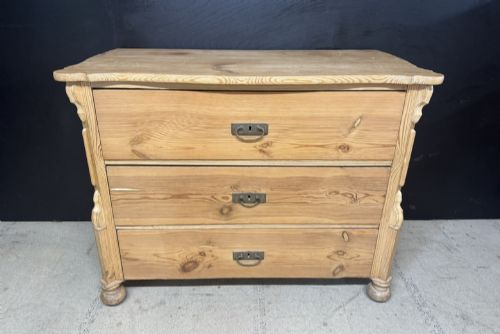
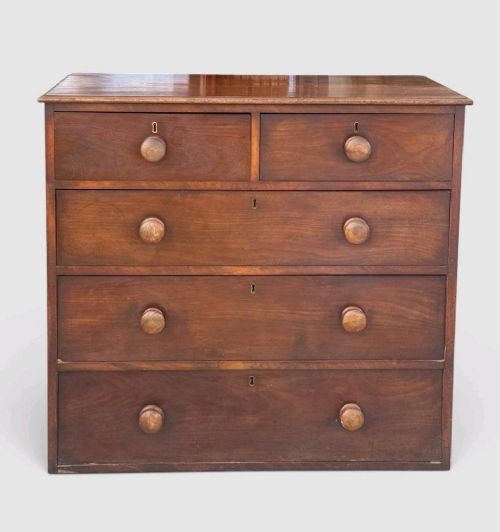
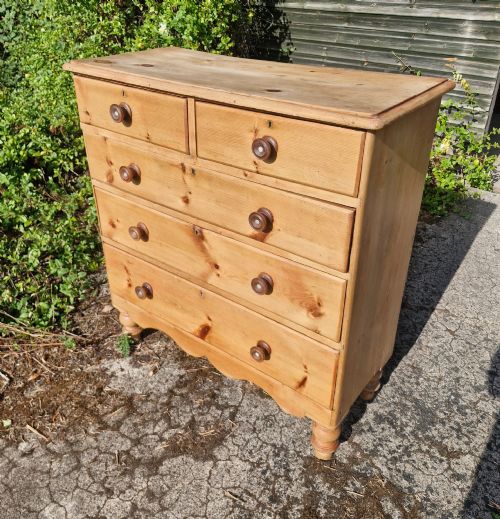
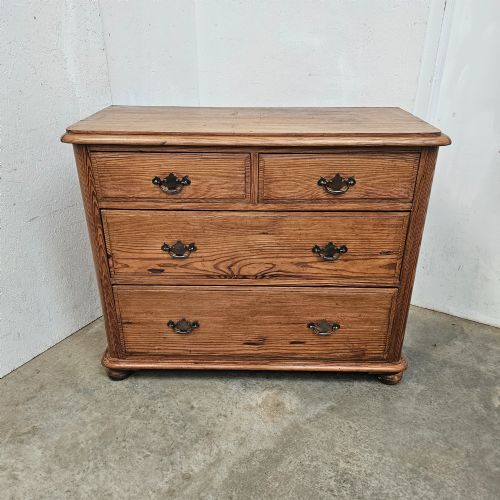
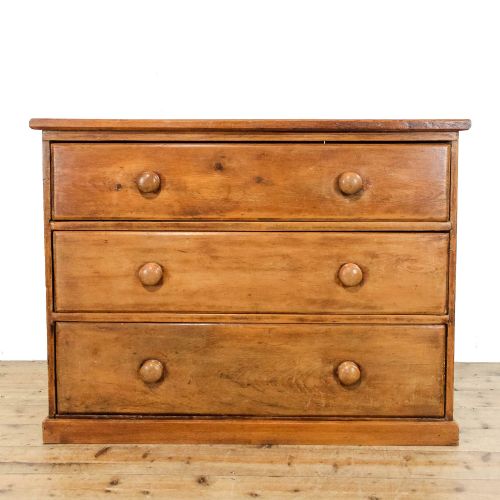
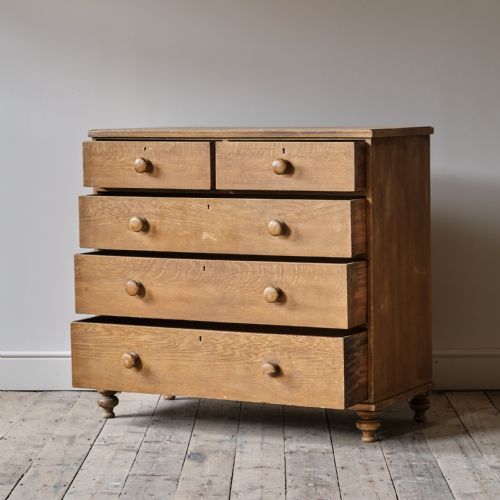
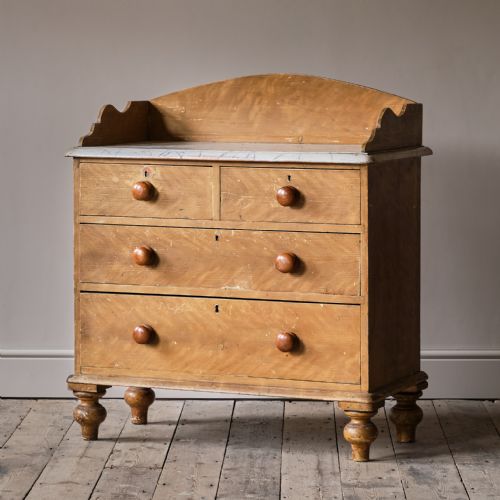
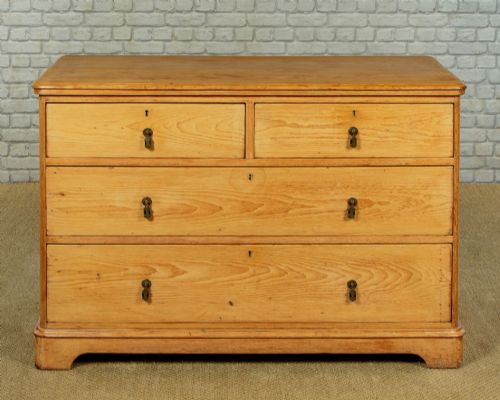
When you examine a traditional pine bedroom dresser, you encounter substantial chests of drawers and storage units originating primarily from the Victorian and Edwardian eras. The most frequent form on this page is the classic chest of drawers, ranging from compact three-drawer layouts to large five-drawer configurations with standard two-over-three arrangements.
These pieces encompass regional variations including English, Irish, and Continental examples, along with specific stylistic influences like Arts and Crafts and Georgian country. Makers built them for practical bedroom storage, resulting in utilitarian forms that prioritize capacity and daily durability over decorative excess.
How they were made
Cabinet makers utilised native and imported softwoods, predominantly working with standard pine, pitch pine, and oregon pine. Timber selection dictated the grain pattern, with dense pitch pine offering greater resilience for heavily used drawer runners and frames.
Surfaces received various historic finishes depending on regional preference and period fashion, ranging from clear wax polish to original paint layers and scrubbed timber. Iron and brass fittings, including bun handles and drawer pulls, provided robust functional hardware.
Traditional Pine Bedroom Dresser Retail Price Guide 2026
Typical asking prices for traditional pine bedroom dresser among the pieces listed under this phrase on Sellingantiques today, from the lower quarter to the upper quarter. They describe what is for sale here now, not the wider market.
Several pieces arrive carrying the faint, lingering scent of old beeswax and decades of quiet bedroom history.
What varies in quality
Quality rests primarily on the integrity of the timber selection and the precision of the cabinet work, such as hand-cut dovetail joints in the drawer construction. Finer examples retain their original surface treatments, whether a well-preserved historic paint layer or a deep, warm wax finish that highlights the natural grain.
Structural proportion and hardware originality also separate standard utilitarian items from superior workshop pieces. Robust secondary framing and intact original brass or turned wooden bun handles elevate the overall standard of a piece.
The Traditional Pine Bedroom Dresser Glossary
- Pitch pine
- A dense, resinous softwood variety often utilised in 19th-century cabinet making for its durability and prominent grain.
- Bun handle
- A turned, circular wooden drawer pull commonly found on Victorian chests of drawers.
- Scrubbed pine
- A timber surface finish achieved by vigorous cleaning that leaves the wood pale, raw, and unpolished.
- Dovetail joint
- An interlocking corner joint formed by triangular pins and tails, signifying traditional carpentry skill.
Traditional Pine Bedroom Dresser: Frequently Asked Questions
What periods do these dressers date from?
The pieces span the nineteenth and early twentieth centuries, with a heavy concentration of Victorian and Edwardian examples. You also encounter occasional Georgian country pieces.
Dates generally range from the 1850s through to the early 1900s, reflecting the standard domestic production eras for pine bedroom furniture.
Are these pieces painted or waxed?
Both finishes appear frequently across the available inventory. Many pieces feature traditional wax polish that enriches the natural pine grain.
Others retain original paint surfaces, including historic grey, black, or scrubbed finishes applied during their working life.
How do drawer configurations differ?
Configurations typically follow standard arrangements such as a two-over-three layout, providing two smaller top drawers above three wider graduated drawers. Other variants include simple three-drawer or four-drawer formats.
These layouts determined the storage utility for folded linens and clothing in nineteenth-century bedrooms.
What wood types are used?
The primary material is pine, encompassing standard softwood alongside tougher varieties like pitch pine and oregon pine. These softwoods were selected for accessibility and workability.
Metal fittings made from brass and iron complement the timber construction on handles and structural braces.