


Traditional Picture Frame
A traditional picture frame houses oil paintings and watercolours across the nineteenth and twentieth centuries, bringing depth and period character to walls.
Traditional Picture Frame
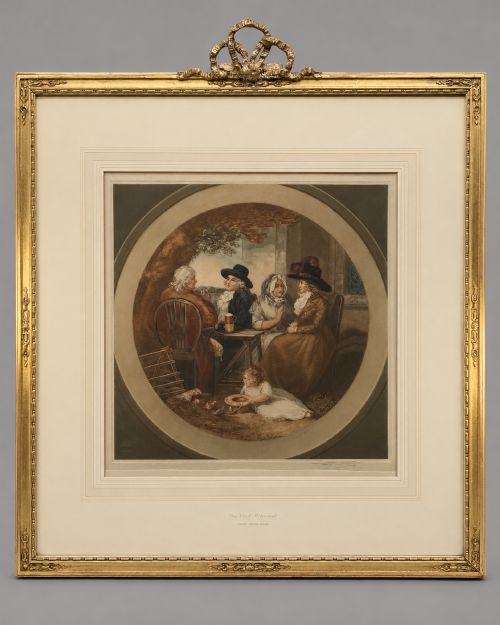
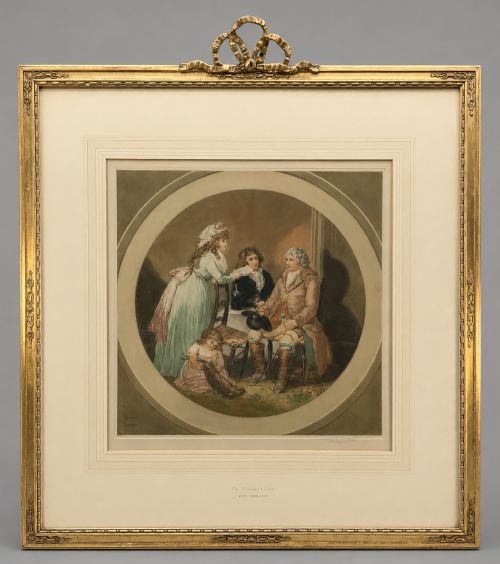
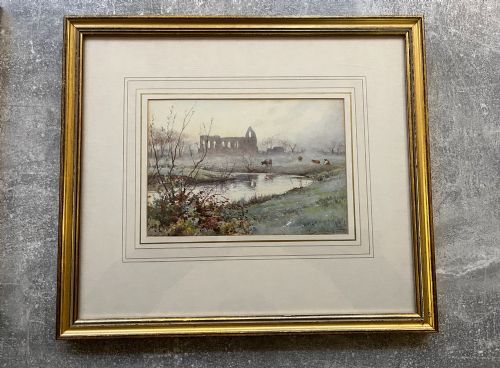
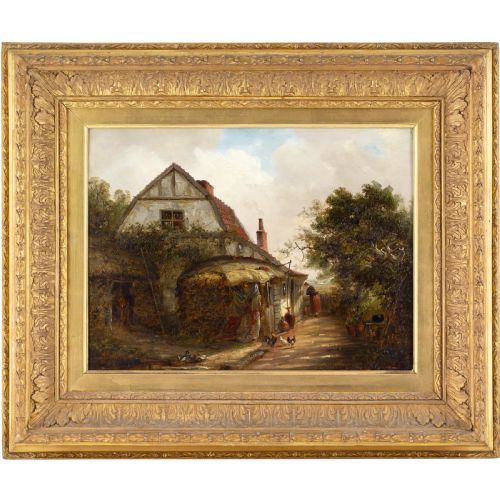
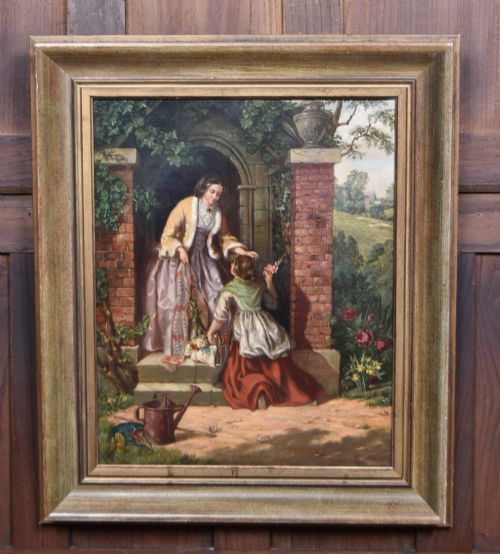
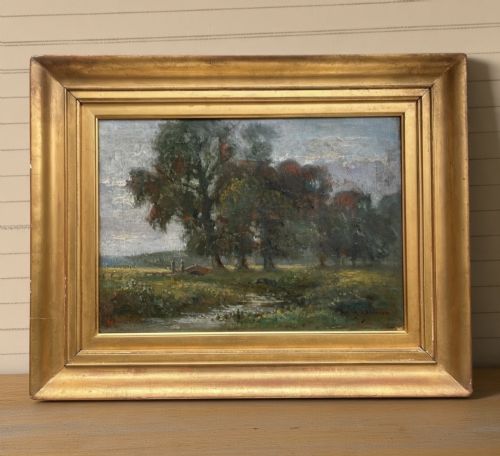
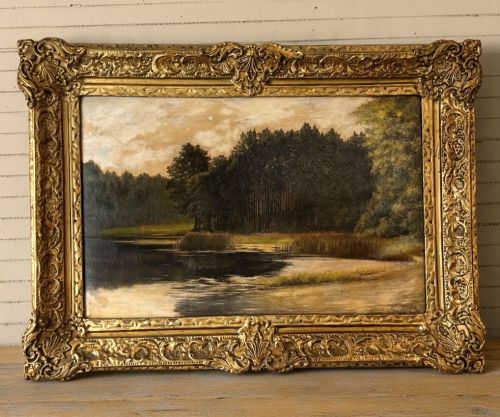
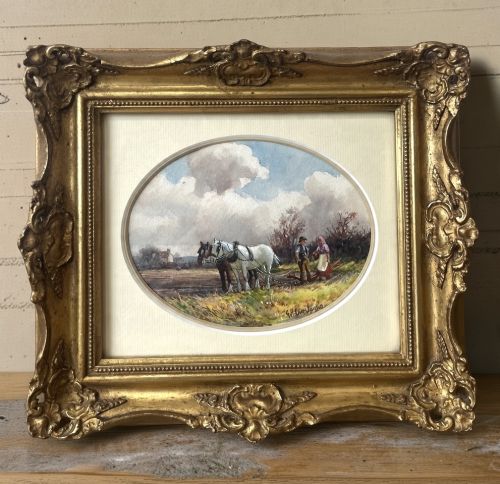
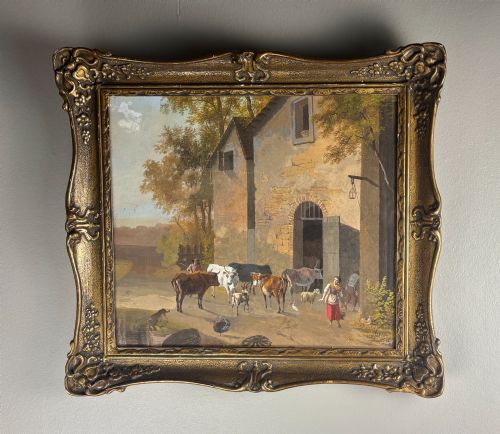
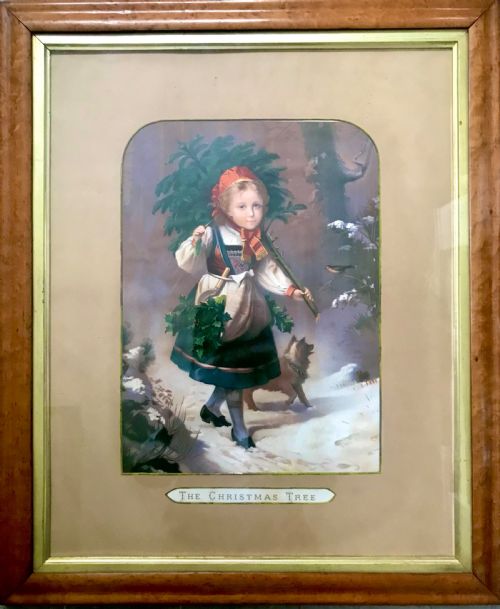
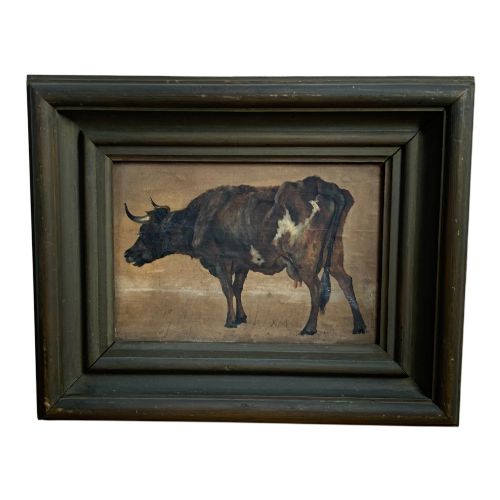
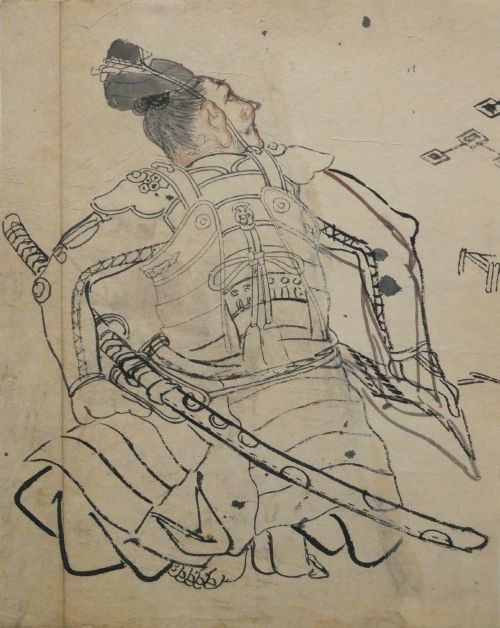
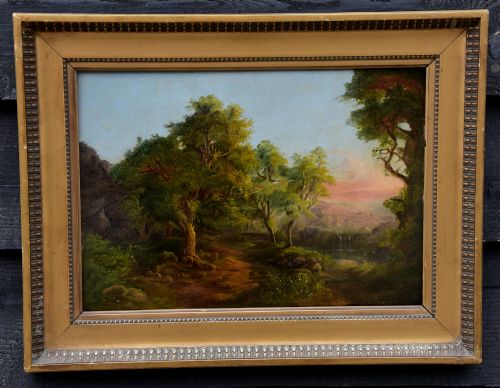
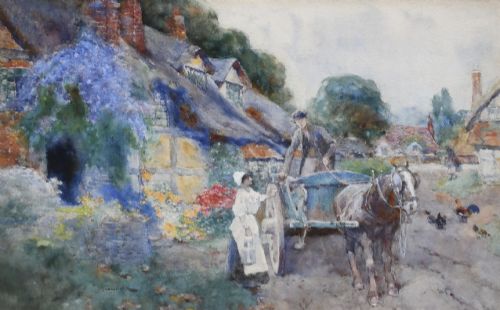
A traditional picture frame is encountered most frequently surrounding oil paintings, watercolours, and framed prints dating from the nineteenth and twentieth centuries. These pieces encompass Victorian portraiture, landscapes, and Dutch style floral still lifes set into timber surrounds.
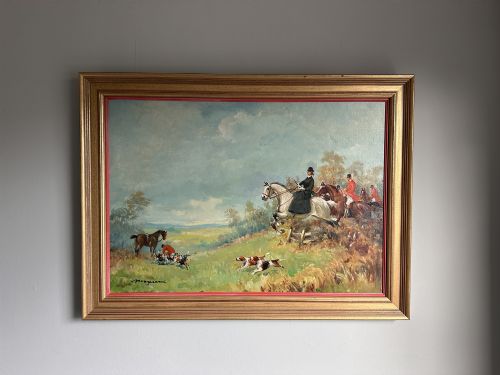
The selection here ranges from deep giltwood mouldings housing equestrian and hunting scenes to simpler oak frames enclosing decorative wall prints. Dating spans the 1870s through to the mid twentieth century, reflecting varied regional schools and domestic interior tastes.
Materials and construction
Wood forms the structural core of these items, often built as solid timber or panel supports, whilst gesso provides the smooth foundation layer for decorative surface modelling. Gilt wood and applied giltwood finishes impart metallic lustre and warmth to the borders.
Mouldings incorporate fluted hollow profiles and carved details, framing oil on canvas, oil paint on wood panels, and works on paper. Artisans shaped these materials by hand to create the substantial surrounds required for fine art paintings.
Traditional Picture Frame Retail Price Guide 2026
Typical asking prices for traditional picture frame among the pieces listed under this phrase on Sellingantiques today, from the lower quarter to the upper quarter. They describe what is for sale here now, not the wider market.
Object types span oil paintings, watercolours, framed prints, and wall art.
Judging quality
Quality resides in the crispness of the gesso moulding and the depth of the carved wood profile, where hand-finished detailing outclasses mass-produced alternatives. The integration between the frame and the artwork it encloses demonstrates the original maker's intent.
The preservation of the original gilt surface and the integrity of the timber joints distinguish superior examples from heavily restored or later replacement pieces.
The Traditional Picture Frame Glossary
- Gesso
- A plaster mix applied to wood before gilding. This substance creates a smooth surface that takes fine carved detail.
- Giltwood
- Timber coated with gold leaf or metallic paint. It brings reflective brilliance to traditional picture frames.
- Fluted hollow
- A concave moulding channelled with parallel grooves. This profile directs the eye toward the canvas.
- Oil on canvas
- Pigment bound in oil applied to stretched fabric. It represents the primary medium found within these frames.
Traditional Picture Frame: Frequently Asked Questions
How do I date a picture frame?
Dating relies upon examining the timber construction methods, the composition of the gesso, and the style of the moulding profile. Earlier nineteenth-century examples often display deeper profiles and hand-carved gesso work.
Comparing the frame's material characteristics with the era of the enclosed oil painting or watercolour helps confirm its period authenticity.
Are these frames suitable for modern art?
Traditional frames provide a striking contrast when paired with contemporary canvases or minimalist prints. Their ornate giltwood surfaces lend gravitas and warmth to plain interiors.
Ensure the internal dimensions match the artwork before mounting to achieve a balanced presentation.
How do I clean a giltwood frame?
Dusting requires a soft, dry brush to remove particles without disturbing delicate gesso surfaces. Moisture and chemical solvents must be avoided entirely.
Professional conservation is recommended for gilt repairs to prevent flaking the metallic leaf.
What is Dutch school framing style?
Dutch school frames typically feature broad, flat wooden borders or deep profiles designed to complement seventeenth-century aesthetic traditions. These surrounds often use dark polished wood or rich gilding.
They frequently accompany floral still lifes, marine views, and winter landscape oil paintings.