

Traditional Pendant Lamp
A traditional pendant lamp illuminates a room with period character, offering hanging light fixtures shaped by decades of glass, brass, and bronze craftsmanship.
Traditional Pendant Lamp
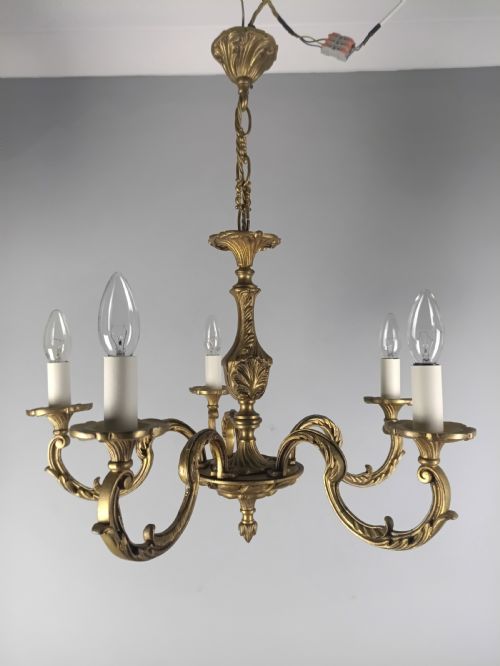
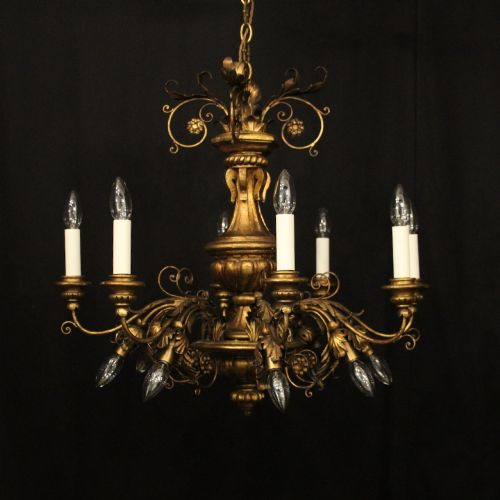
When you search for a traditional pendant lamp, you encounter hanging light fixtures spanning the nineteenth century through the nineteen-thirties. These pieces encompass various forms including chandeliers, ceiling lights, hanging lanterns, and hall lanterns designed to suspend from ceilings.
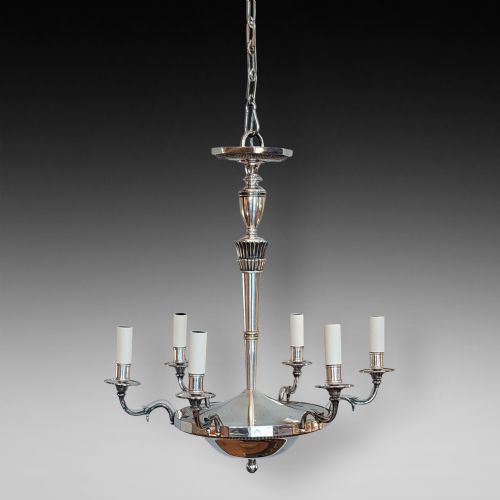
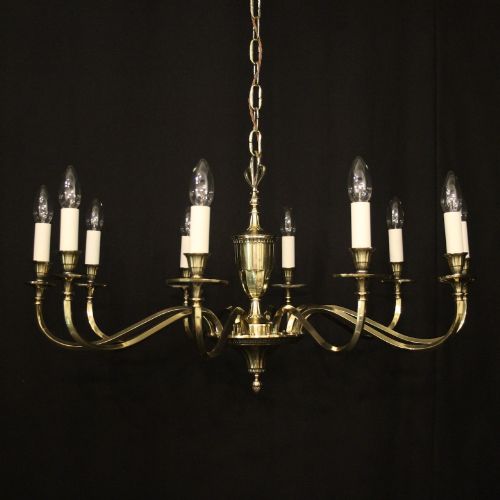
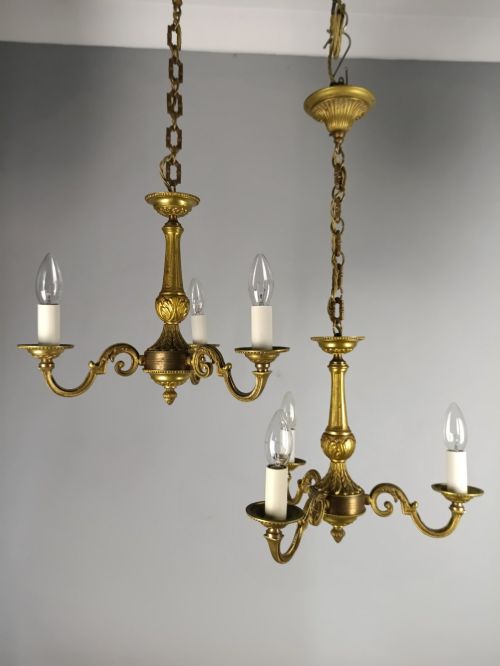
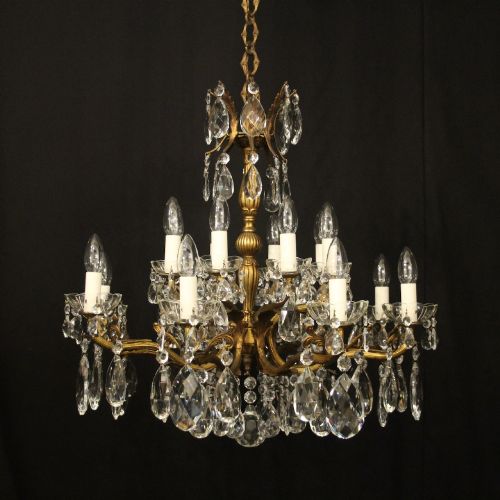
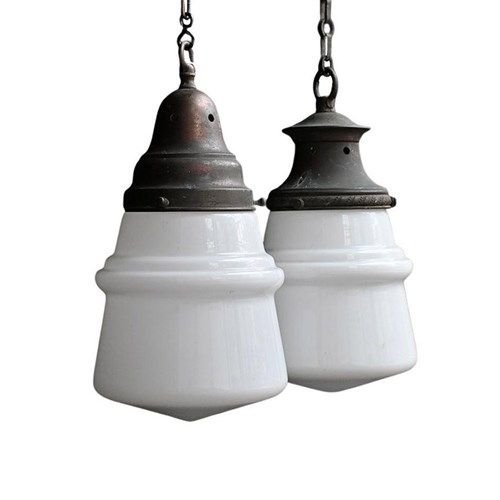
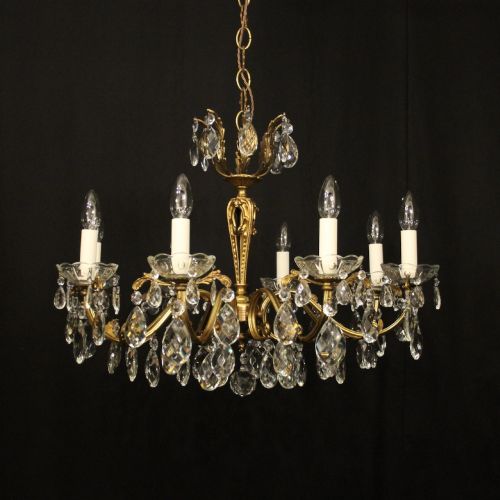
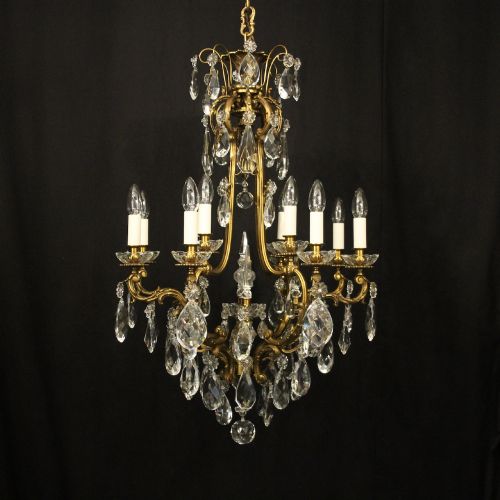
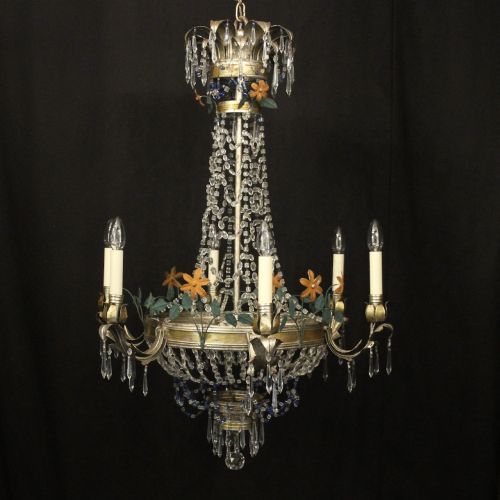
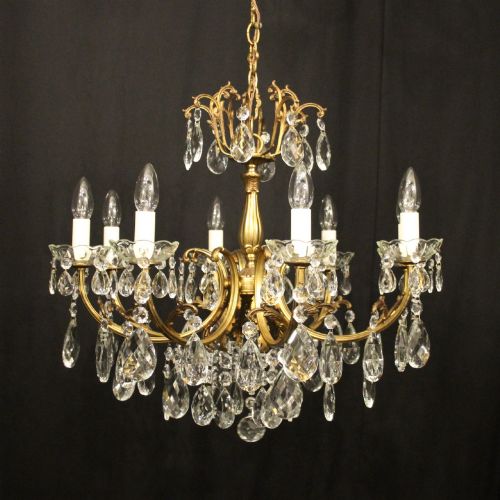
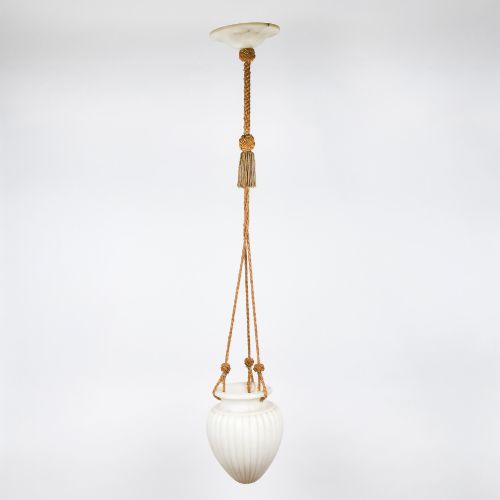
The selection on this page relies heavily on early twentieth-century examples, particularly French gilded brass and crystal chandeliers alongside English and continental lanterns. Buyers frequently meet multi-light configurations, from single-bulb hanging shades in opaline glass or alabaster to substantial multi-arm fixtures decorated with cut glass drops.
Stylistic influences range from Edwardian and Victorian periods to French Rococo, Empire, and Classical Revival designs. These overhead lights serve both functional illumination and decorative architectural presence in domestic interiors.
How they were made
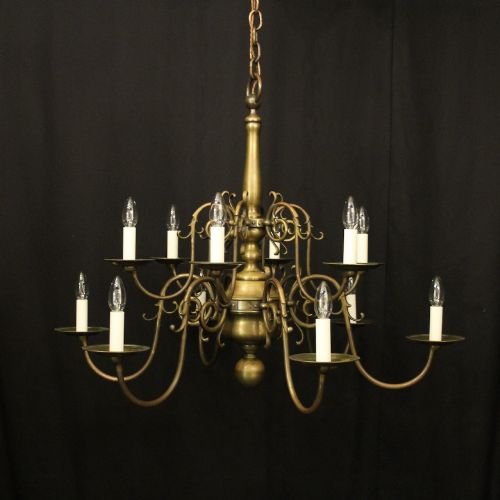
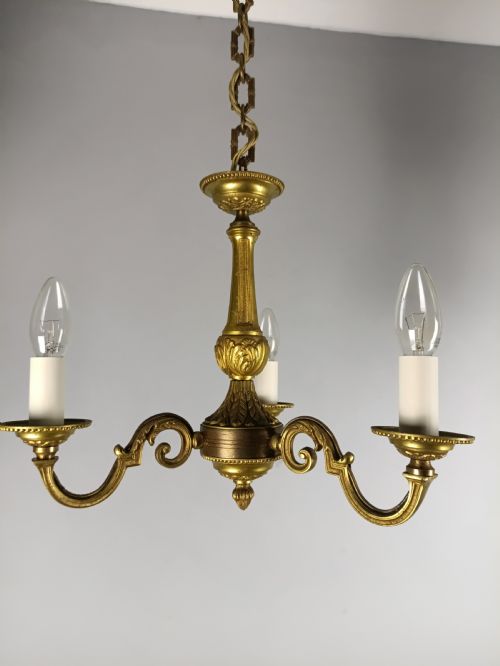
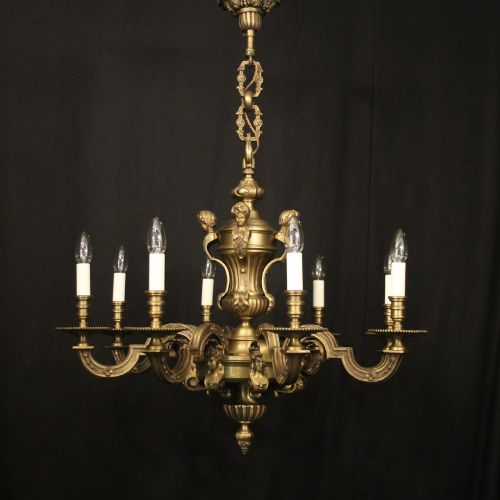
Makers constructed these hanging fixtures using structural metals such as brass, bronze, copper, wrought iron, and gilt wood to form the main frames and arms. Workshops often applied a gilt finish to brass or bronze components to achieve a polished metallic appearance.
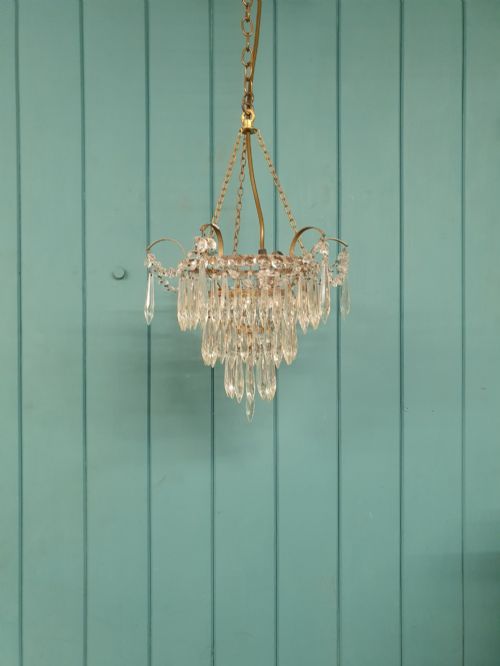
Transparent elements form a central part of the construction, utilising moulded glass, opaline glass, white alabaster, and cut crystal prisms or beads. Craftsmen wired these glass components together with metal pins or suspended them in tent and waterfall arrangements to catch and refract light.
Traditional Pendant Lamp Retail Price Guide 2026
Typical asking prices for traditional pendant lamp among the pieces listed under this phrase on Sellingantiques today, from the lower quarter to the upper quarter. They describe what is for sale here now, not the wider market.
Materials documented across the available inventory include gilt bronze, alabaster, opaline glass, and cut crystal.
What varies in quality
The standard of a traditional pendant lamp depends on the complexity of its metalwork and the clarity of its glass or crystal elements. Cast bronze and heavy brass frames demonstrate superior durability and finer chased detail compared to simpler pressed metal constructions.
Cut glass drops and hand-blown shades display varying degrees of precision and depth. Pieces featuring intricate crystal arrangements, such as waterfall tiers and beaded arms, indicate higher manufacturing ambition than plain glass pendants.
The Traditional Pendant Lamp Glossary
- Plafonnier
- A ceiling light that sits flush or close to the ceiling surface rather than hanging on a long suspension chain. These fixtures often feature moulded or cut glass bowls held in metal frames.
- Opaline glass
- A milky, semi-translucent glass popular in early twentieth-century lighting. It diffuses bulb light evenly without harsh glare.
- Tent and waterfall
- A method of hanging crystal drops where strings of beads form an upper triangular tent shape above a wider cascading tier. This style maximises light reflection.
- Hall lantern
- An enclosed hanging light designed for corridors or entranceways. These fixtures typically feature glazed glass panels set within brass, bronze, or copper frames.
Traditional Pendant Lamp: Frequently Asked Questions
How do I hang a heavy antique chandelier?
Suspension of heavy brass and crystal fixtures requires securing the mounting bracket directly into ceiling joists or structural timber rather than plaster alone. Professional electricians ensure the ceiling box supports the combined weight of the metal frame and glass components.
Height placement depends on room proportions and traffic clearance. Dining table installations generally sit lower, while hallway lanterns hang higher to allow clear passage underneath.
Can I replace modern bulbs in these lamps?
Most antique fixtures accept standard modern LED or incandescent bulbs provided the original lamp holders are safe and compatible. Rewiring is frequently updated to meet contemporary electrical standards while preserving the exterior metal and glass components.
Lower wattage bulbs often suit period fixtures better, protecting antique glass and fabric elements from excessive heat while maintaining a warm ambient glow.
How do I clean crystal and glass pendants?
Routine maintenance involves gentle dusting with a soft microfibre cloth to prevent grime accumulation on metal arms and glass drops. Detailed cleaning of crystal chandeliers requires a specialist spray or careful hand-wiping with a mild solution while the fixture remains hung.
Removing delicate opaline shades or glass panels for washing requires caution to avoid chipping the historical edges. Ensuring the power is switched off before cleaning prevents moisture damage to electrical parts.
What rooms suit a traditional hall lantern?
Enclosed lanterns and pendant lights fit naturally into entrance halls, stairwells, and landings where direct downward illumination is necessary. Their enclosed glass sides protect the light source from drafts while casting patterns across surrounding walls.
Smaller brass or copper lanterns also integrate effectively into kitchens and boot rooms as task or ambient overhead lighting.