



Traditional Parlour Chairs
Traditional parlour chairs comprise nineteenth and early twentieth-century seating forms designed for reception rooms, offering period character and solid timber frames.
Traditional Parlour Chairs
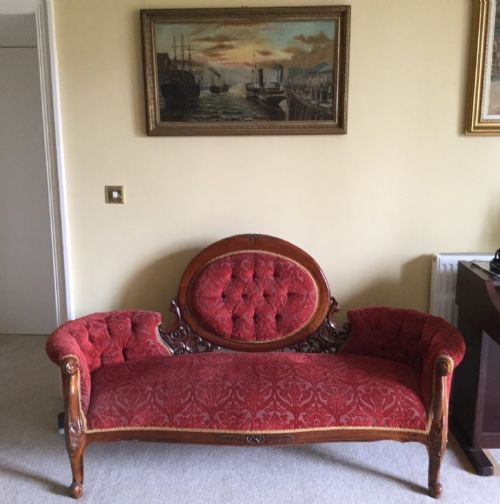
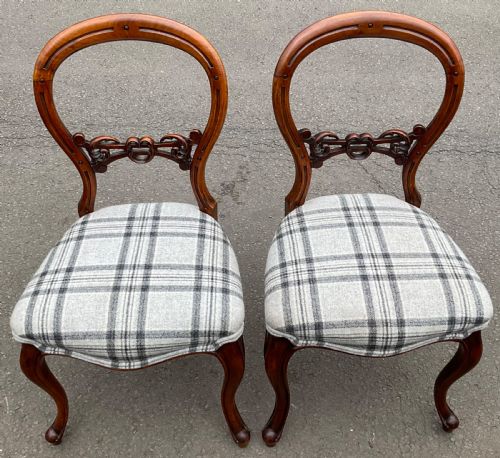
Traditional parlour chairs encompass nineteenth and early twentieth-century seating forms designed for reception rooms and formal spaces. When you search for traditional parlour chairs, you encounter dining chairs, salon chairs, nursing chairs, and upholstered armchairs spanning the Victorian, Edwardian, and Regency periods.
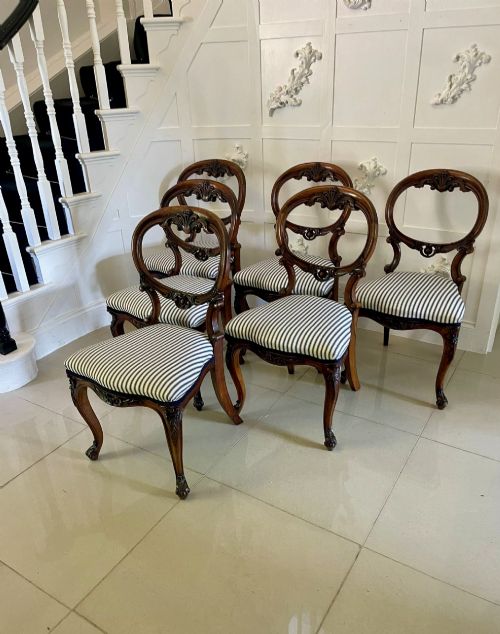
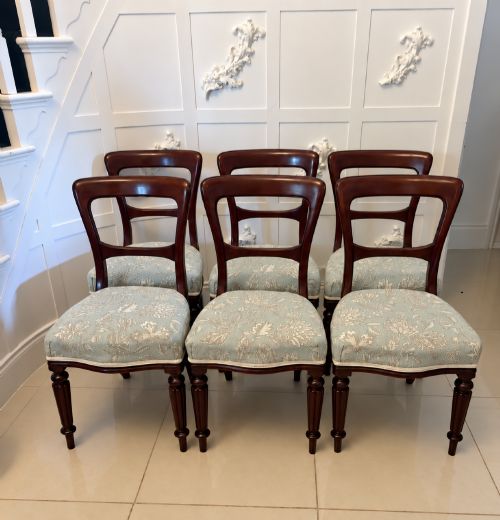
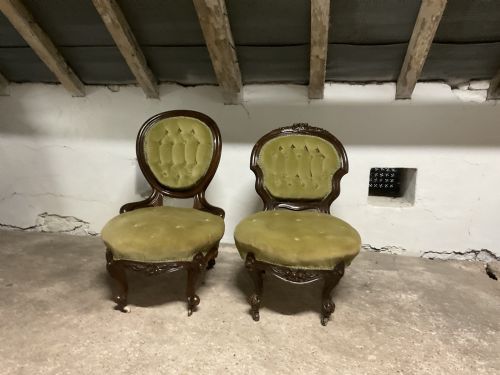
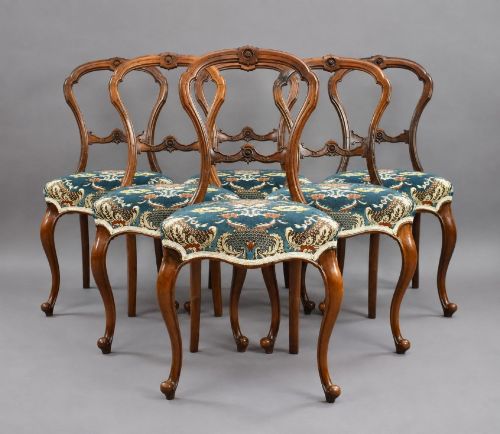
The pieces most frequently met on this page are mahogany and rosewood balloon back dining chairs and salon suites dating from the Victorian era. These seating options reflect the domestic requirements of nineteenth-century interiors through robust timber construction and sprung bases.
Materials and construction methods
Makers utilised dense hardwoods including mahogany, rosewood, and walnut to build durable frames capable of supporting intricate carved details and curved silhouettes. Timber selection dictated the structural integrity of balloon backs and side chairs.
Upholstery involved traditional textile applications such as velvet, fabric, and brocade secured over sprung settee and chair bases with brass detailing. Frames occasionally integrated marquetry and inlay work to decorate Edwardian salon examples.
Traditional Parlour Chairs Retail Price Guide 2026
Typical asking prices for traditional parlour chairs among the pieces listed under this phrase on Sellingantiques today, from the lower quarter to the upper quarter. They describe what is for sale here now, not the wider market.
Some chairs arrived in sets of twelve, ensuring nobody had to sit on the floor during Victorian tea parties.
Standards of execution
Quality rests upon the crispness of timber carving, particularly along balloon back rails and scrollwork, alongside the integrity of the underlying joinery. Substantial mahogany and rosewood frames exhibit greater durability than lighter variants.
The standard of re-upholstery and the selection of deep pile brocade or velvet alter the finish of upholstered armchairs and parlour suites. Matching sets of six or twelve chairs command higher regard than assembled groups.
Charles Roodhouse
The Traditional Parlour Chairs Glossary
- Balloon back
- A chair back shaped in a continuous oval curve resembling a balloon, popular during the Victorian period. This form appeared extensively in mahogany and rosewood dining chairs.
- Salon suite
- A matching grouping of parlour seating comprising sofas and chairs designed for entertaining guests. These sets typically share timber types and upholstery fabrics.
- Nursing chair
- A low-seated upholstered chair designed for comfort near the hearth or nursery. These pieces often feature sprung bases and buttoned backs.
- Marquetry
- Decorative veneer work forming pictorial patterns using various coloured woods. This technique appears on Edwardian rosewood salon chairs.
- Regency
- A design period spanning the early nineteenth century characterised by classical revival influences. Pieces from this era often utilise dark mahogany or rosewood.
Traditional Parlour Chairs: Frequently Asked Questions
What periods do these chairs represent?
The selection spans the nineteenth and early twentieth centuries, covering Regency, Victorian, and Edwardian eras. Most pieces originate from the Victorian period between eighteen-fifty and nineteen-hundred.
Dates are assigned based on stylistic indicators, timber choices, and construction techniques typical of these historical periods.
How were parlour suites used?
Parlour suites served as formal seating arrangements for receiving visitors in nineteenth-century homes. They furnished the main reception rooms where guests were entertained.
Groups typically included a settee or sofa alongside matching armchairs and side chairs to maintain a uniform appearance.
Are these chairs suitable for daily dining?
Many of these chairs function effectively as dining seating, particularly the sets of mahogany and rosewood balloon back chairs. Their sturdy hardwood frames withstand regular use around a dining table.
Buyers should verify seat heights and depths to ensure compatibility with modern dining tables.
How do I care for antique wood and upholstery?
Maintain timber frames by dusting with a dry cloth and occasionally applying suitable beeswax to nourish the mahogany, walnut, or rosewood surface. Avoid placing furniture in direct sunlight to prevent fading.
Upholstery requires gentle vacuuming with a soft brush attachment to protect delicate fabrics like velvet and brocade.