


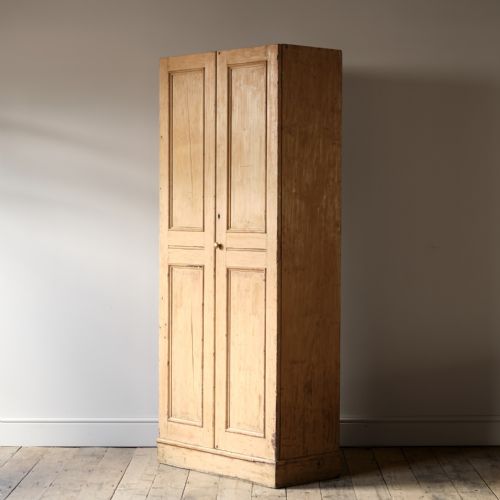


Traditional Pantry Press
A traditional pantry press is a large domestic storage piece built to hold provisions, and you buy one to bring honest rural utility and generous capacity into a modern kitchen.
Traditional Pantry Press
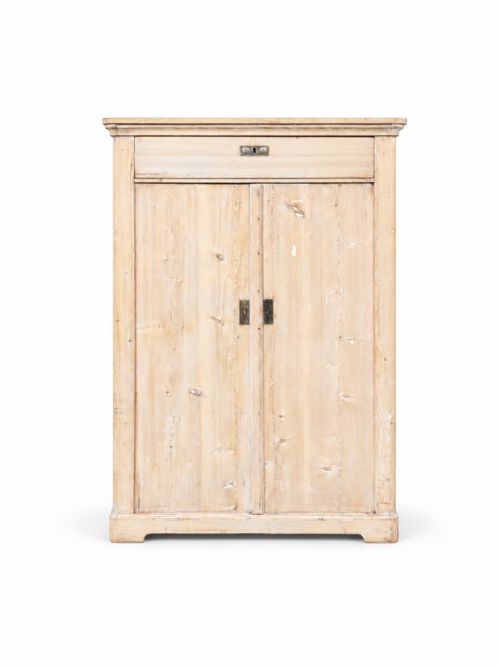
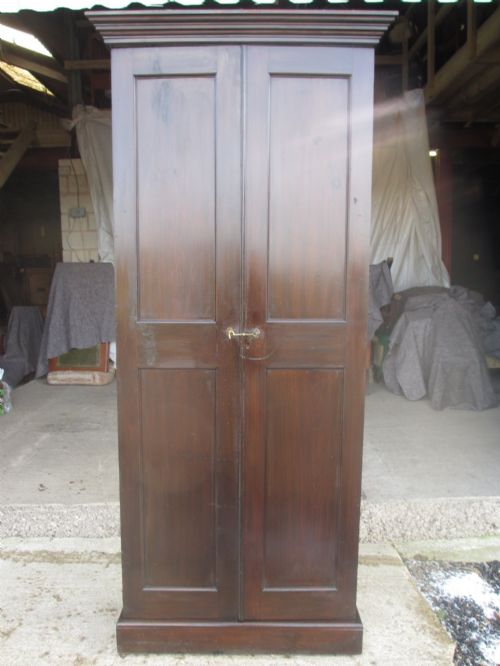
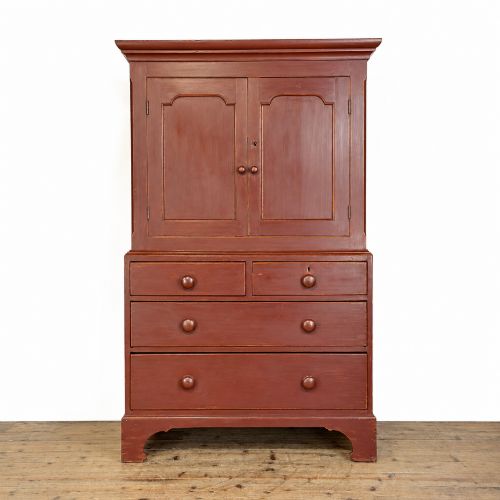
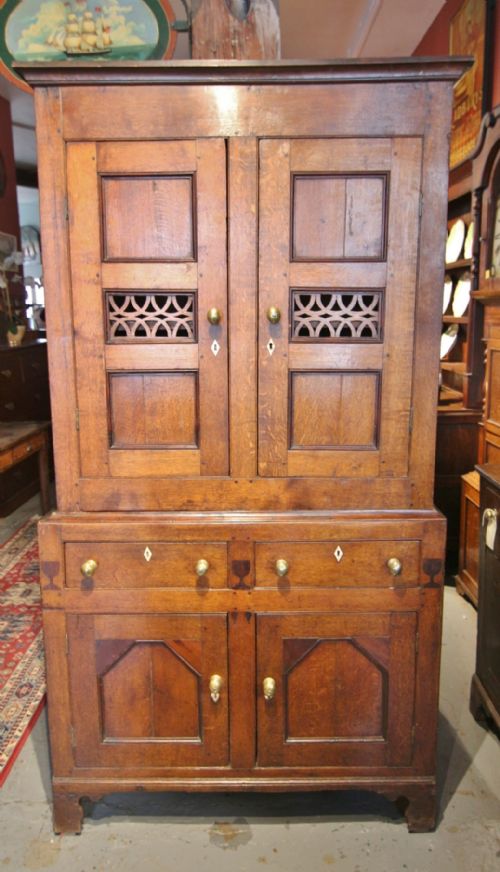
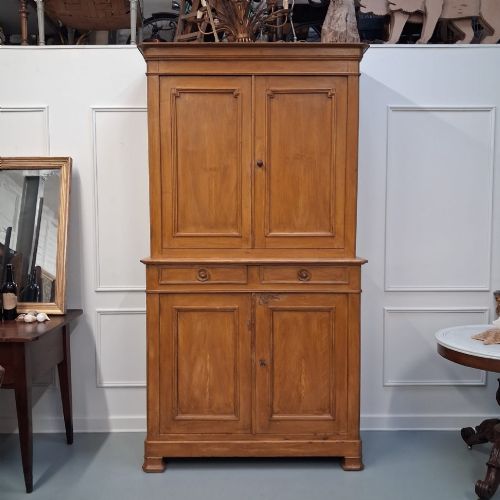
A traditional pantry press encompasses sturdy housekeepers cupboards, larder cupboards and food cupboards designed for storing household provisions and household linens. You will most frequently encounter painted or bare pine and oak examples originating from the eighteenth, nineteenth and early twentieth centuries.
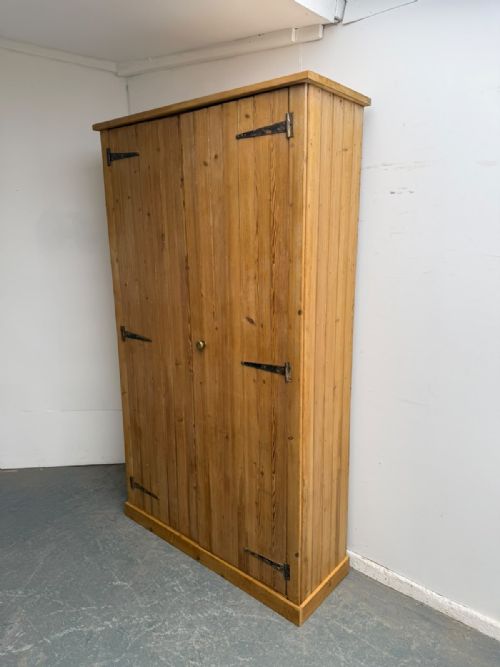
The regional variety spans English country pieces, Welsh vernacular furniture, French provincial designs, Scandinavian country work and Baltic cupboards. These large storage forms range from tall four-door configurations to simpler two-door kitchen and scullery cupboards.
They served as the central storage hub in domestic quarters before fitted kitchens existed, holding dry goods, bread, cheese and household linens. Their substantial presence suits contemporary kitchen and utility spaces that demand authentic period character and deep shelving.
Materials and Construction
Makers built these pieces primarily from solid pine and robust English or European oak, often utilising brass or iron hinges and locks. Secondary woods appear inside carcases, while bone occasionally forms escutcheons or small decorative details.
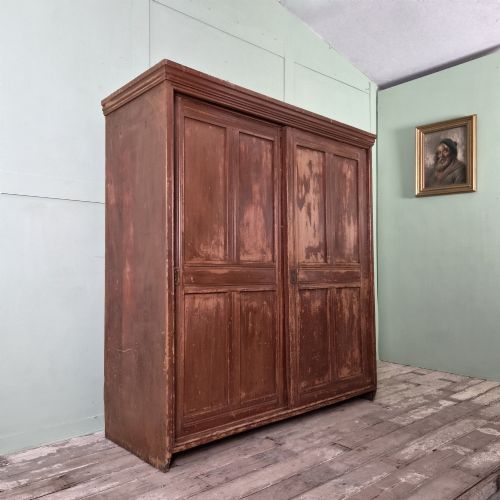
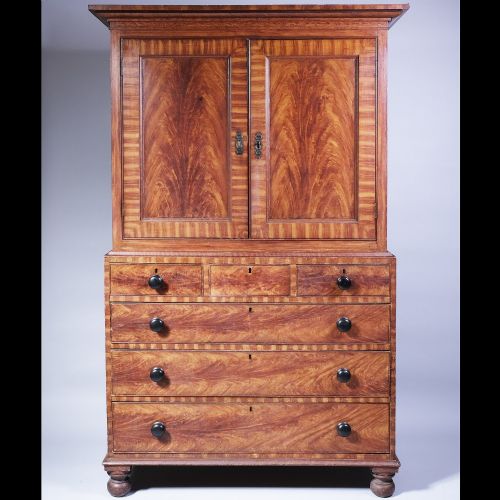
Surfaces were left as bare timber, polished, or treated with historic paint finishes including scumble glazes and simple layers of coloured pigment. Inlaid wood details also appear on select regional vernacular pieces, adding subtle decorative contrast to the grain.
Traditional Pantry Press Retail Price Guide 2026
Typical asking prices for traditional pantry press among the pieces listed under this phrase on Sellingantiques today, from the lower quarter to the upper quarter. They describe what is for sale here now, not the wider market.
Listings feature pieces spanning the eighteenth, nineteenth, and twentieth centuries, constructed from pine, oak, and painted wood with brass, iron, and bone details.
Judging Quality and Proportion
The distinction between ordinary utility items and finer examples lies in the proportion of the carcase, the integrity of the timber, and the survival of original surface treatments. Better examples show careful timber selection, thoughtful panel arrangement, and balanced door proportions rather than purely utilitarian assembly.
Originality of paint, hardware and interior shelving elevates a piece significantly. Altered plinths, replaced cornices, or stripped surfaces where original paint once lived change the visual weight and historical integrity of the furniture.
The Traditional Pantry Press Glossary
- Housekeeper's cupboard
- A large dual-purpose storage piece traditionally used for storing both dry foodstuffs and household linens. These cupboards often combine lower drawers with upper shelved compartments.
- Scumble paint
- A decorative surface treatment involving translucent oil glaze dragged or brushed over a lighter base coat to imitate finer wood grains. It protects the soft pine underneath while adding visual texture.
- Vernacular furniture
- Domestic pieces made by local regional craftsmen using native timbers and traditional methods rather than adhering to formal metropolitan design styles. These objects reflect local practical needs and available materials.
- Bread and cheese cupboard
- A specific regional food storage piece featuring ventilated panels, often pierced or louvered, to allow air circulation around perishables. They are typically associated with Welsh and English country workshops.
Traditional Pantry Press: Frequently Asked Questions
Where were traditional pantry presses used?
These large cupboards stood in the sculleries, pantries, and large kitchens of country houses, farmhouses, and vicarages. They kept perishable foods, dry stores, and household textiles organised and protected from pests.
In modern homes, they function brilliantly as freestanding kitchen larders, linen closets, or hallway storage cabinets. Their deep shelves swallow up kitchen appliances, crockery, and provisions with ease.
How do I date a pine pantry press?
Dating relies on examining construction methods, nail types, timber preparation, and handling marks on the wood. Hand-sawn boards, pegged joints, and original hand-forged iron hardware point firmly to earlier Georgian and Victorian periods.
Later nineteenth and early twentieth-century examples often incorporate machine-sawn components, simpler butt hinges, and standardised screws. Paint analysis can also reveal whether a colour layer is historic or a later application.
Are painted finishes on these cupboards original?
Many cupboards received multiple coats of paint over their working lives to freshen sculleries and farmhouses. Original or early paint surfaces exhibit natural wear, craquelure, and subtle variations in tone that modern repainting cannot replicate.
Finding a piece with its historic scumble glaze or early painted skin intact is a major plus for collectors. Stripped pine became fashionable later, meaning many historic pieces lost their original painted coats during the twentieth century.