





Traditional Painted Sideboard
Traditional painted sideboards bring enduring utility and decorative surface to domestic rooms through time-tested craftsmanship and hand-applied finishes.
Traditional Painted Sideboard
A traditional painted sideboard encompasses storage furniture designed for domestic utility, drawing from diverse periods including the eighteenth century, nineteenth century, and early twentieth century. These pieces bridge the gap between utilitarian storage and decorative interior presence.
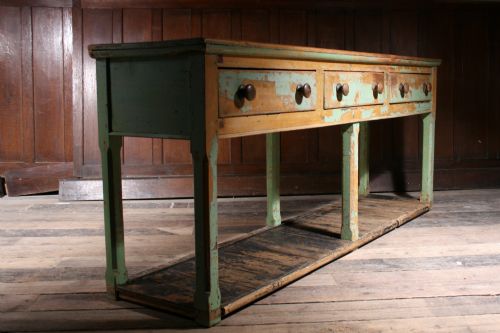
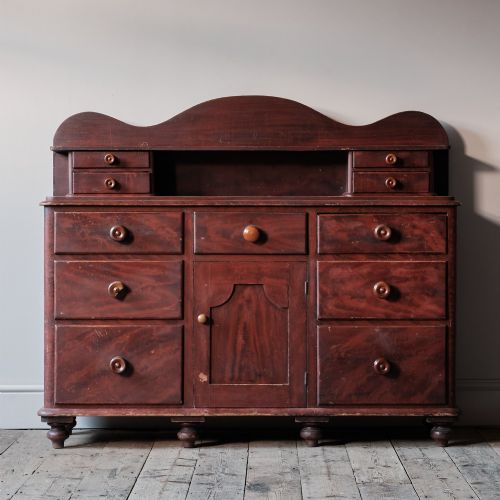
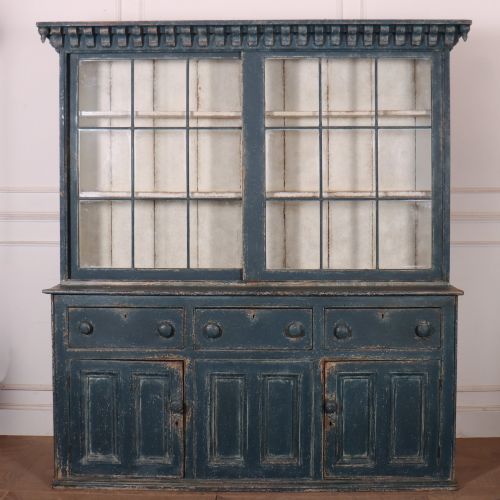
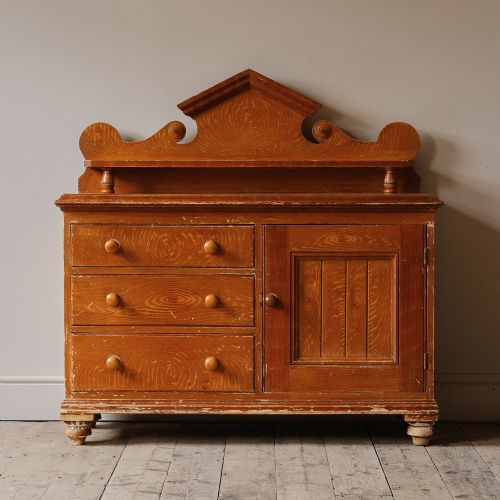
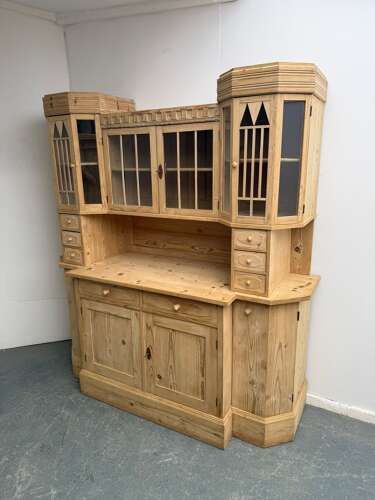
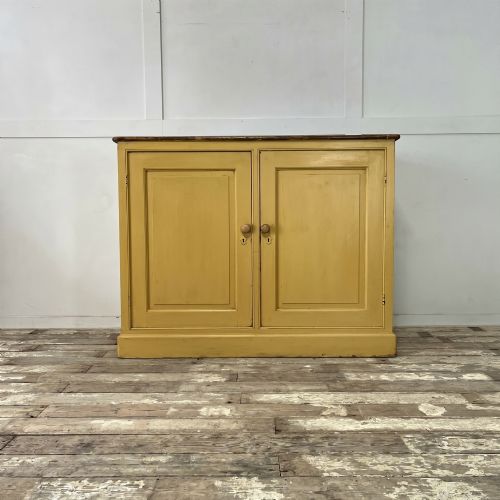
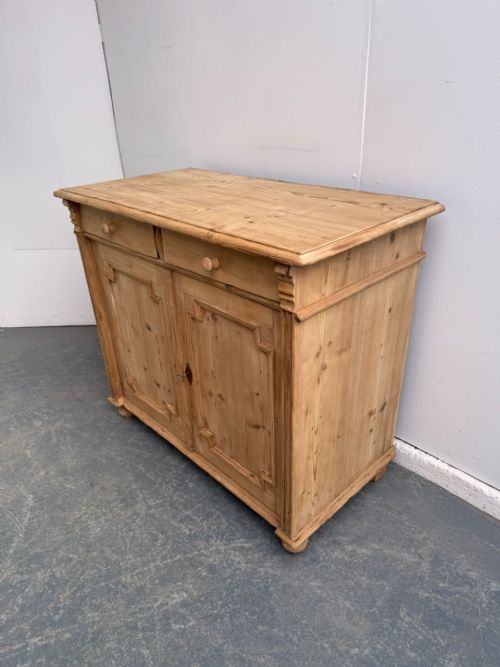
The inventory on this page frequently presents as English country house dresser bases, potboard dresser bases, and kitchen dressers in pine and wood. Alongside these regional British forms, international examples appear, featuring French alpine cupboards, Tibetan cabinets, and Chinese lacquer storage pieces.
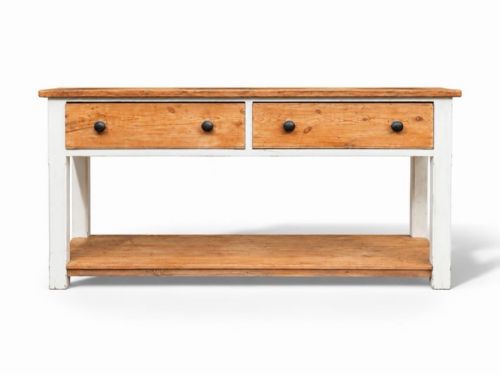
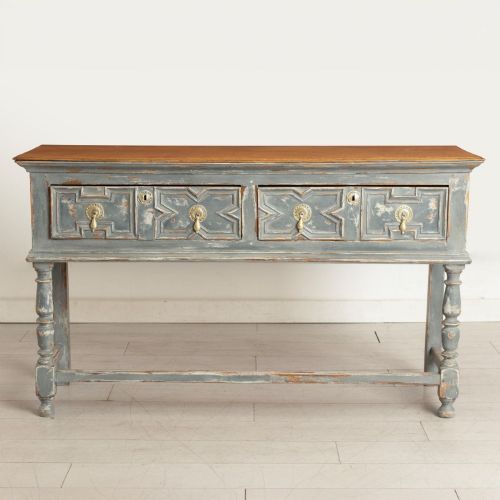
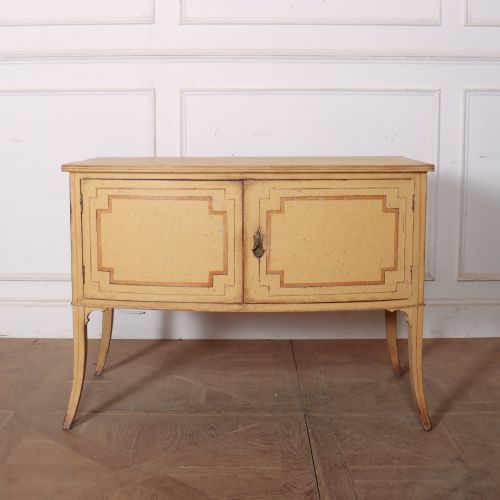
Buyers encounter varied configurations such as serving tables, console tables, and multi-door storage cupboards. The common thread uniting these objects is their functional storage capacity combined with a historic painted or lacquered exterior.
How they were made
Construction relies heavily on timber carcases, predominantly utilising pine and general wood for structural integrity. Master joiners employed traditional jointing methods to build sturdy potboard bases, cupboards, and serving tables capable of heavy domestic use.
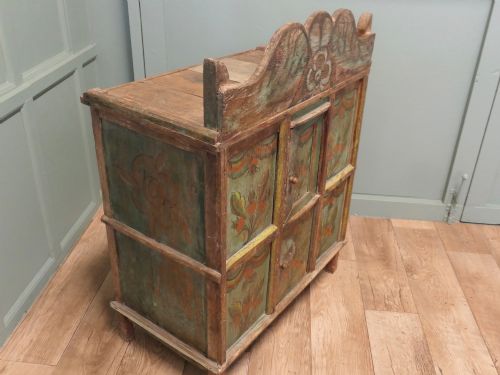
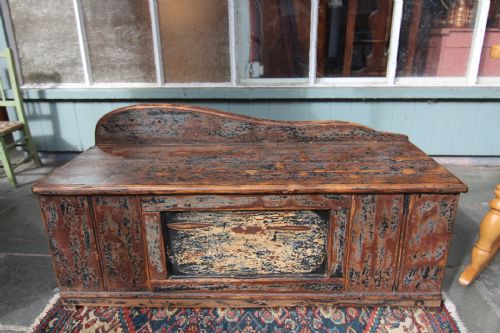
Surfaces received decorative treatments involving paint, lacquer, and polychrome detailing. Artisans applied floral decoration, hand-painted motifs, and regional folk art styles directly onto the prepared wood, often sealing the work with wax or protective varnishes.
Traditional Painted Sideboard Retail Price Guide 2026
Typical asking prices for traditional painted sideboard among the pieces listed under this phrase on Sellingantiques today, from the lower quarter to the upper quarter. They describe what is for sale here now, not the wider market.
Materials recorded across the inventory include pine, iron, brass, glass, lacquer, and traditional painted wood.
What varies in quality
Quality rests upon the integrity of the original construction and the preservation of the primary painted or lacquered surface. Pieces retaining their initial polychrome decoration, floral artistry, or regional folk art show greater fidelity to their period of origin.
The sophistication of the joinery and the balance of proportions distinguish exceptional examples from simpler utilitarian furniture. Finer items exhibit careful timber selection, stable carcases, and harmonious integration between the foundational woodwork and the decorative surface layer.
The Traditional Painted Sideboard Glossary
- Potboard dresser base
- A low sideboard or dresser base featuring an open lower shelf, known as a potboard, used historically for storing heavy kitchenware. This form is a staple of English country houses.
- Chinoiserie
- European decorative style inspired by Chinese artistic traditions, characterised by lacquered surfaces and painted motifs of figures, landscapes, birds, and flowers.
- Polychrome
- Decoration executed in multiple colours, frequently seen on folk art cupboards, barge boxes, and alpine furniture.
- Lacquered
- Finished with a hard, durable resin derived from sap, typically built up in multiple layers on oriental cabinets and console tables to create a glossy surface.
- Dresser base
- The lower section of a kitchen dresser, functioning independently as a sideboard or serving table with drawers and cupboards.
Traditional Painted Sideboard: Frequently Asked Questions
What is a traditional painted sideboard?
A traditional painted sideboard is a historic storage piece featuring a painted, lacquered, or polychrome wooden exterior. These items include dresser bases, serving tables, and cupboards originating from regional workshops and international traditions.
They combine practical enclosed or open shelving with decorative surfaces that reflect the folk art and interior styles of their respective periods.
Where were these pieces used?
Historically, these items served in kitchens, dining rooms, and hallways of country houses, farmhouses, and domestic dwellings. They provided essential storage for kitchenware, linens, and provisions while offering a sturdy surface for food preparation or serving.
Today, they function similarly in modern homes as dining room servers, hallway consoles, or living room storage cabinets.
How do I date a painted sideboard?
Dating relies on examining the timber construction methods, hardware, and the characteristics of the painted finish. Eighteenth-century and nineteenth-century pieces often display hand-cut joints, original timber shrinkage, and authentic period pigments.
Comparing the stylistic details, such as regional British country designs or nineteenth-century Chinoiserie motifs, helps narrow the production era.
How do I care for painted wood?
Maintain painted and lacquered surfaces by keeping them away from direct sunlight and extreme temperature fluctuations. Dust gently with a dry, soft cloth and avoid chemical cleaning agents that might damage historic finishes.
Occasional light application of appropriate wax, where the finish permits, helps preserve the integrity of the wood and paint.