

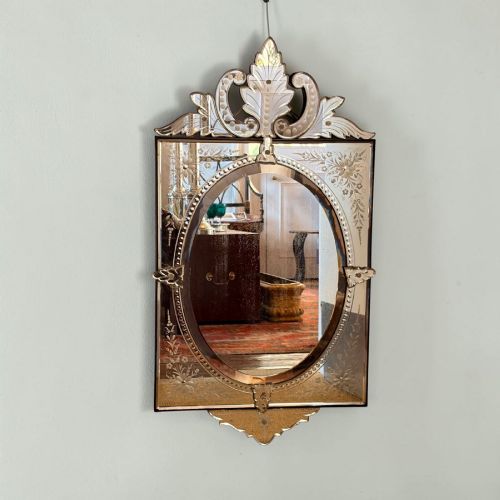
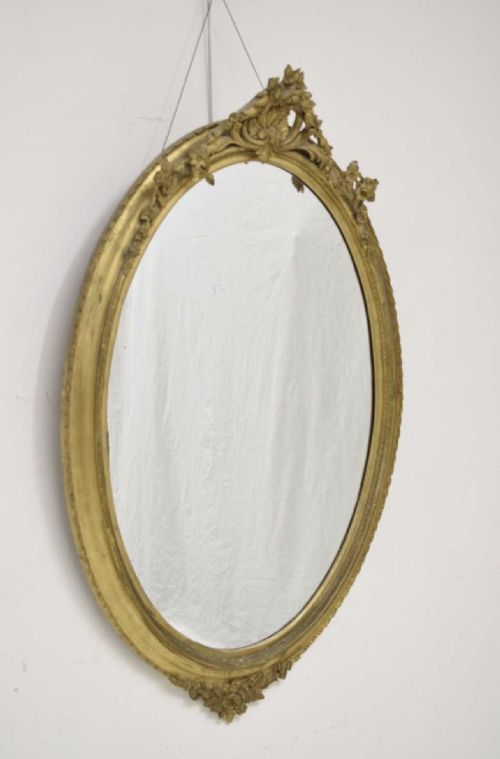
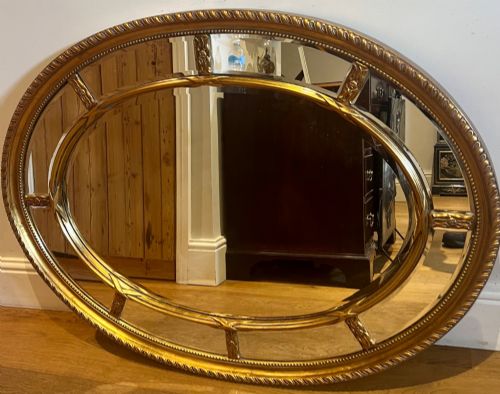

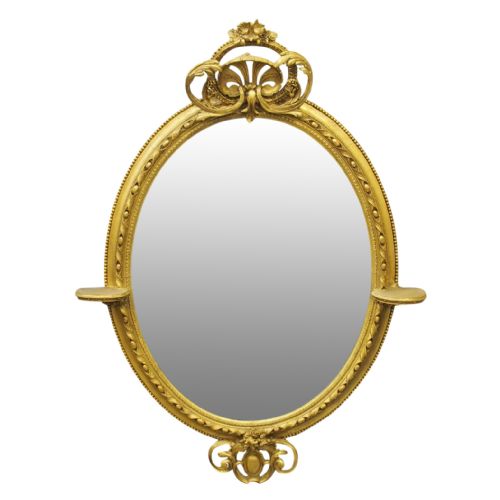

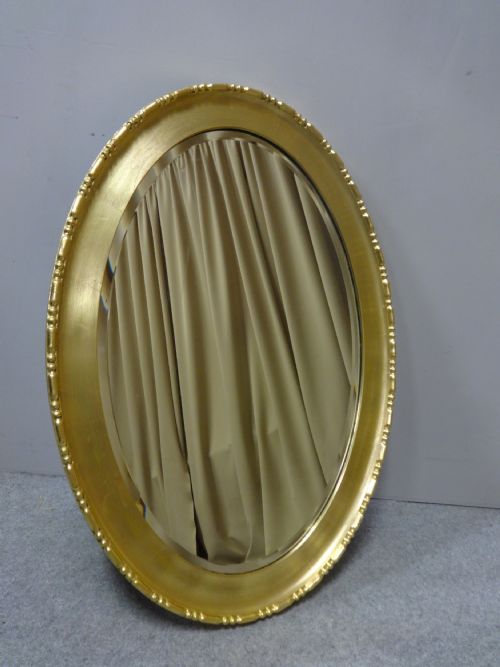


Traditional Oval Wall Mirror
A traditional oval wall mirror brings balance to a room with its curved frame and proportion.
Traditional Oval Wall Mirror
A traditional oval wall mirror provides a reflective surface bounded by a distinct frame, designed to hang vertically on a room divider or partition. These pieces date across various eras, including the nineteenth century and the Edwardian period, bringing classical lines to interior spaces.
Most examples found here utilise timber frames such as oak or ornate gilded plaster finishes like giltwood and gesso. Forms range from simple hanging wall mirrors to large overmantel mirrors and Venetian variants.
How they were made
Frames are constructed from woods like oak or carved softwoods coated in gesso before receiving a layer of gilding. Skilled artisans shaped the timber and applied decorative surface treatments by hand.
Glass panels feature bevelled edges where specified, fitted securely into wooden or plaster rebates at the rear. Simulated wood finishes and painted wood treatments also appear across the selection.
Traditional Oval Wall Mirror Retail Price Guide 2026
Typical asking prices for traditional oval wall mirror among the pieces listed under this phrase on Sellingantiques today, from the lower quarter to the upper quarter. They describe what is for sale here now, not the wider market.
The selection includes Venetian styles, French Rococo influences, and Jacobean Revival oak frames alongside standard wall mirrors.
What varies in quality
The depth and intricacy of the frame carving define the visual standard of the piece, with deep relief work on giltwood holding more presence than plain wooden borders. Original gilding and gesso integrity separate standard examples from finer works.
The clarity and condition of the mirror glass itself dictate historical authenticity, as older plates show subtle ageing characteristics. Frame construction stability and original backing materials also influence the character of the mirror.
The Traditional Oval Wall Mirror Glossary
- Giltwood
- Wood that has been coated with thin gold leaf or gold paint. This finish creates a bright reflective surface on the frame.
- Gesso
- A plaster mix applied to wood frames to create a smooth surface for gilding. It allows for detailed moulded decorations.
- Margin mirror
- A mirror featuring a central glass plate surrounded by smaller border panes. These plates are held together by decorative rosettes or strips.
- Overmantel mirror
- A large mirror designed to hang above a fireplace mantel. These pieces often feature extended horizontal or vertical proportions.
Traditional Oval Wall Mirror: Frequently Asked Questions
How do I hang a heavy giltwood oval mirror?
Heavy frames require secure wall fixings attached directly to structural studs or masonry using appropriate wall plugs and heavy-duty picture wire.
Ensure the weight of the mirror matches the load capacity of the chosen hanging hardware to prevent movement.
Where should I place an oval wall mirror?
An oval mirror suits narrow wall spaces, hallways, or above furniture pieces where a curved silhouette softens straight architectural lines.
Positioning the glass opposite a window helps reflect natural light deeper into the room.
How do I clean antique mirror glass?
Clean the glass gently using a soft microfibre cloth and a mild glass cleaner sprayed onto the cloth rather than directly onto the mirror.
Avoid letting moisture seep behind the frame edges to protect the backing and the silvered coating.