




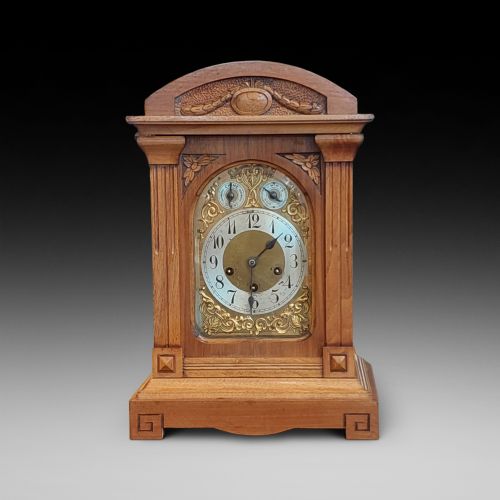
Traditional Oak Shelf
A traditional oak shelf brings honest utility and enduring warmth to any room, offering sturdy ledges for books, plates and daily wares.
Traditional Oak Shelf
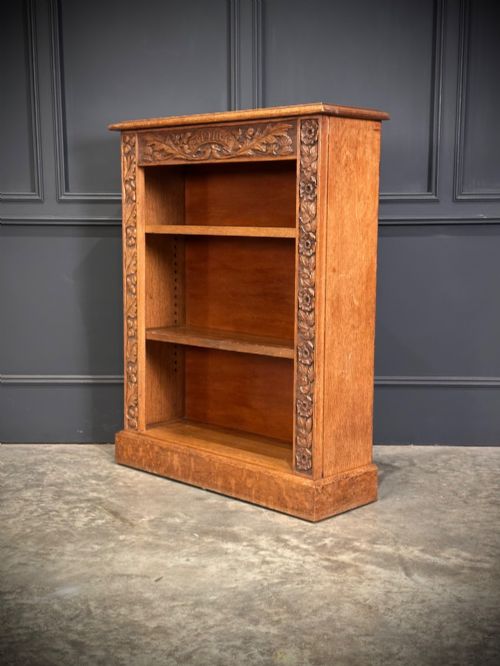
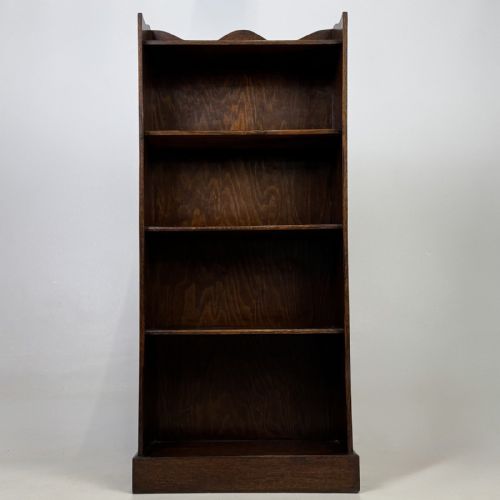
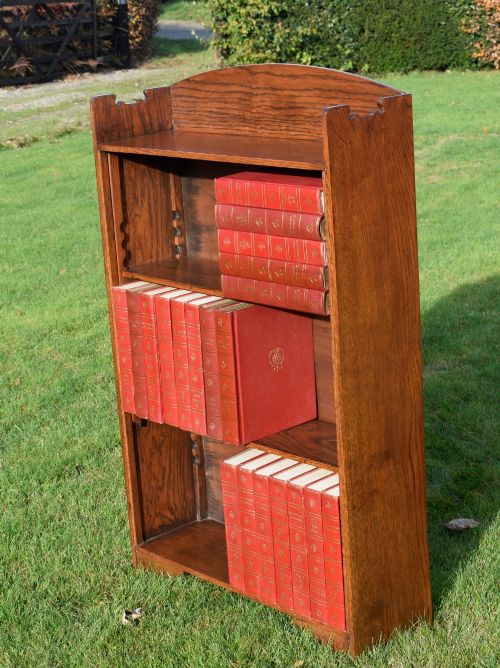
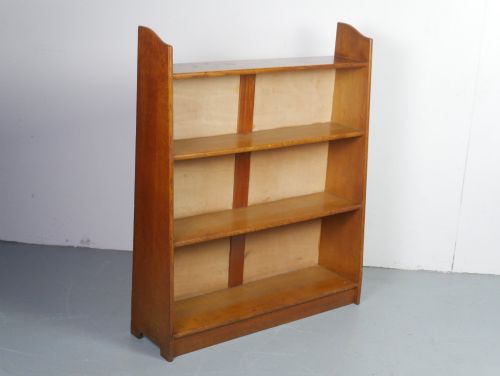
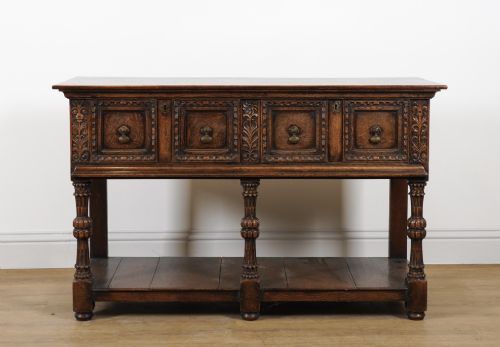
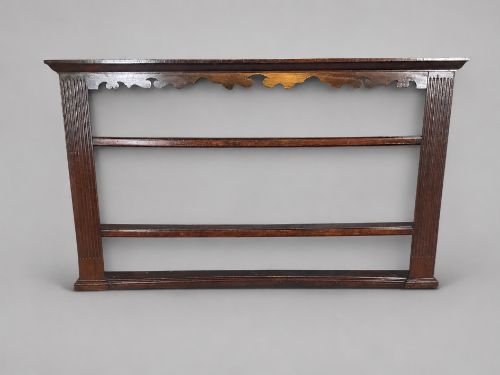
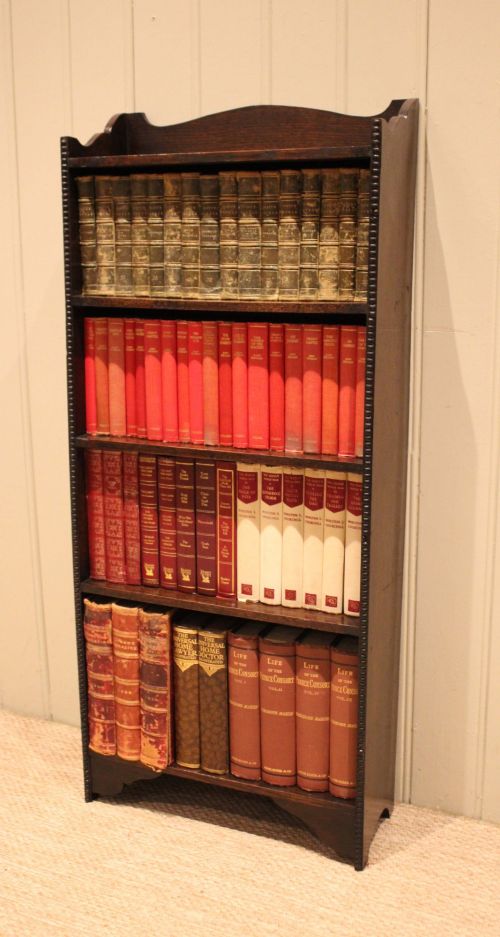
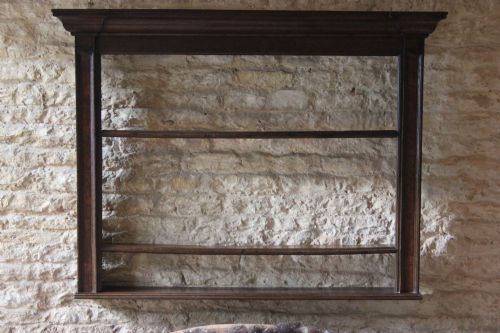
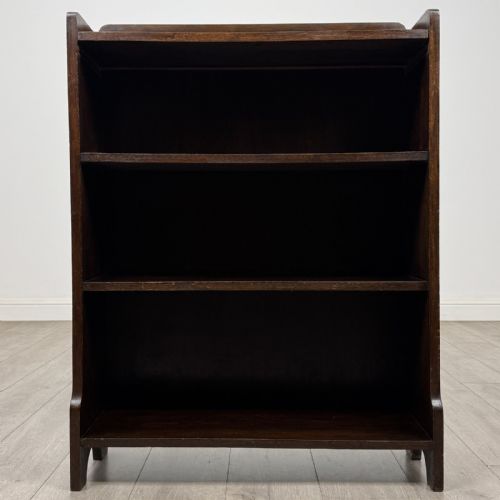
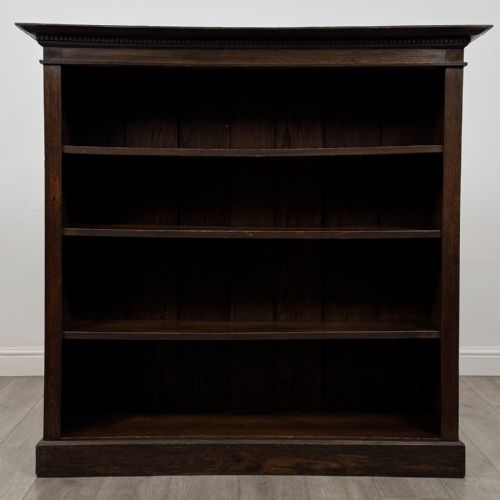
A traditional oak shelf typically takes the form of an open bookcase, a wall-mounted plate rack, or the upper section of a country dresser. These functional furnishings span from the Victorian and Edwardian eras into the early twentieth century, reflecting domestic needs for accessible storage.
The aesthetic draws heavily on English country, Arts and Crafts, and Jacobean revival styles. Pieces often feature simple, rectangular proportions supplemented by practical details such as adjustable shelves or raised galleries.
How they were made
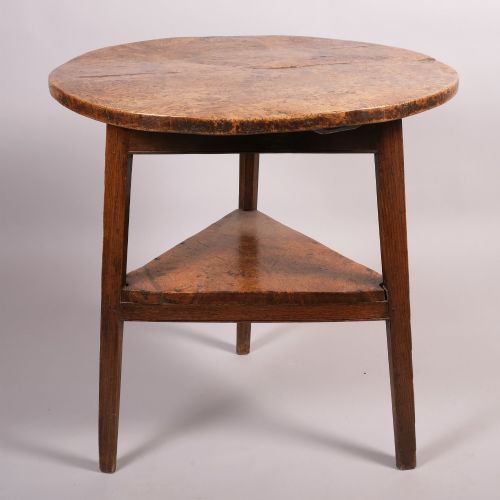
Cabinet makers relied predominantly on solid oak, frequently finished to highlight the timber's natural grain or darkened for a richer hue. Secondary materials such as brass, iron and glass appear in structural fittings, hinges and glazed doors.
Construction techniques prioritise longevity, utilising solid joints and substantial planks to bear the weight of books and ceramics. Decorative touches like dentil cornices, beaded edges and carved woodwork indicate thoughtful workshop practice.
Traditional Oak Shelf Retail Price Guide 2026
Typical asking prices for traditional oak shelf among the pieces listed under this phrase on Sellingantiques today, from the lower quarter to the upper quarter. They describe what is for sale here now, not the wider market.
Listings feature oak, brass, iron and glass across Victorian, Edwardian and early twentieth century domestic interiors.
What varies in quality
The grade of timber and the depth of the grain dictate the visual appeal of an oak shelf, with selected golden and dark oak surfaces displaying superior figure. Heavier construction and thoughtful architectural details, such as carved mouldings or raised galleries, separate standard utility pieces from finer examples.
Practical refinements like adjustable shelving mechanisms and robust wall-mounting hardware mark out superior craftsmanship. The integrity of the joints and the preservation of the original timber finish remain central to the overall standard of the piece.
The Traditional Oak Shelf Glossary
- Plate rack
- A wall-mounted or dresser-integrated frame designed to display plates upright. These fixtures utilise grooved ledges and protective rails to secure china safely.
- Open bookcase
- A piece of furniture consisting of horizontal shelves with no enclosing doors. This format allows immediate access to books and decorative objects.
- Dentil cornice
- A decorative moulding pattern composed of small, rectangular blocks spaced at regular intervals. It frequently tops Edwardian and Victorian bookcases.
- Raised gallery
- A low, protective railing fitted to the top surface of a shelf or bookcase. This feature prevents small items from sliding off the edge.
Traditional Oak Shelf: Frequently Asked Questions
How do I style a traditional oak shelf?
Pair the warm timber tones with neutral walls to let the natural grain stand out. Mix stacked books with ceramics and glassware for a balanced display.
Keep heavier volumes on the lower ledges to maintain physical stability and visual weight. Lighter decorative objects sit well on the upper shelves.
Are these shelves suitable for heavy books?
Many period bookcases feature thick oak boards and adjustable wooden supports designed for substantial libraries. Ensure the shelves rest securely on their original pins.
For wall-mounted racks, check that fixings anchor firmly into wall studs. Heavy volumes require robust support to prevent bowing over time.
How do I distinguish Edwardian oak from Victorian oak?
Victorian pieces often feature darker finishes and heavier, more ornate carving influenced by historic revivals. The proportions tend to be substantial and imposing.
Edwardian examples frequently showcase a lighter golden oak finish and cleaner lines. They often incorporate Arts and Crafts simplicity with restrained decorative elements.
How should I care for antique oak?
Dust the wood regularly with a dry, soft cloth to prevent grime buildup in the grain. Avoid placing the timber in direct sunlight or near heat sources.
Apply a quality beeswax periodically to nourish the surface and maintain its soft sheen. Keep moisture away from the unsealed underside of shelves.