



Traditional Oak Refectory Desk
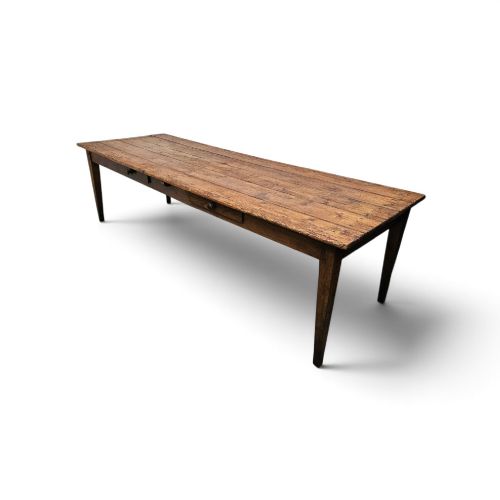
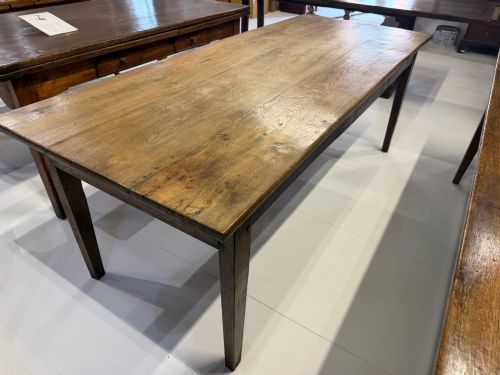
Traditional oak refectory desk forms are substantial timber surfaces built for communal dining and study, offering robust construction and enduring utility.
Traditional Oak Refectory Desk
Traditional oak refectory desk designs encompass heavy timber tables originating from monastic and domestic dining traditions, adapted through various historical revivals. Buyers seeking a traditional oak refectory desk typically encounter pieces dating from the nineteenth century into the early twentieth century, spanning Edwardian examples and specific revivalist movements.
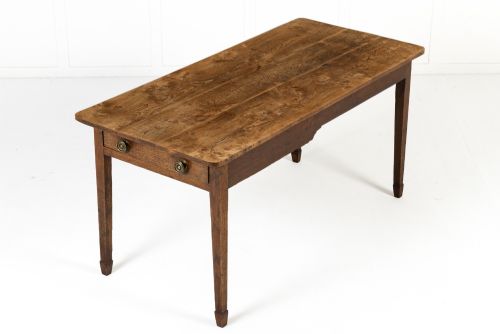
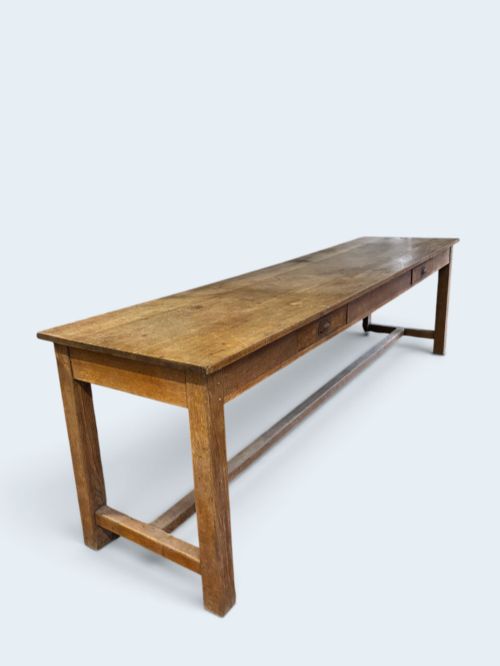
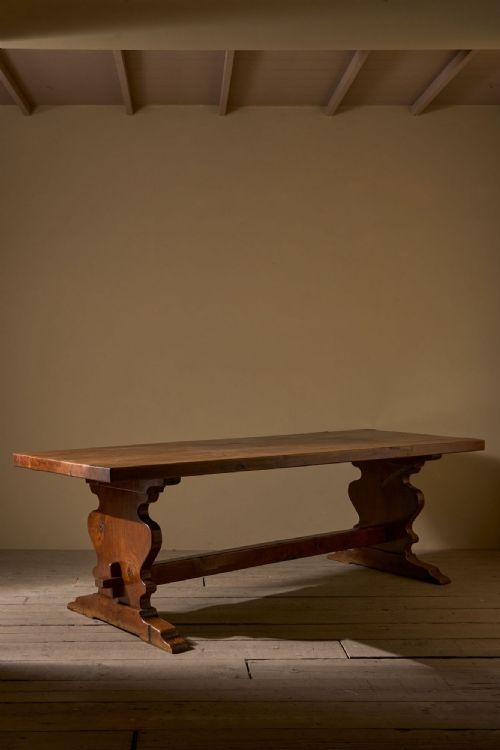
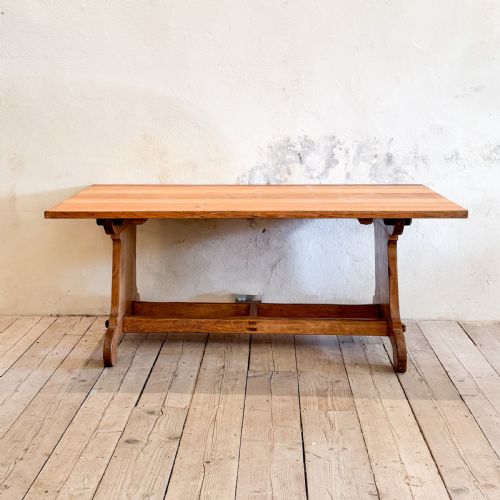
The inventory demonstrates forms styled as rustic farmhouse tables, abbey trestle tables, and serving tables alongside library and dining hybrids. Construction relies heavily on solid oak timbers, occasionally paired with beech components or iron hardware.
Origins represented in the current selection range from the mid nineteenth century through to the nineteen-twenties, incorporating Jacobean, Gothic, Renaissance, and Arts and Crafts stylistic influences.
How they were made
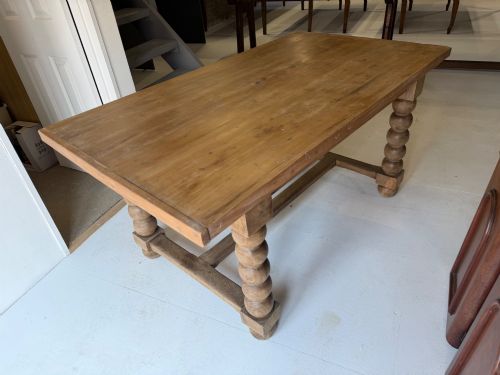
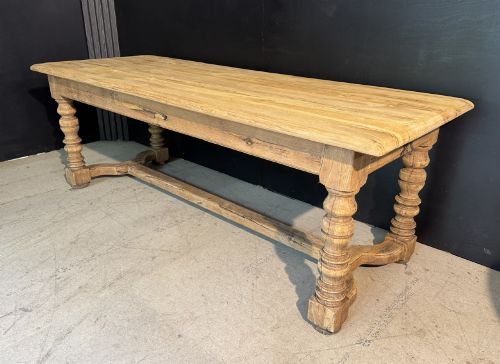
Makers utilised solid oak planks for the primary top surfaces and structural frames, frequently selecting timber with visible grain and natural figuring. Beech occasionally supported secondary components such as bobbin legs, while iron hardware provided structural reinforcement.
Joinery methods relied on traditional timber framing techniques suited to heavy domestic use. Surfaces received hand-carved detailing in revival styles, or alternatively, bleaching and natural finishes to highlight the timber grain.
Traditional Oak Refectory Desk Retail Price Guide 2026
Typical asking prices for traditional oak refectory desk among the pieces listed under this phrase on Sellingantiques today, from the lower quarter to the upper quarter. They describe what is for sale here now, not the wider market.
Some tables include hidden drawers for storing serving linens, proving that historical diners appreciated a tidy tabletop just as much as modern hosts.
What varies in quality
Quality differences emerge in the selection of primary timbers, where dense solid oak construction and thoughtful grain matching distinguish superior examples from simpler utilitarian builds. The weight and thickness of the timber top directly influence the structural integrity and historical character of the piece.
Execution of decorative elements such as hand carving and turned supports demonstrates the skill of the maker. Finer examples integrate stylistic revivals with balanced proportions, while simpler pieces rely on plain rectangular or trestle forms.
The Traditional Oak Refectory Desk Glossary
- Refectory table
- A long dining or serving table historically used in monastic dining halls. These pieces typically feature linear proportions and substantial underframing.
- Trestle table
- A table configuration where the top is supported by two or more upright structures connected by a horizontal stretcher. This design provides maximum legroom along the length of the surface.
- Jacobean Revival
- A nineteenth-century stylistic movement imitating early seventeenth-century English furniture. Pieces in this style often incorporate geometric mouldings, turned legs, and dark finishes.
- Gothic Revival
- An architectural and decorative style popular in the nineteenth century. Furniture from this period displays pointed arches, tracery, and medieval architectural motifs.
- Bobbin leg
- A turned furniture leg shaped to resemble a series of bobbins or spools strung together. This decorative turning technique appears frequently on seventeenth-century and later revival seating and tables.
Traditional Oak Refectory Desk: Frequently Asked Questions
What defines a traditional oak refectory desk?
These pieces are long, sturdy timber tables built for communal eating and working, drawing on historical monastic and domestic forms.
Surviving examples available today mostly date from the nineteenth century and the early twentieth century, reflecting various historical revival movements.
How were these tables originally used?
Historically, large oak tables served communal dining halls, abbeys, and large country houses where many people gathered for meals.
Over time, similar heavy timber forms transitioned into domestic dining rooms, libraries, and serving spaces for food preparation.
How do I care for solid oak furniture?
Solid oak benefits from regular dusting with a dry cloth and occasional treatment with suitable natural waxes to nourish the timber grain.
Keeping timber surfaces away from direct heat sources and excessive moisture prevents warping and protects the historical finish.
How can I tell different historical periods apart?
Stylistic clues such as Gothic arches, Jacobean turned supports, or Arts and Crafts simplicity help indicate which revival period inspired the maker.
Construction details, timber patination, and hardware types further assist in distinguishing mid-nineteenth-century items from Edwardian or later pieces.