

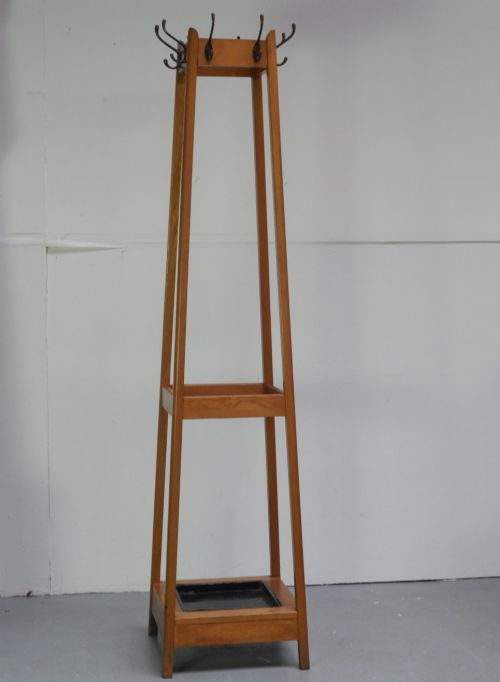
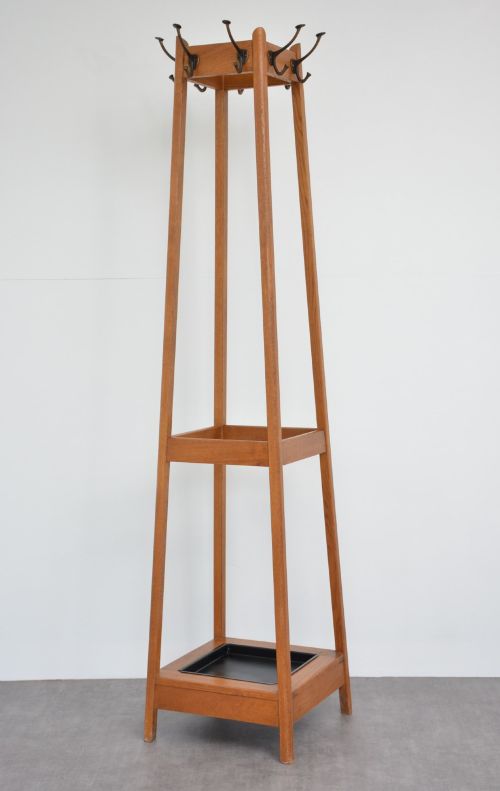
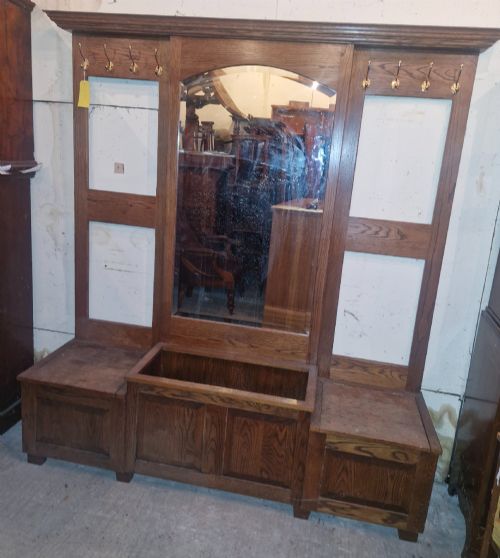

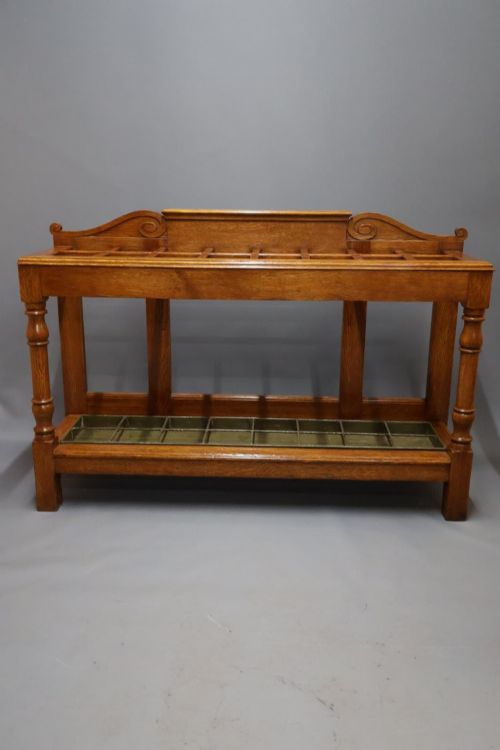

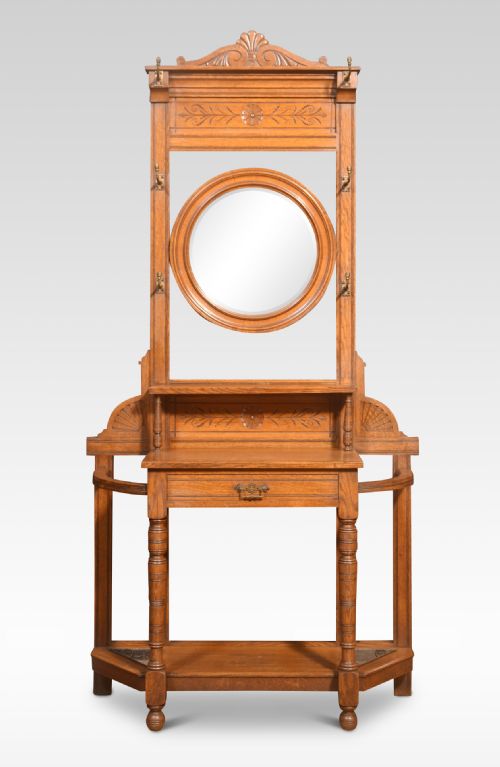


Traditional Oak Hall Rack
A traditional oak hall rack gathers hats, coats, and wet umbrellas right by the front door, keeping the hallway tidy.
Traditional Oak Hall Rack
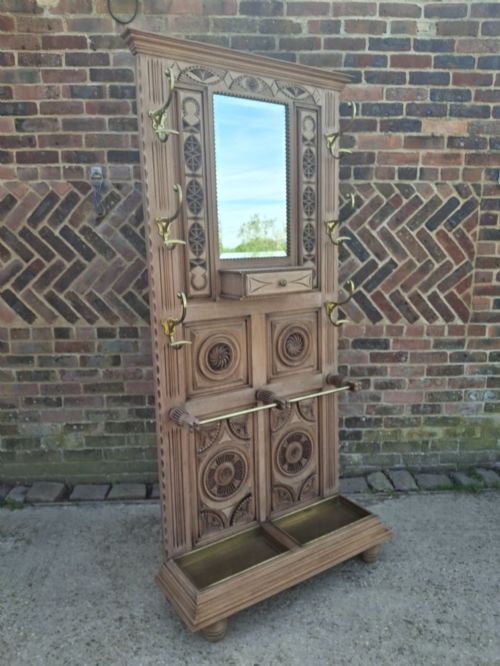
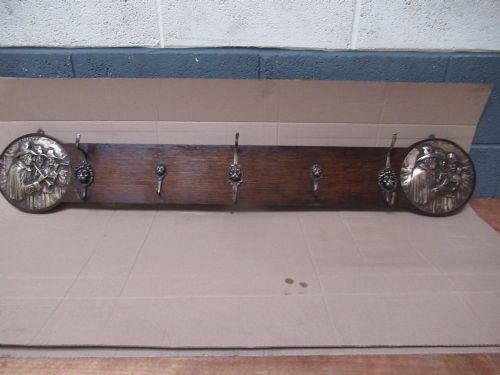
A traditional oak hall rack serves as a practical entrance piece combining hooks, umbrella holders, and sometimes a seat or mirror. These items organise daily outdoor wear in domestic hallways.
The selections span the Victorian, Edwardian, and twentieth-century periods, including Arts and Crafts designs and English Country House pieces. Golden oak and dark oak predominate across the various forms.
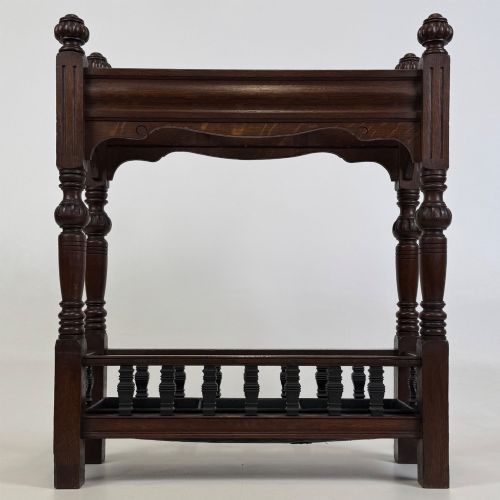
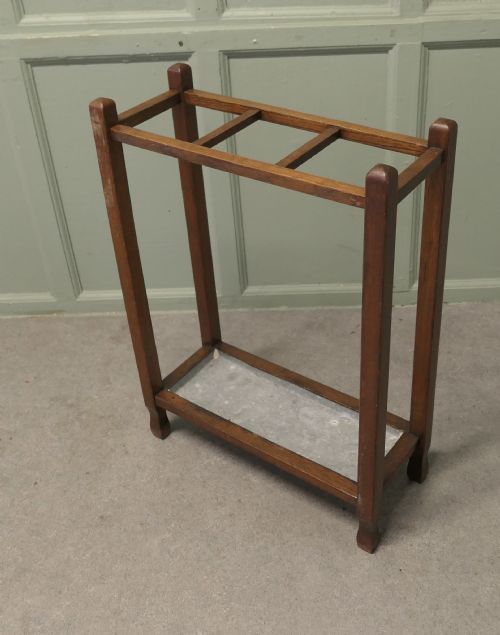
Buyers encounter hall stands, stick stands, umbrella stands, coat stands, and multi-functional hall seat stands. These versatile items reflect the functional needs of historic hallways.
How they were made
Craftsmen built these items primarily using solid oak, often enhanced with brass, iron, cast iron, or zinc for hooks, rails, and drip trays. Metal fixtures provide durable support for heavy coats and wet umbrellas.
Construction techniques combine traditional woodworking joinery with functional hardware integration. Styles range from plain utilitarian country house carpentry to the distinctive decorative touches of the Arts and Crafts movement.
Traditional Oak Hall Rack Retail Price Guide 2026
Typical asking prices for traditional oak hall rack among the pieces listed under this phrase on Sellingantiques today, from the lower quarter to the upper quarter. They describe what is for sale here now, not the wider market.
Listings feature oak combined with metal, brass, glass, zinc, and iron across Victorian, Edwardian, and mid-twentieth-century periods.
What varies in quality
Quality separates through the integrity of the timber, the weight of the oak, and the originality of the metal fittings. Hand-worked brass hooks and integrated drip trays elevate certain examples above standard utility pieces.
Stylistic detail distinguishes basic hall stands from refined Arts and Crafts or Liberty-esque creations. Better examples exhibit careful attention to proportion, robust construction, and well-preserved surface finishes.
The Traditional Oak Hall Rack Glossary
- Hall Stand
- A substantial hallway furniture piece combining coat hooks, umbrella wells, and frequently a central mirror or bench seat. It acts as the primary reception furniture for entrance halls.
- Stick Stand
- A compact furniture item designed specifically to hold walking sticks, canes, and umbrellas upright. These often incorporate a metal tray at the base to catch dripping water.
- Arts and Crafts
- A design movement valuing handcraftsmanship, simple forms, and honest materials over mass production. Pieces in this style often display visible construction details and quality metalwork.
- Drip Tray
- A shallow metal basin placed at the base of an umbrella stand to protect wooden floors from moisture. These are typically fashioned from zinc, brass, or iron.
Traditional Oak Hall Rack: Frequently Asked Questions
What is a traditional oak hall rack?
A traditional oak hall rack is a multi-functional piece of hallway furniture designed to hold coats, hats, and walking sticks or umbrellas near an entrance. These items help keep entryways organised by consolidating outdoor accessories into a single wooden structure.
Most examples include wall-mounted or freestanding frames fitted with metal hooks and dedicated lower wells for wet items. Some variations also incorporate mirrors, small storage boxes, or integrated bench seating.
How do I care for oak hall furniture?
Maintaining oak hall furniture involves dusting regularly with a soft cloth and occasionally feeding the wood with a traditional wax. Keeping the timber away from direct heat sources prevents the wood from drying out or splitting.
Metal components such as brass hooks and iron drip trays benefit from gentle cleaning to prevent tarnishing or rust accumulation. Ensuring that wet umbrellas do not sit in standing water for prolonged periods protects the base timbers.
Where should I place a hall stand?
A hall stand belongs directly in an entrance hallway, porch, or boot room where people enter the home. Placing the piece near the main threshold makes it convenient for dropping off coats and wet umbrellas immediately upon arrival.
Sufficient floor space and wall clearance are necessary to ensure freestanding or multi-functional stands remain stable and accessible. Adequate room allows users to utilise hooks and seats comfortably without crowding the passageway.
How do I date an oak hall rack?
Dating an oak hall rack involves examining the construction methods, fastener types, timber patination, and stylistic cues. Pieces from the Victorian and Edwardian eras often display specific decorative flourishes, while mid-century or industrial examples feature distinct utilitarian metalwork.
Design movements such as Arts and Crafts provide further chronological markers through characteristic hardware and joinery. Comparing the overall form against known historical periods helps narrow down the manufacturing era.