


Traditional Metal Light Fixture
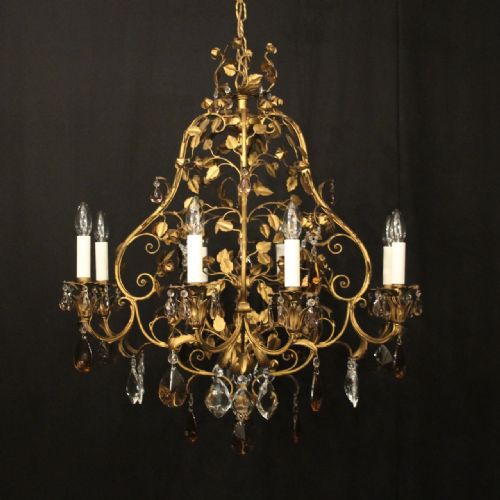
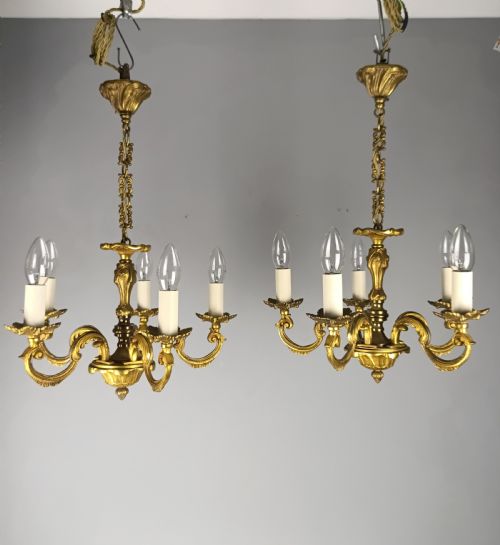
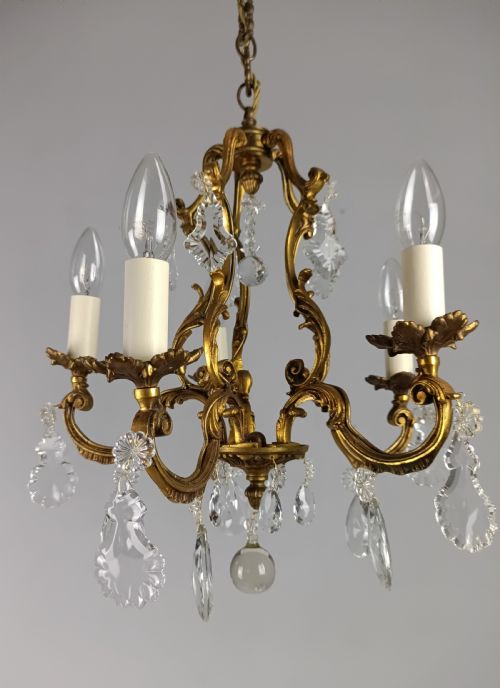
These traditional metal light fixtures bring centuries of brass, bronze, iron and crystal illumination into domestic spaces.
Traditional Metal Light Fixture
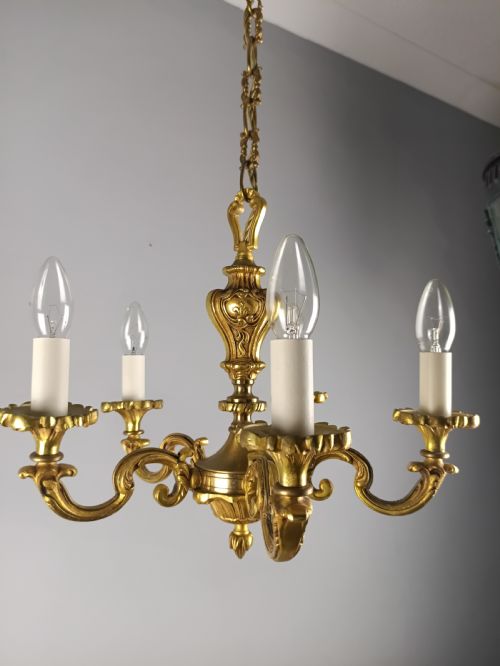
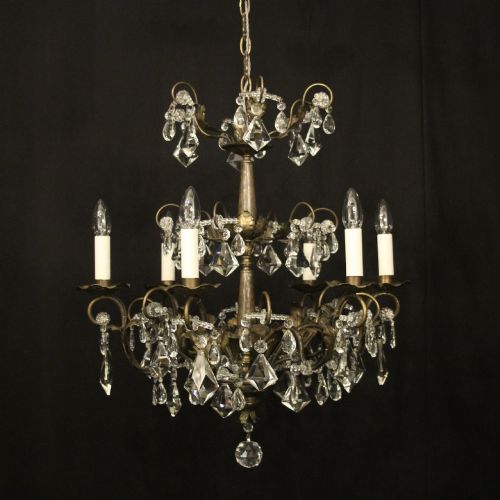
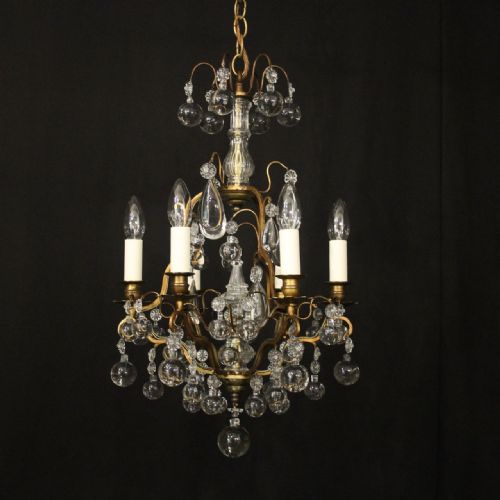
A traditional metal light fixture encompasses chandeliers, wall lights, ceiling lights, table lamps, hall lanterns and hanging lanterns spanning from the eighteenth century through to the nineteen-thirties. Buyers examining this page encounter pieces originating from English, French, Dutch, Flemish and Italian workshops.
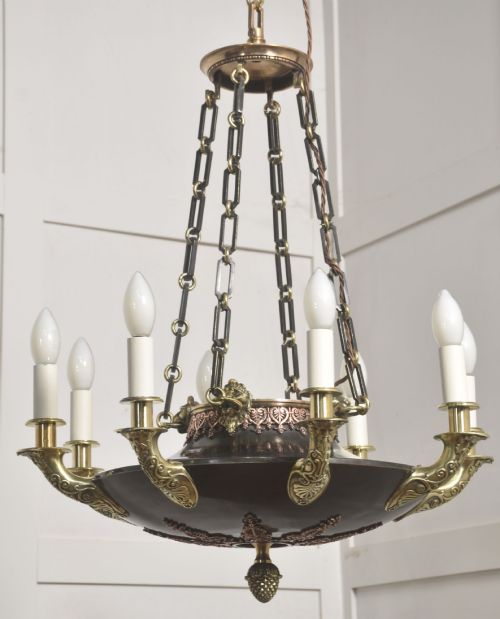
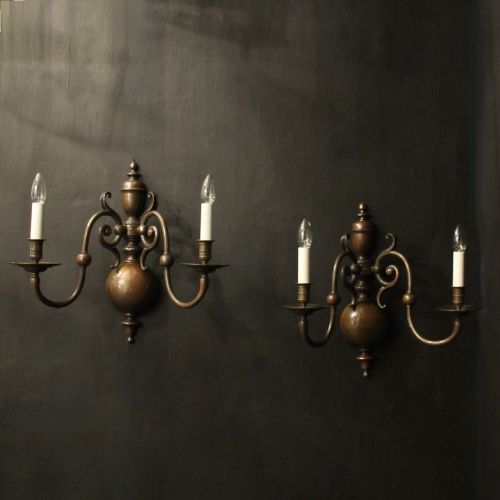
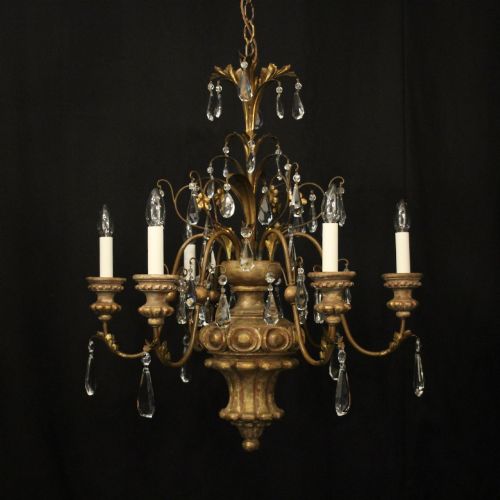
The selection leans heavily toward twentieth-century production, particularly the nineteen-twenties and nineteen-thirties, alongside nineteenth-century examples and earlier survivals. Common configurations include multi-armed chandeliers and wall sconces styled after French Rococo, Florentine Baroque, and Empire Revival aesthetics.
Materials and Techniques
Metalworking techniques shape these pieces, utilising cast bronze, wrought iron, beaten copper, and spun brass alongside silvered, gilded, or plated finishes. Frames are constructed through casting, forging, and soldering individual metal components together.
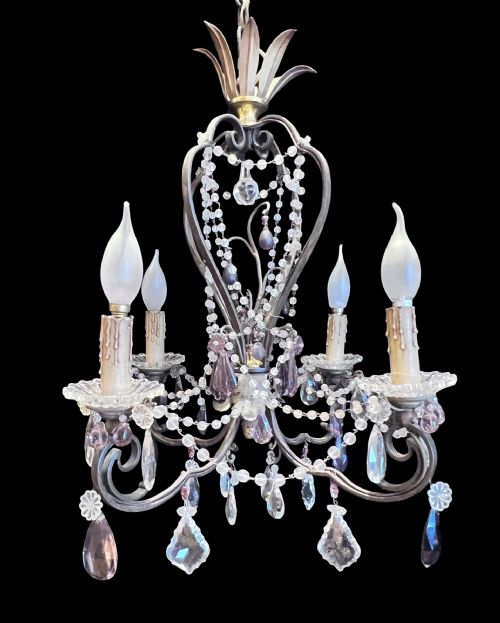
Glass elements frequently complement the metal framework, ranging from clear and coloured crystal drops to toleware sections and protective glass panels on lanterns. Assembly typically involves mechanical fastenings such as pins, screws, and wire loops to secure crystal festoons and bobeches.
An outdoor porch light hides cheerful shamrocks within its nineteenth-century metalwork.
Craftsmanship and Proportion
Quality reveals itself in the crispness of metal casting and the depth of surface gilding or plating. Finer examples display hand-chased detail on bronze and brass components rather than soft, mass-produced contours.
Proportion and structural balance separate standard production from superior work. Well-designed fixtures maintain harmonious spacing between light branches and integrate glass or crystal elements without visual clutter.
G.E.C
The Traditional Metal Light Fixture Glossary
- Chandelier
- A branched ceiling-mounted lighting fixture designed to hold multiple candles or electric lamps. These multi-arm units form the primary centrepiece of grand rooms.
- Toleware
- Painted or lacquered sheet metal items used for decorative light bodies and shades. This technique introduces colour and pattern into metalwork compositions.
- Bobeche
- A small collar or drip pan fitted beneath the candle nozzle to catch melting wax. They often feature pendant crystal drops in more ornate examples.
- Candelabra
- A branched candlestick holder that is occasionally converted into table lamps. These pieces retain their traditional form while adapting to modern wiring.
- Hall Lantern
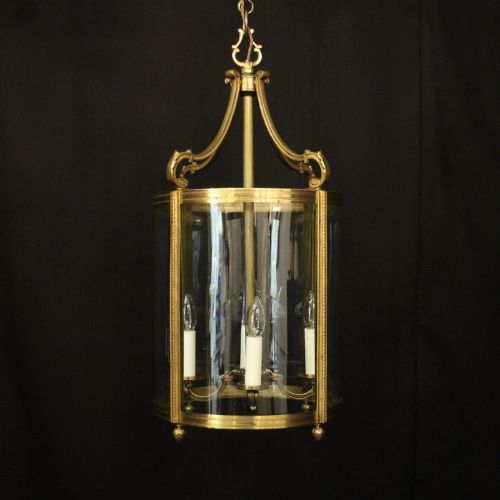
- An enclosed hanging light designed for entranceways and corridors. They frequently combine glass panels with decorative metal frames in brass, copper, or bronze.
Traditional Metal Light Fixture: Frequently Asked Questions
How do I install a heavy antique chandelier?
Heavy metal and crystal fixtures require secure anchorage directly into ceiling joists using rated steel fixings rather than standard plaster plugs. Professional installation ensures the structural weight is supported safely.
Electrical wiring must also be assessed by a qualified electrician to match the capacity of the fixture, particularly when dealing with converted pieces or older metal frames.
Can these fixtures be adapted for modern ceilings?
Most antique metal light fixtures accommodate modern electrical standards with straightforward rewiring by a specialist. Internal channels and ceiling roses can be adapted without altering the visible exterior.
Height adjustments are managed using matching suspension chains or rods, allowing older pieces to suit contemporary ceiling clearances.
How should I clean antique brass and bronze?
Maintenance requires gentle dusting with a soft brush and dry cloth to preserve aged patinas on bronze, brass, and copper surfaces. Abrasive cleaners strip away historical finishes and damage delicate gilding.
Glass and crystal components can be washed in warm soapy water while detached from the metal frame, then dried thoroughly before reattachment.
What defines an Empire Revival lighting fixture?
Empire Revival lighting draws upon classical nineteenth-century motifs, featuring symmetrical metalwork, laurel wreaths, and neoclassical ornamentation. These designs reflect earlier Napoleonic tastes reinterpreted by later makers.
They frequently combine gilded bronze or brass with disciplined geometric arrangements and classical drapery motifs in the metal framing.