

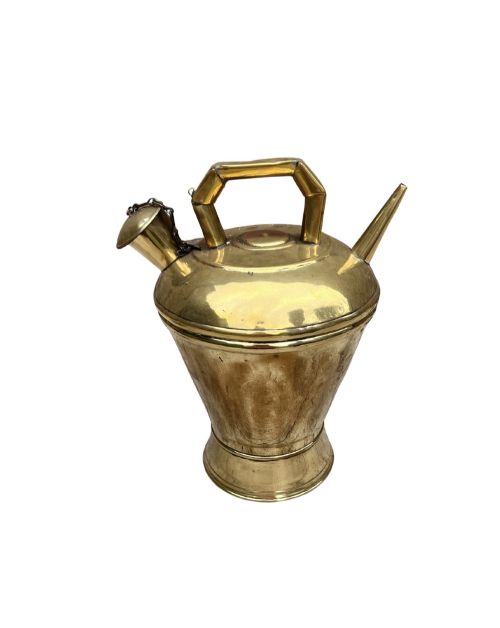
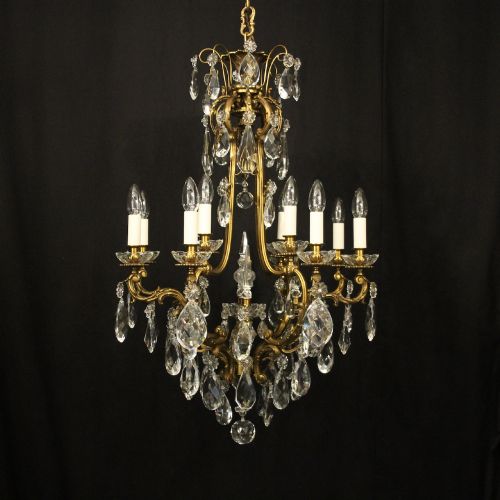
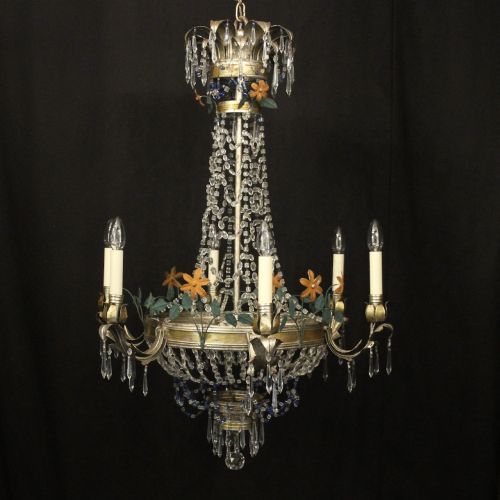
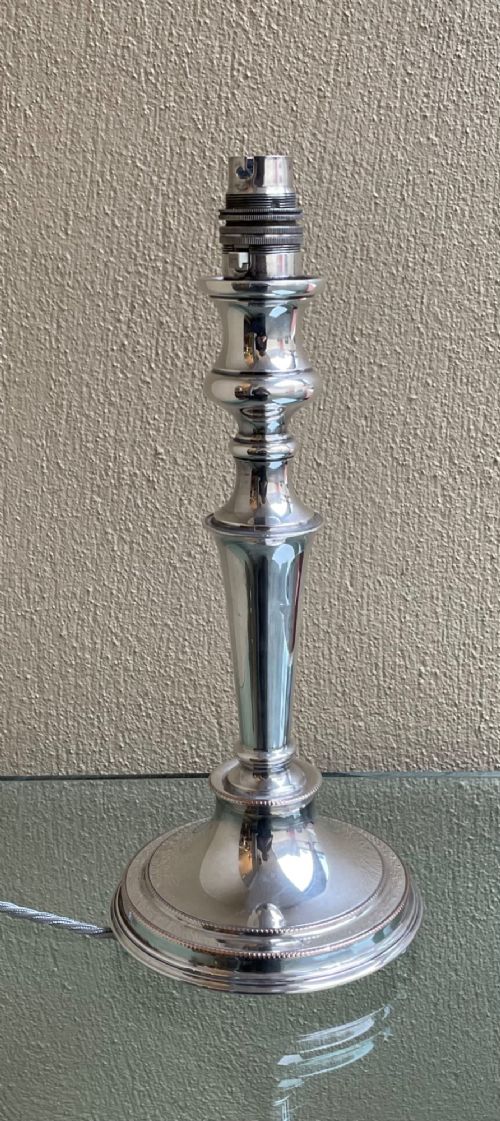



Traditional Metal Lamp
These traditional metal lamp designs illuminate spaces with durable brass, bronze, copper and silver plate across centuries of domestic lighting history.
Traditional Metal Lamp
A traditional metal lamp brings period character through functional illumination, spanning heavy floor standards, delicate desk lights and grand hanging chandeliers.
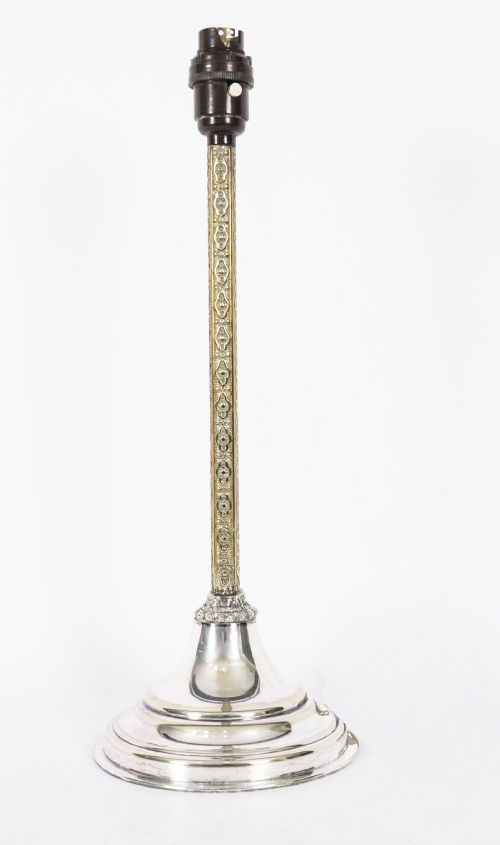
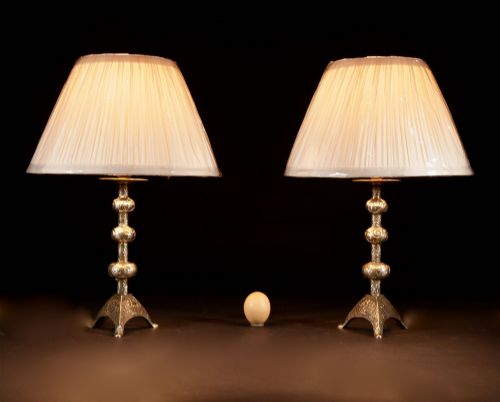
The selections here most commonly present as brass or silver-plated table lamps alongside wrought iron standards and copper lanterns originating from Victorian and Edwardian decades.
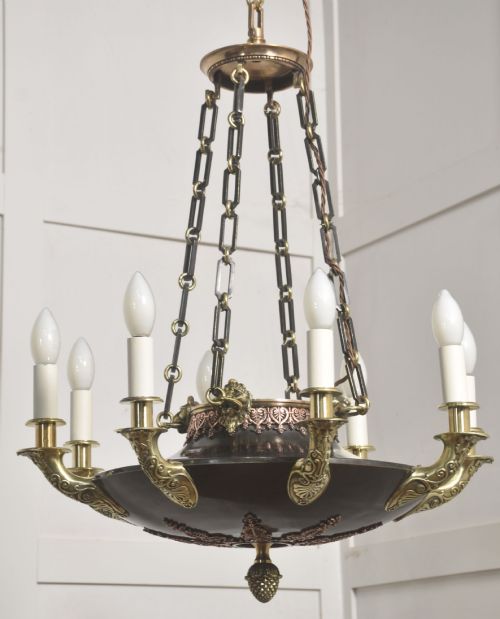
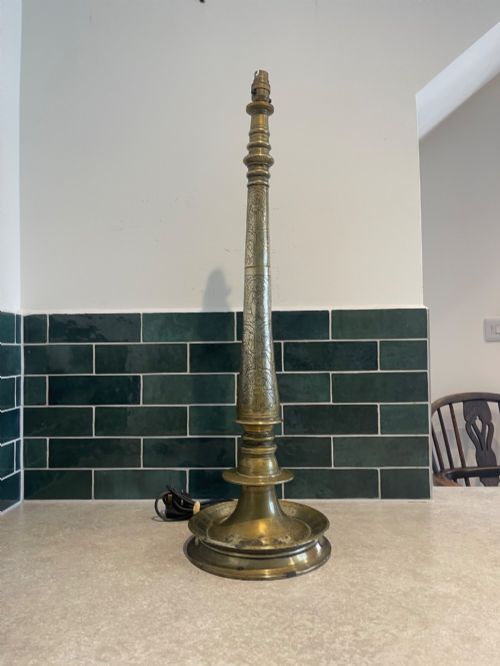
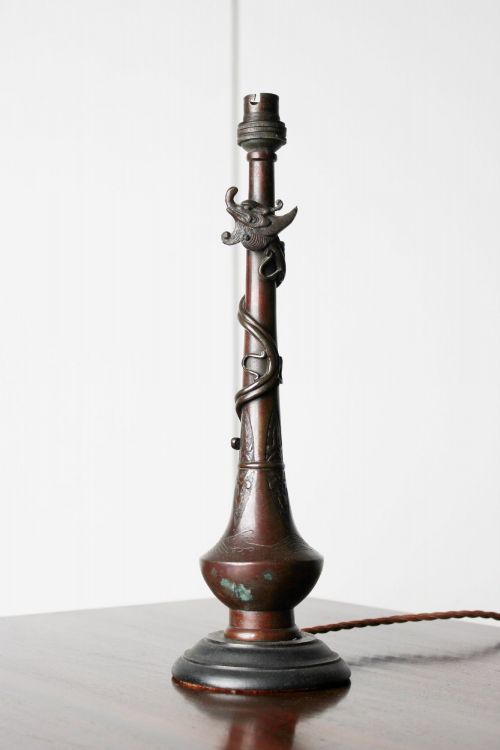
Makers utilised diverse global styles including French Empire, Chinoiserie and Anglo-Indian motifs to shape these functional metal objects into decorative centerpieces.
How they were made
Artisans forged structural components from cast bronze, hammered copper and heavy brass, frequently applying silver plate, gilding or painted toleware finishes for visual depth.
Many hanging and wall-mounted fixtures incorporate intricate glass crystals or cut glass panels held securely within metal armatures.
Floor and desk models often integrated adjustable mechanical arms, weighted circular bases or turned columns to ensure stability during daily domestic use.
Traditional Metal Lamp Retail Price Guide 2026
Typical asking prices for traditional metal lamp among the pieces listed under this phrase on Sellingantiques today, from the lower quarter to the upper quarter. They describe what is for sale here now, not the wider market.
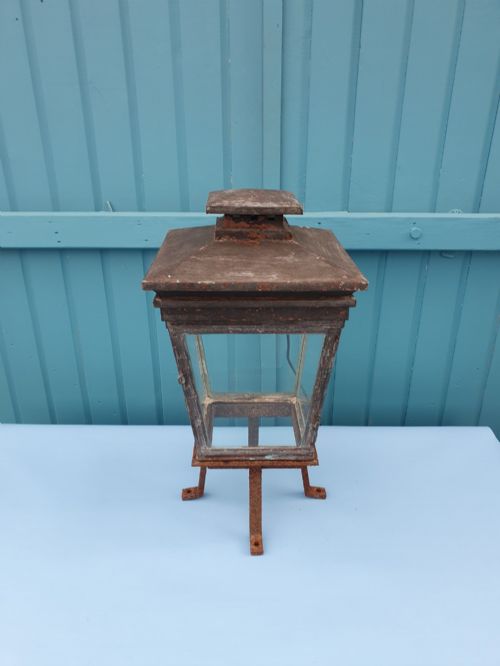
Several outdoor lanterns survived decades on building exteriors before moving indoors to illuminate hallways.
What varies in quality
The distinction between standard domestic lighting and exceptional pieces lies in the crispness of cast ornamentation and the weight of the base metal utilised.
Subtle details such as hand-chased surface decoration on bronze components or intact parcel-gilt finishes elevate a standard fixture into an accomplished decorative work.
Mappin and Webb·G.E.C
The Traditional Metal Lamp Glossary
- Toleware
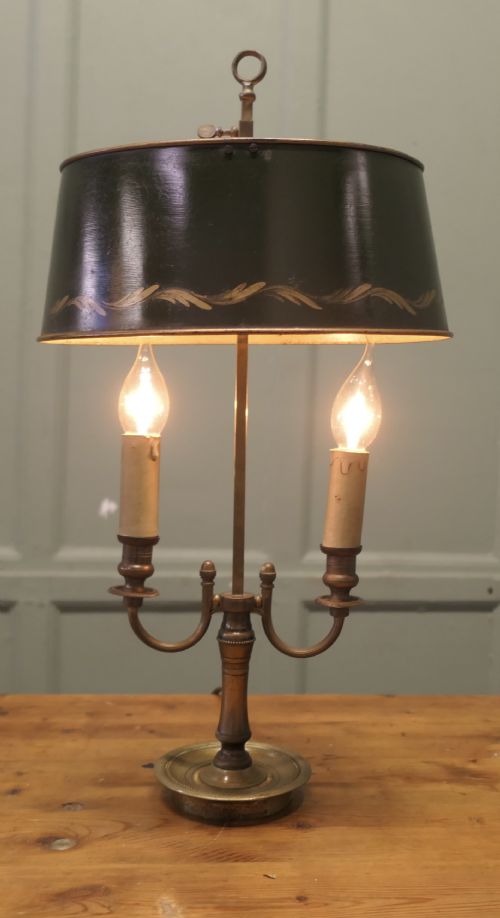
- Painted or lacquered sheet metal items, frequently finished in deep green or black with gold highlights, commonly found on bouillotte desk lamps.
- Ormolu
- Gilded bronze, often cast with floral or scroll motifs and finished with mercury gilding characteristic of French decorative arts.
- Bouillotte lamp
- A shaded desk or table lamp featuring multiple candle arms rising from a central saucer-like metal tray.
- Standard lamp
- A tall floor-standing lighting fixture, typically constructed from heavy brass, bronze or wrought iron with an adjustable arm.
- Parcel gilt
- An object partially covered with thin gold leaf or gilt, highlighting specific decorative sections against a contrasting metal surface.
Traditional Metal Lamp: Frequently Asked Questions
How do I identify a Victorian metal lamp?
Victorian metal lamps typically display heavy cast bronze, copper or silver-plated surfaces with period revival styles like Romanesque or Gothic influences. Their construction relies on substantial metalwork built to withstand daily use.
Many examples from this era show conversion history, having transitioned from oil or gas burning mechanisms to modern electrical wiring while retaining their original patination.
Were these lamps originally electrified?
Many listed lamps began life as gas or oil burners, or functioned as candle-lit candelabra before conversion to electricity during the twentieth century. This adaptation preserves the original metal body while accommodating modern domestic requirements.
Converted carriage lamps, hall lanterns and bouillotte desk lights retain their period mounts and burners alongside updated internal wiring.
Where should I place a standard lamp?
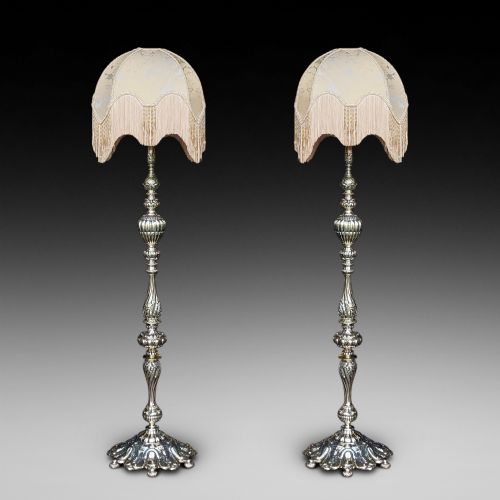
Wrought iron and heavy brass standard lamps suit corners of reception rooms where their adjustable arms can direct light downward for reading or task work. Their substantial height and weighted bases anchor them securely in larger interior spaces.
Pairing these floor standards with complementary table lamps or wall lights creates layered illumination across a room.