

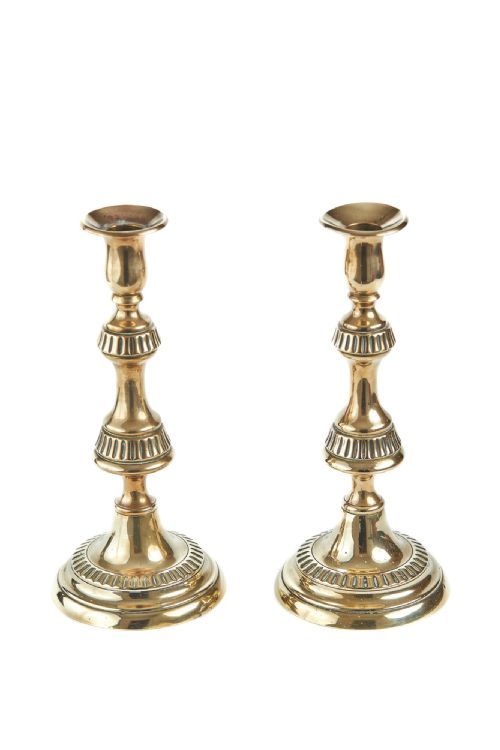


Traditional Metal Candleholders
Traditional metal candleholders bring enduring warmth to a room, offering functional illumination shaped by centuries of domestic craftsmanship.
Traditional Metal Candleholders
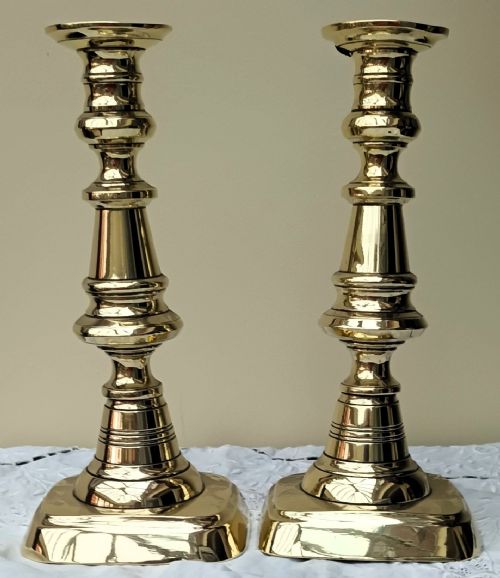
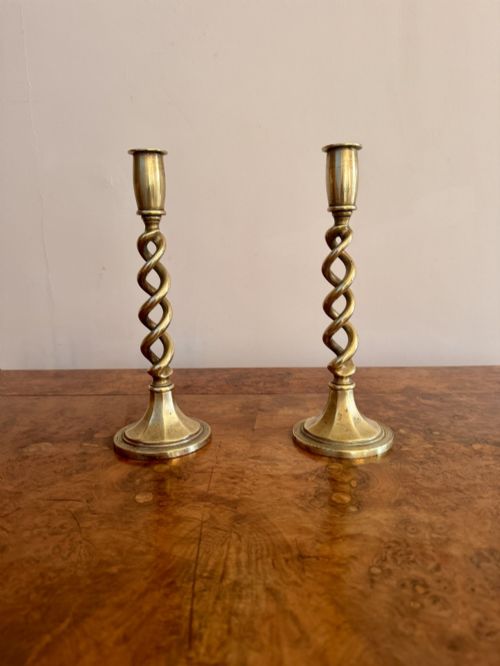
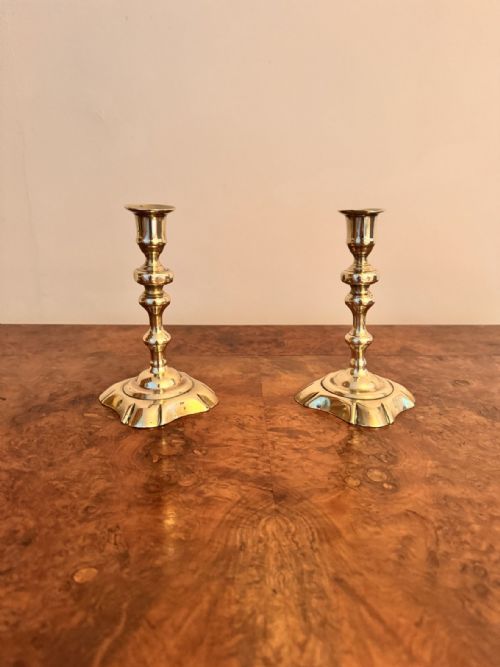
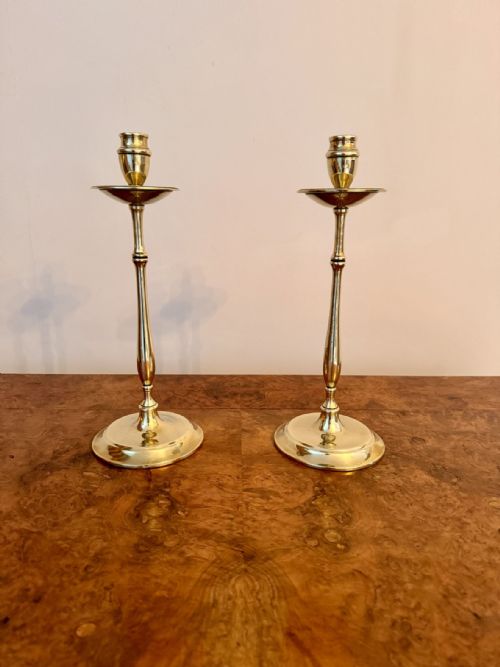
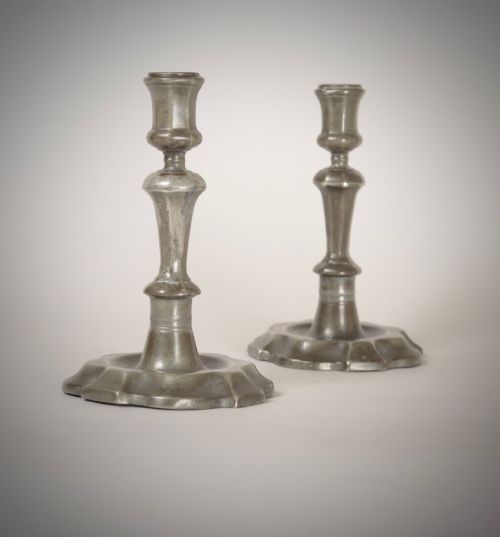
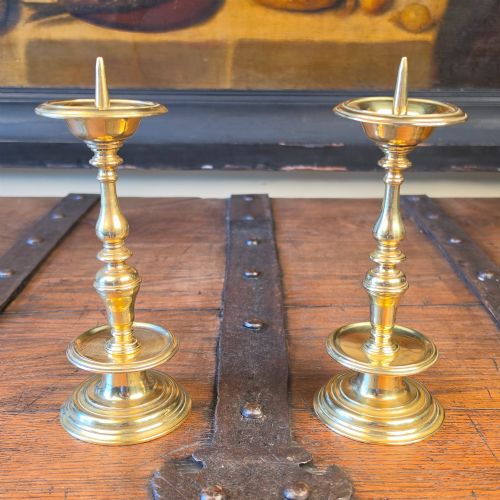
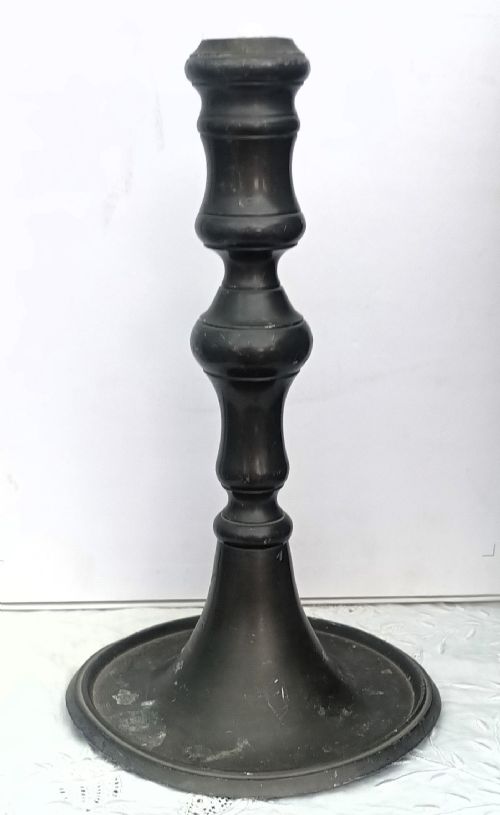
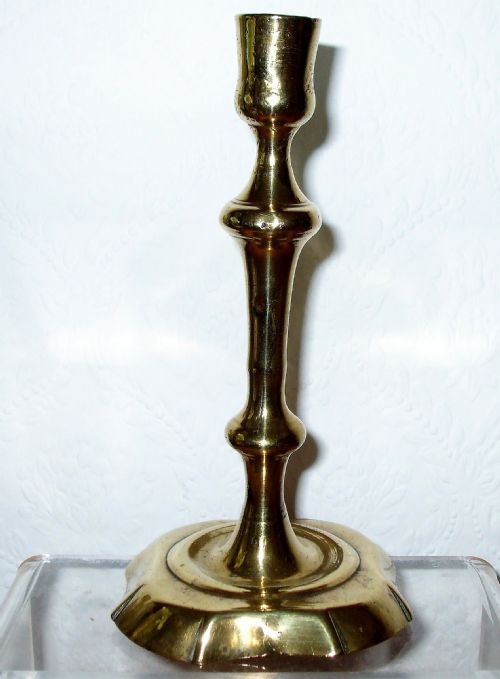
Traditional metal candleholders encompass candlesticks, chambersticks, and candelabras spanning the seventeenth to the twentieth centuries. Buyers seeking these pieces will frequently encounter brass examples alongside pewter, bronze, and silver-plate iterations.
Materials and manufacture
These items rely on brass, bronze, pewter, and silver-plate as their primary structural metals, shaped through casting and seaming techniques. Makers utilised solid brass and cast brass to achieve both substantial weight and detailed ornamentation.
Production methods evolved from early Stuart and Georgian hand-worked pieces to later Victorian stamped variations. Fitted bases and ejector mechanisms were incorporated into domestic designs to assist with practical candle removal.
Traditional Metal Candleholders Retail Price Guide 2026
Typical asking prices for traditional metal candleholders among the pieces listed under this phrase on Sellingantiques today, from the lower quarter to the upper quarter. They describe what is for sale here now, not the wider market.
Watch for the diamond-shaped stamp on Victorian stems, confirming that someone in 1880 registered the exact geometry of your candlestick's foot.
Factors of quality
Quality rests in the crispness of the casting and the integrity of the original metal surfaces, whether brass, bronze, or pewter. Heavier solid brass examples and pieces with integrated ejector mechanisms demonstrate superior domestic utility and craftsmanship.
The presence of crisp maker stamps, such as diamond registry marks, elevates the standing of Victorian and Georgian specimens. Proportions and balance further distinguish standard production items from finer workshop output.
James Clews
The Traditional Metal Candleholders Glossary
- Ejector candlestick
- A domestic candlestick featuring an internal push-rod mechanism to raise and remove the candle stub. This innovation became prominent during the eighteenth century.
- Chamberstick
- A low-profile candleholder fitted with a broad drip pan and a loop handle for carrying through dark rooms. These were essential for bedtime routines.
- Candelabra
- A branched multi-light candleholder designed to hold several candles simultaneously. They provide grander illumination than single candlesticks.
- Seamed bronze
- Metalware constructed by joining shaped sheets or cast sections rather than pouring as a single piece. This technique indicates specific period manufacturing methods.
Traditional Metal Candleholders: Frequently Asked Questions
How do I date a brass candlestick?
Dating relies on examining the manufacturing marks, base construction, and overall stylistic form of the piece.
Early examples often display distinct casting seams and simpler profiles, while later Victorian versions may include registry diamond stamps and mechanical ejectors.
What is a chamberstick used for?
A chamberstick served as a portable bedside light in homes before the invention of electric lighting.
The wide saucer base caught dripping wax while inhabitants walked through hallways, and the loop handle provided a secure grip.
Are these candleholders sold as pairs?
Many listings feature matching pairs designed for symmetrical placement on mantelpieces or dining furniture.
Individual pieces also appear, reflecting losses over centuries of domestic use.
How should I clean antique metal?
Preserving the aged patina is generally preferred by collectors over aggressive polishing.
Gentle dusting with a soft cloth maintains the historical surface without removing the character accumulated over generations.