
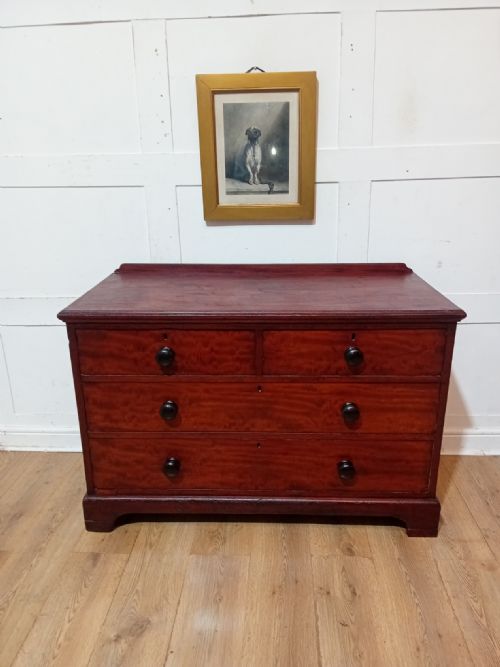


Traditional Lowboy
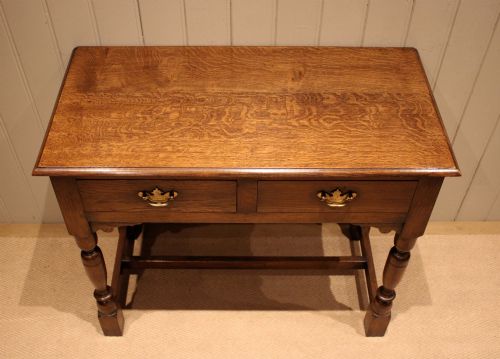
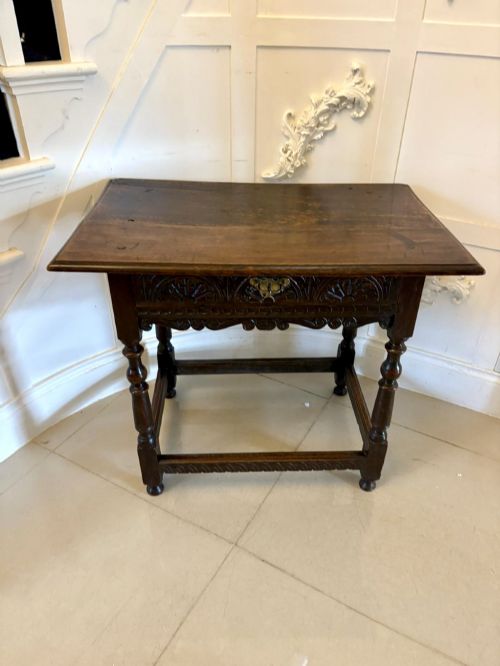
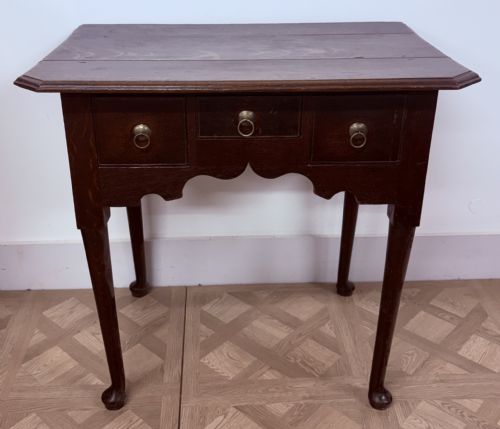
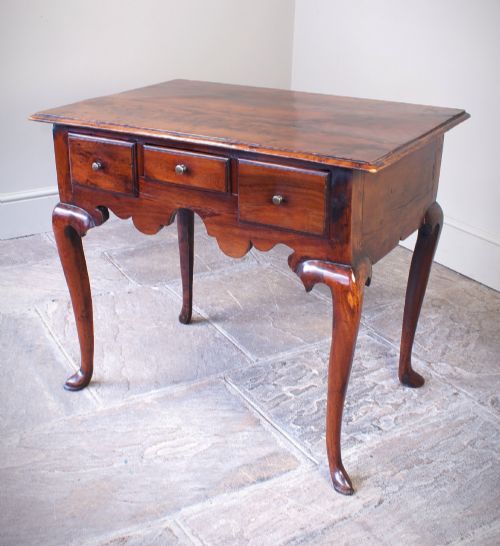
A traditional lowboy is a compact and useful piece of period furniture, typically featuring drawers beneath a flat top, designed to bring understated character to a room.
Traditional Lowboy
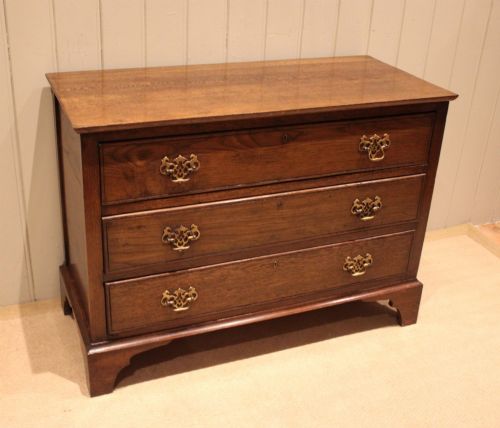
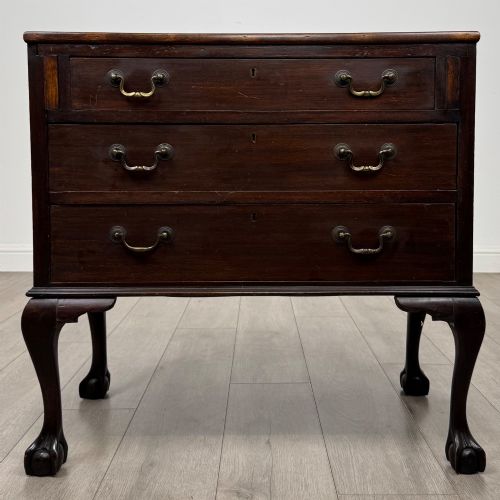
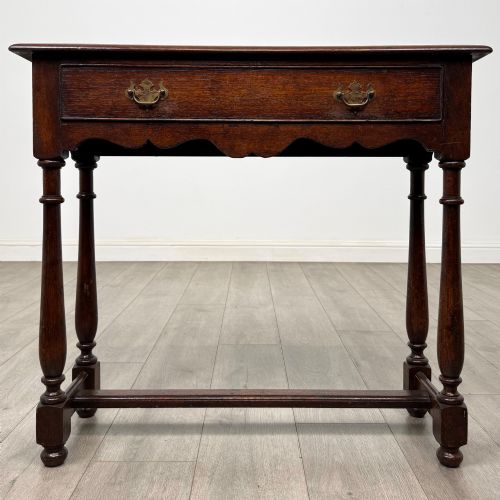
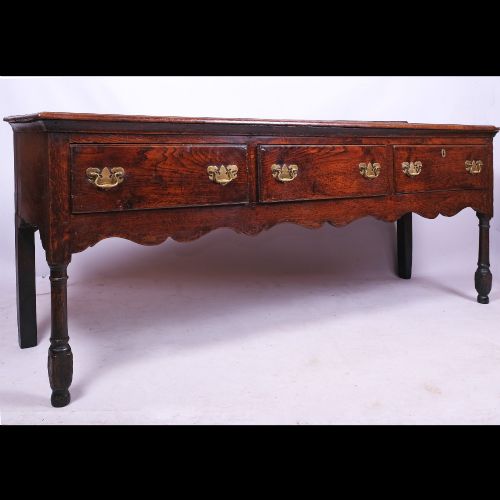
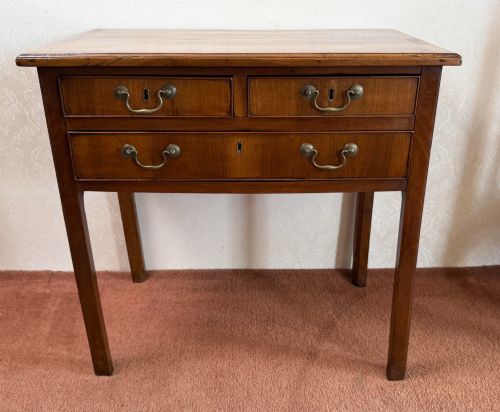
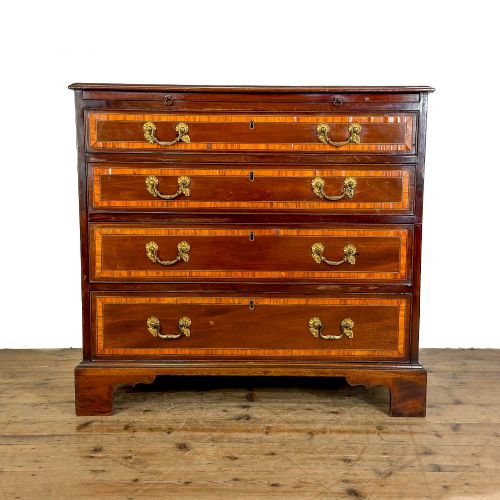
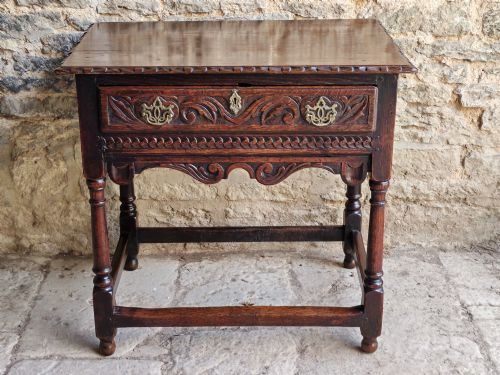
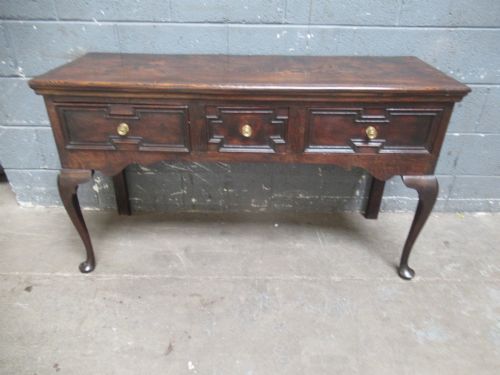
A traditional lowboy sits low to the floor, functioning as a small side table, dressing table or writing desk depending on its original use and configuration. These pieces often appear alongside related forms such as oak side tables, walnut dressing tables and mahogany bachelors chests.
Makers and craftsmen utilised dense native timbers like yew wood and burr walnut alongside oak and mahogany to create these functional items. The underlying structure usually incorporates multiple small drawers arranged beneath a rectangular timber top.
What varies in quality
The distinction between standard examples and the finest items rests upon the choice of timber and the crispness of any carved ornamentation. Figured veneers like burr walnut or select yew wood elevate the visual presence of a table.
Proportion and period integrity also govern the standing of individual pieces, where 18th-century originals command greater attention than later revival pieces from 1900 or the 1920s. The refinement of the drawer construction and the retention of original brass hardware further distinguish superior examples.
Some diminutive tables served as correspondence desks where homeowners penned letters by candlelight.
Gillows
The Traditional Lowboy Glossary
- Lowboy
- A small table with drawers, standing on relatively tall legs, commonly used as a dressing table or side table in the 18th century and later revived in Georgian styles.
- Queen Anne Style
- A design movement characterised by curving lines, cabriole legs and pad feet, prominent during the early 18th century and subsequently copied in later revival periods.
- Dresser Base
- The lower section of a traditional kitchen or dining room storage unit, often sharing similar proportions and drawer arrangements with large lowboys.
- Escutcheon
- A protective plate surrounding the keyhole of a drawer or cabinet door, frequently fashioned from brass on period furniture.
- Cabriole Leg
- A furniture leg that curves out and then in, mimicking the shape of an animal's leg, frequently seen on Queen Anne and Georgian lowboys.
Traditional Lowboy: Frequently Asked Questions
What is a traditional lowboy used for?
These pieces served historically as dressing tables, writing desks or small side tables in private chambers. Today they function flexibly in hallways or reception rooms as compact storage surfaces.
Their shallow drawer configuration allows them to hold correspondence or small items without dominating a room.
How do I date a lowboy?
Dating relies on examining the timber species, construction methods and stylistic markers such as cabriole legs or brass hardware. Eighteenth-century pieces display authentic period joinery and timber patina.
Revival pieces from around 1900 or the 1920s often mirror earlier Georgian or Queen Anne forms but show distinct modern tool marks upon closer inspection.
What woods were used for lowboys?
Cabinetmakers primarily worked with oak, mahogany and walnut during the 17th and 18th centuries. Finer examples occasionally feature decorative veneers such as burr walnut, satinwood or yew wood.
Secondary woods like pine sometimes appear inside the drawer boxes or backing boards of these tables.
Are lowboys and side tables the same?
A lowboy is a specific type of side table defined by its inclusion of one or more rows of drawers beneath the top. Standard side tables may lack drawers entirely or feature simpler apron designs.
Both forms share similar heights and compact footprints suited for placement against interior walls.