
Traditional Low Dresser
A traditional low dresser brings the honest utility of past centuries into a modern interior.
Traditional Low Dresser
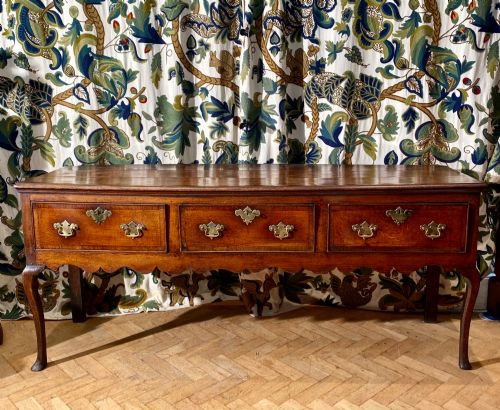
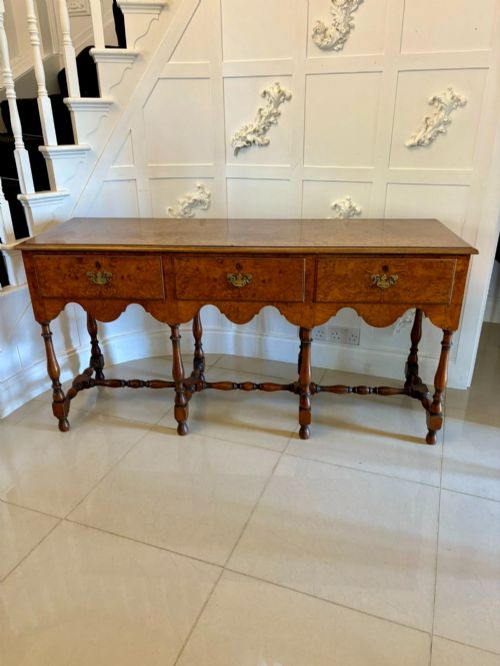
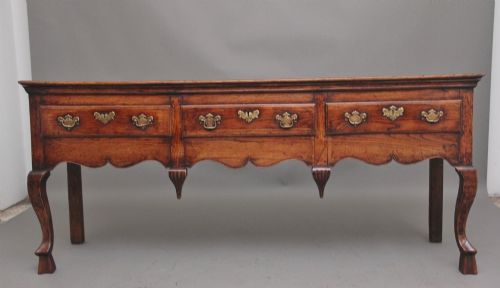
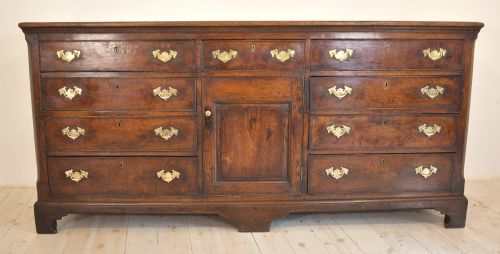
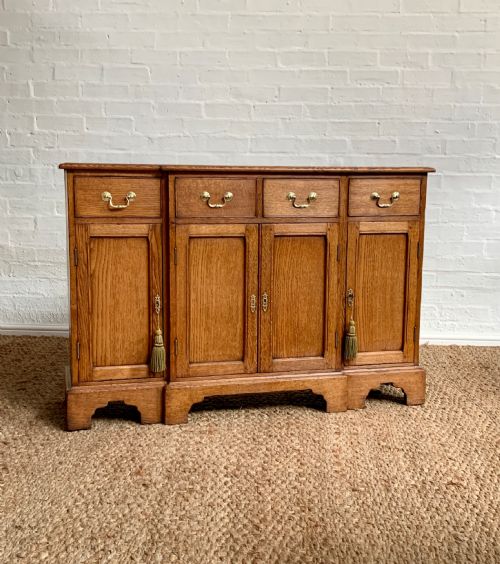
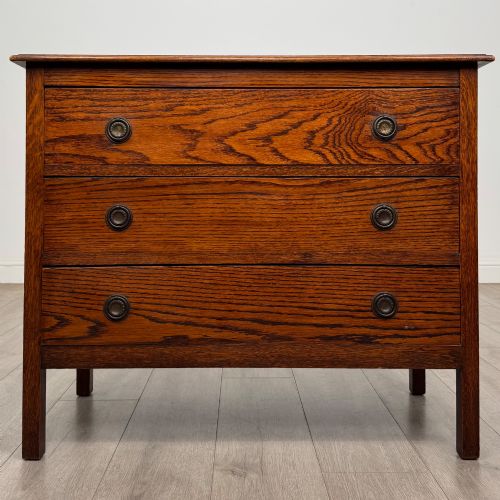
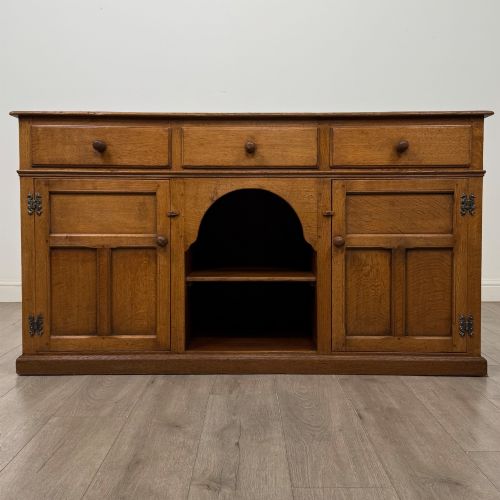
A traditional low dresser functions as a robust serving surface and storage unit, originating from domestic kitchens and dining rooms. The pieces gathered under a traditional low dresser span several centuries, with the earliest examples dating back to the eighteenth century.
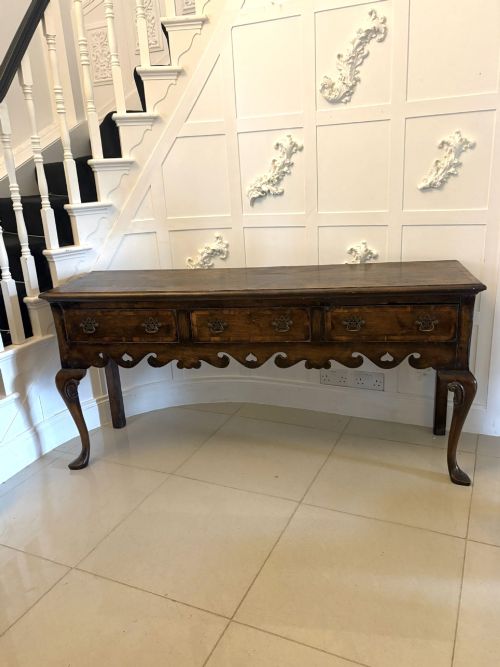
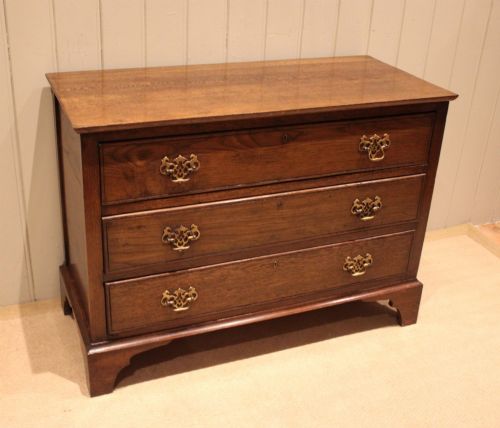
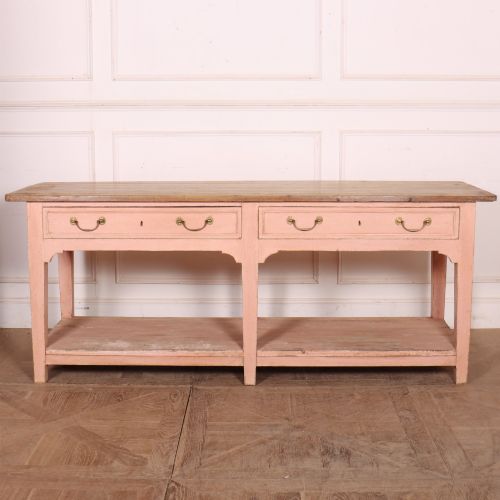
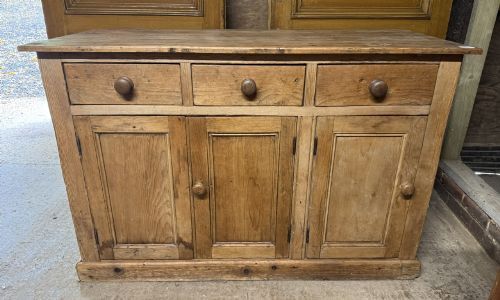
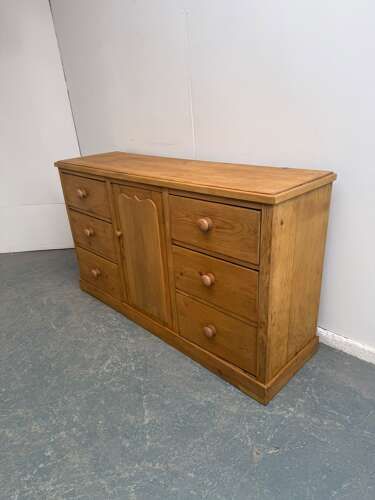
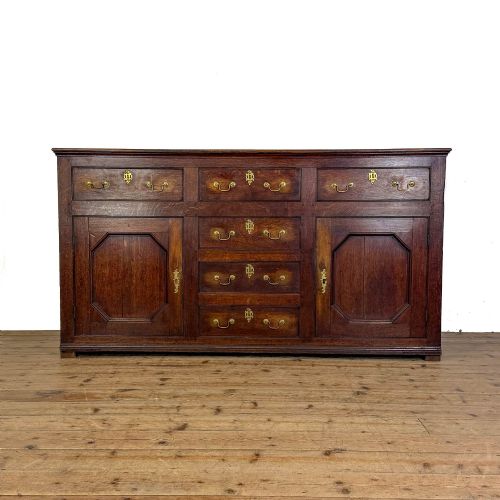
Most pieces encountered here are constructed from oak, pine, or walnut, often featuring multiple drawers set above a lower shelf or potboard. Regional variations such as Welsh, Scottish, and English country forms appear frequently across the selection.
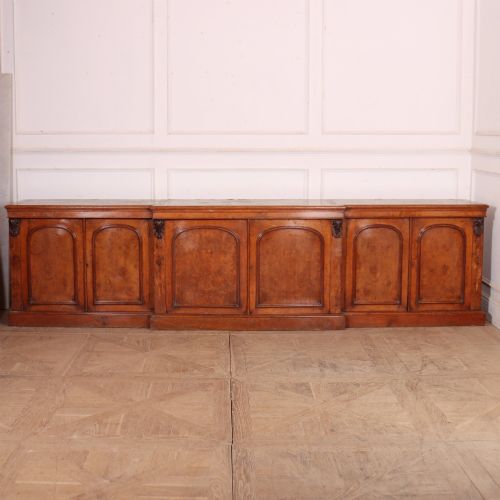
These items range from formal Georgian breakfront designs to rustic farmhouse bases with turned legs. Buyers select them for their low profile and practical surface space suited to contemporary living rooms and kitchens.
Materials and construction methods
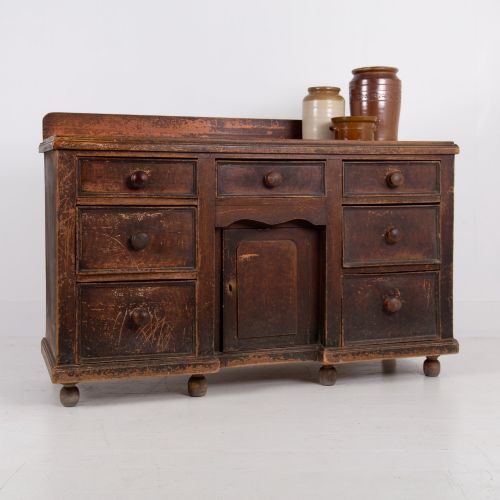
Makers relied heavily on native hardwoods such as oak and elm for structural integrity, alongside softer timbers like pine for secondary elements. Surfaces often display original wax finishes, historic paint, or bleached patinas developed through generations of use.
One school cupboard retains its original paint, having survived generations of chalk dust and unruly pupils.
Assessing quality and character
Quality rests in the originality of the timber, surface patina, and structural integrity. Pieces retaining their original hardware, unpainted surfaces, or authentic historic paint command greater interest.
Proportion and regional detailing distinguish finer examples from standard utility furniture. Refined mouldings, choice burr walnut veneers, and balanced drawer arrangements elevate certain pieces above simpler provincial work.
WC Burt
The Traditional Low Dresser Glossary
- Potboard
- An open lower shelf beneath a dresser base designed for storing pots and serving dishes. It sits close to the floor on turned or straight legs.
- Breakfront
- A piece of furniture where the central section projects forward from the flanking outer sections. This architectural arrangement creates depth and visual interest.
- Enfilade
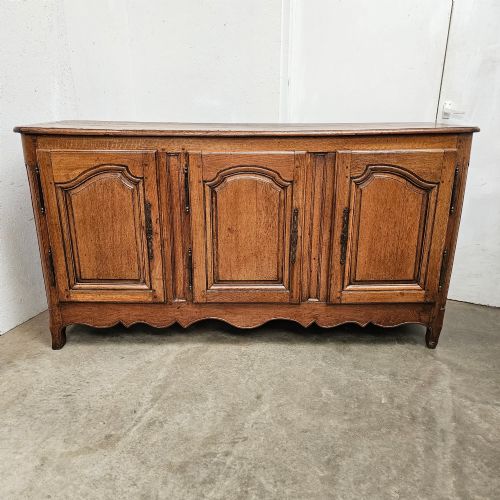
- A long sideboard or cabinet featuring a series of doors in a single line. This continental form provides extensive low storage.
- Dresser base
- The lower section of a kitchen dresser, functioning independently as a sideboard with drawers and cupboards. It provides a flat surface for serving food.
Traditional Low Dresser: Frequently Asked Questions
How do I date an oak dresser?
Dating relies on observing construction methods, timber selection, and hardware styles. Eighteenth-century examples often display hand-pegged joints, board backs, and deep patinas acquired over centuries of use.
Later Victorian and Edwardian interpretations tend to incorporate machine-sawn timber and standardised drawer runners, reflecting the manufacturing shifts of those periods.
Can I use a dresser base in a hallway?
Their shallow depth and low profile make these units well suited for entrance halls and narrow corridors. They offer convenient surface space for keys and post while providing hidden storage within the drawers.
Choosing a piece with a polished wood top or a painted finish helps balance the scale of the hallway without crowding the floor area.
What is the difference between an enfilade and a dresser base?
An enfilade is a long continental storage unit typically fitted with three or more doors in a continuous line. A dresser base generally combines a row of drawers above cupboards or an open potboard shelf.
Both serve similar functional roles in dining rooms and kitchens but originate from different regional furniture traditions.