
Traditional Lounge Armchairs
Traditional lounge armchairs span deep-seated Victorian styles and Edwardian designs built for genuine comfort.
Traditional Lounge Armchairs
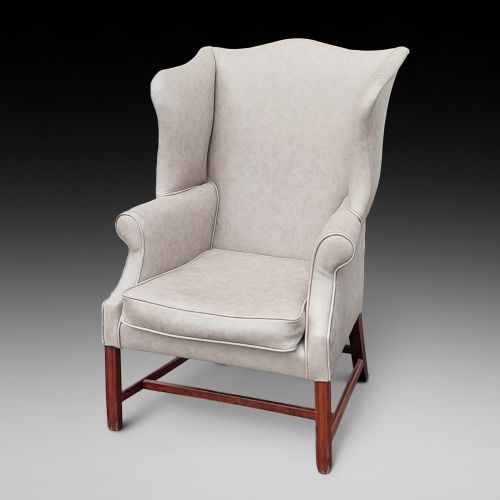
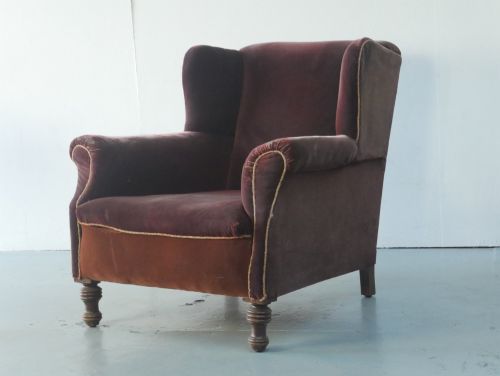
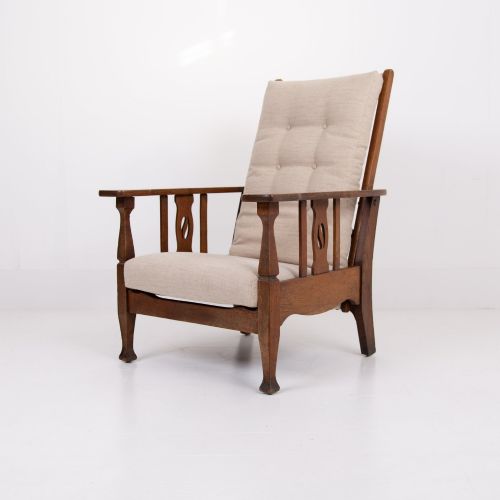
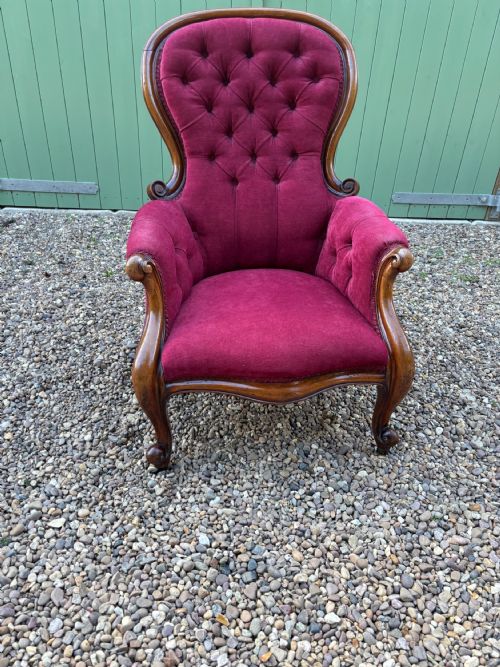
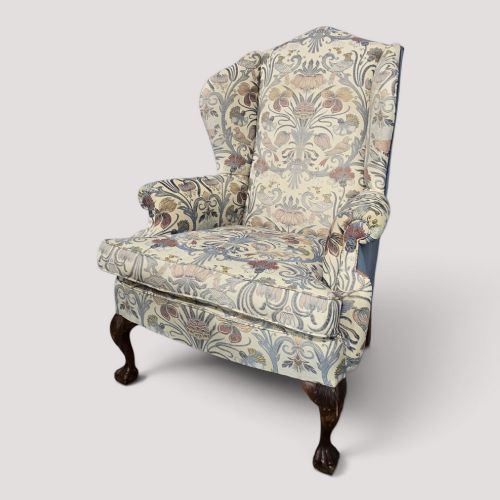
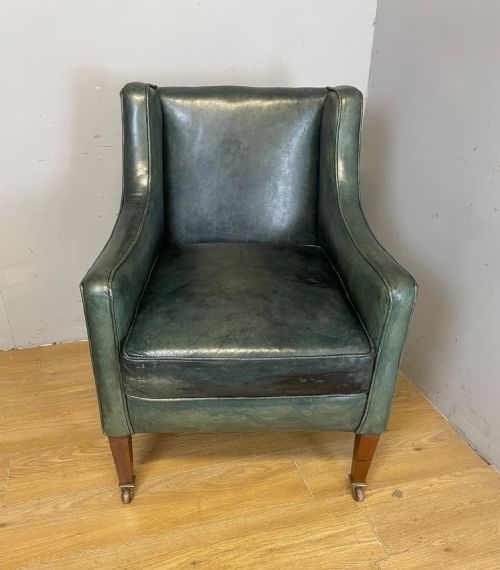
Traditional lounge armchairs encompass seating designed for comfort across the nineteenth and early twentieth centuries, including wingbacks, club chairs, and easy chairs. Buyers seeking traditional lounge armchairs encounter forms ranging from heavy Victorian velvet-upholstered frames to lighter Edwardian and 1930s sprung models.
The selections span distinct historical periods, notably the nineteenth century, Victorian era, Edwardian period, and the 1920s to 1930s. Pieces frequently reflect stylistic revivals such as Queen Anne, Chippendale, and Carolean, alongside English country house aesthetics.
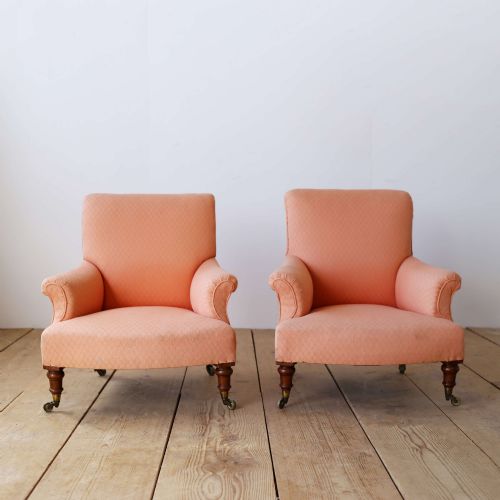
Seating arrangements vary from single library and open armchairs to pairs of wingbacks and complete lounge suites. Origins stretch across English, Scottish, and French workshops, utilising regional framing traditions.
How traditional lounge armchairs were made
Frames rely on sturdy timbers such as mahogany, walnut, oak, and general hardwood, often exposed on arms and legs or completely concealed beneath upholstery. Split cane and bentwood appear in specific light or garden room models.
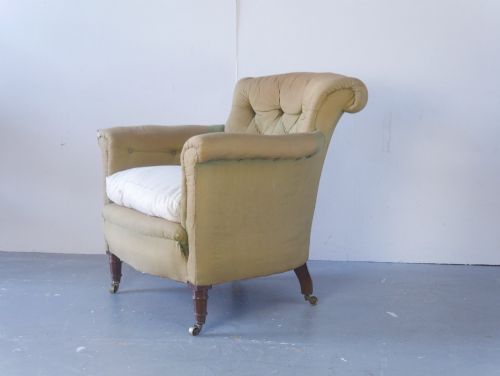
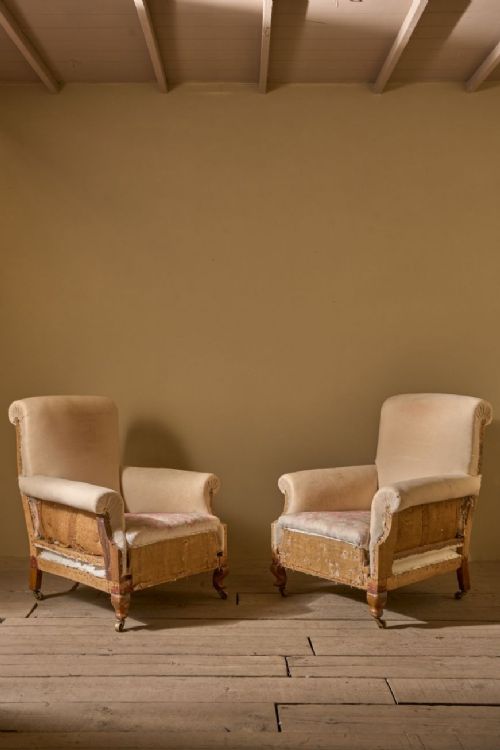
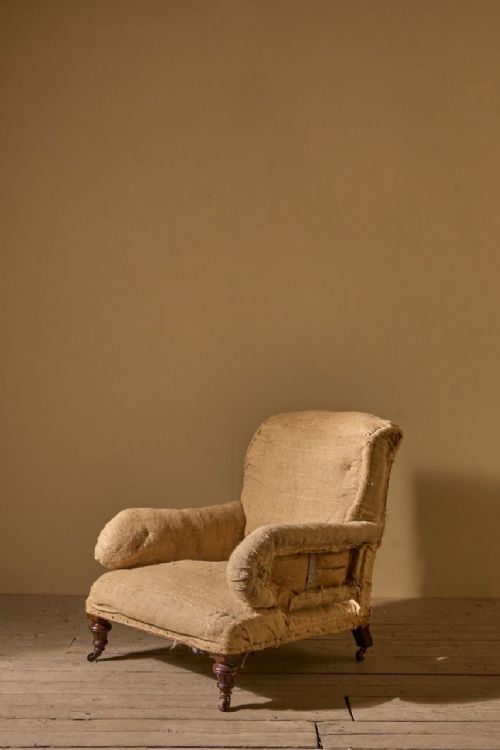
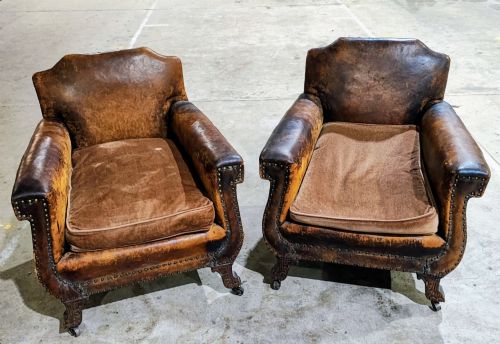
Upholstery construction incorporates traditional inner materials like hessian, calico, and loose feather fillings for deep cushioning. Leather, velvet, and patterned fabrics form the external coverings, secured with brass detailing or tight button-backing.
Listings feature frames constructed from mahogany, walnut, oak, and hardwood, upholstered in leather, velvet, hessian, and calico.
What varies in quality
The distinction between standard commercial production and premier craftsmanship rests in the structural integrity of the internal frame and the resilience of the sprung or feather-filled upholstery. Maker attribution significantly elevates a piece, particularly when bearing the signatures or stamps of established workshops.
Material selection dictates longevity, from dense hardwoods and supple heavy-grade leather down to simpler secondary timbers and standard woven fabrics. Original upholstery configurations and retained maker labels preserve historical authenticity better than later reupholstered interventions.
Howard and Sons·Whytock and Reid·Morris and Co·Gillows·Hampton and Sons
The Traditional Lounge Armchairs Glossary
- Bergere
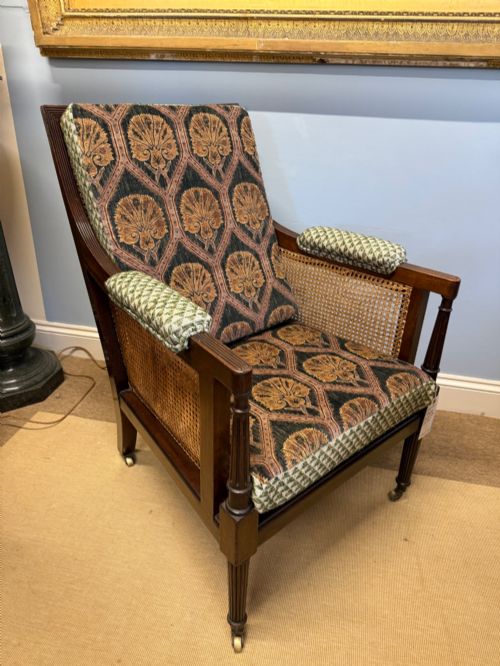
- An upholstered armchair with an enclosed wooden frame where the sides typically feature cane work. This French-derived form became popular in various English revivals.
- Wingback
- An armchair featuring high side panels designed to shield the sitter from drafts and retain heat from a fireplace. Early examples date to the eighteenth century.
- Club chair
- A deep, comfortable upholstered armchair traditionally covered in leather. These seating pieces originated in French and English clubs during the early twentieth century.
- Button back
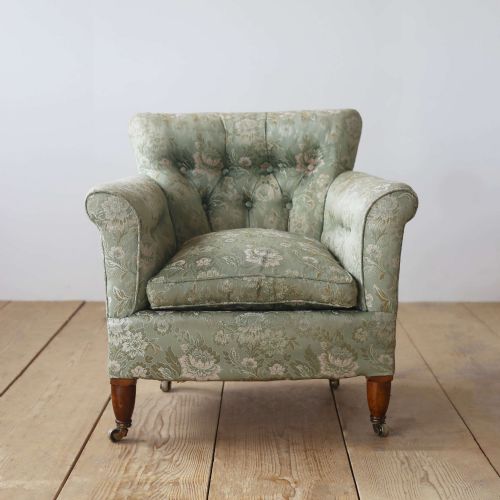
- An upholstery technique where depressions are formed in the padding by pulling buttons tight against the backrest. This method secures the internal filling and creates a patterned surface.
- Library armchair
- A sturdy seat designed for reading rooms, often featuring open wooden arms and leather or fabric upholstery. These chairs prioritize ergonomic support for extended sitting.
Traditional Lounge Armchairs: Frequently Asked Questions
How do I identify a Howard and Sons armchair?
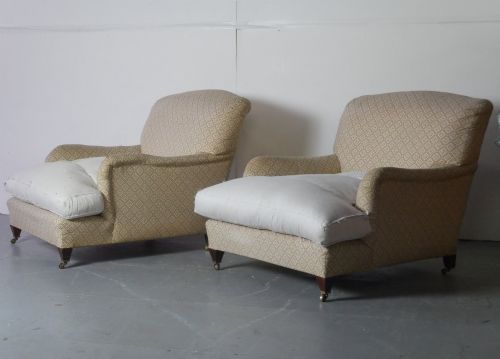
Look for stamped mahogany or walnut legs, specific caster markings, and paper labels tucked beneath the upholstery webbing. The build quality involves distinctive supportive springing and deep feather-filled cushions.
Many pieces also exhibit specific Howard-style fabric patterns or traditional piped ticking beneath the outer removable covers.
What is the difference between a club chair and a wingback?
Club chairs offer a low, deep profile wrapped entirely in leather or heavy fabric, prioritising slouching comfort. Wingbacks feature an elevated backrest with distinct side panels designed originally to block household draughts.
Wingbacks generally display more exposed wooden framing on the legs and arms compared to fully upholstered club chairs.
Are bergere chairs suitable for daily sitting?
Bergere chairs provide structured support through their rigid wooden frames and tight cane panels, though comfort depends heavily on the loose seat cushion. The delicate cane sides require mindful placement to prevent accidental punctures or strain.
Filtered light and moderate room humidity help maintain the flexibility of the natural cane over years of regular use.
How do I date a traditional lounge armchair?
Dating relies on combining stylistic clues, such as cabriole legs or button-backed upholstery, with underlying construction materials like iron coil springs or traditional webbing. Hardwood types and general proportions often align with specific periods from the Victorian era through the 1930s.
Maker stamps, stamps on brass castors, and remnants of original calico linings offer the most precise chronological evidence.