

Traditional Kitchen Buffet
Traditional kitchen buffet pieces are sturdy storage units like dressers and sideboards found in pine and oak across 18th to 20th century periods.
Traditional Kitchen Buffet
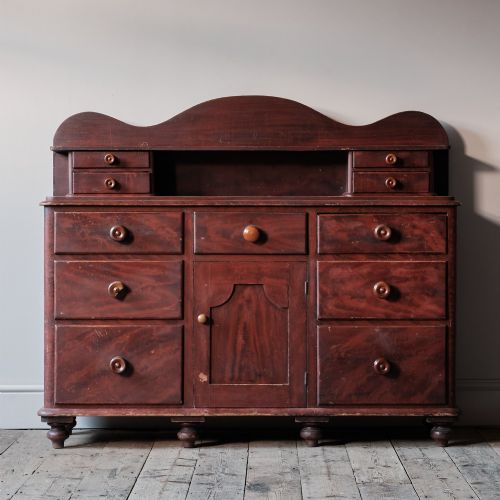
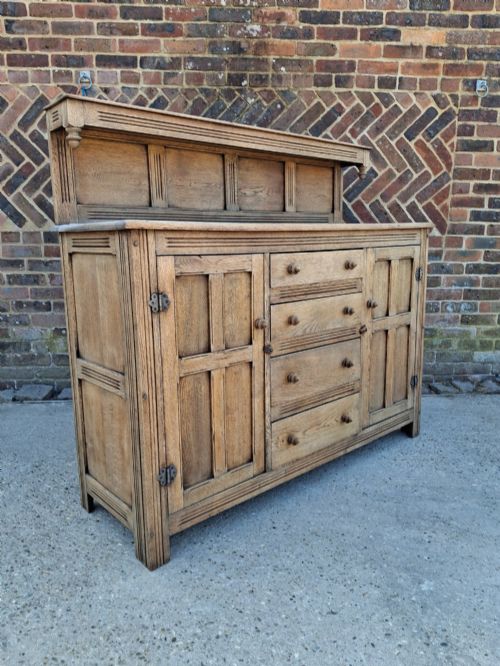
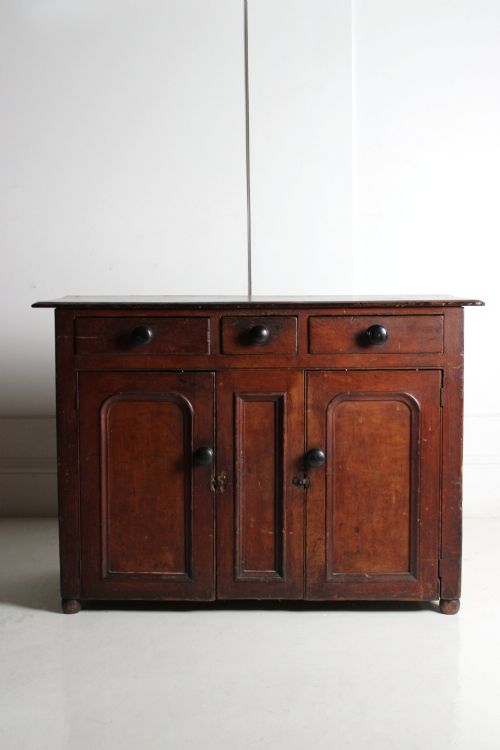
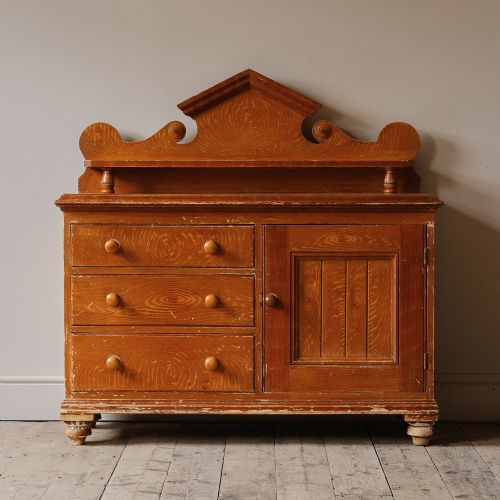
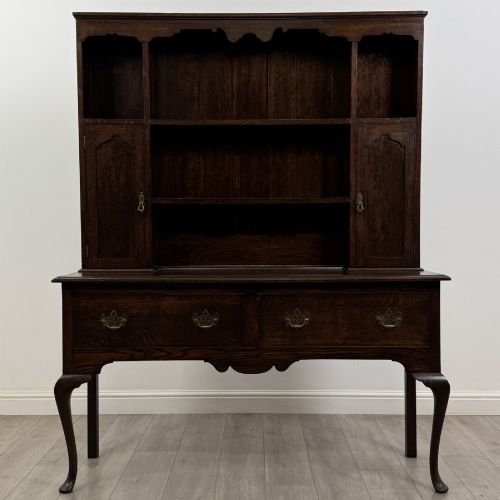
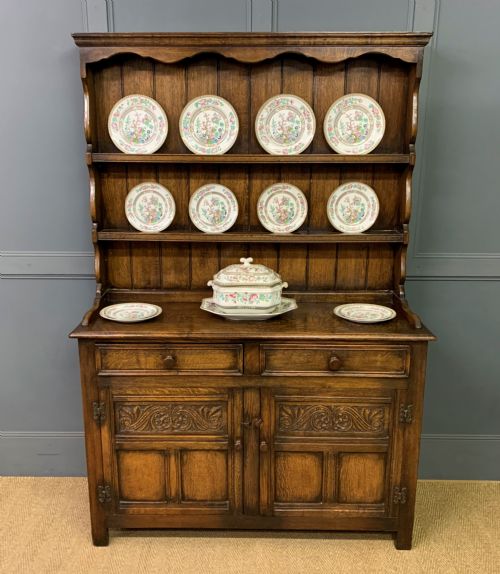
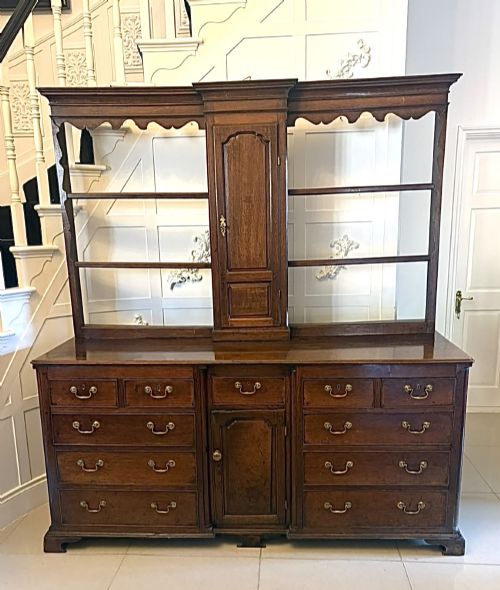
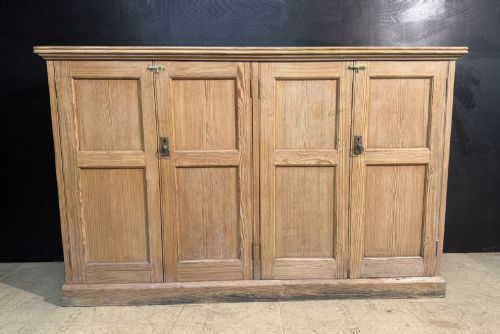
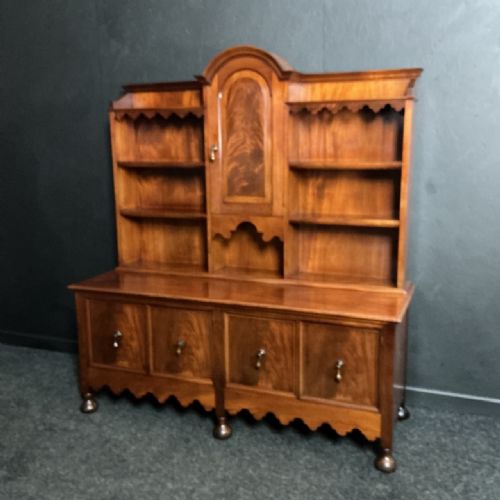
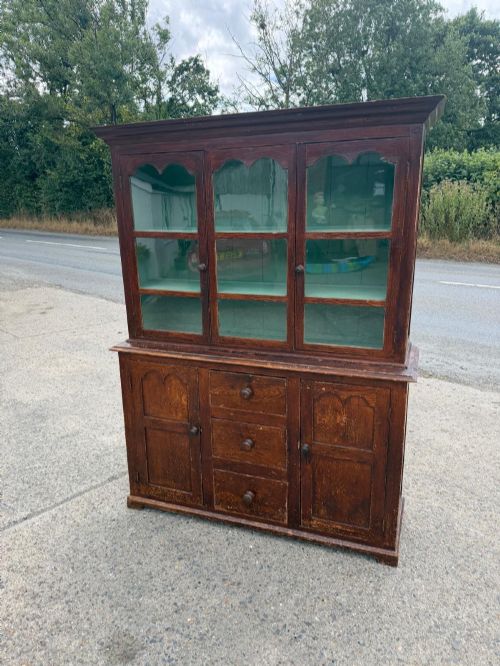
When buyers search for a traditional kitchen buffet, they find substantial storage furniture designed for food preparation and tableware storage in domestic settings. The pieces listed under this phrase span 18th century, Georgian, Victorian, and 20th century periods, originating from English, French, and Hungarian traditions. Forms include kitchen dressers, Welsh dressers, dresser bases, cupboards, and sideboards.
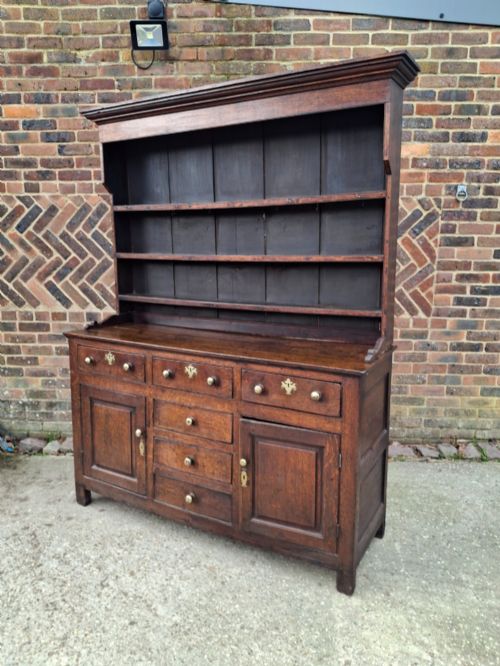
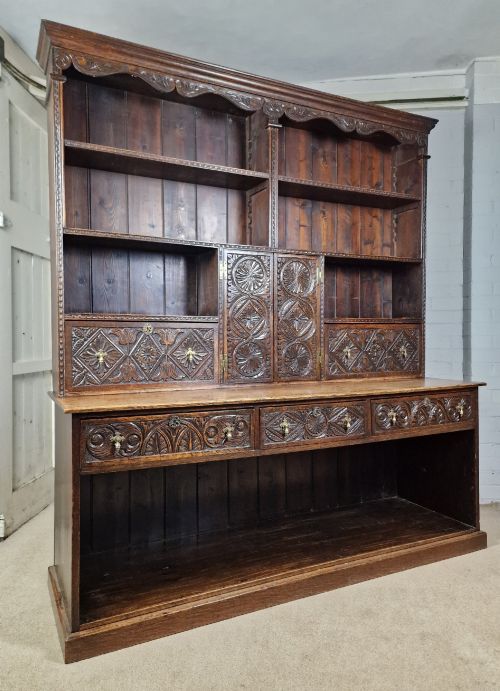
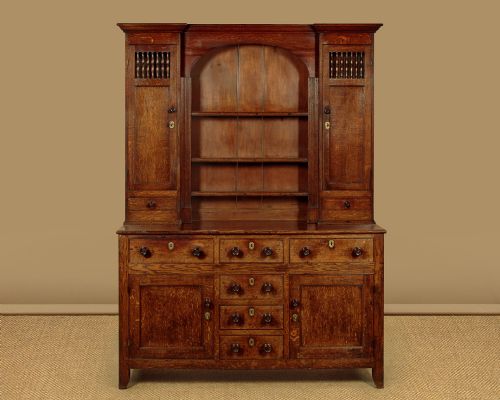
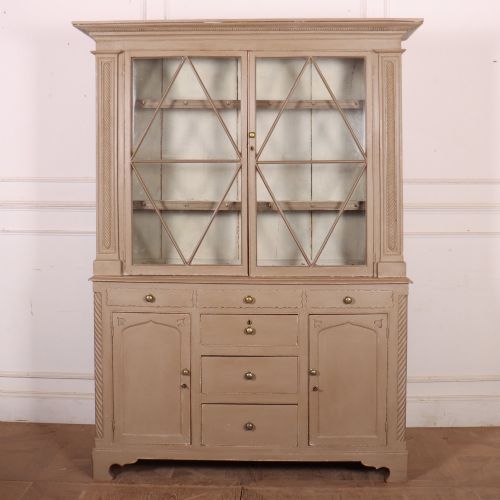
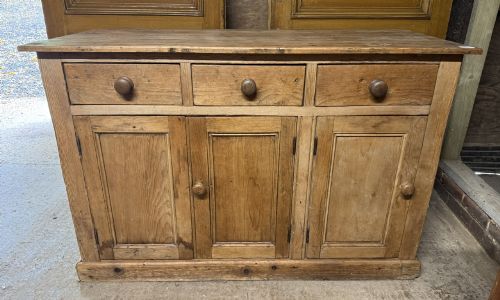
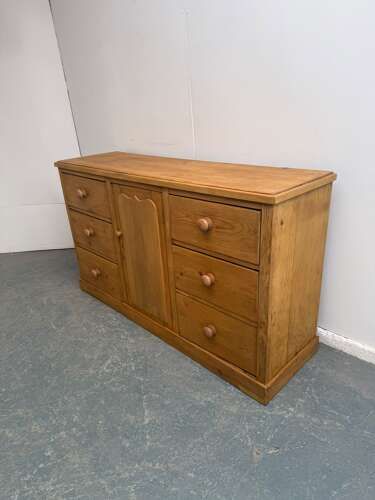
The most common version met on this page is the pine or oak kitchen dresser base, often featuring drawers and cupboards, sometimes paired with an upper plate rack or glazed top. Examples range from simple country pine pieces to substantial oak Lancashire and Welsh dressers with breakfront drawers or potboards. Painted finishes and waxed timbers appear frequently alongside stripped wood surfaces.
What varies in quality
Quality in these storage units rests on the selection of timber, the integrity of the original construction, and the survival of surface finishes like historic paint or early wax. Pieces with uncompromised proportions, original brass or iron hardware, and intact plate racks or glazed sections sit at the higher end of the range. Finer examples display sophisticated cabinet work, such as breakfront drawer configurations or detailed oak carving, contrasting with simpler utilitarian workshop builds.
Traditional Kitchen Buffet Retail Price Guide 2026
Typical asking prices for traditional kitchen buffet among the pieces listed under this phrase on Sellingantiques today, from the lower quarter to the upper quarter. They describe what is for sale here now, not the wider market.
Some oak dresser bases retain the scent of centuries-old beeswax and Lancashire kitchens.
Rushworth's
The Traditional Kitchen Buffet Glossary
- Dresser base
- The lower section of a kitchen dresser, functioning as a sideboard with drawers and cupboards without the upper plate rack.
- Potboard
- An open slatted lower shelf fitted beneath a dresser base, originally designed to hold pots and heavy kitchen utensils.
- Welsh dresser
- A traditional kitchen storage unit featuring an open plate rack mounted on top of a lower base fitted with drawers and cupboards.
- Breakfront
- A cabinet design where the central section projects forward from the flanking sections, creating depth and architectural interest.
- Chiffonier
- A compact sideboard or low cupboard developed in the 19th century, often incorporating shelves or a raised back.
- Glazed top
- The upper section of a dresser or cabinet fitted with glass panelling to display ceramic and glassware.
Traditional Kitchen Buffet: Frequently Asked Questions
How do you tell a Georgian dresser apart from a Victorian one?
Georgian dressers generally display earlier cabinet-making proportions, often constructed in oak with simpler, robust vernacular lines typical of the 18th century.
Victorian pieces frequently utilise pine or mahogany, sometimes incorporating heavier mouldings, glazed doors, or revival styling such as Jacobean carvings.
What are potboard dressers used for?
Potboard dressers feature an open bottom shelf specifically designed to store heavy pots, pans, and kitchen earthenware within easy reach.
In modern homes, this lower shelf serves as an ideal platform for displaying large decorative ceramics, baskets, or collected kitchenware.
How should I clean a waxed pine dresser?
Maintain a waxed pine surface by dusting regularly with a soft, dry cloth and applying a traditional beeswax polish sparingly when the wood appears dry.
Avoid using harsh chemical sprays or excess water, as moisture can damage the historic wax finish and raise the grain of the antique timber.