




Traditional Indian Textile
These traditional indian textile pieces bring rich historic pattern and colour into a room.
Traditional Indian Textile
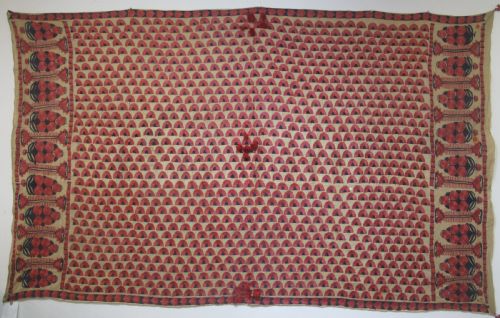
When you search for traditional indian textile items, you encounter a diverse selection ranging from framed temple paintings and embroidered wall hangings to Kashmir wedding shawls and Mughal carpet fragments. These works span centuries from the eighteenth through the twentieth century, encompassing styles such as Kalamkari, Indo-Persian, and Anglo-Indian.
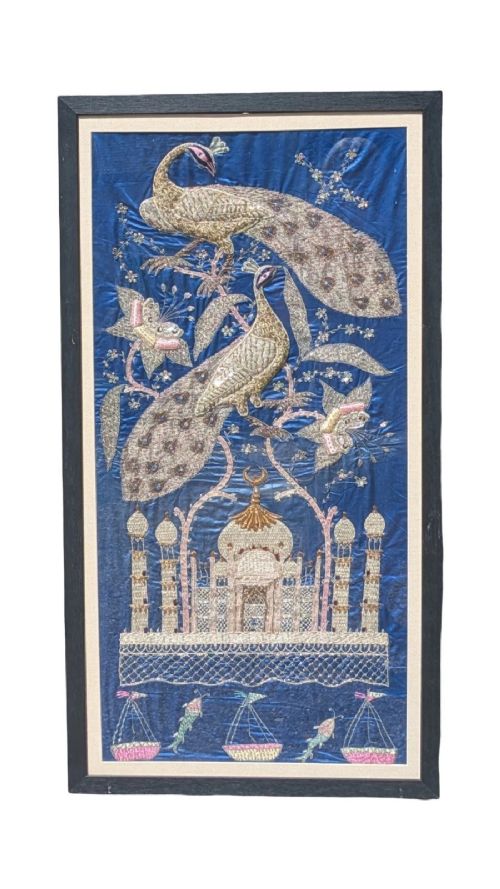
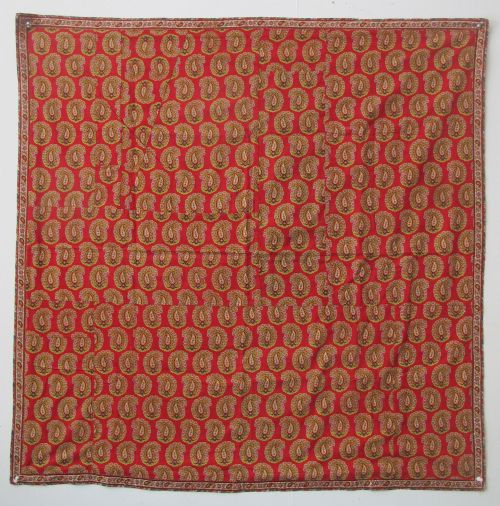
The objects on this page include blockprint panels, embroidered silk screens depicting the Taj Mahal, and painted wall cloths showing figures like Krishna. You also find practical textile equipment such as oak charkras alongside carved hardwood models and decorative rugs originating from North India and Sindh.
Materials and construction methods
Craftsmen utilised natural materials including cotton, wool, and silk as the foundation for intricate needlework and surface decoration. Metallic thread often accentuates the finer details of embroidery on silk and velvet grounds.
Pigments and natural dyes were applied directly to cloths and wall panels to create vivid narrative scenes. Wood and glass additionally appear in carved objects and framed displays associated with these textile traditions.
Traditional Indian Textile Retail Price Guide 2026
Typical asking prices for traditional indian textile among the pieces listed under this phrase on Sellingantiques today, from the lower quarter to the upper quarter. They describe what is for sale here now, not the wider market.
Materials across these listings include cotton, silk, wool, metallic thread, wood, and natural dyes.
What sets finer examples apart
The distinction between ordinary and exceptional pieces lies in the density of the embroidery and the complexity of the narrative design. Finer works display meticulous needle control using gold and silver threads on challenging fabrics like velvet and silk.
Preservation of the original pigments and the integrity of early textile fragments dictate the standing of a piece. Greater skill is evident where blockprinting alignment and hand-painted details maintain sharp definition across larger surfaces.
The Traditional Indian Textile Glossary
- Kalamkari
- A traditional style of hand-painted or block-printed cotton textile produced in India. The technique relies on natural dyes applied to cloth.
- Dochala
- A type of double-sided or paired Kashmir shawl featuring elaborate needlework. These garments often display dense floral and figurative motifs.
- Charkra
- A traditional spinning wheel utilised for processing cotton or other fibres. Examples are frequently constructed from oak or regional hardwoods.
- Mughal
- A historic style reflecting the aesthetic of the Mughal Empire. Pieces in this tradition often incorporate refined floral patterns and intricate carpet weaving techniques.
Traditional Indian Textile: Frequently Asked Questions
How were traditional indian textile panels used originally?
Many of these pieces served as ceremonial wall hangings, temple cloths, or decorative wedding garments within elite households. Painted cloths illustrated religious narratives and epic stories for public or domestic display.
Other items functioned as garments or architectural screens designed to divide interior spaces. Their intricate craftsmanship marked them out as items of significant cultural and social standing.
How do I care for antique textiles at home?
Protect delicate silk, wool, and cotton fabrics from direct sunlight to prevent the fading of natural dyes and pigments. Keep them away from high humidity and fluctuating temperatures to preserve the fragile fibres.
Display framed pieces securely behind protective glazing if possible. Avoid harsh cleaning methods and consult a specialist textile conservator for any maintenance.
What periods do these pieces come from?
The selection spans from the eighteenth century through the Edwardian era and into the early twentieth century. Nineteenth-century examples form a substantial portion of the available material.
Pieces originating from the late eighteen-hundreds often reflect traditional Kashmir and Sindh needlework techniques. Earlier eighteenth-century origins typically present as larger carpet fragments.
Are these items authentic antiques?
The inventory comprises genuine historic items dating from the nineteenth and early twentieth centuries, alongside earlier fragments. Materials like natural dyes, metal threads, and period woods help establish their age.
Stylistic markers such as traditional blockprinting and hand-painted narratives align with documented South Asian craftsmanship from these eras.