


Traditional Indian Art
Traditional indian art encompasses diverse historical works ranging from painted textiles to carved wooden sculptures originating across the subcontinent.
Traditional Indian Art
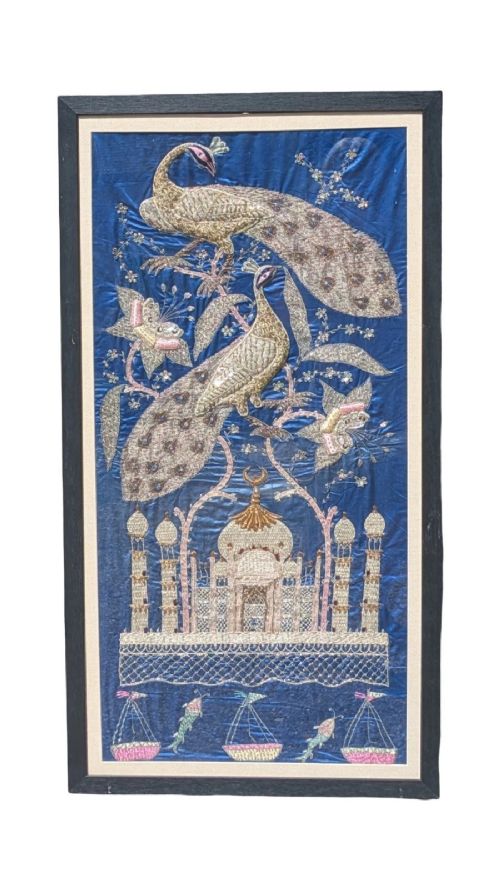
Traditional indian art covers a broad spectrum of cultural items spanning the eighteenth, nineteenth, and early twentieth centuries. Buyers frequently encounter painted wall cloths, gouache miniatures, framed silk and velvet embroideries, and architectural elements like doors.
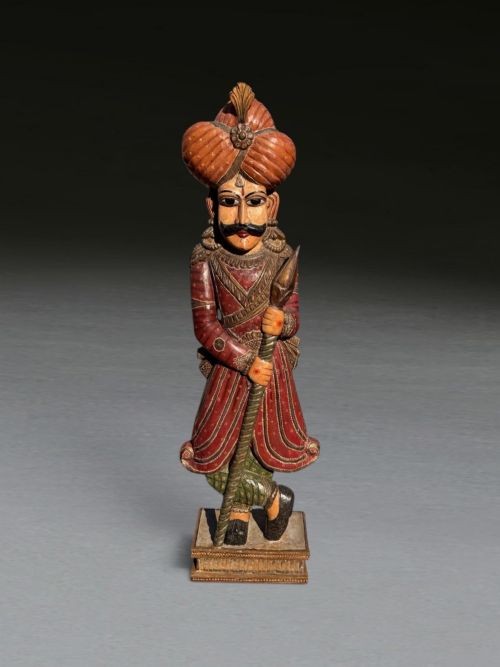
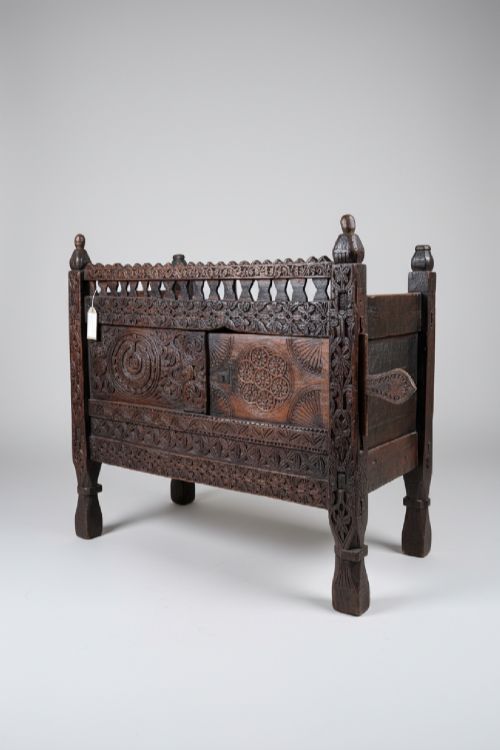
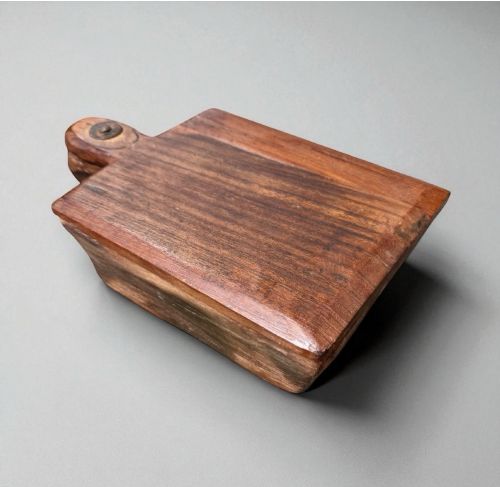
Three-dimensional pieces feature prominently alongside flat works, including carved hardwood processional horses, figurative polychrome sculptures, dowry chests, and spice powder boxes. These items showcase the rich craftsmanship of regional workshops and folk traditions.
The selection includes specific regional items such as Swat Valley dowry chests, Kerala Theyyam dancers headdresses, and Orissa erotic panels. Such diversity allows collectors to focus on particular forms of sculpture, textiles, or painted items.
Materials and construction methods
Wood serves as a primary medium for structural items, utilising hardwoods, oak, and shisham wood for large chests, platters, architectural doors, and carved figures. Pigments and paint are frequently applied to these wooden surfaces to create polychrome finishes and detailed figurative scenes.
Textiles employ cotton and silk fabrics enriched with intricate embroidery, while miniature paintings utilise delicate pigments on paper or cloth. Many works combine structural carving with applied surface decoration, preserving traditional regional techniques from the nineteenth and early twentieth centuries.
Listings feature works across the 18th, 19th, and early 20th centuries, utilising materials including wood, iron, glass, pigment, cotton, silk, and hardwood.
Factors determining quality
Quality rests upon the preservation of original painted surfaces, pigments, and structural integrity across wooden panels, chests, and sculptures. Pieces retaining their authentic polychrome finishes or original frames command greater interest among collectors.
The fineness of detail in miniature paintings, textile embroideries, and hand-carved figures distinguishes superior examples. Execution skill in depicting complex narratives, such as Hindu stories or royal processions, directly shapes the merit of each work.
The Traditional Indian Art Glossary
- Kalamkari
- A traditional type of hand-painted or block-printed cotton textile produced in India. These wall art pieces often depict elaborate Hindu stories and mythological narratives.
- Gouache
- An opaque water-based pigment used extensively in Indian miniature paintings. It allows for rich colour saturation and precise detail work on paper or cloth.
- Polychrome
- The practice of decorating architectural elements, furniture, and wooden sculptures with multiple colours. This finish is frequently observed on folk art figures and traditional doors.
- Charkra
- A traditional spinning wheel used for textile production, constructed from wood. Examples from the early twentieth century reflect domestic craft history.
- Dowry chest
- A large wooden storage container traditionally given upon marriage, exemplified by pieces originating from regions like the Swat Valley.
Traditional Indian Art: Frequently Asked Questions
What periods do these pieces date from?
The available selection primarily spans the nineteenth century, with additional examples from the eighteenth century and the early twentieth century up to the 1930s. Edwardian pieces and items from around 1900 frequently appear.
These dates encompass various historical eras, including the Raj period and earlier traditional crafting traditions across different regions.
How are painted wall cloths displayed?
Painted wall cloths and textile wall art feature fabric grounds, such as cotton or silk, which lend themselves to vertical display. Many are framed or mounted to preserve the delicate pigments and fabric integrity.
These textile pieces depict traditional narratives, including scenes of Krishna with his wives or Hindu stories.
What types of wooden objects are available?
Wooden objects include architectural salvage like painted doors in original frames, storage items such as dowry chests and spice powder boxes, and carved figures. Hardwoods and shisham wood are commonly utilised for these structural pieces.
Folk art items like shelved cupboards, wedding chairs, and processional horses further demonstrate the range of woodwork.
How do miniatures differ from textile art?
Miniatures are painted works executed on paper or cloth using gouache pigments, frequently portraying royal figures, Nawabs, or narrative scenes like ladies riding composite camels. Textile art relies on woven fabrics like silk, cotton, and velvet decorated with embroidery or painted imagery.
Both categories preserve distinct technical traditions of Indian craftsmanship across the nineteenth and twentieth centuries.