

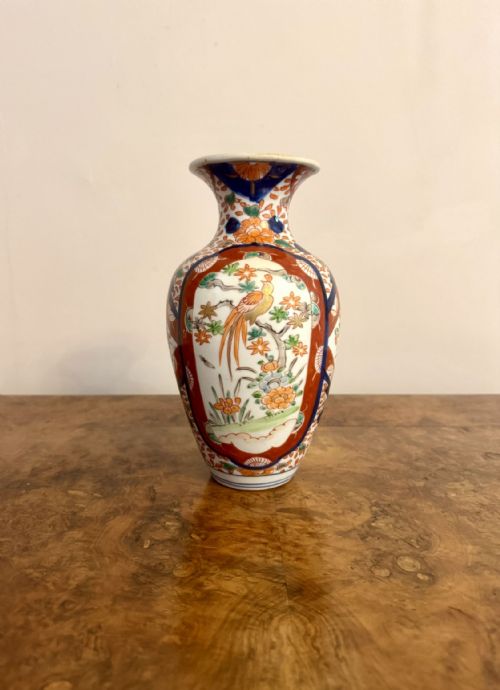


Traditional Imari Pottery
Traditional imari pottery brings together vibrant Japanese imports and British interpretations, offering bold colour and striking patterns for the home.
Traditional Imari Pottery
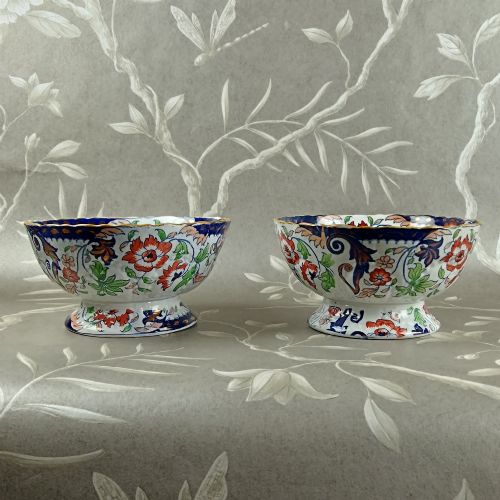
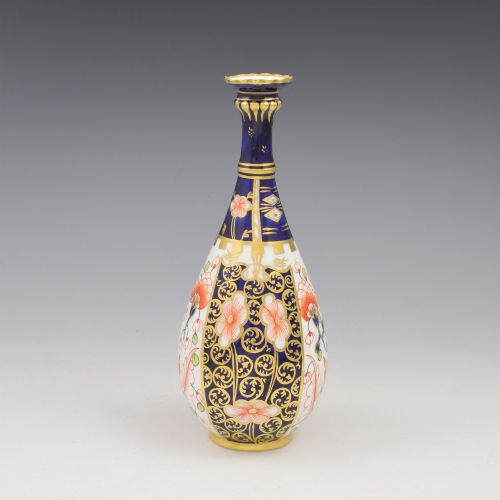
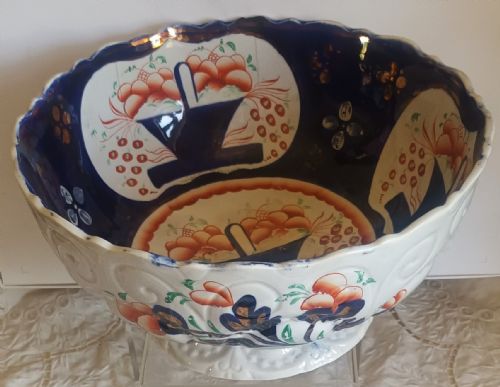
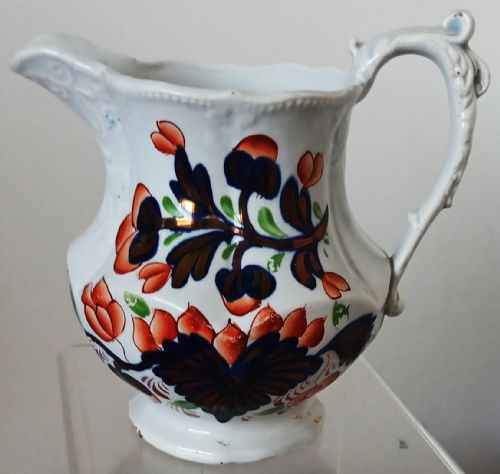
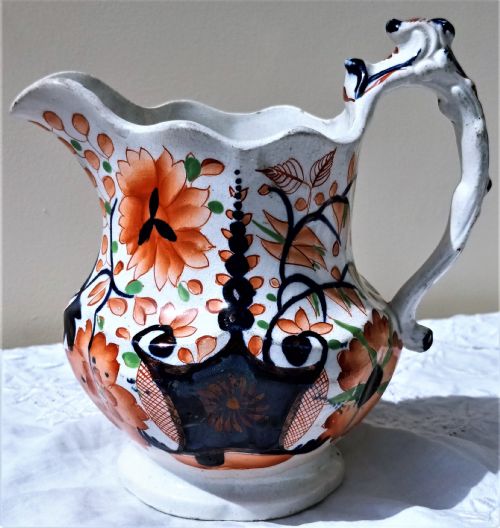
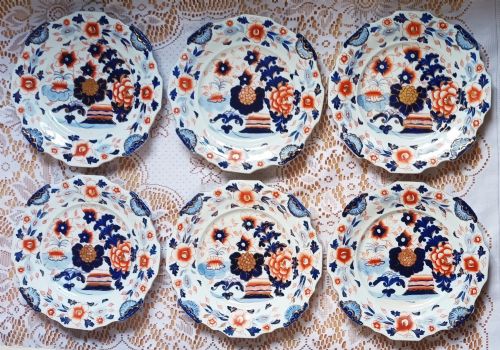
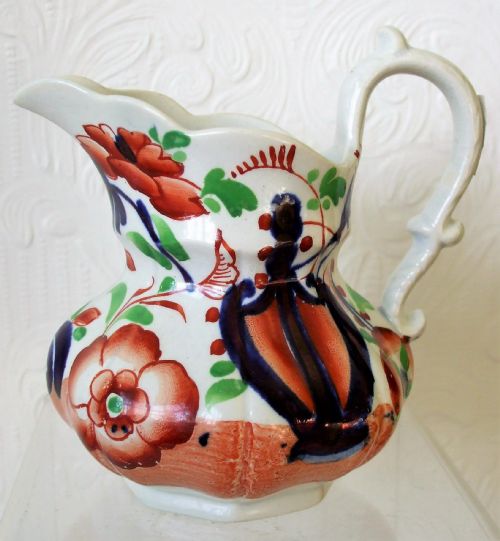
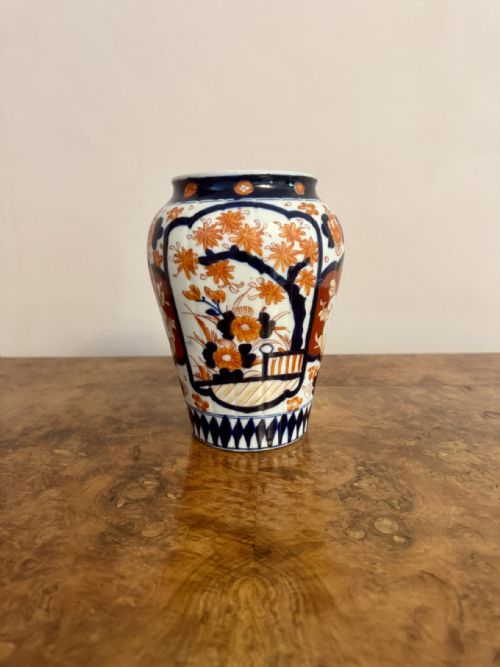
When you search for traditional imari pottery, you encounter a distinct visual language defined by saturated cobalt blue, iron red, and gold leaf. These pieces span Japanese originals from around 1900 and 1870 alongside 19th Century British interpretations such as Gaudy Welsh jugs and Georgian ironstone plates.
The objects on this page range widely in form, from large decorative vases and hexagonal display vessels to everyday tableware like plates and footed bowls. Japanese examples emphasise intricate floral and pictorial motifs, while British pieces adapt these palettes into popular domestic patterns like Grape, Basket of Flowers, and Pagoda.
Navigating this selection reveals how potters across different cultures adopted a shared decorative aesthetic. Whether you choose an imposing pair of Japanese vases or a humble Gaudy Welsh pouch jug, each item reflects the enduring appeal of this high-contrast palette.
How they were made
Makers shaped these items using porcelain, earthenware, and ironstone ceramic bodies, forming them into plates, vases, and pitchers before firing. The solid structural base provided a stable canvas for the heavy application of glaze and subsequent enamel work.
The signature look relies on underglaze cobalt blue combined with overglaze iron red enamel and gold leaf accents. Artisans painted complex motifs by hand, applying copper lustre or gilt details to catch the light and complete the rich visual effect.
Traditional Imari Pottery Retail Price Guide 2026
Typical asking prices for traditional imari pottery among the pieces listed under this phrase on Sellingantiques today, from the lower quarter to the upper quarter. They describe what is for sale here now, not the wider market.
Early Welsh potters had such a fondness for bright Imari colours that locals dubbed the vibrant red and blue wares 'Gaudy'.
What varies in quality
Quality rests in the crispness of the hand-painted brushwork and the precision of the enamel registration against the cobalt blue underglaze. Superior pieces display confident, detailed lines without blurring, whereas simpler items show looser, faster execution suited to mass production.
The richness and survival of the gilt and gold leaf details also separate standard examples from finer works. Where the metallic leaf remains bright and thick, the object retains the lavish decorative intent that defined the style.
Royal Crown Derby
The Traditional Imari Pottery Glossary
- Ironstone
- A type of durable semi-vitrified earthenware developed in Britain during the 19th Century to imitate Chinese porcelain. It forms a heavy, resilient body suitable for plates and tableware.
- Enamel
- Opaque glass-like paint applied over the fired glaze of a ceramic piece and fixed in a second, lower-temperature kiln firing. It provides the vivid red and yellow tones seen in these designs.
- Cobalt blue
- A deep blue mineral pigment applied under the glaze before the main firing. It forms the stable, dark foundation lines of traditional Imari designs.
Traditional Imari Pottery: Frequently Asked Questions
Are these pieces safe for food?
Most antique plates and bowls from this period are best used for display rather than daily dining. Older glazes and enamels can wear down or react with acidic foods.
Enjoy them as decorative table centerpieces or cabinet highlights rather than active kitchenware to preserve their historic surfaces.
How do I tell Japanese from British pieces?
Look closely at the ceramic body and the style of the motifs. Japanese items from this era are typically true porcelain with fine, dense potting and intricate pictorial scenes.
British interpretations like Gaudy Welsh or ironstone use heavier earthenware or ironstone bodies, often adapting the colours into bolder, simpler cottage-style patterns.
Where should I display large vases?
Position large vases on sturdy furniture such as sideboards, pedestals, or low tables where their height and weight remain secure. Ensure they sit away from heavy foot traffic to prevent accidental knocks.
Because many of these vessels stand quite tall, placing them out of direct sunlight will also keep the iron red enamels from fading.