





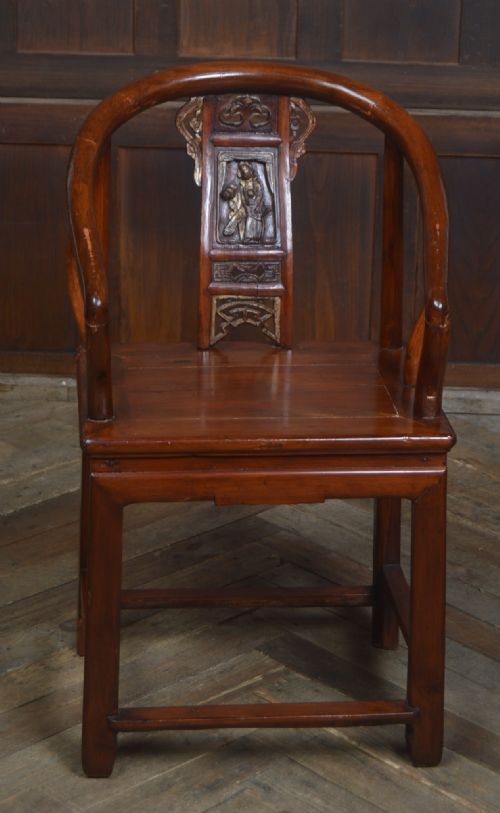
Traditional Horseshoe Chair
These traditional horseshoe chair selections offer distinctive curved backrests and sweeping arms, prized for ergonomic comfort and striking architectural silhouettes.
Traditional Horseshoe Chair
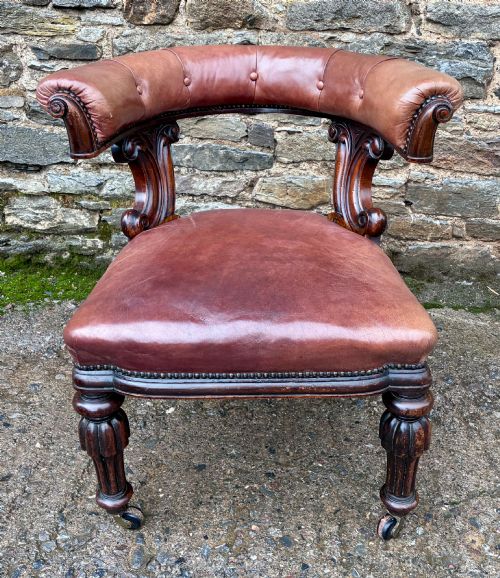
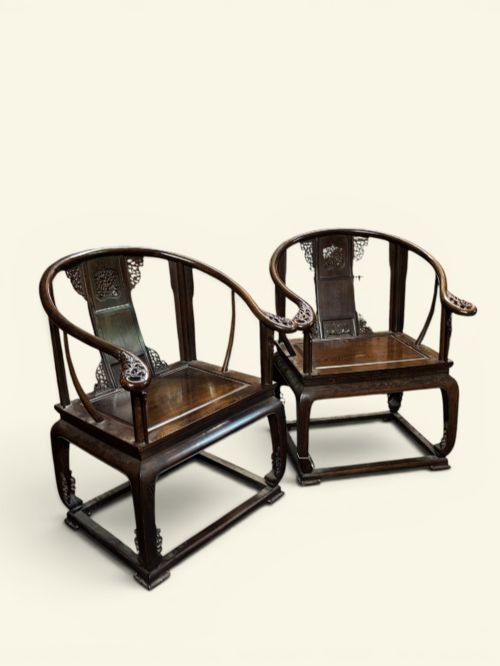
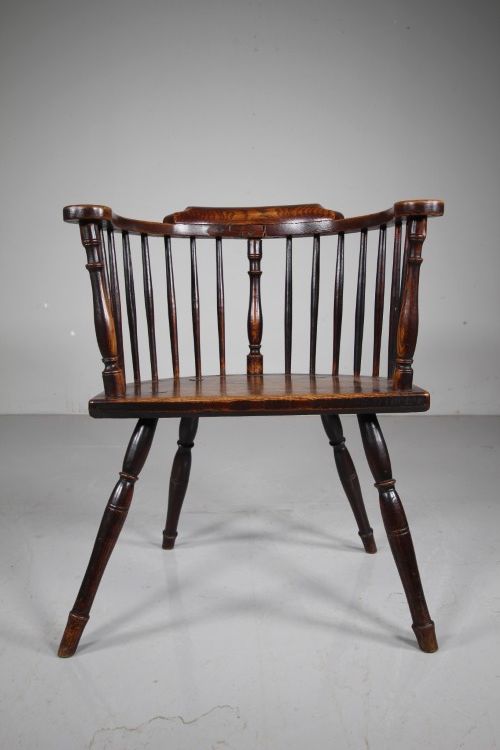
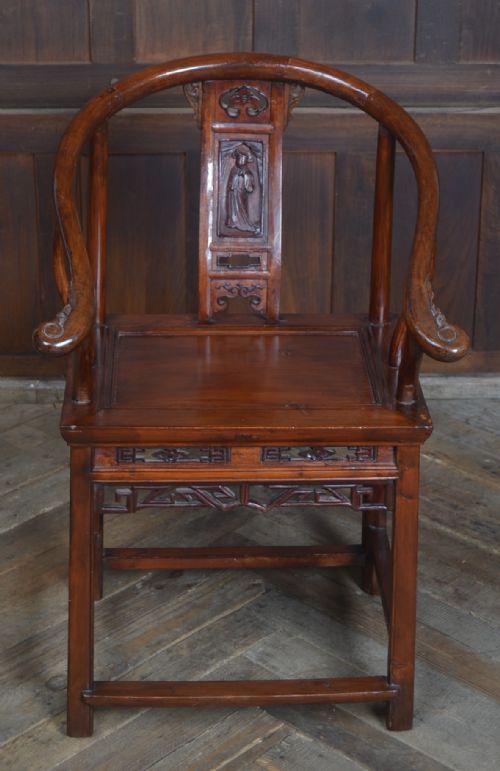
The Chinese versions predominate in the current selection, manifesting as hardwood armchairs, folding seats, and painted or lacquered examples dating from the Qing dynasty period and later. English country interpretations also appear, represented by elm and oak captain chairs and elbow chairs from the Georgian and Victorian eras.
Buyers find configurations ranging from individual accent chairs and pairs to sets and larger hall benches incorporating the characteristic horseshoe shape. These pieces function successfully as desk chairs, accent seating, or statement armchairs within various interior schemes.
How they were made
Traditional horseshoe chairs rely heavily on timber selection, with makers utilising elm, oak, mahogany, and various dense Asian hardwoods to construct the demanding curved components. Steaming and multi-piece joinery allow the top rail to form its continuous sweep without compromising structural integrity.
Surface treatments vary widely across the inventory, incorporating traditional Chinese lacquer work, painted finishes, pickled wood treatments, and brass inlay details. English country examples demonstrate traditional joinery techniques in solid elm and oak, occasionally complemented by leather upholstery or canework.
Traditional Horseshoe Chair Retail Price Guide 2026
Typical asking prices for traditional horseshoe chair among the pieces listed under this phrase on Sellingantiques today, from the lower quarter to the upper quarter. They describe what is for sale here now, not the wider market.
The inventory combines nineteenth-century Chinese hardwood and lacquered seating with eighteenth-century English elm country chairs.
What varies in quality
The distinction between standard examples and superior traditional horseshoe chair specimens lies in the execution of the complex joinery required for the curved back rail. Finer pieces maintain tight, stable joints where the crenib rail meets the arm posts, whilst lesser examples show heavier structural intervention over time.
Material quality and decorative preservation also dictate standing, with original lacquer, undisturbed patination, and intricate brass inlays elevating certain pieces. The overall crispness of carving and the balance of the proportions determine whether a chair transcends functional seating to become an accomplished work of craftsmanship.
The Traditional Horseshoe Chair Glossary
- Horseshoe-back
- A chair design featuring a continuous curved rail that forms both the backrest and the armrests in a single sweeping arc. This ergonomic shape provides wraparound support for the occupant.
- Elm
- A resilient native hardwood frequently utilised in English country furniture making for its interlocking grain and resistance to splitting. It forms the basis of many traditional regional chairs.
- Captain chair
- A sturdy wooden armchair with a rounded low back, traditionally utilised in maritime settings, offices, or country houses. They offer robust seating suited to daily utility.
- Pickled finish
- A surface treatment where a corrosive solution or white pigment is applied to timber to lighten the grain and highlight the texture. It appears on certain Asian hardwood examples.
Traditional Horseshoe Chair: Frequently Asked Questions
What is a traditional horseshoe chair?
A traditional horseshoe chair is a seating form characterised by a semicircular backrest and arm rail that sweeps downward in one continuous curve. Originating in classic Chinese furniture design and also appearing in Western vernacular forms, this shape supports the arms naturally.
These chairs serve as versatile accent pieces, desk chairs, or occasional seating. Their sculptural silhouette makes them distinct visual additions to contemporary and traditional interiors alike.
How do I care for a lacquered chair?
Lacquered traditional horseshoe chairs require gentle maintenance to preserve their finish. Keep them away from direct sunlight, extreme temperature fluctuations, and excessive moisture to prevent cracking.
Dust the surface regularly with a soft, dry cloth and avoid harsh chemical polishes or abrasive cleaners. Wax should only be applied if the specific lacquer type permits.
Where were horseshoe chairs placed?
Historically, horseshoe chairs held prominent positions in reception rooms, studies, and scholarly settings. Their comfortable armrests and supportive curved backs made them suitable for prolonged sitting during conversation or reading.
In modern spaces, they function effectively as standalone accent chairs in living areas or as statement seating around a desk or low table.
How do I distinguish English from Chinese versions?
English country versions generally utilise timbers like elm and oak with simpler turned or spindle supports reflecting regional vernacular traditions. They often align with Georgian or Victorian furniture styles.
Chinese interpretations frequently employ dense Asian hardwoods, lacquer, or brass inlay, adhering to Ming and Qing dynasty design principles with floating panel seats and sweeping joinery.