

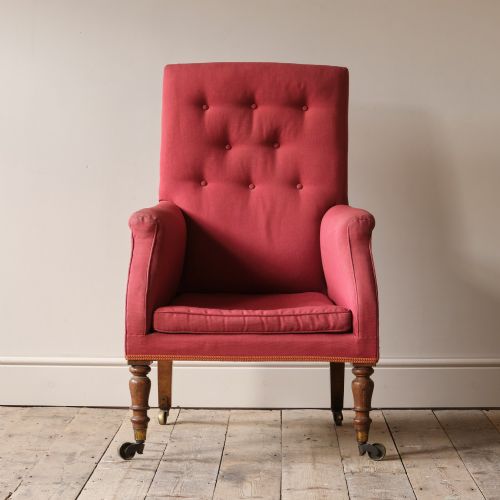
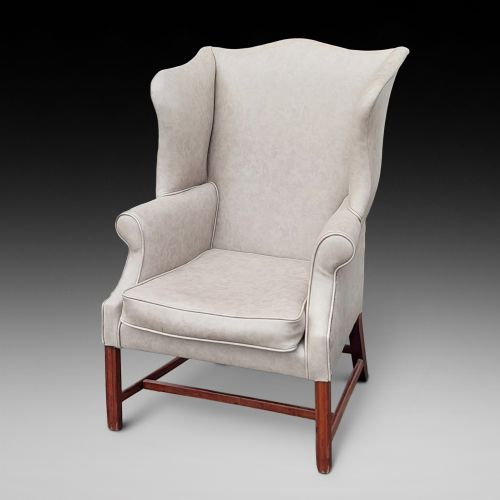
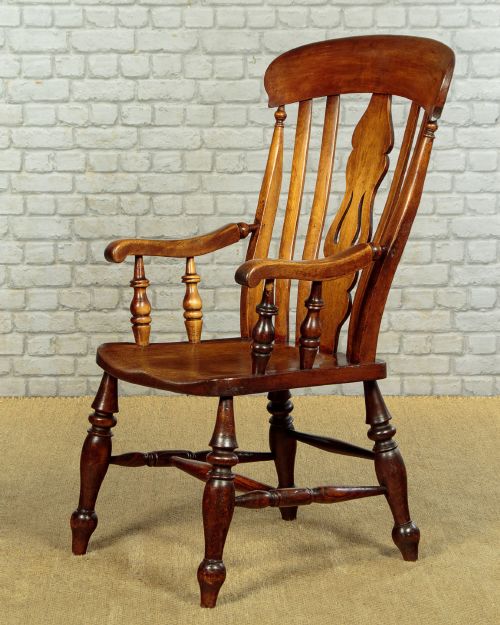
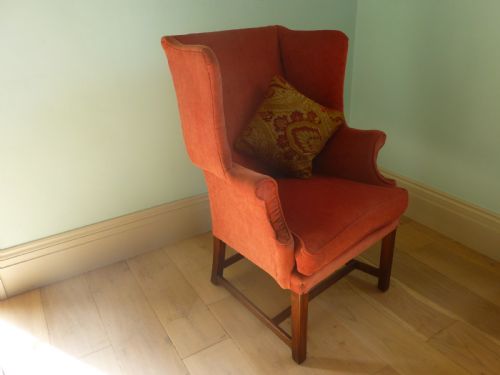
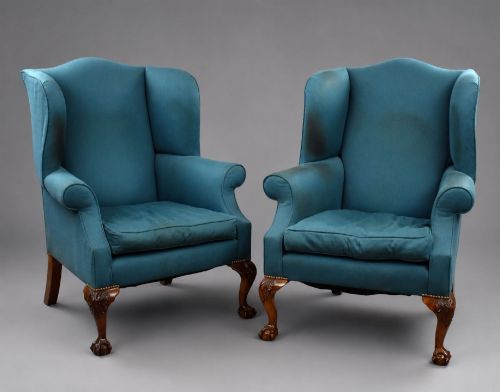


Traditional Highback Chair
These traditional highback chair selections offer period seating designed to protect against draughts and provide upright support.
Traditional Highback Chair
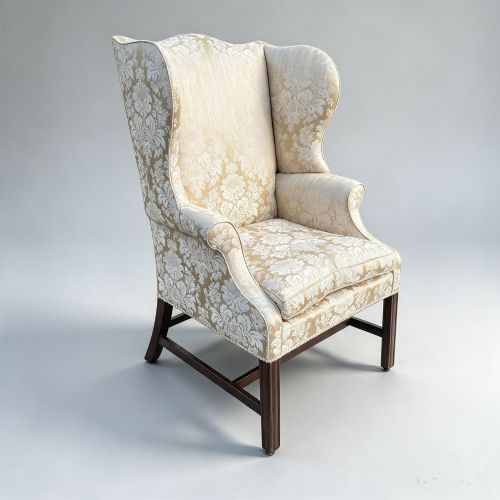
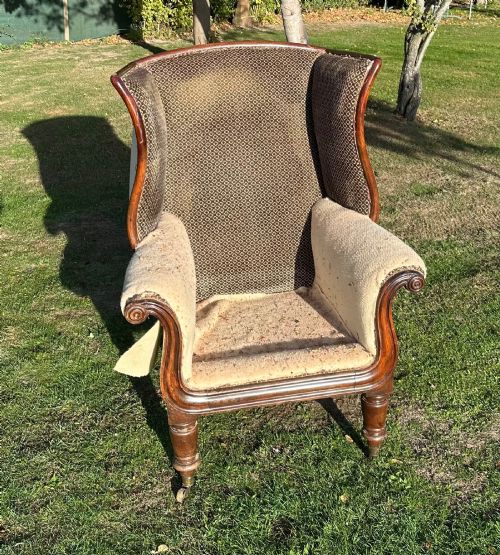
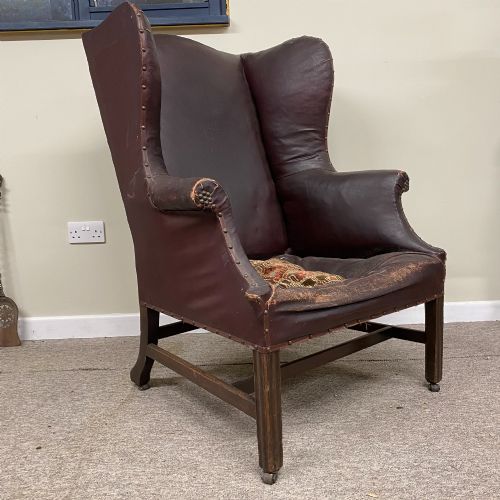
A traditional highback chair encompasses tall upholstered wingchairs from the eighteenth and nineteenth centuries alongside timber framed dining sets and Windsor forms. Buyers exploring this category encounter pieces originating from Victorian periods, the nineteen-twenties, and eighteen-hundreds, reflecting diverse regional craftsmanship.
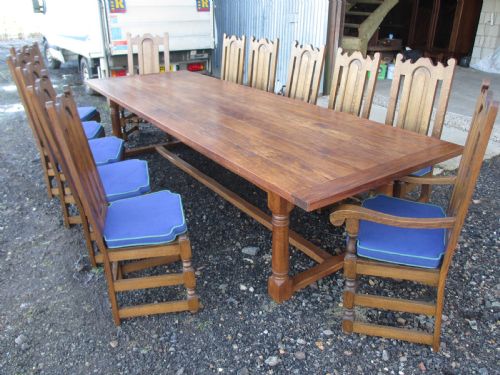
The most common examples on this page are sturdy oak dining chairs and substantial upholstered armchairs featuring high profiles. These items bridge formal parlour seating and robust country house furniture, utilising traditional joinery and silhouette designs.
Materials and construction methods
Makers utilised solid timbers such as mahogany, oak, elm, and yew wood to build the foundational frames, ensuring structural integrity for upright seating. Joinery techniques relied on pegged mortise and tenon joints for wooden components, while Windsor styles incorporated turned spindles and bentwood elements.
Upholstered versions combined internal webbing and hessian support with coverings in leather, fabric, calico, and chenille twill, often secured using brass tacks. Natural stuffing materials filled the high panels designed to shield occupants from cold air currents.
Traditional Highback Chair Retail Price Guide 2026
Typical asking prices for traditional highback chair among the pieces listed under this phrase on Sellingantiques today, from the lower quarter to the upper quarter. They describe what is for sale here now, not the wider market.
Some highback chairs include hidden box seats beneath the cushions, offering early domestic storage disguised as formal parlour furniture.
Distinctions in construction and material standard
Quality varies according to the selection of timber and the precision of the frame joinery, with denser hardwoods commanding greater durability. Original framing timbers display superior grain depth and structural tightness compared to later reproductions.
The standard of upholstery work and the integrity of internal padding dictate the comfort and historical preservation of cushioned examples. Pieces retaining original timber patination and honest surface wear exhibit higher integrity than heavily altered alternatives.
The Traditional Highback Chair Glossary
- Wingchair
- An upholstered armchair featuring side panels designed to trap heat from a fireplace and deflect draughts. These tall backrests characterise much of the formal seating in this category.
- Windsor chair
- A wooden seating form constructed with a solid elm or yew seat into which the legs and back spindles are separately bored. They offer robust utility with distinctive turned components.
- Chenille twill
- A woven fabric utilising fuzzy yarn piled perpendicular to the base threads, creating a soft texture. This material appears frequently on nineteenth century upholstered armchairs.
Traditional Highback Chair: Frequently Asked Questions
What is a traditional highback chair?
A traditional highback chair is a tall seating form designed historically to provide head support and protection from draughts in older homes. The category spans upholstered wing chairs, solid timber dining seats, and Windsor writing or parlour chairs.
These pieces derive from various historical eras including the eighteenth, nineteenth, and early twentieth centuries. They utilise materials like mahogany, oak, and yew alongside traditional fabric or leather upholstery.
How were highback chairs used?
Highback chairs were placed near fireplaces or in draughty hallways to keep the occupant warm by blocking cold air currents with their tall panels. Winged versions specifically trapped heat around the head and shoulders.
Dining variants provided upright posture during formal meals in grand houses and country residences alike. Their elevated backs also denoted status and offered physical comfort during long periods indoors.
How do I care for antique wood and upholstery?
Maintain wooden frames by applying appropriate wax polish occasionally to nourish the timber without building up heavy residue. Keep antique chairs away from direct heat sources and strong sunlight to prevent wood splitting and fabric fading.
Vacuum upholstered surfaces gently with a soft brush attachment to remove dust without stressing fragile historical textiles. Professional conservationists should handle deeper cleaning or structural repairs to preserve original materials.
How can I tell different periods apart?
Stylistic details and timber choices help distinguish between eighteenth, nineteenth, and twentieth century pieces. Earlier items often display hand-carved motifs and heavier proportions, while revival pieces from later decades emulate these historical characteristics.
Examining the construction methods underneath, such as joint types and fastener usage, reveals the era of manufacture. Eighteenth and nineteenth century pieces show distinct tool marks and construction nuances compared to twentieth century workshop production.