

Traditional High Back Seat
A traditional high back seat provides deep comfort and historic character, spanning robust oak settles and elegant Windsor armchairs.
Traditional High Back Seat
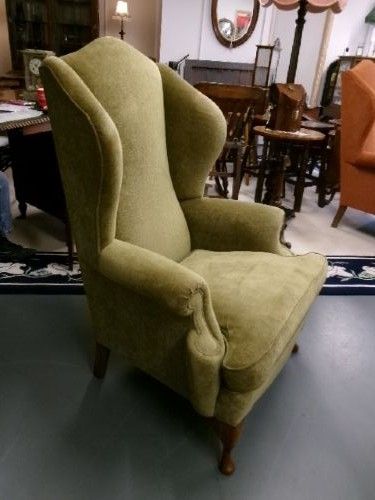
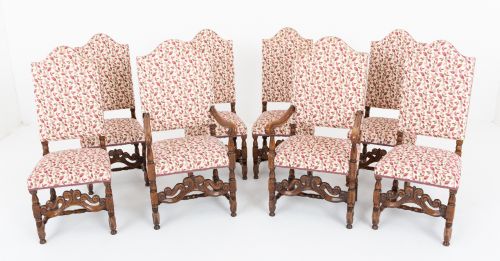
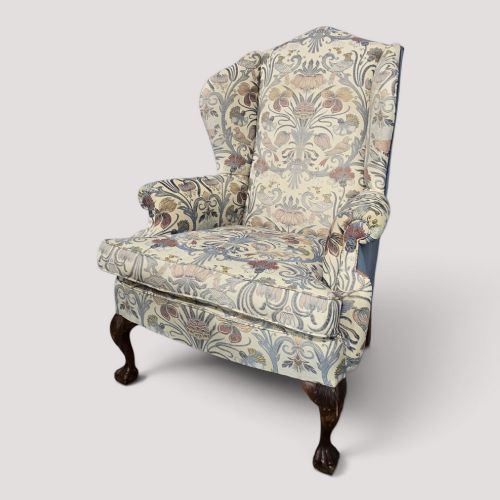
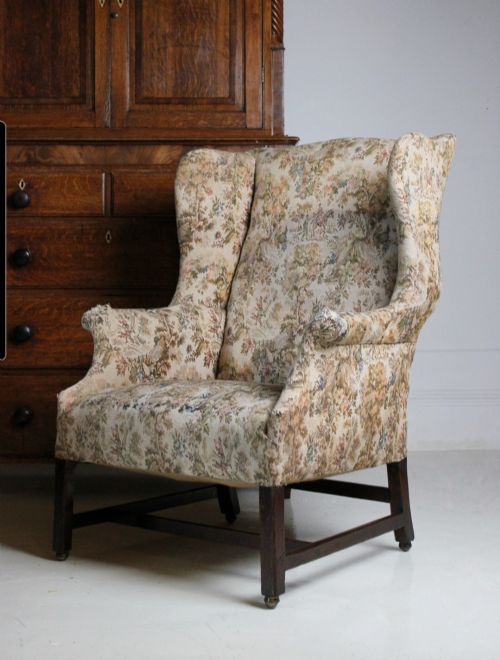
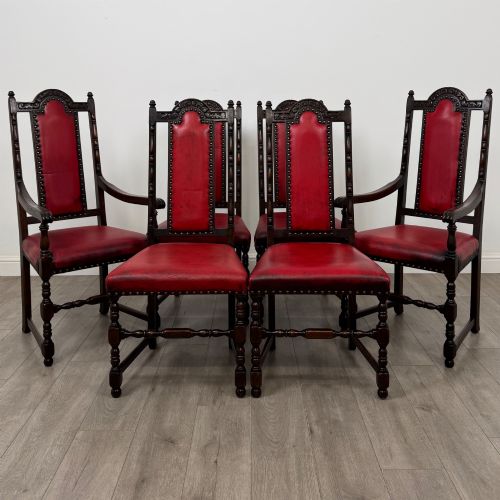
A traditional high back seat encompasses substantial oak settles, Windsor armchairs, and high-backed dining chairs designed to shield occupants from drafts. These forms originate from centuries of domestic life, appearing across Georgian, Victorian, and Edwardian periods.
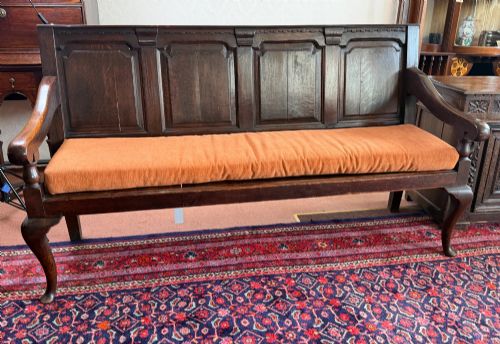
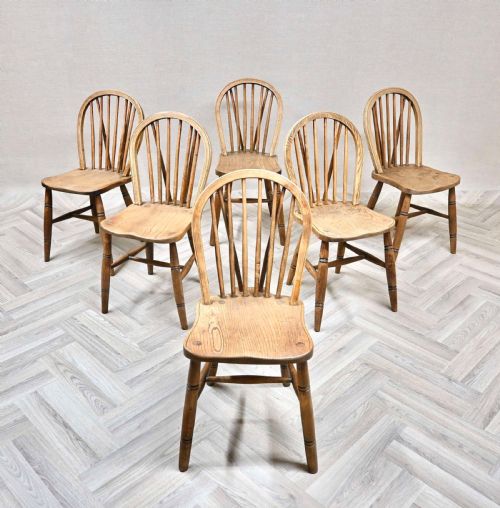
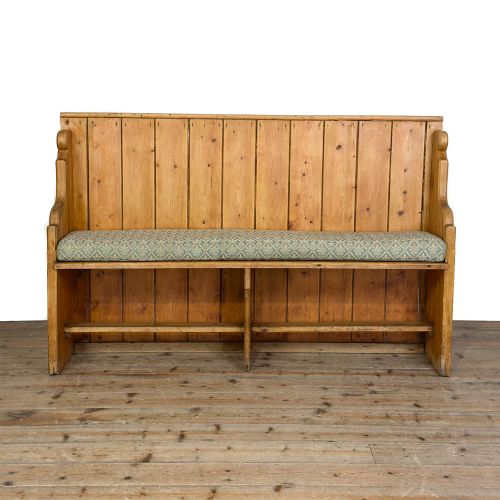
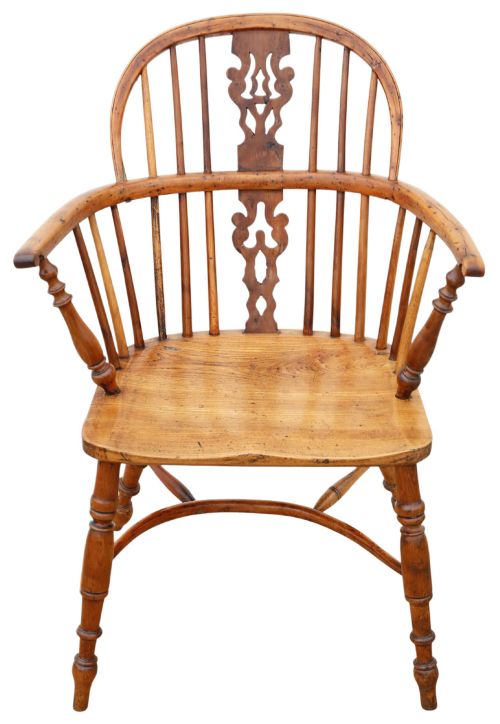
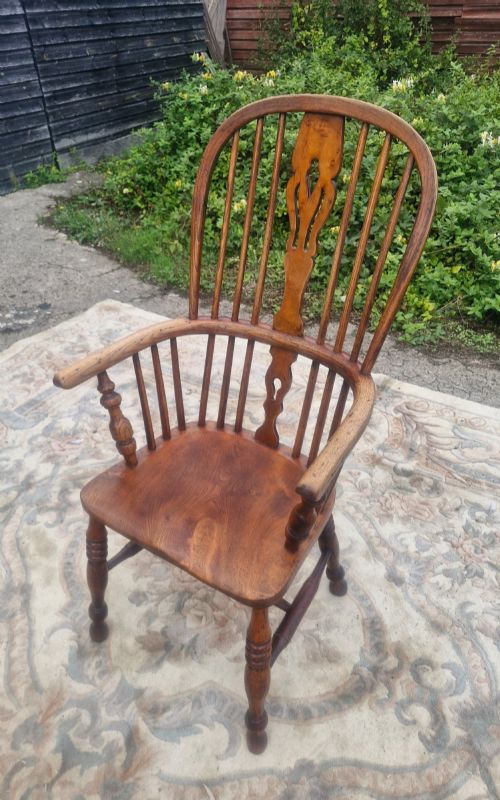
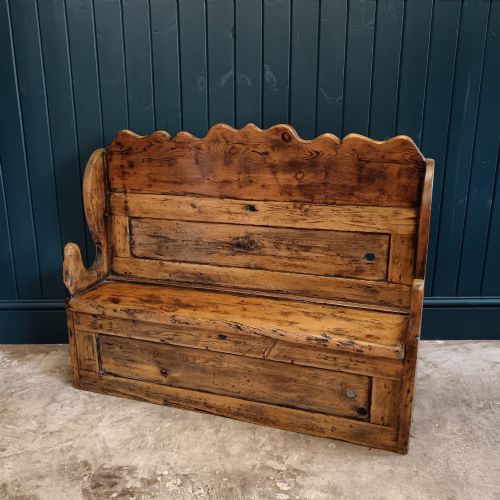
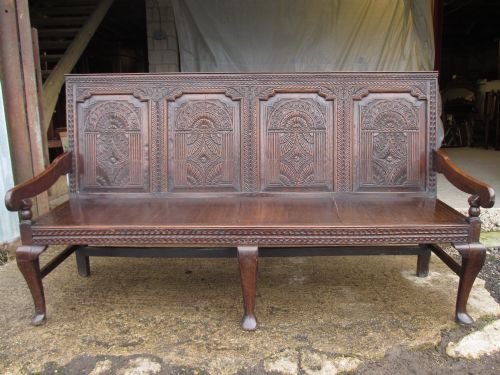
Settles fashioned from solid oak or pine dominate the bench category, often featuring panelled backs and box storage beneath. Windsor chairs in elm, ash, and yew offer arched backs with spindle or pierced splat designs.
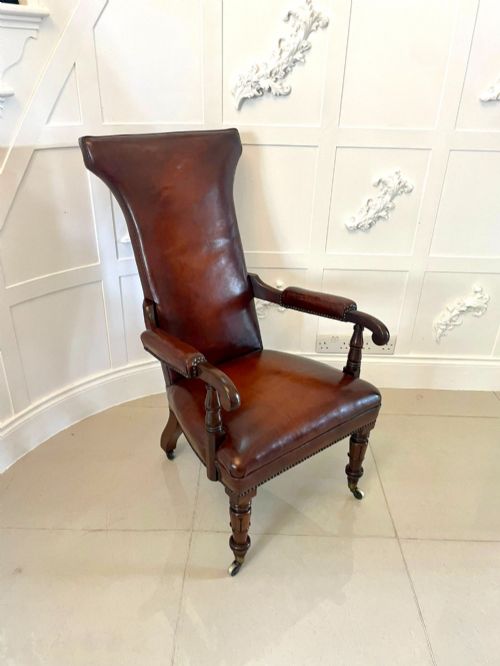
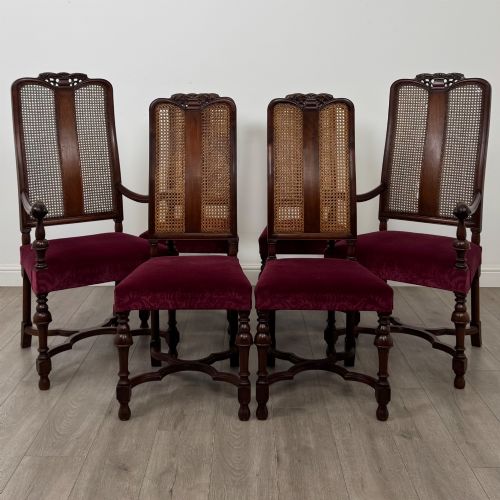
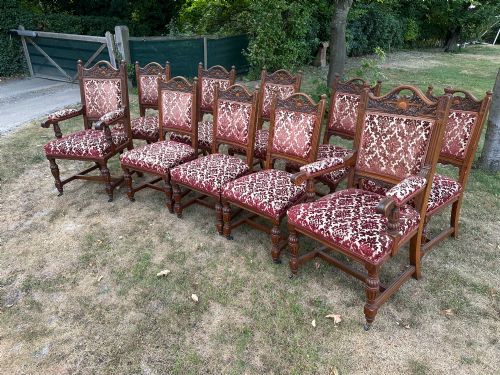
Dining and library chairs from the nineteenth and early twentieth centuries also adopt elevated profiles, utilising mahogany, walnut, and cane. English country and Jacobean revival styles recur frequently among these diverse seating forms.
How they were made
Cabinetmakers utilised sturdy native timbers like oak, elm, ash, and yew, constructing frames with traditional mortise and tenon joints. Windsor chairs relied on bodging techniques, turning spindles on pole lathes and wedging legs directly into solid seats.
Upholstered variants integrated brass tacks, webbing, and horsehair stuffing beneath textiles such as velvet, leather, and calico. Panelled settles employed tongue and groove boarding for backrests, securing structural integrity without modern adhesives.
The documented forms range from solid board settles and Windsor armchairs to library chairs and high-backed dining sets.
What varies in quality
The distinction between ordinary and exceptional pieces rests upon the integrity of the timber and the crispness of hand-carved details. Early oak settles display deep patination and solid board seats that have survived centuries of daily use without losing their proportions.
Windsor armchairs derive their distinction from the grace of the bow, the sharpness of pierced splats, and the harmonious combination of elm seats with ash or yew spindles. Later revival pieces differ according to the weight of the timber and the fidelity of their period proportions.
The Traditional High Back Seat Glossary
- Settle
- A wooden bench with a high back, solid arms, and often a storage box beneath the seat. This form sheltered medieval and later household inhabitants from cold draughts.
- Windsor chair
- A chair built with a solid wooden seat into which the legs and back spindles are separately bored. Regional variations include comb backs and pierced splats.
- Patina
- The surface sheen and deep colour developed by wood through age, handling, and polishing. It marks the authentic passage of time on antique furniture.
- Carver
- An armchair, usually designed to match a set of smaller dining chairs for the head of a table. These pieces often feature scrolling elbows.
- Splatt
- A central vertical strip of wood in the back of a chair, sometimes pierced or carved for decoration. It provides lumbar support while defining the chair's style.
Traditional High Back Seat: Frequently Asked Questions
What defines a traditional high back seat?
These pieces include wooden settles, Windsor armchairs, and tall dining chairs originating from eighteenth, nineteenth, and early twentieth century workshops. Their primary characteristic is an elevated backrest designed historically for warmth and presence.
They appear in materials such as oak, elm, ash, and mahogany, reflecting English country and revival styles. Each form serves a distinct function within domestic architecture.
How were settles used historically?
Settles stood near hearths in farmhouses and public houses to block cold air circulating across flagstone floors. The high wooden back created a microclimate of warmth around the seated occupant.
Many examples incorporated enclosed box bases beneath the seat for storing blankets or provisions. This dual purpose made them central items of furniture in communal rooms.
How do I care for antique wooden seating?
Protect antique wood by maintaining stable room humidity and avoiding direct placement near heat sources. Regular dusting with a dry cloth preserves the finish without damaging the surface.
Application of appropriate beeswax feeds dry timber and enhances the natural patina over time. Upholstered sections require gentle vacuuming according to the specific fabric type.
How can I tell different periods apart?
Eighteenth century examples often display heavier oak construction with pegged joints and simpler board seats. Victorian and Edwardian pieces frequently incorporate revival styles, lighter turned spindles, and inlaid mahogany.
Tool marks, timber species, and construction methods offer clear physical evidence of the era in which a piece was built. Examining the underside and joinery reveals these chronological indicators.