




Traditional Hearth Spark Screen
These traditional hearth spark screen pieces are protective barriers designed to keep rooms safe from spitting embers, offering practical charm for any working fireplace.
Traditional Hearth Spark Screen
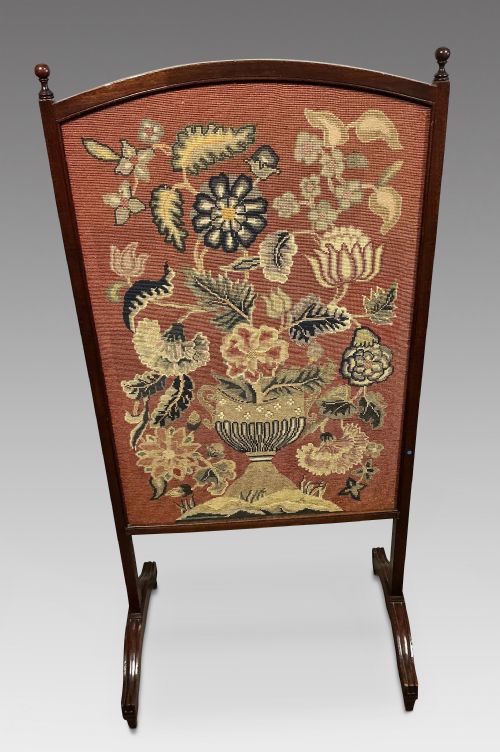
A traditional hearth spark screen is an essential fireplace accessory designed to protect living spaces from stray embers and sparks. When exploring this selection, buyers encounter various forms including fire screens, fire guards, and nursery fenders dating from the 19th century through the Edwardian period and the 1920s.
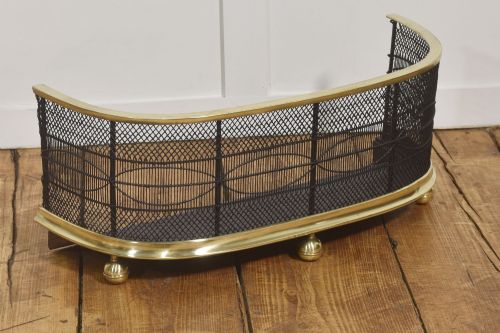
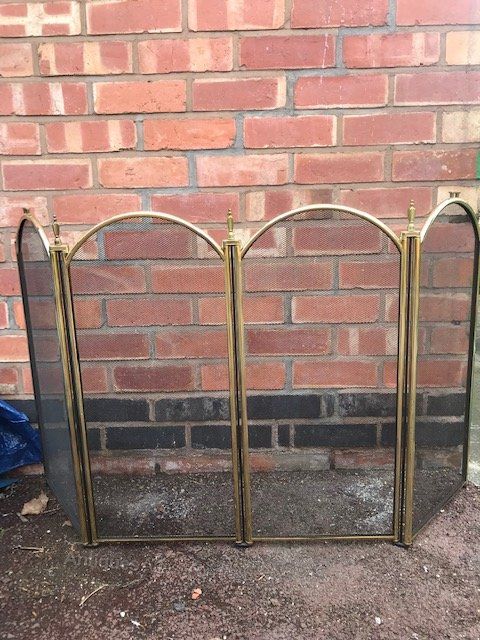
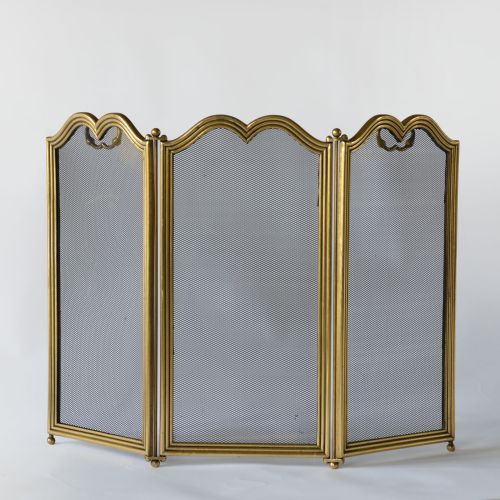
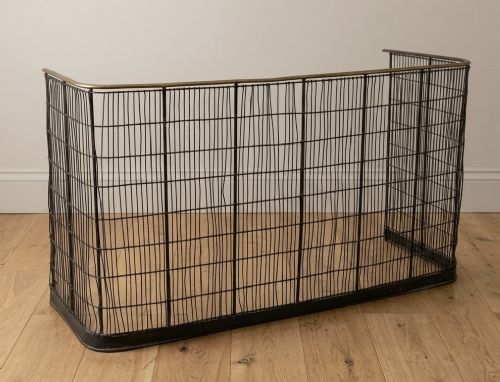
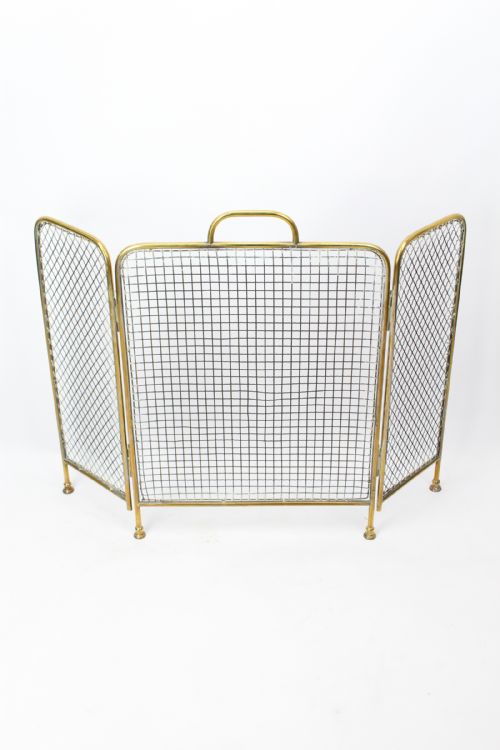
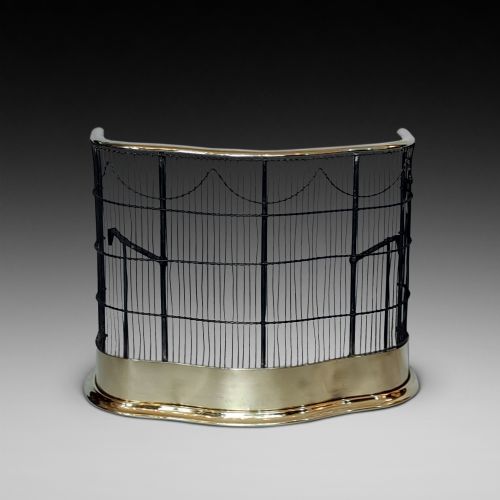
Among these items, buyers frequently meet folding brass spark guards, serpentine fire guards, and wrought iron nursery fenders. These pieces combine functional safety with period character, originating from eras spanning the 1890s, 1900, 1920, and 1930.
Assessing quality in fireplace guards
Quality reveals itself in the substantial weight of the metalwork, the tightness and uniformity of the wire mesh, and the precision of the hinges on folding sections. Heavier gauges of iron and brass indicate superior durability and stability around the hearth.
Refinement in design distinguishes standard utilitarian guards from pieces featuring decorative brass rims, shaped serpentine fronts, or architectural Gothic Revival details. The integration of functional elements, such as secure top rails or clothes rails, also marks higher tier craftsmanship.
Styles represented across the inventory include Victorian, Edwardian, Gothic Revival, Arts and Crafts, and English Country House designs.
The Traditional Hearth Spark Screen Glossary
- Nursery fender
- A low, protective barrier enclosing the entire hearth area to keep children and pets at a safe distance from the fire. These guards often incorporate a brass top rail or integrated clothes rail.
- Spark guard
- A portable screen designed specifically to intercept flying embers and sparks from an open fire. They appear in single-panel, tripartite, and multi-folding section formats.
- Demi-lune
- A half-moon or semicircular shape utilised in the footprint of specific fire guards to fit snugly against the hearth curve. This configuration provides curved protection around the fireplace opening.
- Wirework
- An arrangement of woven or twisted metal wires forming the mesh screen of the guard. Fine mesh variations allow maximum heat radiation while stopping even the smallest embers.
- Gate-fronted
- A design featuring an opening gate or door section within the main fire guard framework. This allows easy access for tending the fire without dismantling the entire barrier.
Traditional Hearth Spark Screen: Frequently Asked Questions
What is a traditional hearth spark screen used for?
These screens serve primarily to catch flying sparks and embers from an open fire, protecting flooring and furnishings.
They also establish a physical perimeter around the hearth, enhancing safety for households with children or pets.
How do I choose the right size fire guard?
Measure the width and depth of your hearth opening to ensure the guard covers the entire fire zone adequately.
Consider whether a flat screen, a demi-lune shape, or a multi-folding section fits your specific fireplace arrangement best.
How do I date a vintage fire screen?
Examine the materials, construction methods, and stylistic cues such as Victorian brass ornamentation or Edwardian wirework.
Heavier wrought iron examples often point toward 19th-century origins, while copper mesh designs frequently align with 1920s production.
Can these screens be used with modern fireplaces?
These traditional metal and mesh screens function effectively with any open hearth, whether burning wood or coal.
Their historical designs add period character to contemporary living spaces while performing their original safety function.