




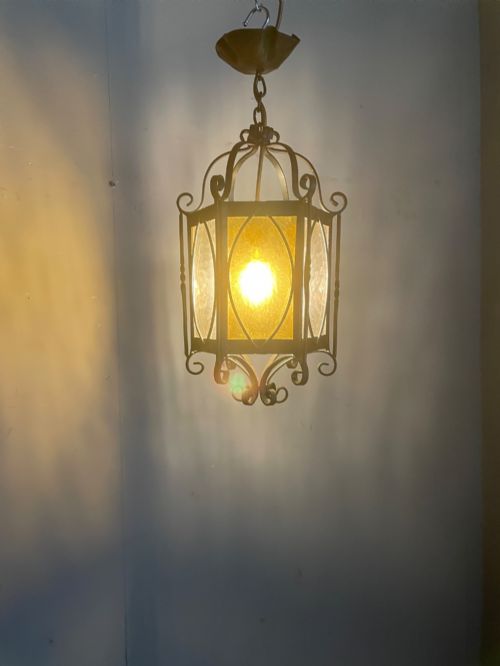
Traditional Hanging Ceiling Lamp
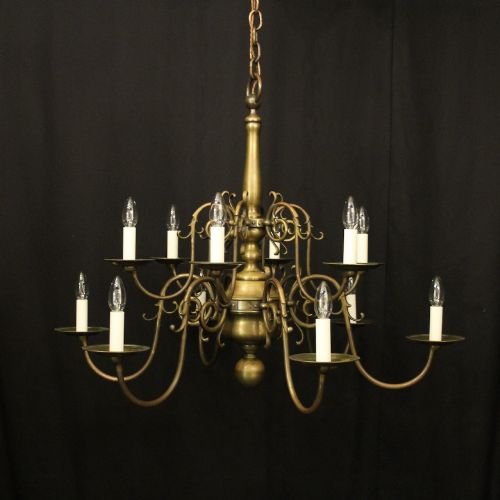
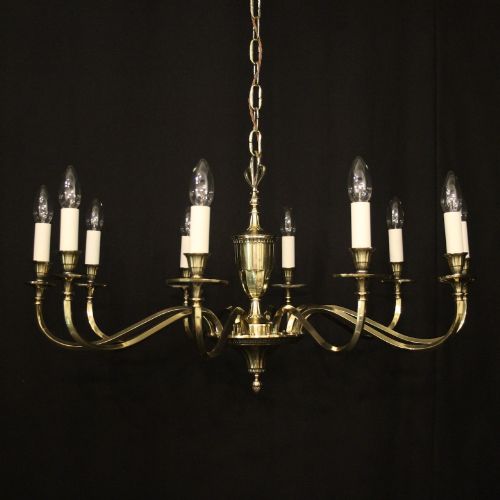
Traditional hanging ceiling lamp examples range from brass hall lanterns to ornate crystal chandeliers spanning the Victorian and Edwardian eras.
Traditional Hanging Ceiling Lamp
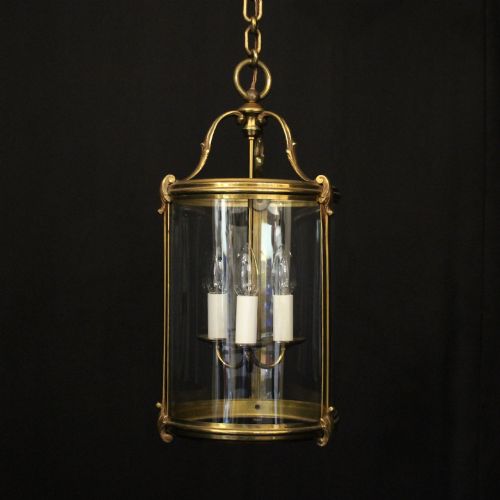
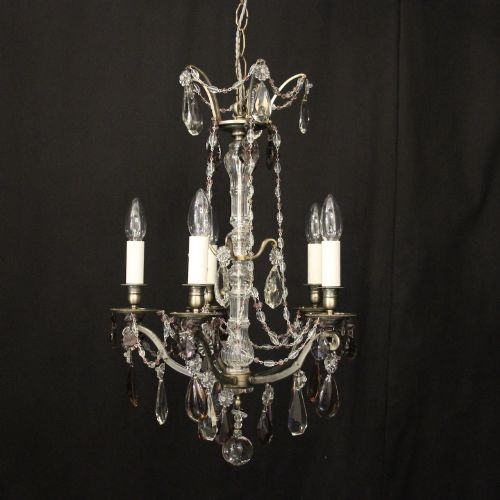
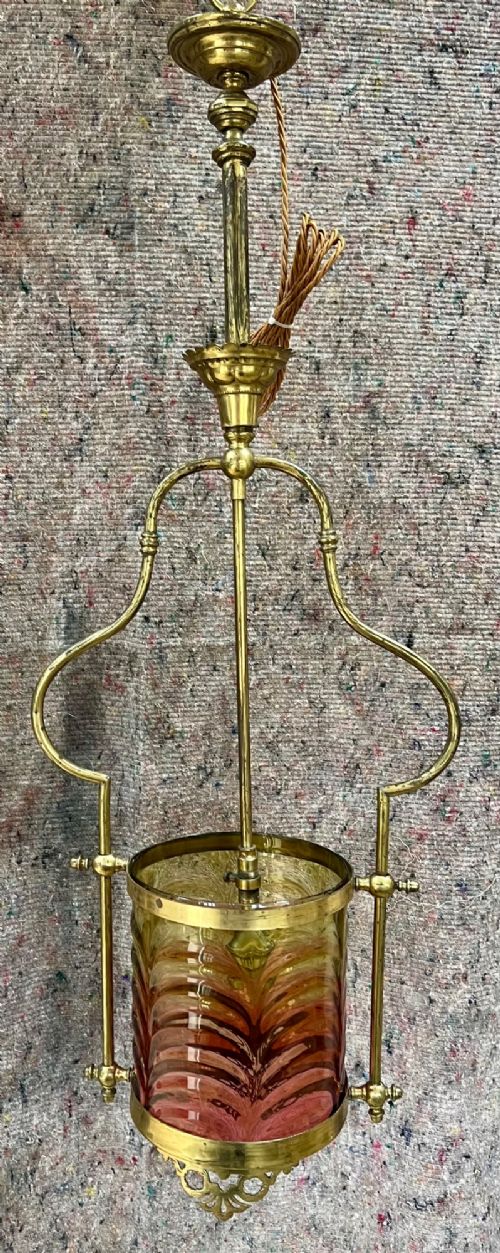
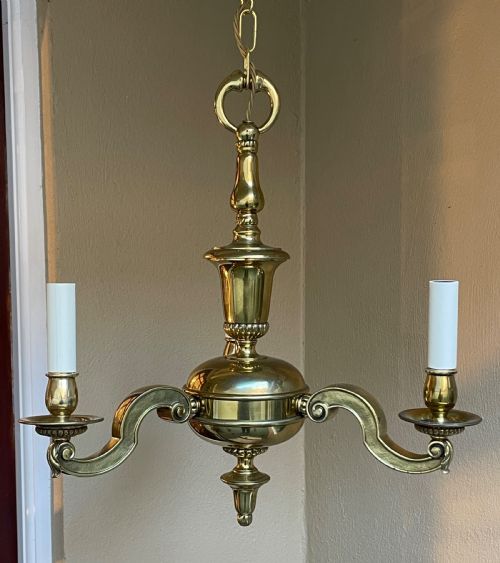
A traditional hanging ceiling lamp encompasses a variety of antique lighting forms designed to suspend from overhead, including multi-branch chandeliers, hall lanterns, and single pendant lights. When exploring this selection, a buyer encounters pieces originating from the nineteenth century through the early twentieth century, taking stylistic cues from periods like the Edwardian and Victorian eras.
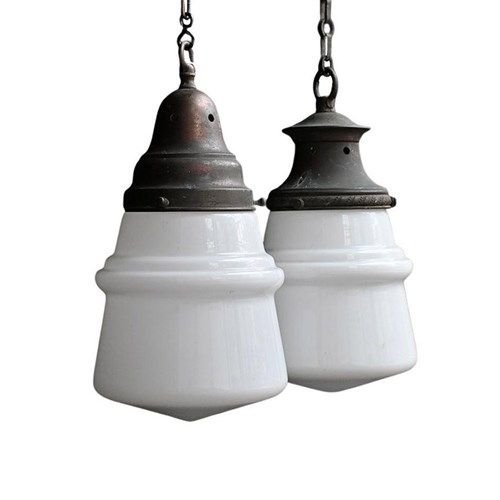
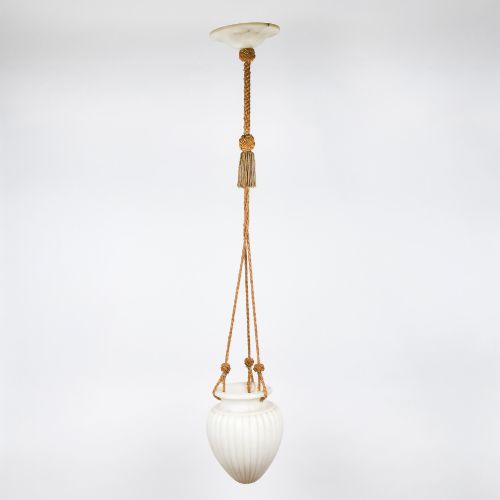
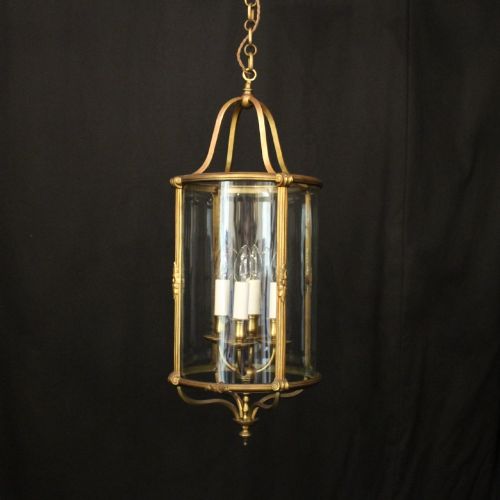
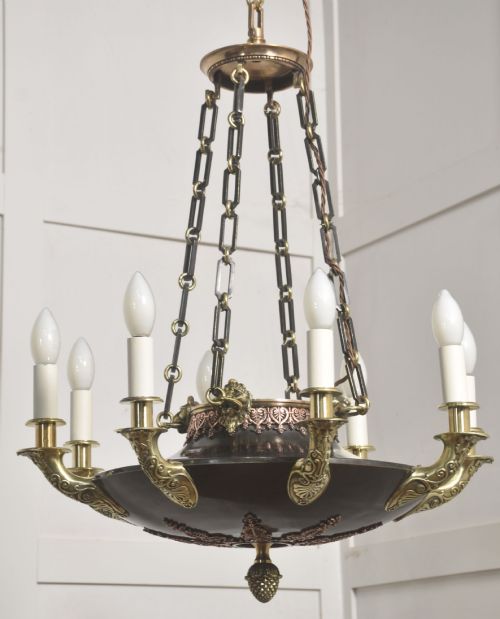
The objects take many forms, from simple brass frames holding glass panels to elaborate multi-light fixtures draped in cut crystal. French and English influences dominate the selection, manifesting in styles such as French Rococo, Empire Revival, and Classical Revival. Hall lanterns and pendant lights frequently feature in brass, bronze, or copper constructions suited to entranceways and principal rooms.
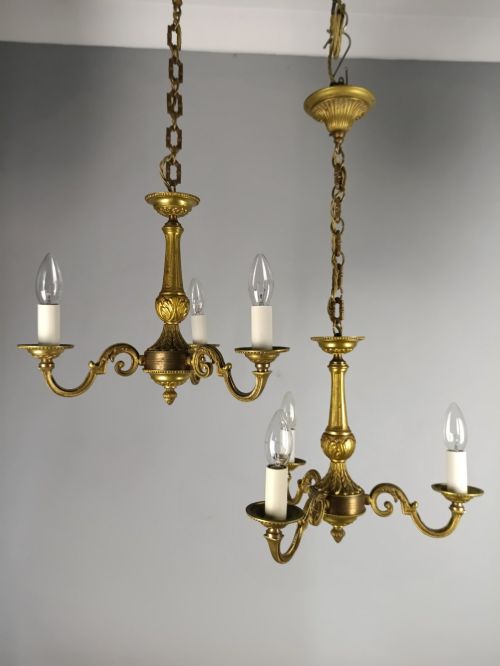
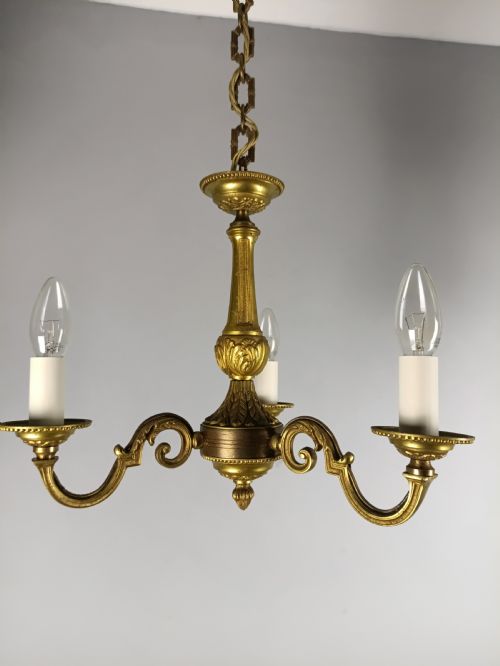
Buyers frequently meet fixtures bearing multiple candle-style arms alongside enclosed lanterns with glazed sides. The inventory demonstrates a strong representation of cast brass and gilded bronze frames, often incorporating decorative motifs like acanthus leaves or shaped glass bowls. These overhead lights serve both functional illumination and decorative architectural purposes within domestic spaces.
Materials and construction techniques
Metalworking forms the core of these traditional hanging ceiling lamp fixtures, utilising cast brass, bronze, copper, and wrought iron for structural frames and arms. Makers employed gilding, silvering, and bronzing treatments on metal surfaces to achieve specific decorative finishes, sometimes combining multiple metals within a single piece.
Glass and crystal components are integrated extensively through cut glass drops, blown glass shades, convex lantern panels, and opalescent bowls. Crystal prisms and drops are typically wired or pinned to metal armatures, while lanterns rely on glazed panels secured within brass or copper framing to diffuse the internal light source.
Traditional Hanging Ceiling Lamp Retail Price Guide 2026
Typical asking prices for traditional hanging ceiling lamp among the pieces listed under this phrase on Sellingantiques today, from the lower quarter to the upper quarter. They describe what is for sale here now, not the wider market.
Listings feature pieces spanning the 19th Century, Victorian, Edwardian, 1900, 1910, 1920, and 1930 periods.
Distinguishing quality across the range
The calibre of a traditional hanging ceiling lamp rests upon the crispness of its metal castings and the purity of its glass elements. Finer pieces display sharply rendered details on mounts like acanthus leaves, whereas lesser examples exhibit softer, more generalised surface ornament.
Construction methods also separate standard production from superior work, observable in the weight of the metal used and the method of securing crystal drops. Heavier bronze frames and hand-cut crystal components indicate higher workshop standards during periods such as the Edwardian era and the 1920s.
G.E.C
The Traditional Hanging Ceiling Lamp Glossary
- Chandelier
- A branched ornamental lighting fixture suspended from the ceiling designed to hold multiple lamps or candles. These fixtures range from simple cast brass branches to elaborate crystal-draped designs.
- Plafonnier
- A ceiling-mounted or close-hanging light fixture featuring a bowl-shaped glass shade. They often utilise cut glass or pressed glass designs popular in the early twentieth century.
- Tent and bag chandelier
- A lighting form where strings of small beads form a tent shape above a bag-like lower section composed of further crystal drops. This style is frequently seen in English cut glass pieces from the Victorian period.
- Rise and fall
- A mechanical pulley system allowing the height of the hanging lamp to be adjusted up and down. This practical mechanism appears on select Edwardian brass fixtures.
- Gallery
- The metal rim or collar that grips and secures a glass shade to the suspension fitting. Galleries are commonly cast from brass or chrome.
Traditional Hanging Ceiling Lamp: Frequently Asked Questions
Where should a traditional hanging ceiling lamp be hung?
These fixtures suit spaces with adequate vertical clearance, such as entrance halls, stairwells, and principal living rooms. Hall lanterns work particularly well in narrow corridors where a flush or semi-pendant profile preserves walkway space.
Larger multi-branch chandeliers require higher ceilings to properly anchor a room visually and physically. Positioning them above dining tables or in the centre of reception rooms allows the metalwork and glass to function as a focal point.
How do I distinguish Edwardian fixtures from Victorian ones?
Victorian lighting often favours heavier, more robust metalwork and occasionally incorporates Arts and Crafts opalescent glass elements. The overall aesthetic leans towards ornate or heavily ornamented designs.
Edwardian pieces generally introduce lighter brass framing, cleaner lines, and more refined classical revival details. Hall lanterns and rise and fall mechanisms became particularly popular during this later period.
Are these lamps wired for modern electricity?
Most antique fixtures found on the market have been adapted for modern electrical standards over time. It remains sensible to check the internal wiring and have a qualified electrician inspect the fitting before installation.
Rewiring older pieces ensures they meet current safety regulations while preserving the original metal and glass housing. The weight of heavy bronze or crystal fixtures also requires secure ceiling anchoring.
What maintenance do crystal and brass lamps require?
Brass components benefit from gentle dusting and occasional cleaning with appropriate metal care products to maintain their finish. Abrasive cleaners should be avoided to prevent stripping original patination or gilt layers.
Crystal drops and glass panels can be cleaned carefully with mild soapy water while attached, or unpinned for a deeper clean. Regular maintenance prevents dust accumulation and keeps the glass reflecting light effectively.