

Traditional Hall Furniture
Traditional hall furniture comprises seating, stands and tables designed to greet visitors, spanning centuries of practical domestic craft.
Traditional Hall Furniture
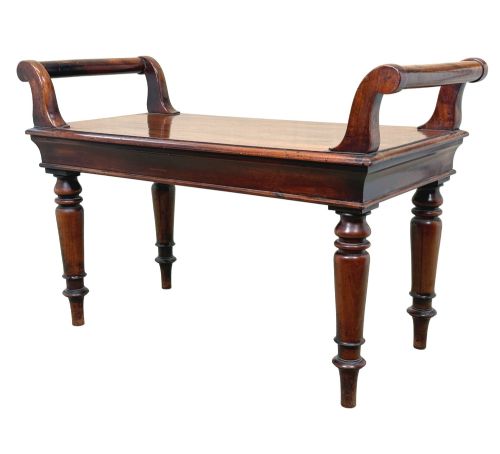
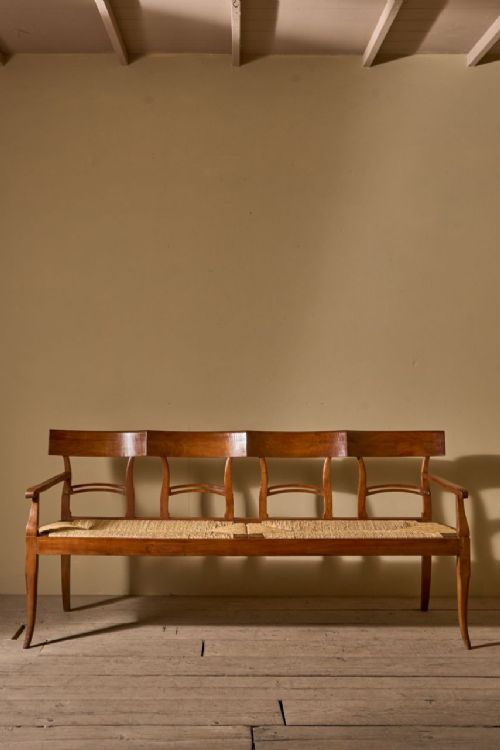
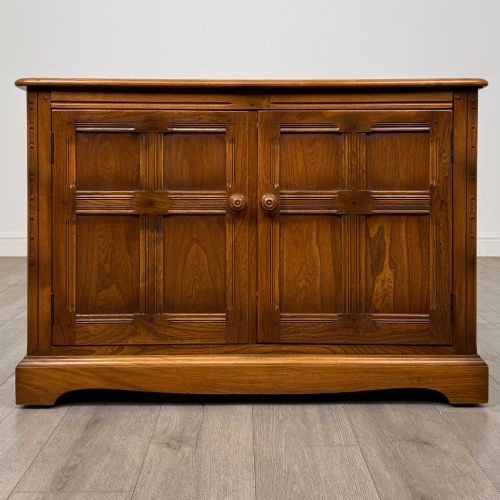
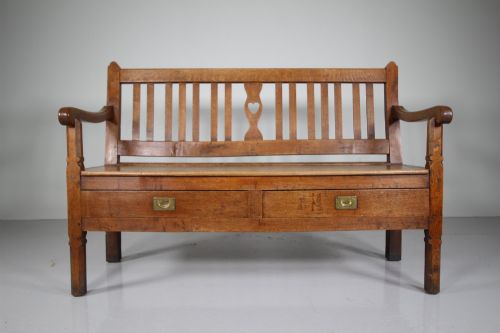
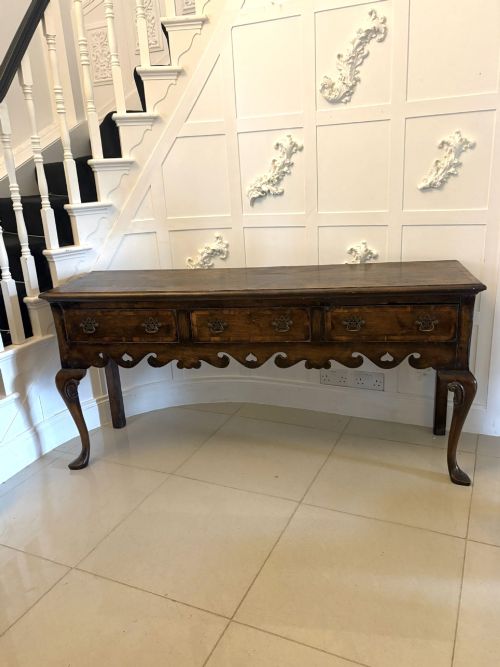
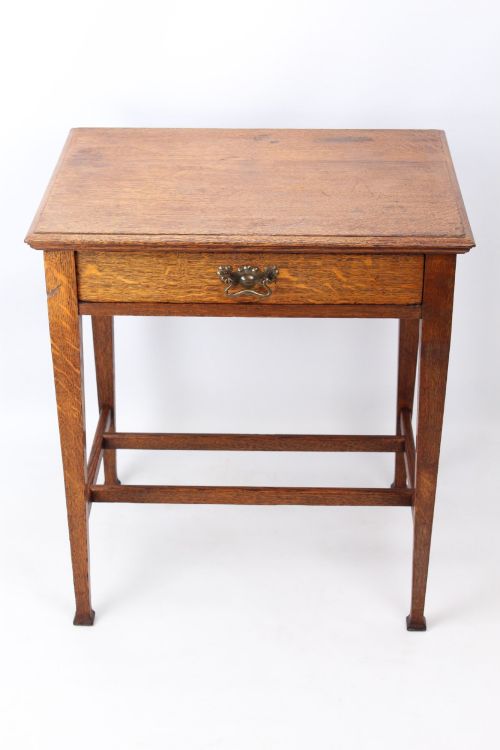
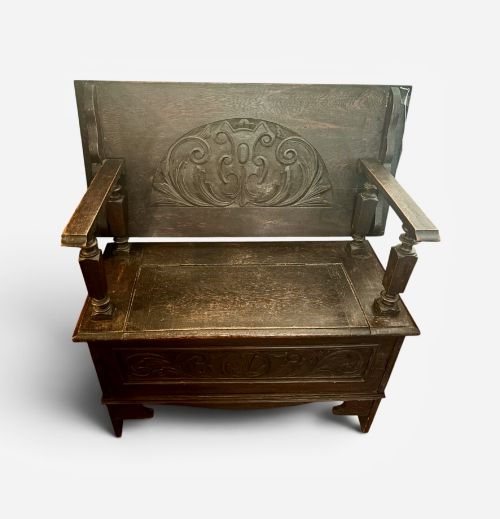
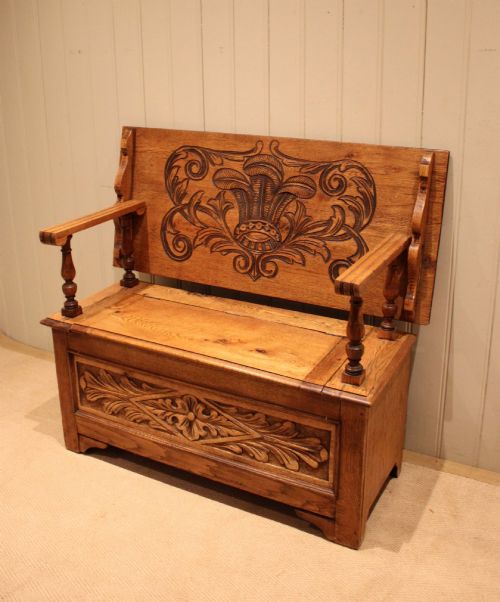
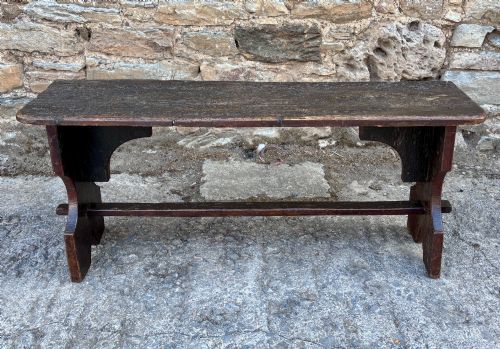
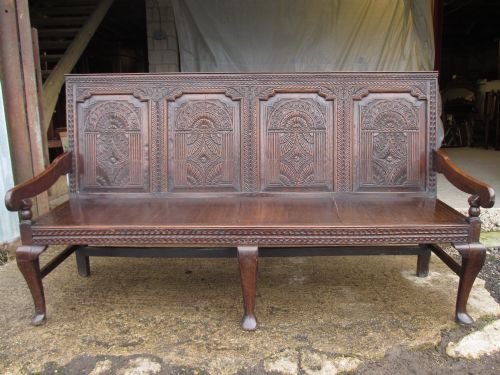
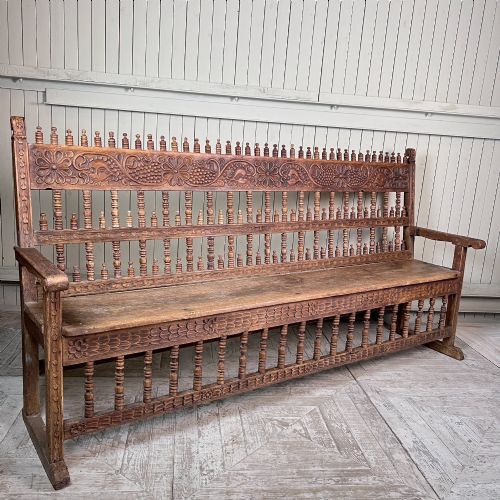
Traditional hall furniture serves as the initial functional contact point within a home, encompassing practical items designed for corridors and entranceways. Settles, benches, and hall chairs dominate the selections, alongside umbrella stands and side tables.
The pieces on this page originate primarily from the eighteenth and nineteenth centuries, spanning Georgian, Victorian, and Edwardian eras. Oak and mahogany appear frequently, shaping robust seating and storage designed for heavy domestic use.
Materials and Construction
Solid timber construction defines these pieces, with oak and mahogany providing the structural foundation for benches, settles, and chairs. Joinery methods utilise panelled construction, pegged mortise and tenon joints, and carved surface embellishments.
Metal elements such as brass and cast iron appear in functional accessories like umbrella stands, combining utility with heavy cast components. Waxed and polished finishes protect the timber surfaces while highlighting natural grain patterns.
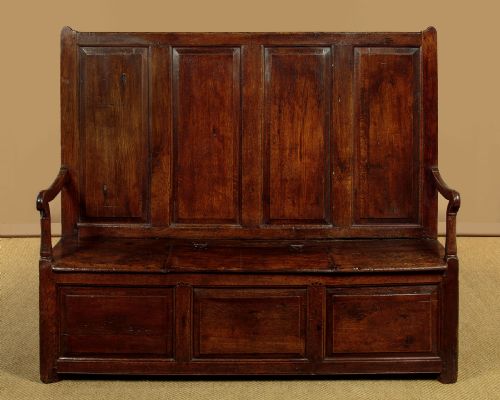
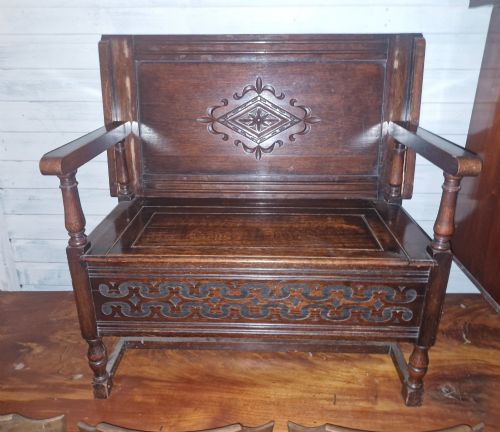
Some antique hall benches incorporate lift-up seats and fold-over tops designed for covert cloakroom storage.
Assessing Craftsmanship
Quality rests upon the selection of timber and the integrity of the original construction rather than decorative excess alone. Dense, well-figured oak and richly patinated mahogany distinguish superior examples from simpler utilitarian pieces.
Carving depth and sharpness separate fine workshop production from basic country craftsmanship. Proportions matter greatly, as well-balanced proportions and untouched original surfaces command higher regard among collectors.
J A Mein Edinburgh Cabinet Maker
The Traditional Hall Furniture Glossary
- Settle
- A wooden bench with a high back, solid arms, and often a storage compartment beneath the seat. This form kept draughts away from people sitting near entryways.
- Lowboy
- A small side table with drawers, typically raised on tall legs. These tables served various utility purposes in hallways and reception rooms.
- Hall Chair
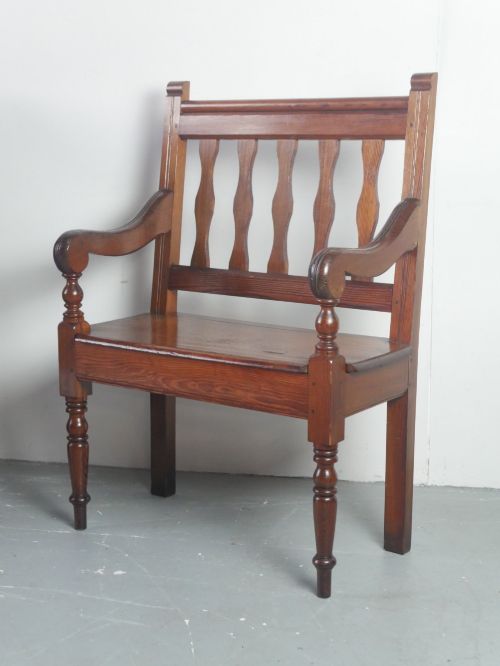
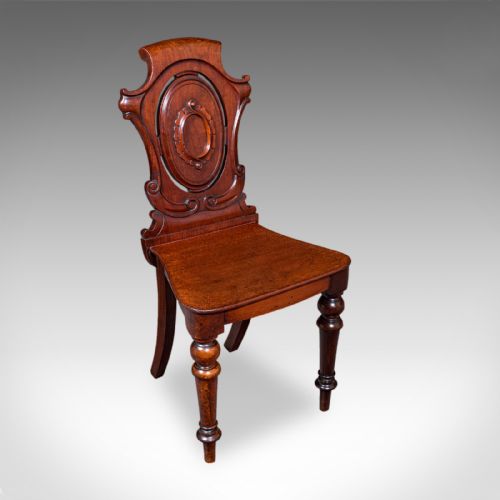
- A rigid wooden seat, often featuring a carved or painted shield back. These chairs were designed for brief seating rather than comfort.
- Court Cupboard
- A traditional enclosed storage piece with upper and lower sections. They provide sturdy utility within larger entrance halls.
Traditional Hall Furniture: Frequently Asked Questions
Where were hall chairs placed?
Hall chairs stood rigidly against corridor walls rather than around dining tables. Visitors used them briefly while waiting to be announced.
They frequently feature carved wooden seats and upright wooden backs bearing family crests or decorative shields.
How do I care for antique oak furniture?
Antique oak benefits from occasional applications of beeswax to nourish the timber and maintain its protective finish. Avoid placing these pieces near direct heat sources to prevent wood splitting.
Gentle dusting with a dry cloth preserves the aged surface patina built up over centuries of use.
What distinguishes Georgian furniture?
Georgian pieces display classical proportions, restrained ornamentation, and high-quality mahogany or oak timbers. Cabinetmakers during this era focused on architectural balance and refined joinery.
Such items bring a sense of formal elegance and structural integrity to modern domestic spaces.