



Traditional Glass Art
Traditional glass art spans centuries of decorative craft, offering enduring charm through leaded windows, painted panels and fine decorative objects.
Traditional Glass Art
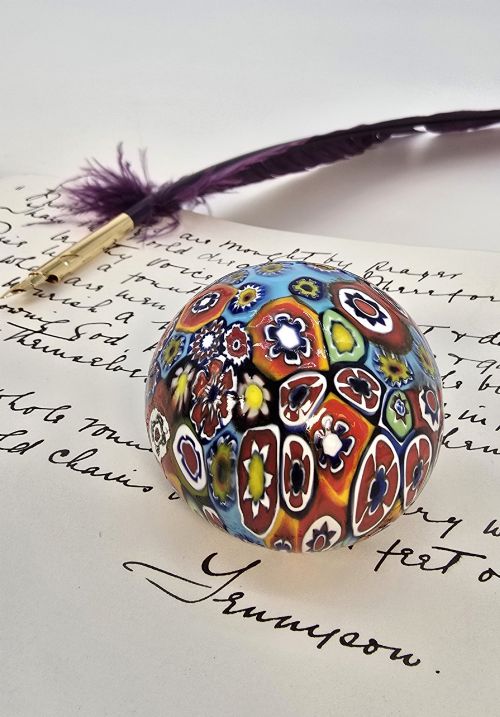
Traditional glass art encompasses diverse decorative and architectural objects created through historic techniques, spanning periods from the Victorian era to the mid-twentieth century. When exploring traditional glass art on this page, buyers frequently encounter stained glass windows, reverse glass paintings, and intricate paperweights.
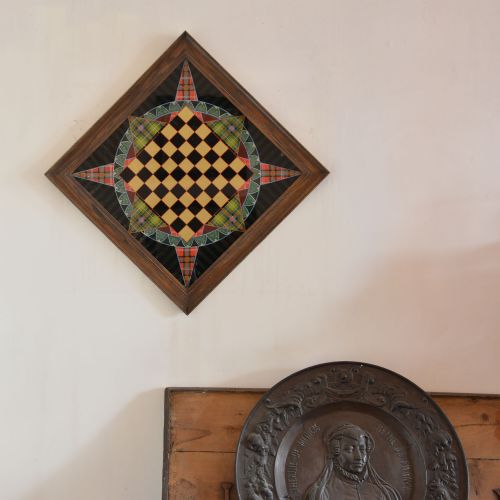
The selection ranges from architectural leaded panels featuring painted scenes to smaller decorative glassware and specialised mirrors designed for domestic interiors. Each piece reflects the aesthetic priorities of its period, shifting from ornate Victorian designs to cleaner lines of the Arts and Crafts movement.
Origins vary from domestic English workshops to Chinese export studios, providing a wide spectrum of visual styles within the broader category of traditional glass art. Buyers select these items to introduce historic character and authentic craftsmanship into period and contemporary spaces alike.
Methods and materials of manufacture
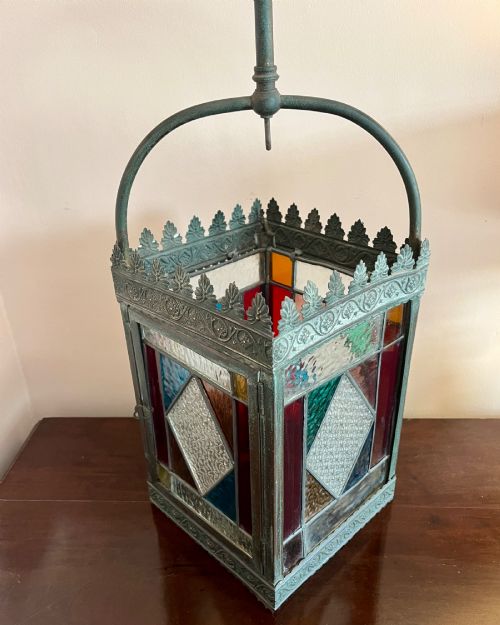
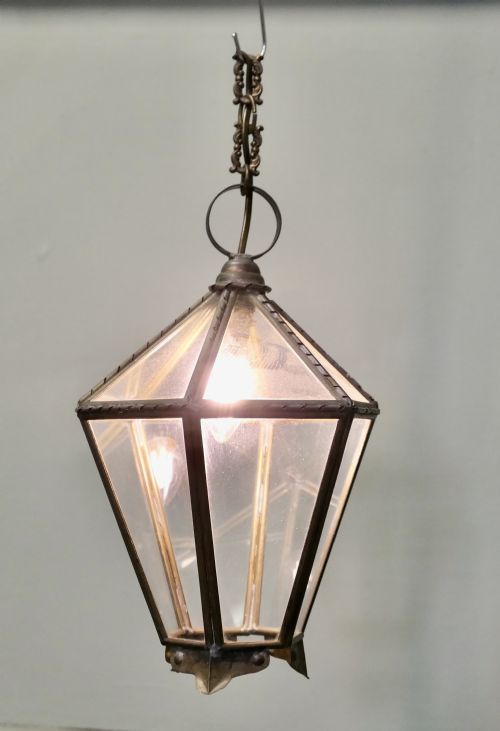
Makers utilised lead, brass, copper, and timber alongside clear and coloured glass to construct structural frames and decorative surrounds for panels and lanterns. Leaded windows required skilled cutting of individual glass pieces held together by flexible lead cames, often enhanced with surface paint fired in a kiln.
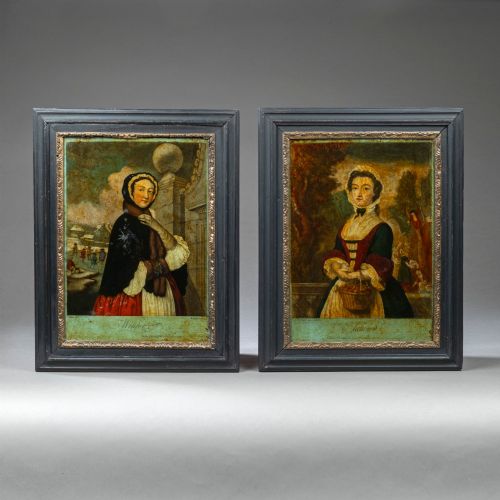
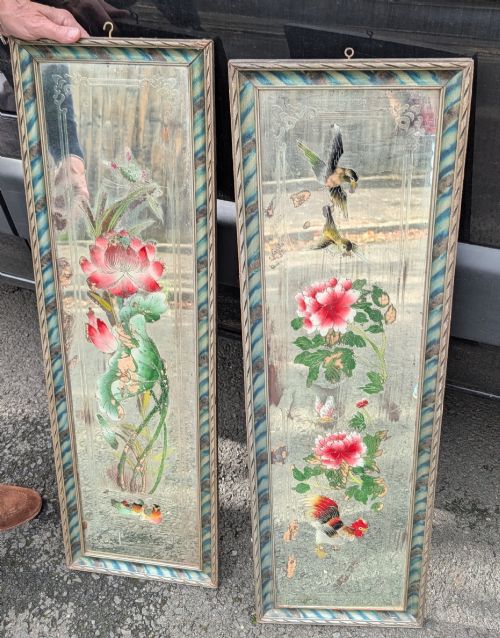
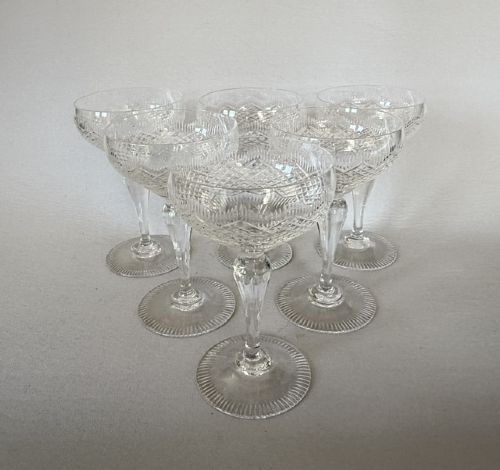
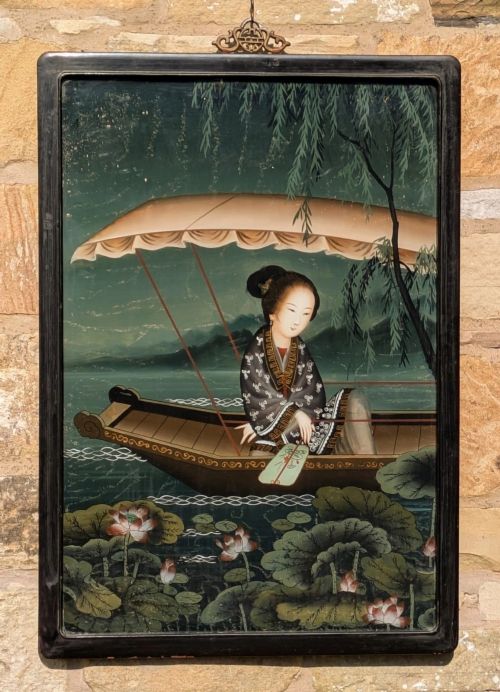
Reverse glass painting demanded precise execution because artists painted directly onto the back of the glass pane, working from foreground details to background layers so the final image appeared correctly when viewed from the front. Cut glass items achieved their brilliant facets through intensive grinding and polishing on iron and stone wheels.
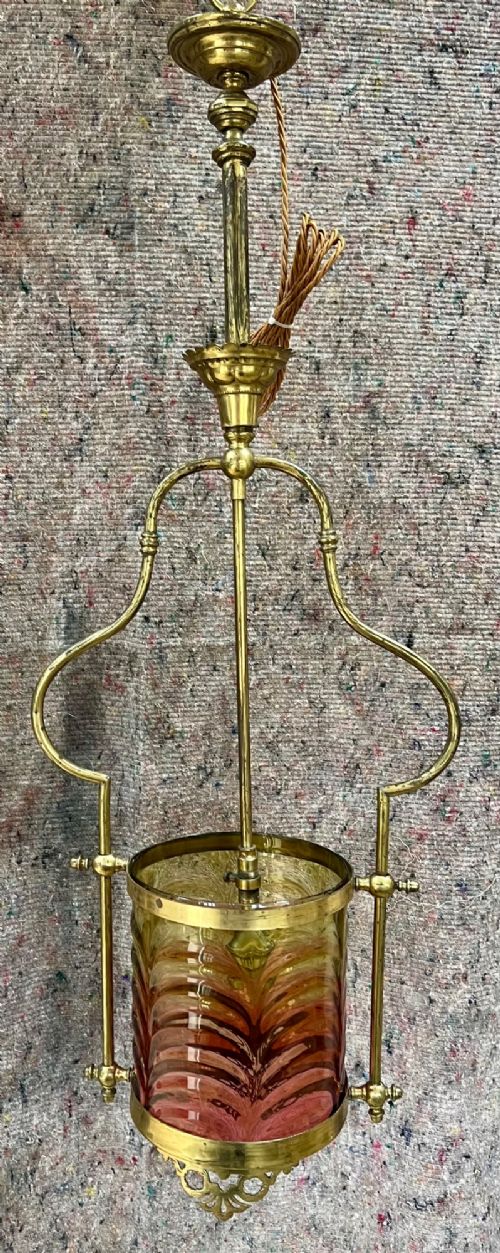
Metalwork components such as brass galleries, iron hangers, and wooden cabinets were carefully integrated to support heavier glass panels and pendant lights safely within domestic settings.
Traditional Glass Art Retail Price Guide 2026
Typical asking prices for traditional glass art among the pieces listed under this phrase on Sellingantiques today, from the lower quarter to the upper quarter. They describe what is for sale here now, not the wider market.
Listings feature stained glass windows, reverse glass paintings, and cut glass tableware spanning the Victorian and Edwardian periods.
Distinctions in quality and execution
Quality in traditional glass art rests upon the precision of the initial design, the skill of the artisan in handling materials, and the overall integrity of the construction. Finer painted panels exhibit superior control of line and colour depth, particularly in detailed facial expressions and natural scenery.
In leaded and stained glass, superior examples show robust leading and harmonious glass selection that diffuses light effectively without structural sagging. The integration of secondary materials, such as solid oak cabinets or heavy brass mounts, further distinguishes exceptional pieces from standard production.
Condition and originality play vital roles, where pieces retaining their original leadwork, uncompromised painted surfaces, and authentic mounting hardware demonstrate higher craftsmanship.
Stuart Crystal·P H Vogel & Co·Messengers·Harrods
The Traditional Glass Art Glossary
- Came
- A slender strip of lead, copper, or zinc with a grooved channel used to hold pieces of glass together in a window or panel. These strips form the structural grid of traditional stained glass.
- Reverse glass painting
- An artistic technique where the painting is executed on the reverse side of a glass sheet and viewed through the front. This method imparts a distinctive glossy finish and brilliant clarity to the colours.
- Witch ball
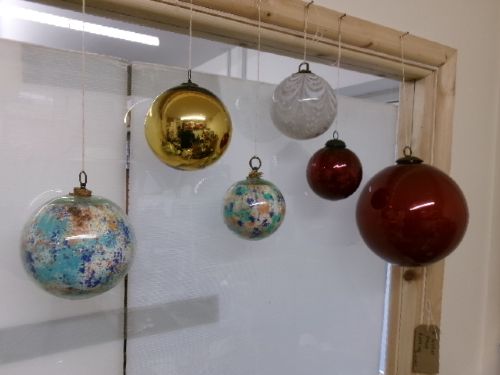
- A hollow glass sphere traditionally hung in windows to ward off evil spirits, witches, and ill fortune. These decorative items often feature reflective interior coatings or colourful marbled glass threads.
- Leaded glass
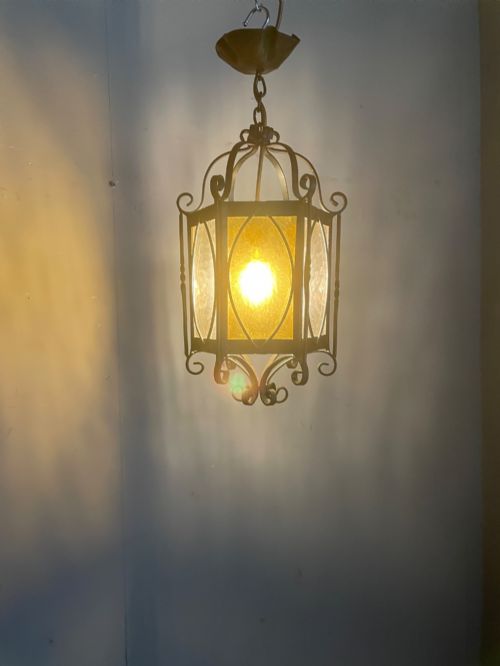
- Glass panes joined together using lead cames to form geometric patterns or pictorial designs. This technique supports both decorative window panels and intricate hanging lanterns.
- Opalescent
- Glass that has a milky, translucent appearance, showing varied colours when lit by transmitted light. This material was frequently favoured by makers during the Arts and Crafts and Victorian periods.
Traditional Glass Art: Frequently Asked Questions
Where were reverse glass paintings displayed?
These paintings were traditionally hung in principal rooms and hallways as decorative wall art, frequently framed in wood or housed within specialised protective cabinets.
Their reflective glass surfaces helped brighten darker interior spaces by catching ambient daylight.
How do I clean antique glass panels safely?
Clean antique glass gently using a soft, lint-free cloth and mild soapy water, avoiding harsh chemical cleaners that might damage painted surfaces or fragile lead cames.
Support the glass firmly from behind if the panel shows any structural movement during the cleaning process.
What is the difference between a witch ball and a regular sphere?
Witch balls are specifically characterised by their historic purpose as protective household charms and frequently feature internal glass filaments or reflective silvered linings.
Standard glass spheres lack these specific interior decorative formations and the historical association with folk traditions.