




Traditional Gemstone Jewellery
Traditional gemstone jewellery brings together precious gold and coloured stones in classic cluster, band and pendant forms that collectors prize for enduring style.
Traditional Gemstone Jewellery
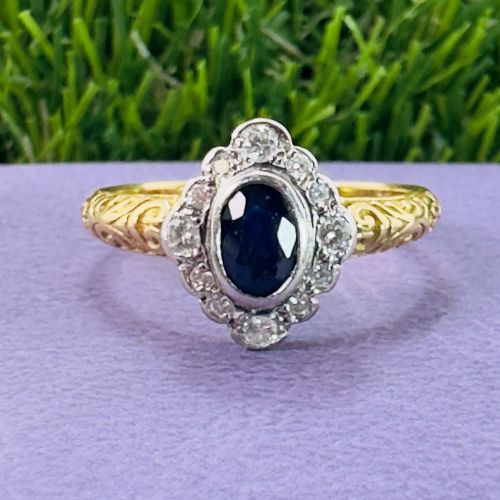
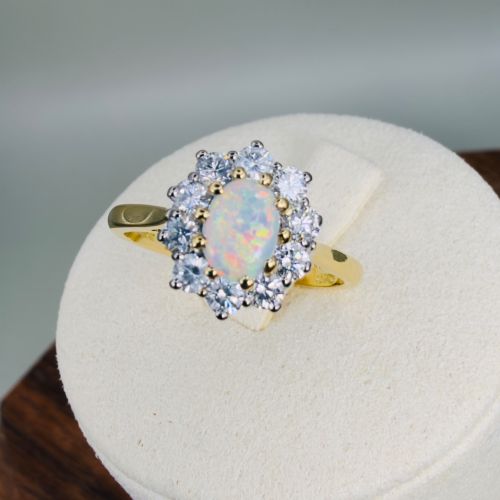
Traditional gemstone jewellery comprises rings, earrings and necklaces shaped from enduring metals and set with sapphire, ruby, diamond, opal and emerald. These pieces span periods from the late nineteenth century through to the mid twentieth century, encompassing Victorian, Edwardian and vintage mid century designs.
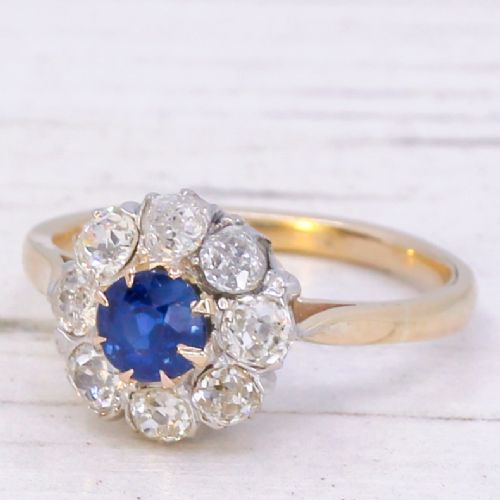
Cluster rings and band rings dominate the selection, alongside drop earrings, stud earrings and pendants. Sapphires and opals appear frequently as central stones, often surrounded by small accent diamonds in traditional cluster arrangements.
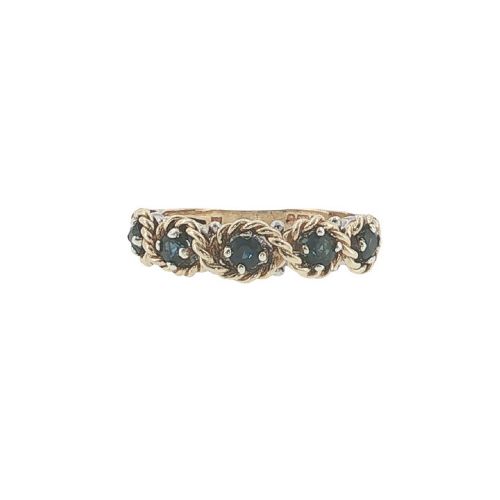
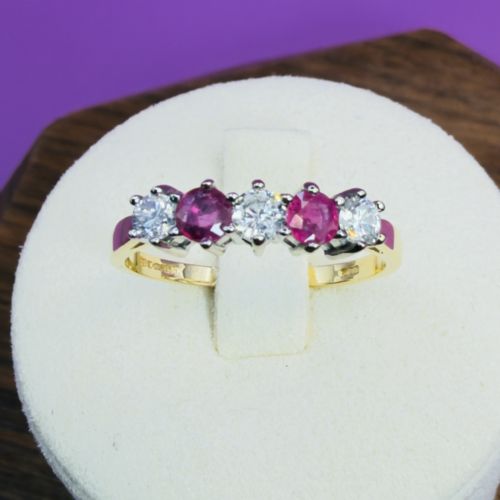
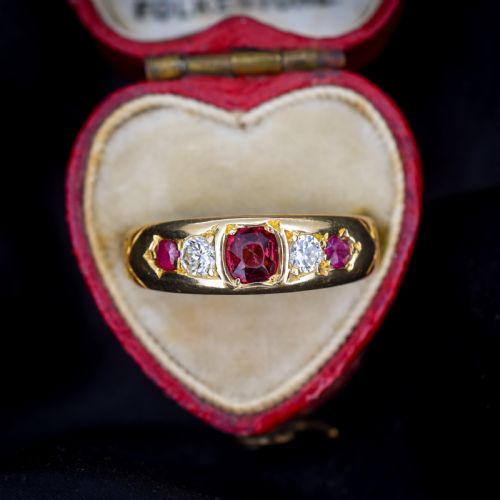
The aesthetic leans towards classic proportions and recognised configurations such as the five stone band, the trilogy and the cluster. Pieces originate from British workshops bearing hallmarks, as well as Chinese export contexts.
Materials and construction methods
Goldsmiths utilised 9ct gold, 18ct yellow and white gold, and occasionally 22ct gold to form the mounts and settings. Stones are secured using traditional claw settings and flush settings designed to display the colour and cut of each gemstone.
Gemstones include oval cut sapphires, cabochon opals, rubies, emeralds, amethysts, garnets and diamonds. Lapidaries shaped these stones by hand, giving older examples slight variations in symmetry and depth compared to modern machine cut gems.
Traditional Gemstone Jewellery Retail Price Guide 2026
Typical asking prices for traditional gemstone jewellery among the pieces listed under this phrase on Sellingantiques today, from the lower quarter to the upper quarter. They describe what is for sale here now, not the wider market.
Materials recur across 9ct gold, 18ct yellow and white gold, alongside sapphire, opal, ruby and diamond.
Distinctions in quality and execution
Quality rests upon the saturation and clarity of the primary gemstone, whether an opal exhibits a lively play of colour or a sapphire holds a deep blue tone. Heavier gold weight in the shank and mount also elevates the substance of a ring.
The precision of stone setting and the matching of accent diamonds determine the overall refinement of a cluster or multi stone band. Well preserved hallmarks and crisp metalwork indicate superior workshop origin.
The Traditional Gemstone Jewellery Glossary
- Cluster ring
- A ring featuring a central gemstone encircled by a group of smaller accent stones, typically diamonds.
- Cabochon
- A gemstone shaped and polished with a smooth, rounded domed surface rather than faceted planes.
- Trilogy
- A ring or pendant set with three stones, often interpreted to represent past, present and future.
- Hallmark
- An official stamp applied to precious metal items indicating purity, assay office and date of testing.
Traditional Gemstone Jewellery: Frequently Asked Questions
How do I care for opal rings?
Opals contain natural water content and require gentle handling to avoid exposure to harsh chemicals or sudden temperature shifts.
Store them separately from harder gemstones like diamonds to prevent surface scratching on the softer stone.
How do I identify gold purity?
Gold purity is determined by reading the hallmark stamped inside the shank or finding, which indicates carats such as 9ct or 18ct.
British hallmarks often include symbols for the assay office and the year of manufacture.
Can I wear vintage gemstone rings daily?
Sturdier stones like sapphire, ruby and diamond withstand regular wear when the claw settings remain secure and intact.
Opal and emerald pieces need more cautious handling due to their natural cleavage planes and softer mineral structure.