
Traditional French Kitchen Table
A traditional french kitchen table offers honest utility and generous proportions, anchoring a room with centuries of rural craft.
Traditional French Kitchen Table
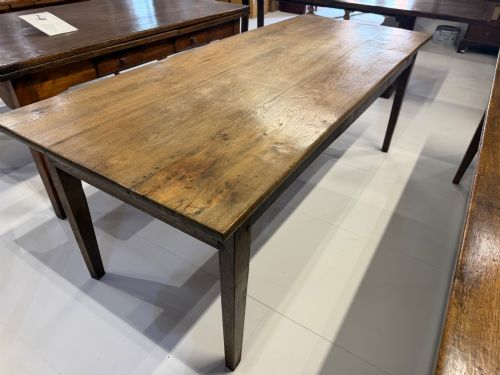
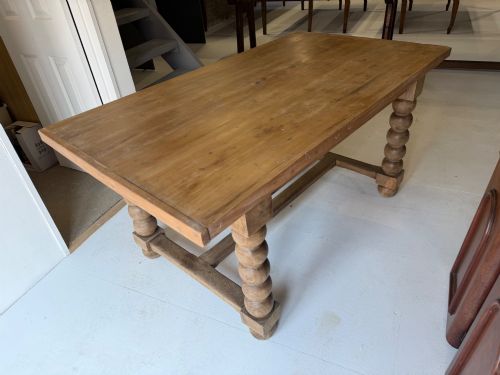
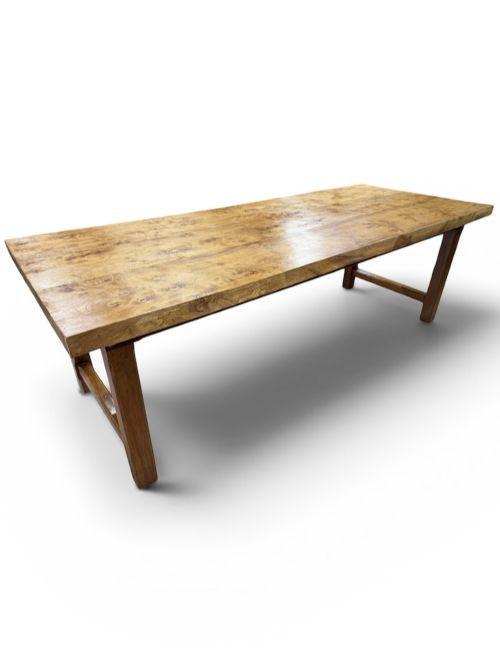
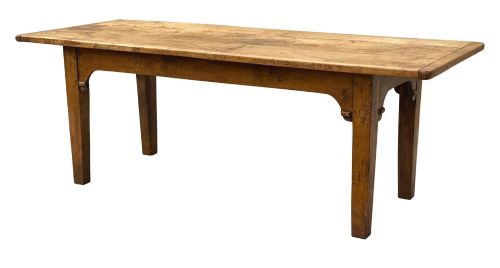
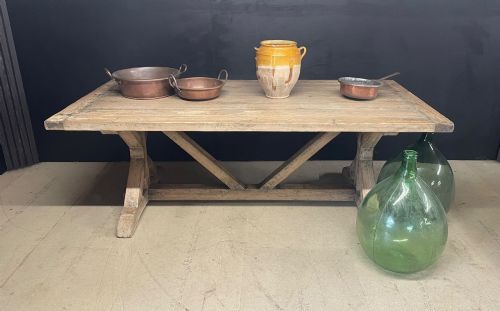
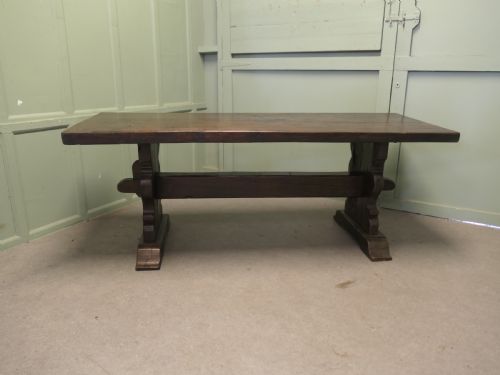
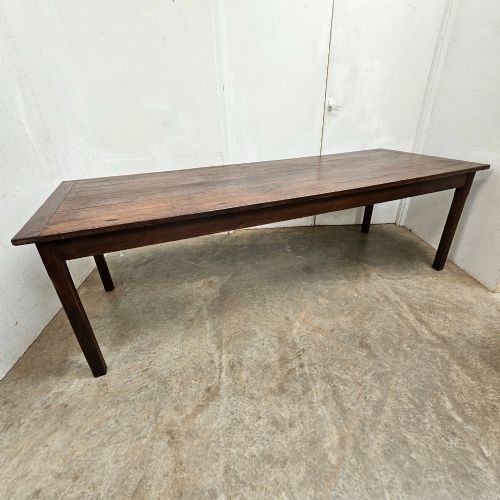
When searching for a traditional french kitchen table, buyers encounter sturdy pieces designed for daily domestic use and preparation. These objects typically take the form of farmhouse dining tables, refectory pieces, or sturdy workbenches originating from nineteenth century country houses.
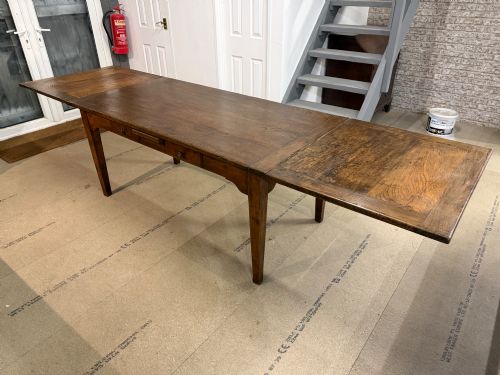
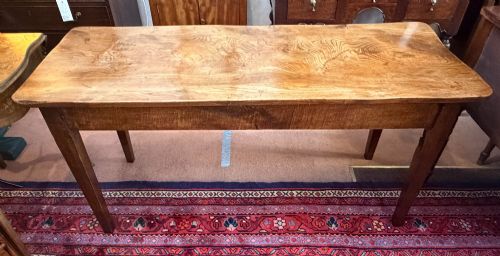
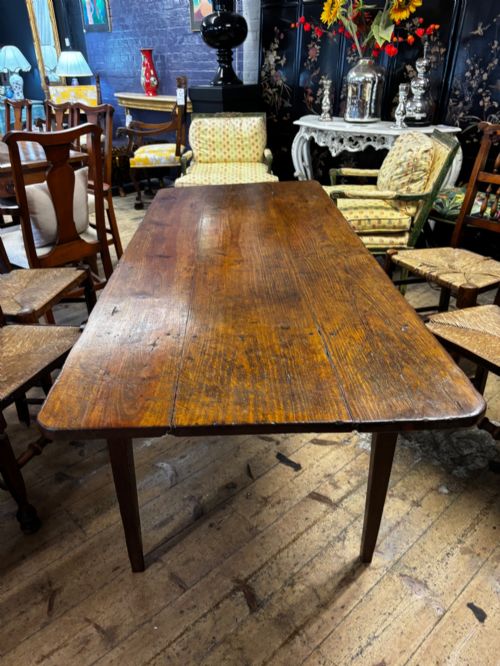
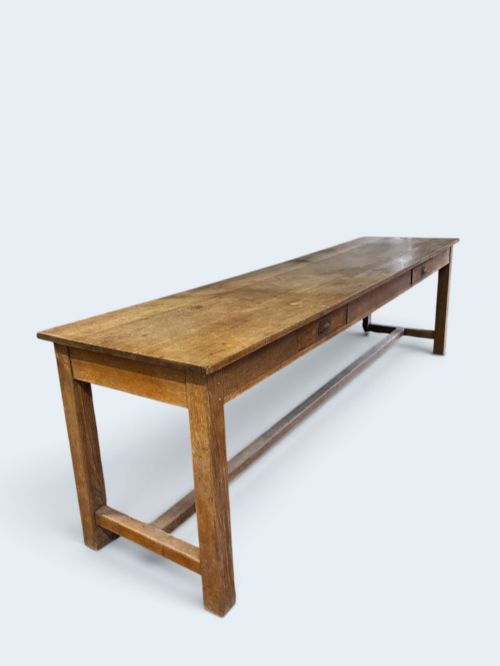
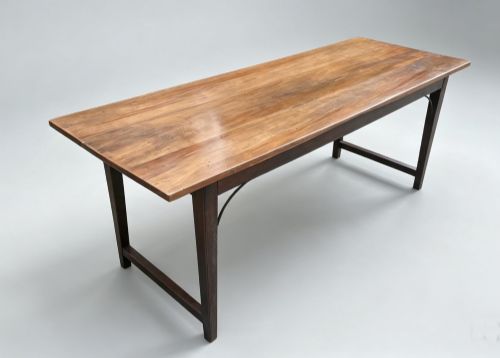
The version most commonly met on this page is the oak or fruitwood farmhouse table, often featuring practical drawers or plank tops. These tables emerge from regional traditions such as French provincial and rustic country aesthetics, prioritising space and functional longevity.
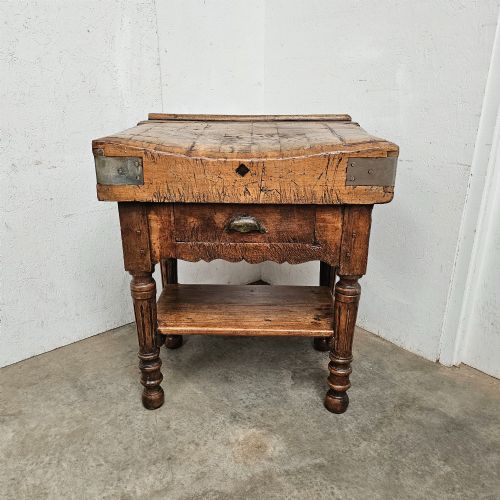
Beyond standard dining surfaces, the selection includes butchers blocks, serving tables, and artisans workbenches complete with vices. Each piece reflects the industrious heart of the French interior, constructed to handle heavy labour as well as family meals.
How They Were Made
Maker construction relies on heavy timbers like oak, pine, fruitwood, and beech, chosen for their durability and structural strength. Carpenters joined thick plank tops to robust underframes using traditional joinery, ensuring the furniture could withstand decades of active use.
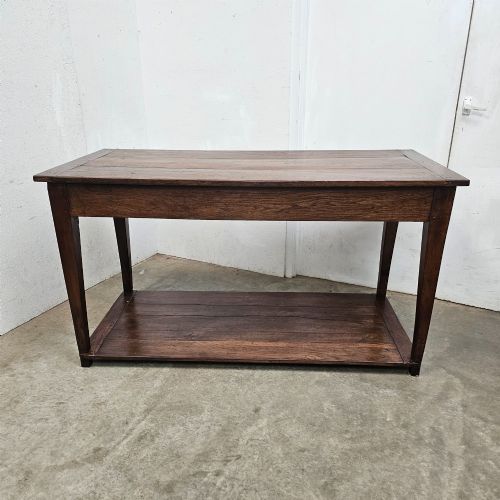
Leg forms vary from tapered and bobbin turnings to simple square supports, often stabilised with end stretchers or lower tiers. Details like integrated drawers and working wooden vices demonstrate the practical ingenuity built into these utilitarian objects.
Several tables retain functional carpenters vices and deep storage drawers, ready for bread kneading or hidden domestic clutter.
What Varies in Quality
Quality rests primarily in the choice of timber and the integrity of the original construction, distinguishing heavy oak and dense fruitwood from softer pine alternatives. Superior pieces maintain their original surface character, showing honest patination earned through generations of domestic service rather than artificial distress.
Proportion and scale also dictate distinction, with longer extending formats and tables featuring double drawers or decorative bases commanding greater presence. The harmony between the original top boards and the supporting frame reveals the skill of the original carpenter.
The Traditional French Kitchen Table Glossary
- Refectory table
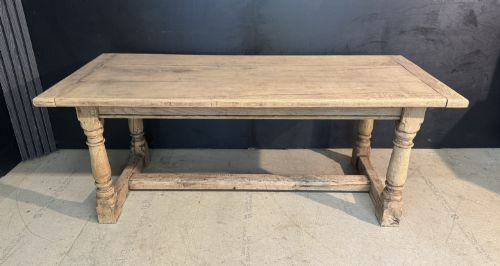
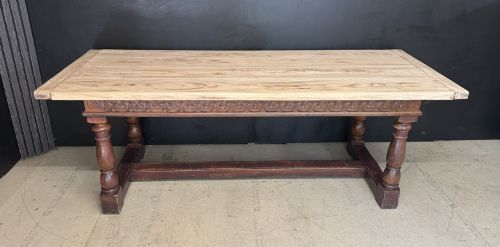
- A long, narrow dining table traditionally used in communal dining halls and adapted for domestic kitchens. These heavy pieces often feature substantial stretcher bases for added stability.
- Worktable
- A utilitarian piece designed for kitchen preparation or workshop tasks, frequently incorporating drawers for tools or utensils. They showcase the practical demands of rural French life.
- Stretchers
- Horizontal wooden bars connecting the legs of a table near the floor to reinforce the frame. They prevent the legs from wobbling under heavy loads.
- Fruitwood
- Timber sourced from fruit-bearing trees such as cherry or pear, prized for its fine grain and warm tone. It was commonly utilised by regional cabinet makers.
- Butchers block
- A thick, solid wooden block designed as a heavy-duty cutting surface for meat preparation. They usually stand on robust independent wooden bases.
Traditional French Kitchen Table: Frequently Asked Questions
How do I clean a wooden kitchen table?
Wipe surfaces gently with a damp cloth and mild soap, avoiding harsh chemical cleaners that strip the historic finish.
Dry the wood thoroughly afterwards to prevent moisture damage and maintain the natural patina of the antique timber.
Can I use an antique workbench for dining?
Workbenches provide generous surfaces and sturdy construction, making them excellent statement pieces for large family kitchens.
Their substantial height and built-in vices require careful chair matching to ensure comfortable seating.
What woods were used for these tables?
Carpenters primarily utilised domestic hardwoods such as oak, beech, cherry, and fruitwood alongside durable pine.
Each timber species imparts a distinct weight, grain pattern, and colour tone to the finished piece.
How do I identify a 19th century table?
Examine the construction methods, tool marks on the underside, and the natural wear accumulated across the plank top.
Nineteenth century pieces typically display hand-cut joinery and aged patination that modern reproductions cannot replicate.