







Traditional Fire Screen
A traditional fire screen protects a room from stray embers while adding period character to the hearth.
Traditional Fire Screen
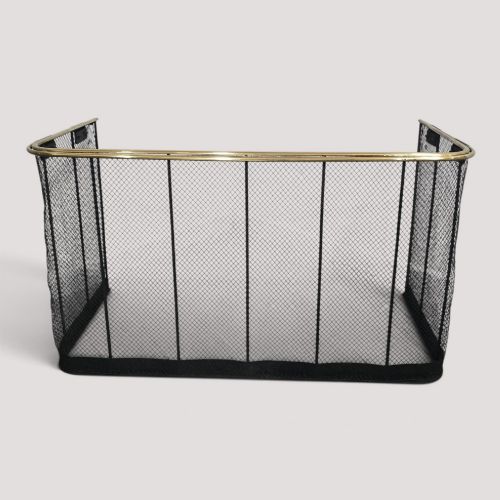
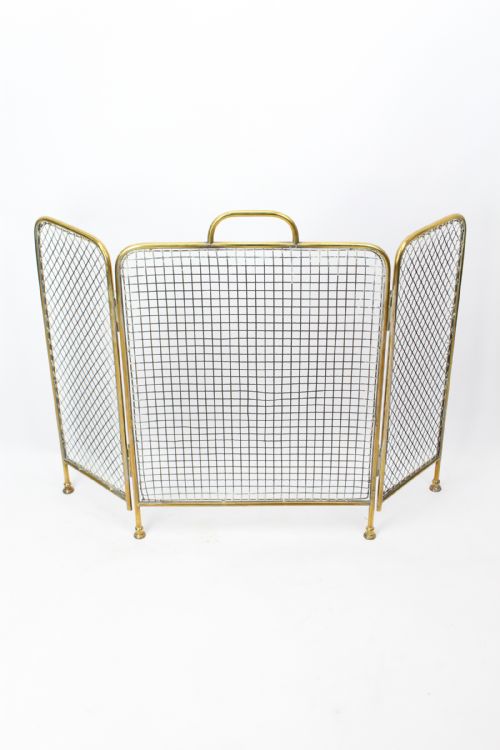
A traditional fire screen serves to shield occupants from excessive radiant heat and flying sparks while framing the hearth. These pieces range from upright panels to folding mesh guards and low nursery fenders designed to keep children safe.
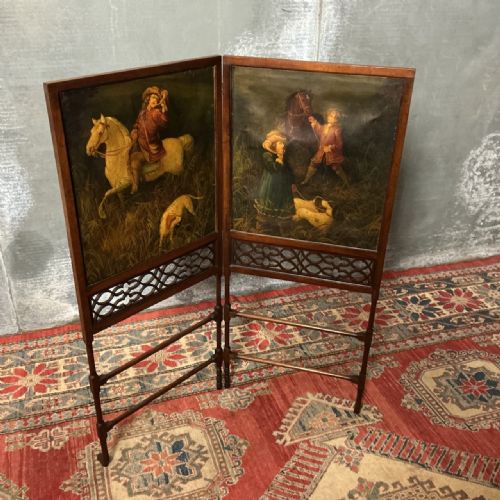
The versions most commonly met span the Victorian, Edwardian, and nineteenth-century periods, utilising robust frames of brass and iron alongside decorative panels of mahogany, tapestry, and silk. Form follows function closely, resulting in everything from simple wire spark guards to elaborate screens featuring oil paintings and embroidery.
How they were made
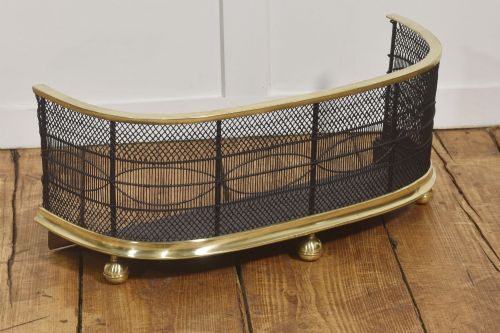
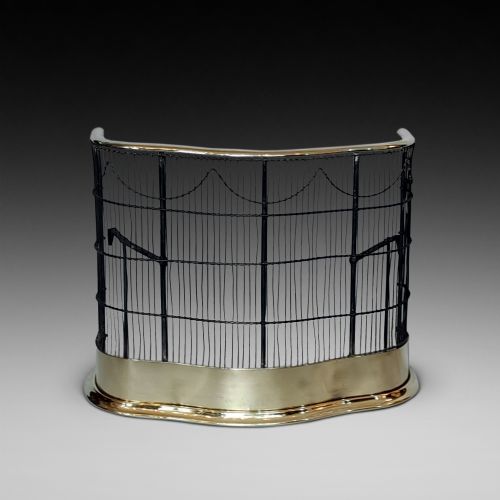
Construction relies heavily on durable metals like brass and wrought iron to form rigid frames and protective wire mesh or spark guards. Smiths and joiners shaped these materials into folding mechanisms, serpentine curves, and demi-lune shapes designed to stand firmly on the floor.
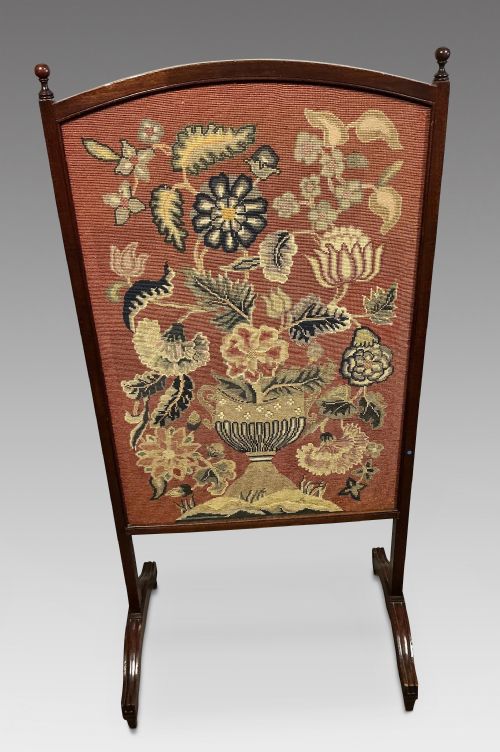
Decorative screens incorporate timber such as mahogany paired with textiles like canvas, silk, and tapestry, often held within brass rims or secured with detailed embroidery. Heavy ironwork and woven wire provide the structural integrity required for daily proximity to open flames.
Traditional Fire Screen Retail Price Guide 2026
Typical asking prices for traditional fire screen among the pieces listed under this phrase on Sellingantiques today, from the lower quarter to the upper quarter. They describe what is for sale here now, not the wider market.
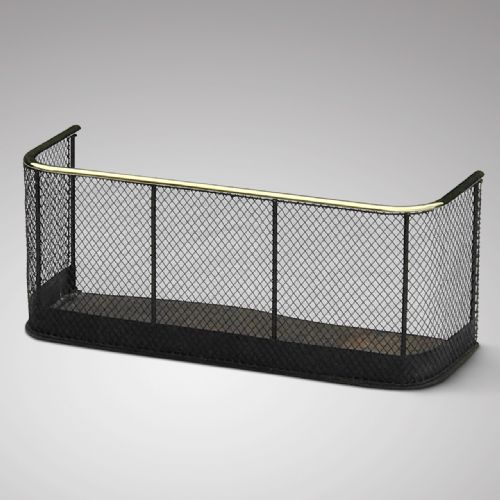
Some nineteenth-century nursery fenders come equipped with an integrated clothes rail for warming small garments by the hearth.
What varies in quality
Quality rests upon the weight of the metal and the precision of the joinery, distinguishing heavy wrought iron and solid brass frames from lighter, simpler wirework. Substantial nursery fenders and folding screens with robust brass top rails indicate superior build.
Artistic execution in the decorative elements sets finer examples apart, particularly where panels feature detailed needlework, oil paintings, or intricate silver and gold embroidery rather than plain mesh. The integrity of the folding hinges and the richness of the framing materials determine the standing of each piece.
The Traditional Fire Screen Glossary
- Fire guard
- A protective barrier placed in front of an open fireplace to contain sparks and ash. These typically employ wire mesh or iron frames.
- Nursery fender
- A low metal barrier surrounding the hearth area to prevent children and pets from getting too close to the fire. They often include a clothes rail.
- Spark guard
- A fine wire or mesh screen designed specifically to intercept flying embers from coal or wood fires. They are usually made of brass or iron.
- Tapestry firescreen
- An upright panel featuring woven pictorial textiles mounted within a wooden frame, such as mahogany. These serve a decorative function when the fire is unlit.
- Demi-lune
- A half-moon shape characteristic of certain fireplace spark guards designed to curve around the hearth. This configuration maximises floor coverage while sitting flush against the fireplace surround.
Traditional Fire Screen: Frequently Asked Questions
How do I choose the right size fire screen?
Measure the width and height of your fireplace opening to ensure the guard covers the entire hearth area adequately. Consider whether you need a folding design or a fixed panel depending on the available hearth space.
Larger nursery fenders offer extended protection around the perimeter of the fireplace, whereas standard screens focus strictly on the opening itself.
What is the difference between a fire screen and a fire guard?
A fire screen often incorporates a decorative panel like tapestry, silk, or oil paintings to adorn the hearth when a fire is not burning. A fire guard focuses primarily on safety, utilising brass wire mesh or iron to stop sparks.
Many period pieces combine both functions by featuring protective mesh panels alongside decorative frames or companion sets.
How do I clean brass and iron fire screens safely?
Dust metal frames regularly with a soft, dry cloth to prevent soot accumulation and surface tarnishing. Avoid harsh chemical cleaners that can strip patinas from nineteenth-century brass or wrought iron.
For fabric or tapestry panels, gentle surface brushing is recommended to protect delicate silk and embroidered threads from moisture damage.
Are these screens suitable for daily use with open fires?
Most metal wire mesh and wrought iron guards are built for practical spark protection during active fires. Heavier nursery fenders and robust iron frames handle regular hearth heat effectively.
Delicate fabric or embroidered silk panels are better suited as decorative summer screens when the fireplace is not in active use.