



Traditional Entrance Hardware
Traditional entrance hardware brings character to a doorway, offering solid brass knockers and bronze pulls that span from the Georgian era through the twentieth century.
Traditional Entrance Hardware
Traditional entrance hardware encompasses the fixtures fitted to front doors across several centuries, principally door knockers, door handles, and bell pulls. These pieces serve a practical function while establishing the decorative character of an entranceway before a visitor steps inside.
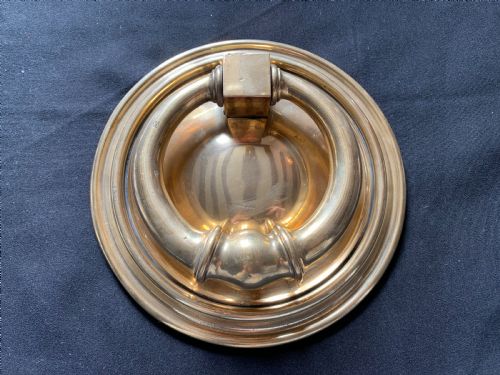
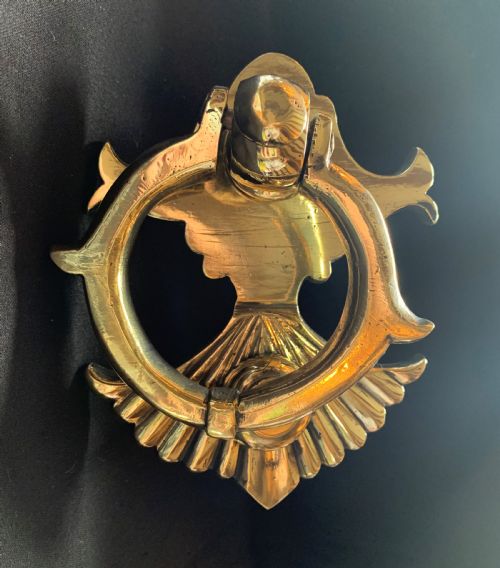
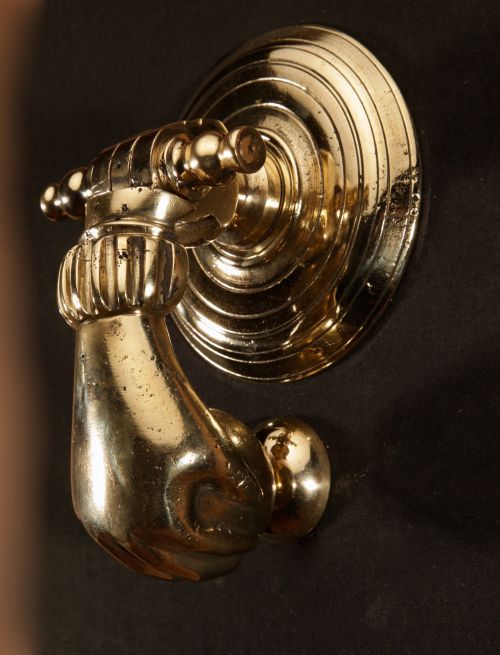
The items seen here span multiple historical periods, including Georgian, Victorian, Edwardian, and mid-twentieth century designs. Brass and bronze dominate the selections, appearing in forms ranging from classic doctors' knockers to maritime anchors and hand-shaped castings.
How they were made
Makers utilised casting techniques in brass and bronze to shape these heavy hardware pieces, allowing for detailed sculptural forms such as dolphins and hands. Heavier gauge metalwork provides the substantial weight and durability required for daily use on an exterior door.
Polished finishes and complete assemblies show how manufacturers combined striking plates with movable pull handles and knockers. The surviving examples demonstrate traditional metalworking methods suited to the demands of domestic entrances.
Traditional Entrance Hardware Retail Price Guide 2026
Typical asking prices for traditional entrance hardware among the pieces listed under this phrase on Sellingantiques today, from the lower quarter to the upper quarter. They describe what is for sale here now, not the wider market.
Listings feature hardware spanning from the Georgian period through the Edwardian era up to nineteen-forty.
What varies in quality
The standard of traditional entrance hardware depends on the weight of the metal and the crispness of the cast detail. Thicker gauge bronze and solid brass retain sharper relief in decorative motifs, whereas lesser examples show softer contours.
Complete sets that retain their original matching strike plates and mounting fixings demonstrate superior integrity compared to separated elements. The depth of the casting and the proportional balance of the handle or knocker dictate the visual presence on the door.
The Traditional Entrance Hardware Glossary
- Door knocker
- A hinged metal device attached to an outer door for visitors to strike against a matching plate. These often take decorative forms such as anchors, hands, or classical revival designs.
- Bell pull
- A mechanical fixture mounted beside a door, connected to an internal bell system by a wire or crank. Pulling the handle operated the house bell before the widespread adoption of electrical systems.
- Doctors knocker
- A specific style of door knocker featuring a vertical drop bar hinged at the top. This configuration gained popularity in the nineteenth and twentieth centuries.
- Strike plate
- The metal plate fixed to the door beneath a knocker to protect the wood from repeated impacts. It often matches the metal composition and finish of the knocker itself.
Traditional Entrance Hardware: Frequently Asked Questions
How do I date traditional entrance hardware?
Dating relies on stylistic clues, manufacturing techniques, and the metal composition characteristic of periods like the Georgian or Victorian eras.
Matching the design motifs of the hardware to known architectural trends helps narrow down the decade of production.
Can I install antique knockers on modern doors?
Most traditional entrance hardware can be fitted to modern exterior doors using appropriate fixings and screw lengths.
Checking the backplate dimensions ensures the hardware covers existing fastener holes or marks from previous fixtures.
What is a doctors knocker?
A doctors knocker is a distinct style featuring a long vertical bar hinged at the top, traditionally used by medical practitioners.
The design allowed for a sharp, clear sound that could be heard from within the house during consultations.
How should I clean brass entrance hardware?
Regular maintenance involves wiping with a soft cloth to remove surface dirt and grit.
Avoid harsh abrasives that strip the aged patina, preserving the natural finish developed over decades of exposure.