
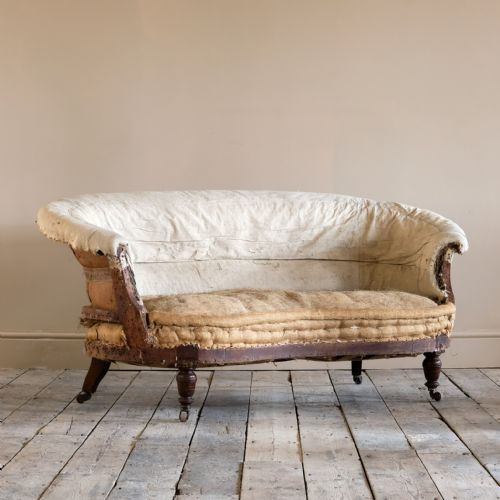


Traditional English Settee
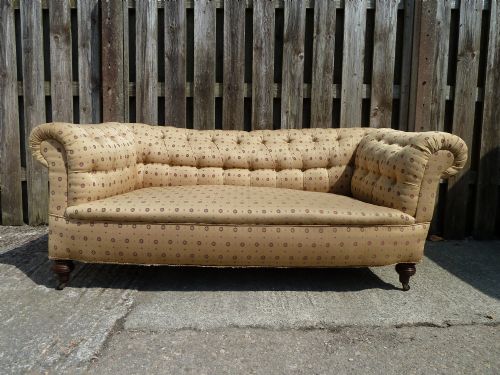
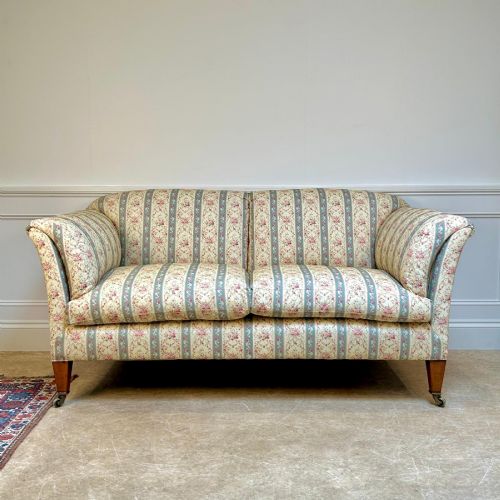
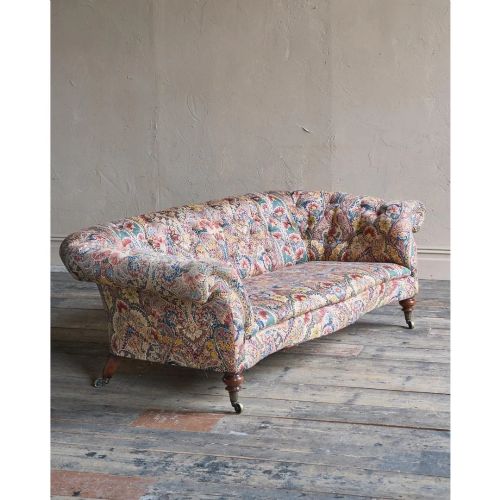
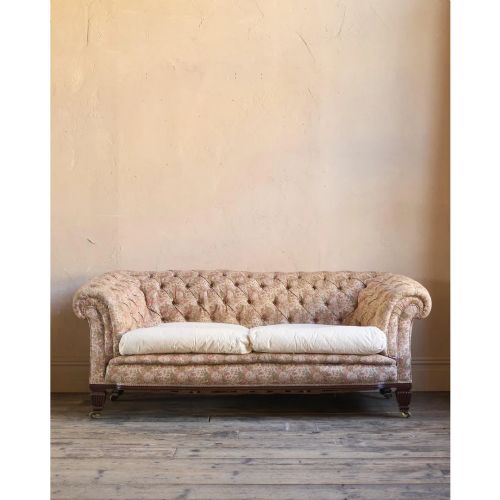
A traditional english settee offers deep comfort and historic character, bringing generous proportions and classic upholstery into a room.
Traditional English Settee
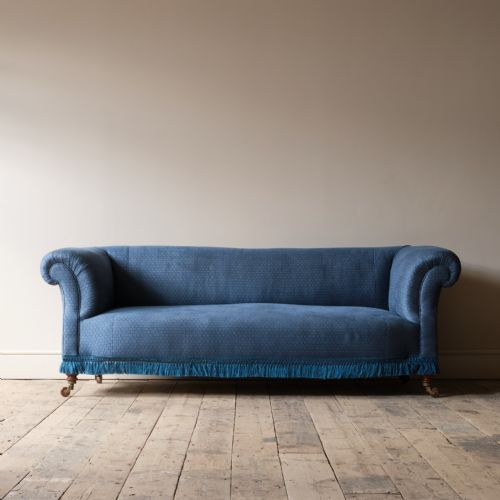
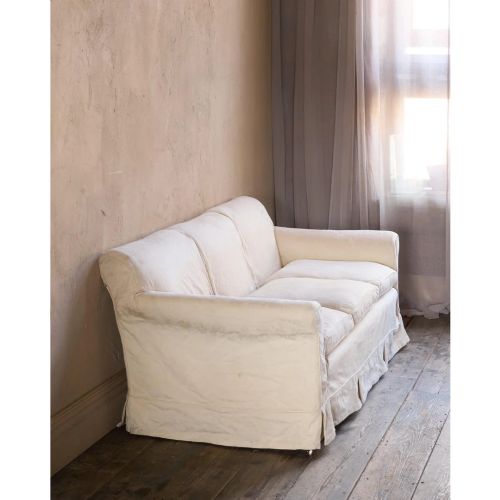
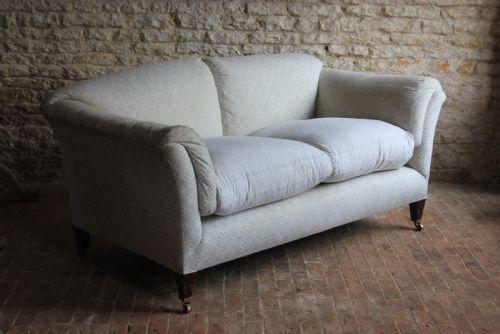
A traditional english settee covers a broad sweep of seating, from deep country house sofas to formal library seats and drop-arm designs. These pieces largely date from the nineteenth century through to the nineteen-thirties, spanning the Victorian and Edwardian eras.
The material record on this page shows heavy representation of comfortable two and three-seater chesterfields alongside knole sofas, chaise longues and show-frame drawing room seating. Makers and styles span regency influences, Chippendale style chairs, and English country house aesthetics.
Buyers meet sturdy walnut and mahogany frames, alongside giltwood and timber structures hidden beneath heavy calico, hessian, and patterned fabric or hand-dyed leather upholstery. These forms emerged to serve sitting rooms and halls with substantial, durable seating.
Materials and construction
Frames rely on solid timbers such as mahogany, walnut, and rosewood, providing a rigid structural skeleton for large upholstered bodies. Giltwood also appears on more formal drawing room pieces.
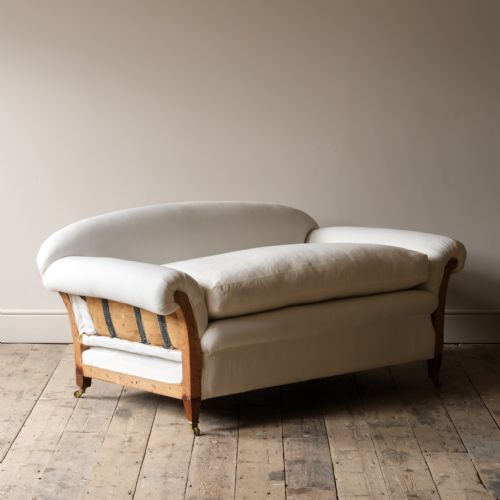
Upholstery techniques utilise traditional stuffings, including horsehair, supported by coil springing hidden beneath calico linings, hessian, and outer layers of leather, velvet, linen, or damask. Brass details often finish castors and decorative nailing.
Traditional English Settee Retail Price Guide 2026
Typical asking prices for traditional english settee among the pieces listed under this phrase on Sellingantiques today, from the lower quarter to the upper quarter. They describe what is for sale here now, not the wider market.
Listings feature settees spanning the nineteenth century through the nineteen-thirties, predominantly utilising mahogany, walnut, leather, and calico.
Assessing the pieces
Quality rests in the integrity of the underlying timber frame and the retention of traditional stuffing materials like horsehair and coil springing. Firmness and proportion indicate whether a piece maintains its original architectural silhouette.
The choice of covering fabric, whether historic patterned damask, floral linen, or hand-dyed leather, alters the visual weight and authenticity of the seating. Finer examples balance robust internal joinery with well-preserved show wood or precise upholstery detailing.
Howard and Sons·Hampton and Sons·Jas Shoolbred·Gillows
The Traditional English Settee Glossary
- Chesterfield
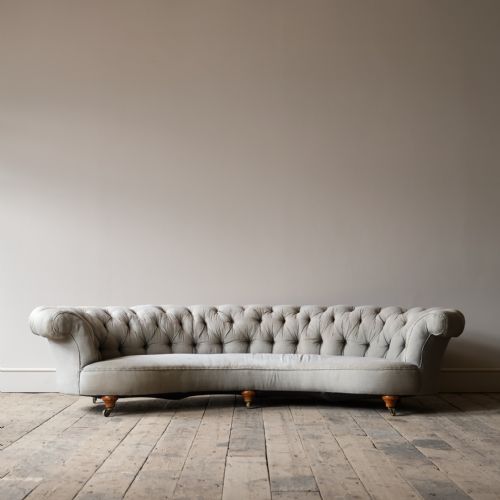
- A deep-buttoned upholstered sofa traditionally featuring arms and back of the same height. This form provides formal yet comfortable seating.
- Knole Sofa
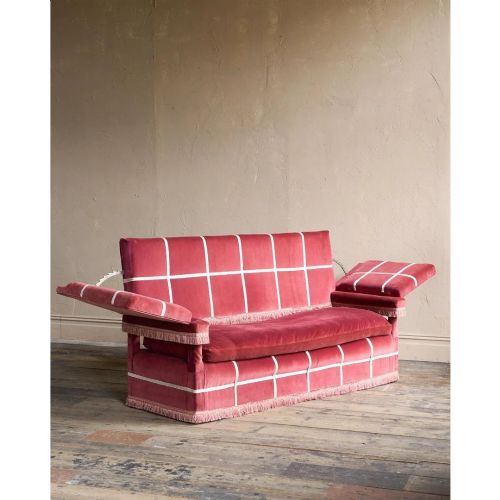
- An early style of settee characterised by hinged or adjustable drop-arms tied with cords or tassels. It originates from Knole House in Kent.
- Calico
- A plain-woven unbleached textile frequently utilised as an inner lining beneath top-grade upholstery fabrics. It holds internal stuffings in place.
- Show Frame
- A wooden structural frame left partially exposed around the upholstered back and arms to display carved timber details. Walnut and mahogany are common.
- Drop Arm
- A movable arm mechanism that lowers on one or both sides of a sofa. This allows the seating to convert into a daybed or chaise arrangement.
Traditional English Settee: Frequently Asked Questions
How do I identify a country house sofa?
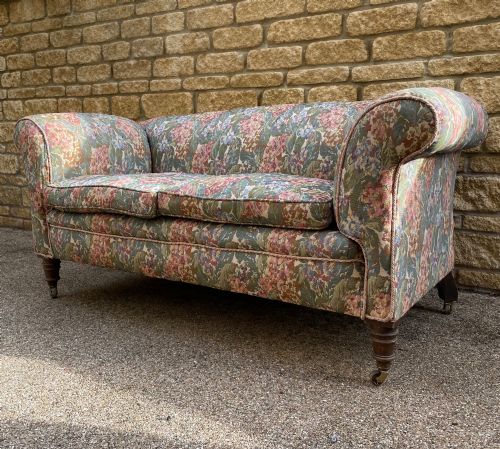
Country house sofas are defined by deep seats, generous proportions, and loose feather or hair cushioning designed for relaxed lounging. They frequently wear traditional floral prints, ticking, or worn leather.
These pieces prioritise comfort over rigid formality, often featuring low backs and rolled arms that accumulated character across decades of domestic use.
What is a drop-arm sofa used for?
Drop-arm mechanisms allow one end of the settee to fold downwards, creating an extended surface for reclining or resting. This mechanical feature provides flexibility within a drawing room or library.
Such designs date predominantly to the Victorian period, combining the upright posture of a formal seat with the utility of a daybed.
Are these settees suitable for daily use?
Historic frames built with solid timber and traditional coil springing offer robust support for everyday seating. Their deep proportions make them well suited to modern living spaces.
Buyers should examine the condition of the internal stuffings and webbing to ensure the seating remains supportive over long periods.
How do I date a Victorian chesterfield?
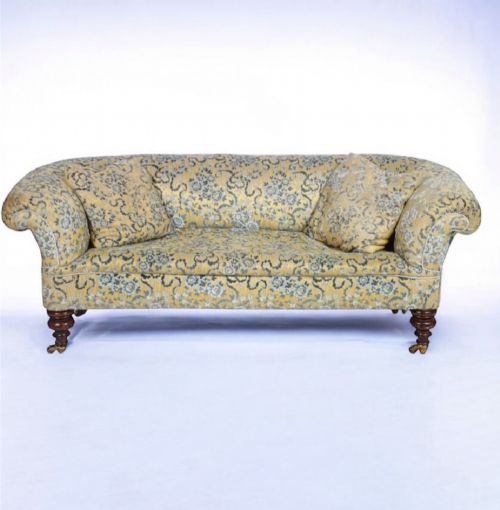
Dating relies on examining the timber frame, castors, and internal stuffing materials like horsehair and hessian lining. Victorian examples often display hand-turned mahogany legs with brass castors.
The depth of the buttoning and the weight of the frame also help distinguish mid-nineteenth-century pieces from later Edwardian reproductions.