



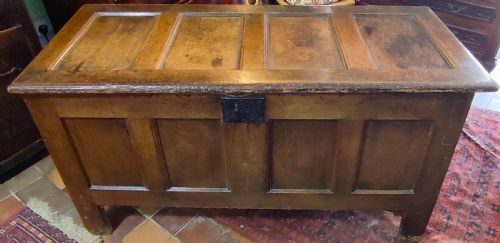

Traditional English Coffer
A traditional english coffer is a robust storage chest built for domestic utility, offering solid timber construction and centuries of practical household history.
Traditional English Coffer
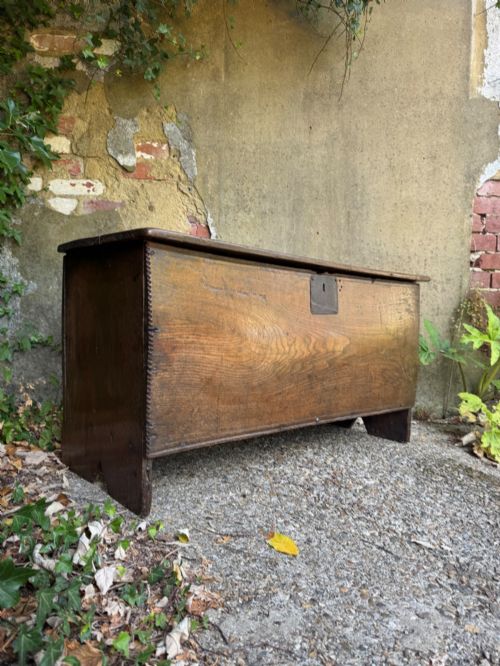
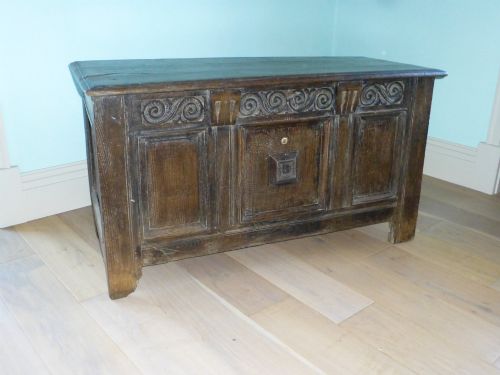
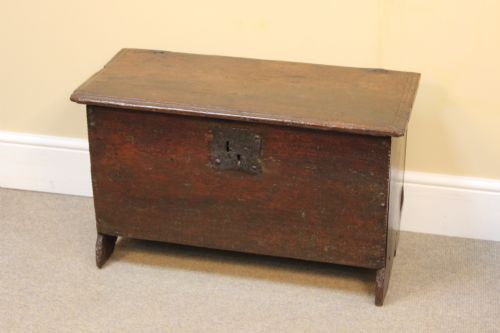
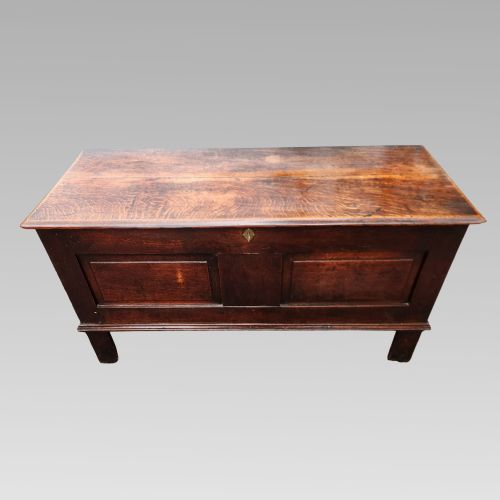
When you search for a traditional english coffer, you encounter sturdy storage chests designed primarily for household security and linen preservation. The examples appearing here span from the seventeenth century through the Georgian period and into later nineteenth and early twentieth century interpretations.
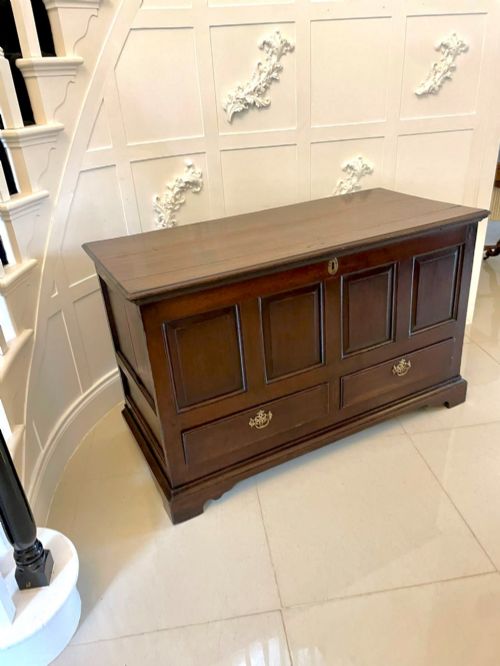
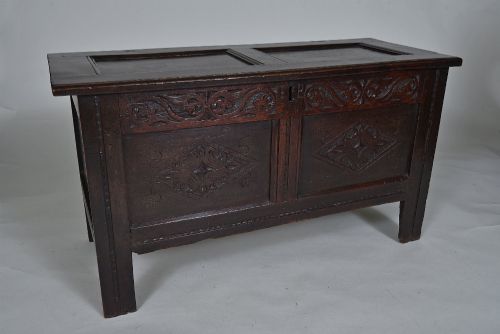
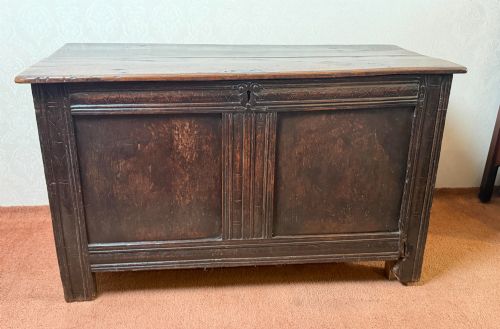
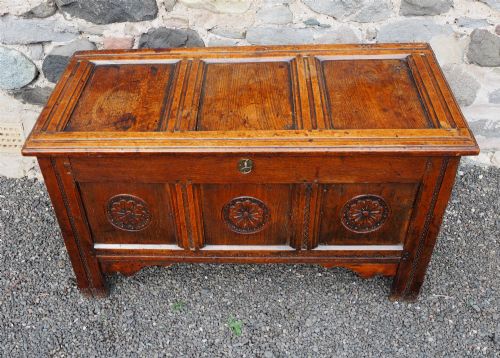
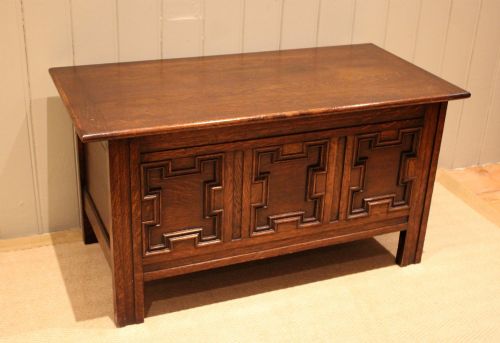
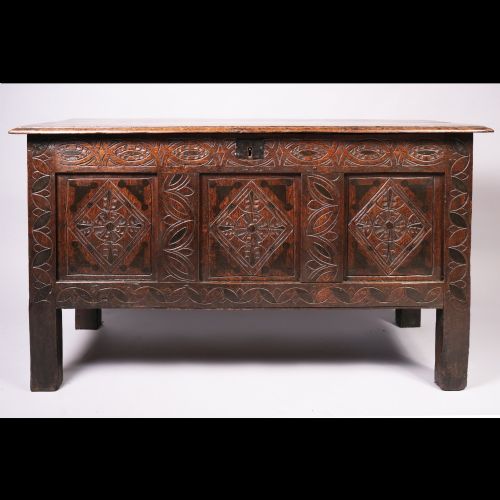
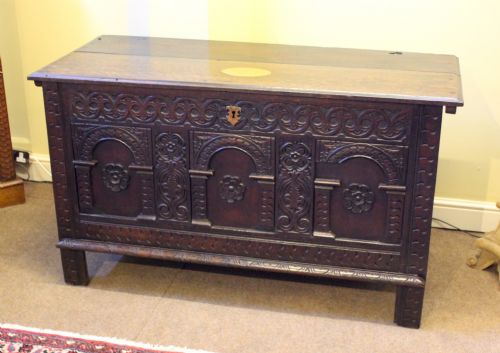
The most frequent form on this page is the heavy oak chest, often featuring panelled construction and carved detailing. Alongside standard coffers, the selection includes related variants such as mule chests fitted with lower drawers, blanket boxes, and provincial benches.
Origins trace directly to English domestic workshops, provincial country houses, and regional joinery traditions. These pieces served generations of families for storing textiles, valuables, and domestic provisions before modern wardrobes and cabinets became common.
How they were made
Makers relied principally on solid oak, supplemented occasionally by pine, elm, and burr walnut for specific panels or decorative veneers. Timber selection depended on regional availability and the intended function of the chest, with dense hardwoods chosen for durability.
Construction techniques centred on mortise and tenon joints to secure panels within heavy framework, allowing the wood to expand and contract naturally. Iron hinges, locks, and brass keyplates provided essential structural reinforcement and security.
Surface decoration frequently involved hand-carving geometric or floral motifs directly into the timber, alongside occasional painted finishes. These traditional methods ensured the chests could withstand decades of heavy domestic use.
Traditional English Coffer Retail Price Guide 2026
Typical asking prices for traditional english coffer among the pieces listed under this phrase on Sellingantiques today, from the lower quarter to the upper quarter. They describe what is for sale here now, not the wider market.
Materials documented across the inventory include solid oak, pine, elm, burr walnut, iron, and brass.
What varies in quality
The standard of a traditional english coffer depends significantly on the integrity of its timber and the depth of its original joinery. Superior examples retain their original floorboards, hinges, and lid construction without extensive replacement timber.
Carving execution separates standard provincial work from finer pieces, with crisper hand-chased detail indicating superior craftsmanship. The proportion of the panels and the balance of the proportions also dictate the visual harmony of the chest.
The Traditional English Coffer Glossary
- Coffer
- A large wooden chest used historically for storing valuables, linen, and documents. They typically feature a hinged lid and heavy timber construction.
- Mule chest
- A storage chest that incorporates one or more drawers beneath the main compartment. This form bridges the traditional coffer and the chest of drawers.
- Panelling
- A method of framing thin wooden boards within a grooved outer framework to prevent warping. This technique defines the visual structure of seventeenth and eighteenth century chests.
- Blanket box
- A deep chest dedicated to the storage of bedding and blankets. These pieces often lack internal compartments to maximise capacity.
- Trunk
- A portable container used for travel or storage, often reinforced with metal bands. They share functional similarities with stationary coffers.
Traditional English Coffer: Frequently Asked Questions
What was a traditional english coffer used for?
These chests served primarily to store valuable textiles, household linen, and important documents securely within the home. Their sturdy flat lids also allowed them to function occasionally as benches or tables.
Over generations, their domestic role shifted as specialised furniture like wardrobes and chests of drawers became common, leaving coffers to act mainly as decorative storage.
How do I date a wooden coffer?
Dating relies on examining construction methods, timber species, and decorative styles characteristic of specific periods like the seventeenth century or the Georgian era. Hand-split boards, iron butterfly hinges, and pegged joints usually indicate earlier origins.
Later Victorian or twentieth-century reproductions often employ machine-cut timber and modern hardware. Comparing the patination and wear patterns also helps establish age.
Are these chests suitable for modern living rooms?
A traditional english coffer fits well into contemporary interiors by providing generous concealed storage for blankets, board games, or shoes. Their solid timber surfaces also serve effectively as coffee tables or window seats.
Placing them away from direct heat sources helps protect the antique wood from drying out and splitting in modern heated rooms.
What is the difference between a coffer and a mule chest?
A standard coffer consists solely of an upper compartment accessed via a hinged lid. A mule chest introduces one or more drawers built into the base beneath the main chest area.
This evolution provided easier access to smaller items without needing to lift the heavy top lid.