
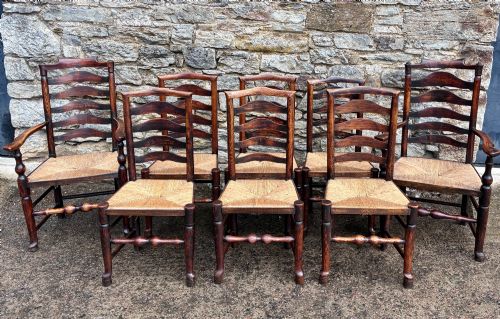
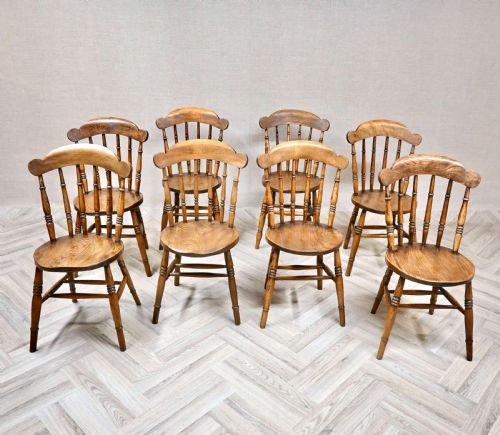
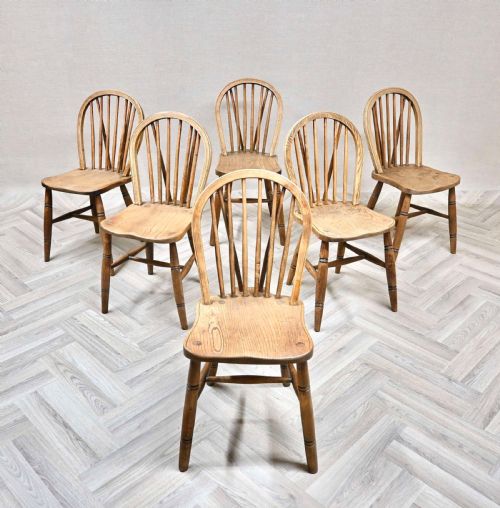
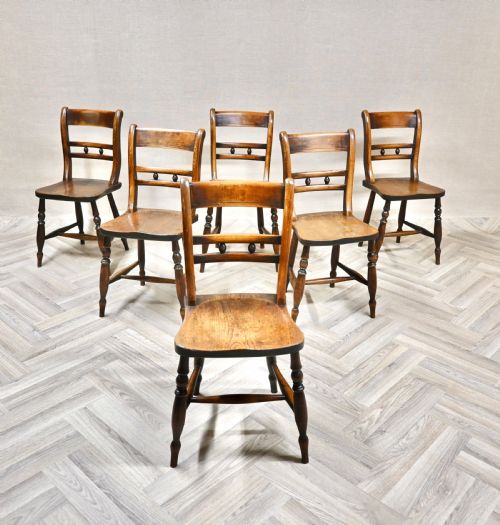
Traditional Elm Dining Chair
A traditional elm dining chair brings honest vernacular character to the table through solid timber construction and comfortable country forms.
Traditional Elm Dining Chair
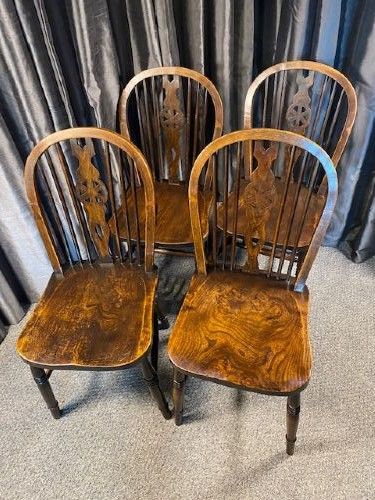
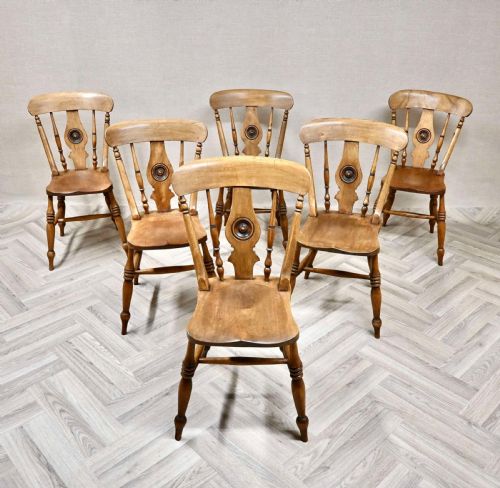
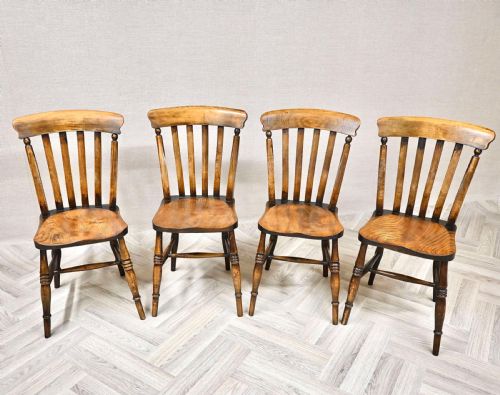
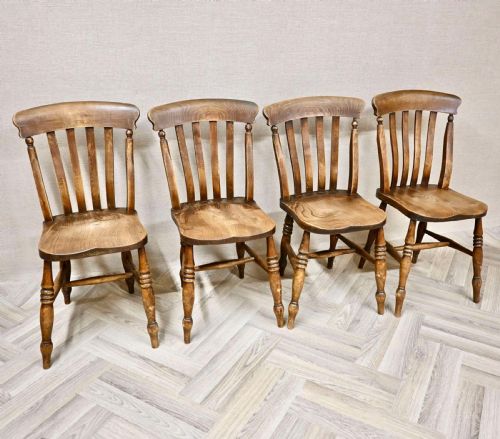
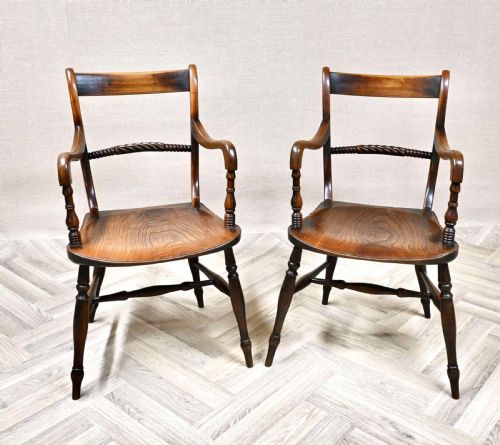
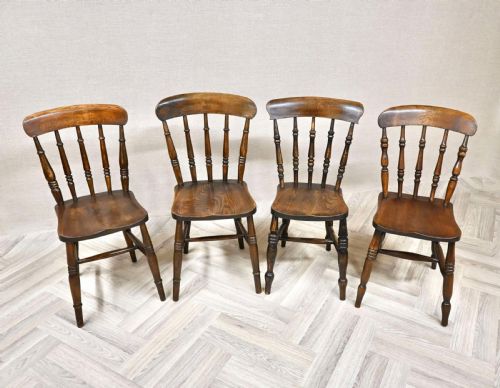
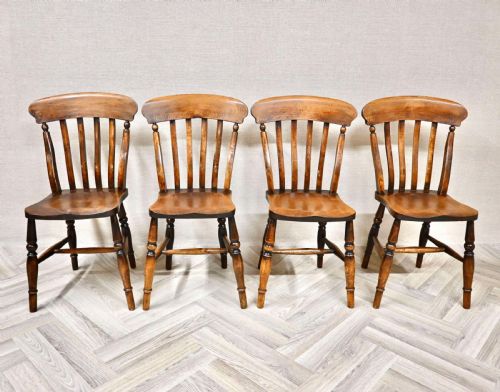
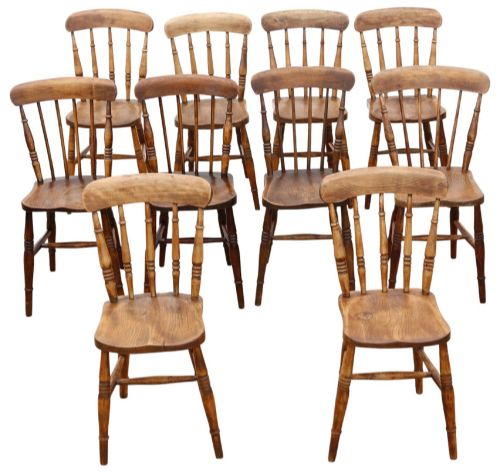
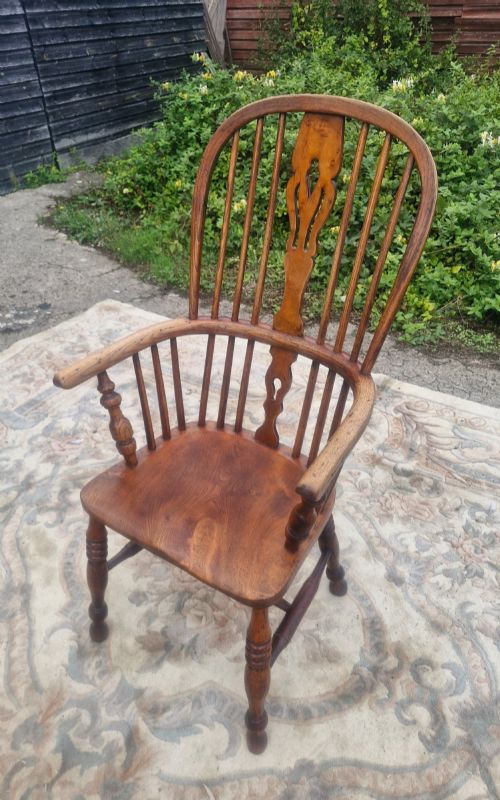
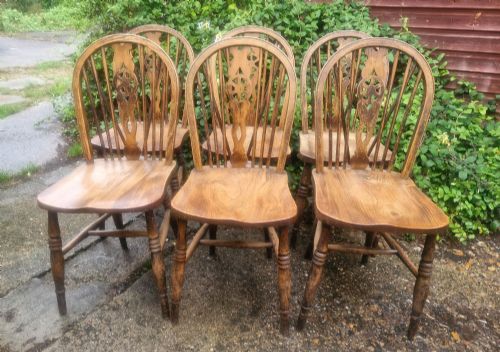
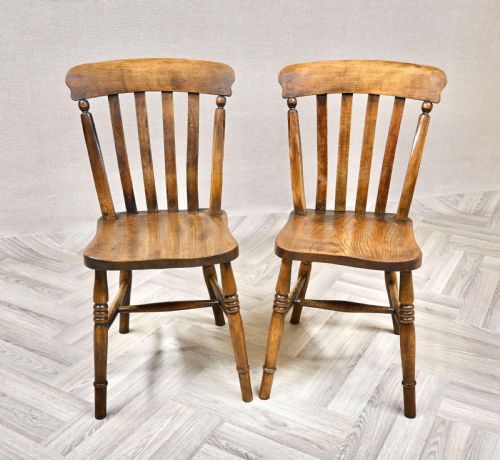
A traditional elm dining chair typically manifests as a Windsor, stick back, or lathe back form shaped for practical domestic use in farmhouses and kitchens. These seating options emerge from periods spanning the Georgian era through the Victorian age and into the mid-twentieth century.
Buyers encounter sets of kitchen chairs alongside individual armchairs and side chairs constructed with prominent wooden seats. The designs draw upon English country vernacular and rustic farmhouse traditions rather than formal urban cabinet-making.
Makers combined elm with supporting timbers like beech, ash, and oak to create robust daily seating. The resulting pieces range from simple barbacks to elaborate wheelbacks and high-back Windsor armchairs.
Judging quality and character
Quality rests upon the sculptural flow of the timber components and the depth of the grain visible across the seat. Superior examples display balanced proportions in the turned spindles and a comfortable, ergonomic sweep to the backrest.
Wear patterns reveal the integrity of the original construction, where tight joints and minimal replacement parts maintain the piece's structural harmony. A rich surface patina accumulated through decades of use elevates the overall presence of the chair.
Many nineteenth-century kitchen chairs bear subtle ink stamps or carpenter's marks underneath the seat from the rural workshops that shaped them.
The Traditional Elm Dining Chair Glossary
- Windsor chair
- A chair built with a solid wooden seat into which the legs and back spindles are directly inserted. This construction method provides notable strength and stability.
- Wheelback
- A Windsor chair variation featuring a pierced splat carved or shaped in the outline of a cartwheel. It remains a popular decorative feature on nineteenth-century kitchen chairs.
- Comb back
- A Windsor chair style where the top rail resembles the spine of a comb, with vertical spindles rising through a low horizontal arm bow. This form offers generous support for the upper back.
- Patina
- The surface sheen and colour developed by wood over years of handling, polishing, and natural ageing. This quality distinguishes period timber from modern finishes.
Traditional Elm Dining Chair: Frequently Asked Questions
How do I care for an antique elm chair?
Feed the timber periodically with a traditional beeswax polish to nourish the grain and prevent the wood from drying out. Keep the chair away from direct heat sources and sudden temperature shifts to protect the joints.
Check the legs and stretchers occasionally for movement, addressing loose tenons promptly before structural strain damages the surrounding wood.
Are these chairs comfortable for daily dining?
Most examples feature ergonomically shaped solid elm seats carved to fit the body, offering surprising support during long meals. Adding loose squab cushions can increase comfort without altering the historic frame.
Armchairs provide a wider stance and built-in armrests, making them suitable as host seating at the head of a table.
How do I date a traditional elm chair?
Examine the turning style of the legs and spindles, as Victorian and Georgian makers used distinct lathe profiles. Tool marks on the underside of the seat often reveal whether the maker relied on hand adzes or mechanical lathes.
Wood shrinkage patterns and the depth of the surface patina also help indicate whether a piece originates from the eighteenth or nineteenth century.
Can I mix different styles around one table?
Harlequin sets of dining chairs were common in period homes, where families gathered mismatched seating of similar heights and materials. Combining various Windsor or stick back designs creates a relaxed, authentic interior look.
Matching the seat height and general scale of the chairs ensures diners sit comfortably at an even level around the table.