

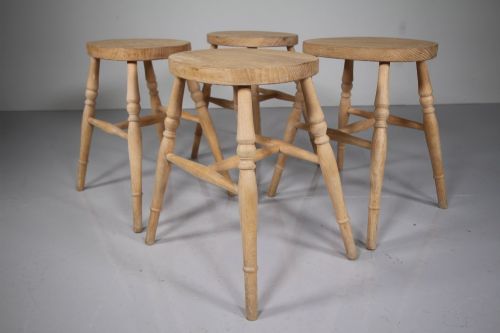

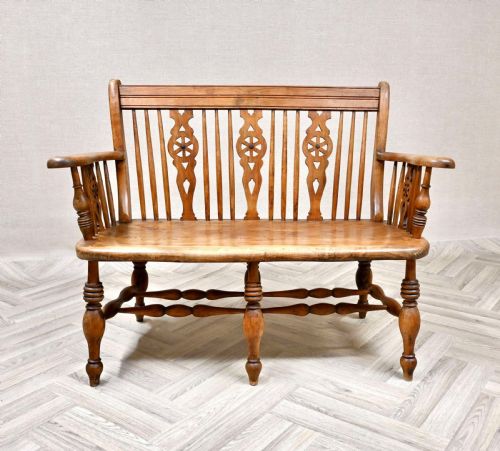
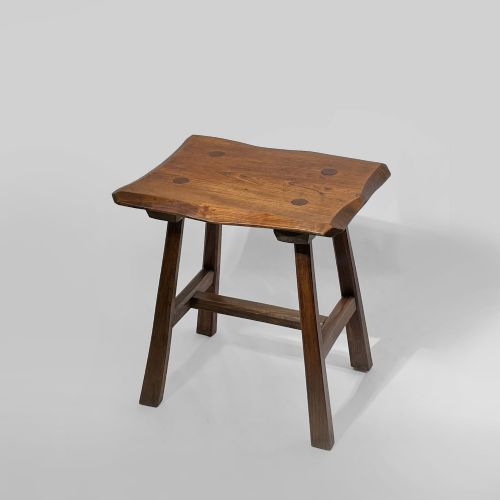
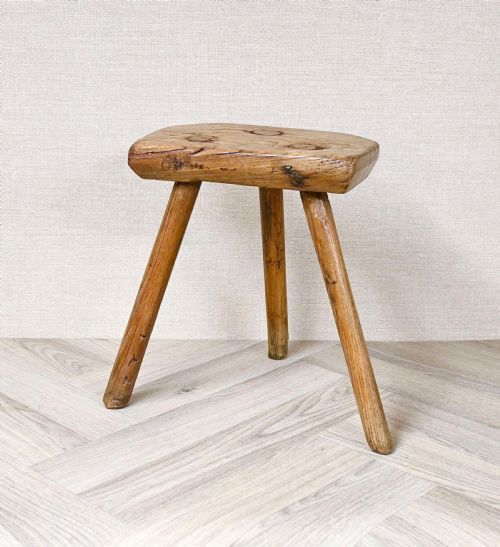


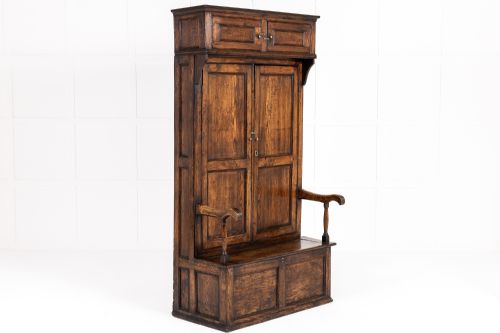


Traditional Elm Bench
A traditional elm bench brings honest grain and centuries of utility straight into a hallway, kitchen or living space.
Traditional Elm Bench
A traditional elm bench offers sturdy seating built from solid timber, often taking the form of long hallway benches, box settles with storage, or low rustic tables and stools.
The pieces on this page span the eighteenth and nineteenth centuries, alongside Edwardian examples and Chinese hardwood forms.
Makers shaped these utilitarian objects for everyday life in farmhouses, taverns and provincial homes using durable local woods.
How they were made
Carpenters constructed these items primarily from solid elm, oak, ash, pine and hardwood, often combining plank tops with robust timber legs or trestle bases.
Joinery techniques relied on pegged joints, thick planks and simple framing designed to withstand heavy daily use over generations.
Some Asian and Chinese examples incorporate carved hardwood and blonde wood joinery, while English country pieces showcase pegged Windsor construction and box settle storage compartments.
Traditional Elm Bench Retail Price Guide 2026
Typical asking prices for traditional elm bench among the pieces listed under this phrase on Sellingantiques today, from the lower quarter to the upper quarter. They describe what is for sale here now, not the wider market.
Early milking stools survived because they were small enough to kick across the floor when the cow grew restless.
What varies in quality
Quality rests in the integrity of the timber, the thickness of the plank top and the honesty of the construction rather than applied decoration.
Surviving surface depth and natural patina distinguish pieces that have aged gracefully through centuries of service from those with overworked finishes.
The Traditional Elm Bench Glossary
- Elm
- A tough, durable hardwood with a characteristic interlocking grain that resists splitting. Cabinet makers favoured it for seating and bench tops that required high impact resistance.
- Settle
- A wooden bench featuring a high back to block draughts and enclosed sides or storage beneath the seat. They stood near hearths in traditional homes.
- Trestle
- A structural support consisting of a horizontal beam fixed to two splayed legs. This design provides maximum stability for long tables and benches.
- Patina
- The surface sheen and colour developed by timber over decades of handling, light exposure and polishing. It serves as a visual indicator of age and genuine use.
Traditional Elm Bench: Frequently Asked Questions
Where should I place a traditional elm bench?
These pieces suit narrow hallways, boot rooms or the side of a farmhouse dining table where sturdy seating is required.
Their narrow profile also allows them to function effectively as low display surfaces or coffee tables in living spaces.
How do I care for antique elm furniture?
Maintain the timber by keeping it away from direct heat sources and sudden humidity changes that cause wood to shift.
Apply a traditional beeswax polish occasionally to nourish the grain and preserve the surface patina.
What is the difference between an elm bench and a settle?
A standard bench provides open seating on a plank top supported by legs or trestle ends.
A settle incorporates a protective high back and enclosed sides, sometimes featuring a box compartment beneath the seat for storage.
How can I tell the age of a wooden bench?
Age reveals itself through hand-cut tool marks, pegged joinery, timber shrinkage and the depth of the surface patina developed over generations.
Construction methods and material choices typically align with the regional traditions of the eighteenth and nineteenth centuries.