

Traditional Drinking Bowl
These traditional drinking bowl pieces, spanning silver, horn and hardwood, offer a tangible link to historic communal toasts.
Traditional Drinking Bowl
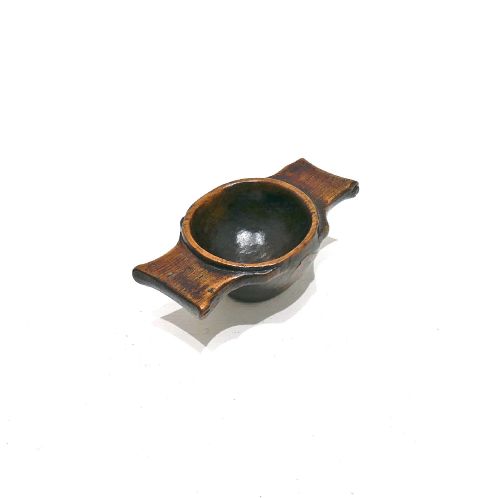
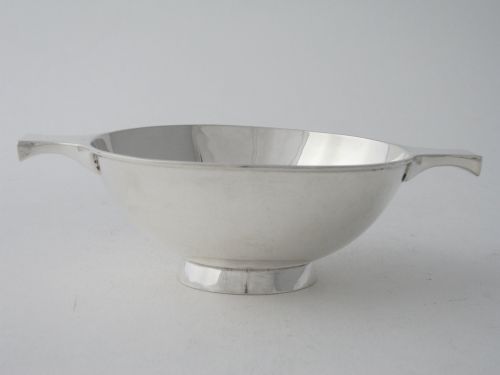
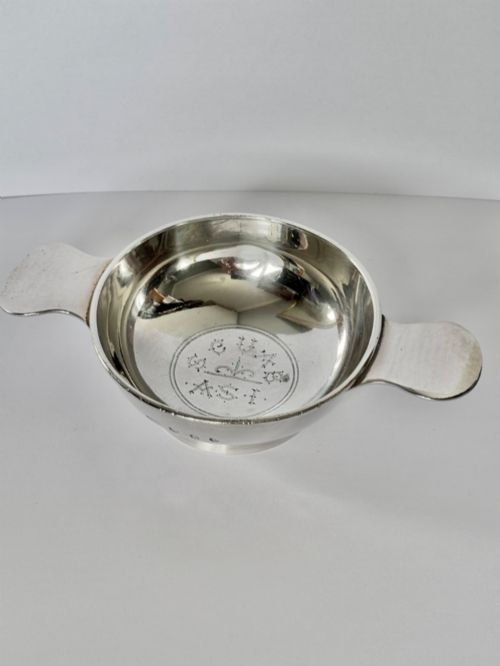
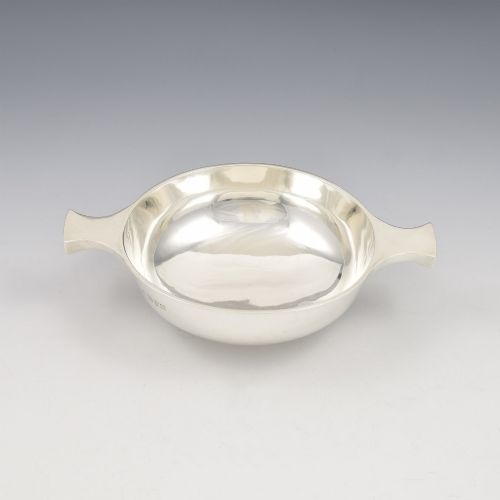
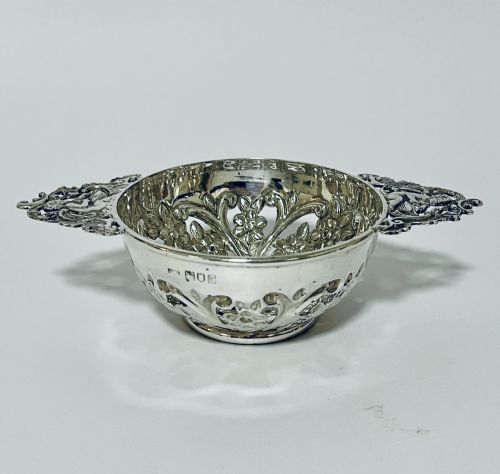
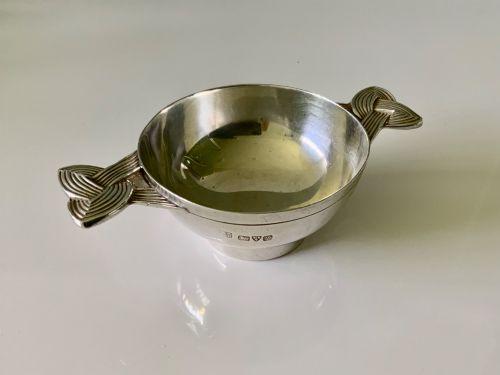
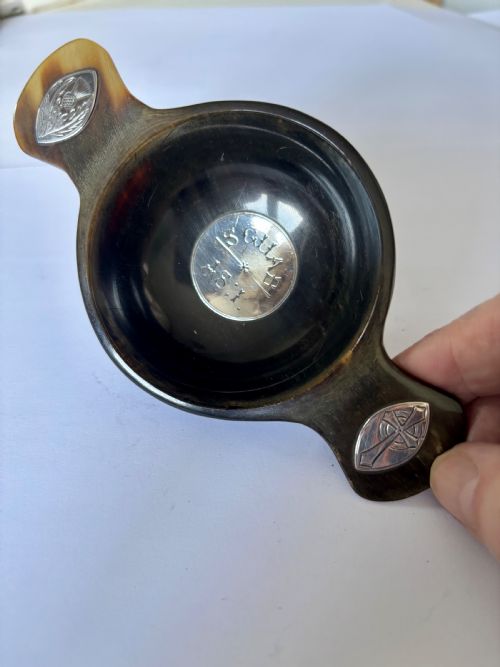
A traditional drinking bowl most frequently appears on this page in the form of a quaich, the traditional Scottish two-handled drinking vessel rooted in centuries of hospitality. These pieces range from compact silver examples bearing hallmark dates to rustic treen and natural horn variants shaped by early makers.
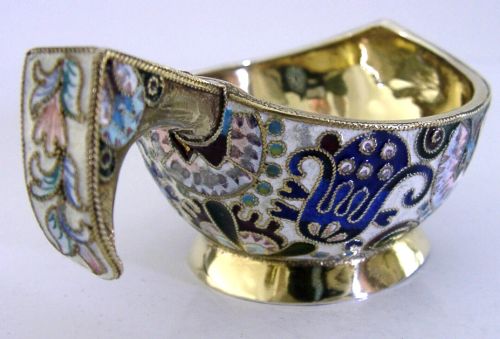
Beyond the classic quaich design, the selection encompasses related historical drinking vessels including Russian kovsh cups and Japanese lacquer sake cups. Formats vary from small domestic cups to substantial silver barware items intended for communal gatherings.
The objects originate across multiple eras, led by Edwardian and Victorian creations alongside mid-century and earlier nineteenth-century examples. Each piece preserves the traditional form associated with ritual toasts and shared hospitality.
How they were made
Metal vessels in this category utilise solid sterling silver and silver-gilt, frequently shaped through traditional silversmithing techniques and finished with hand engraving. Certain examples incorporate vibrant cloisonne enamel work or contrasting mounts applied to natural horn bodies.
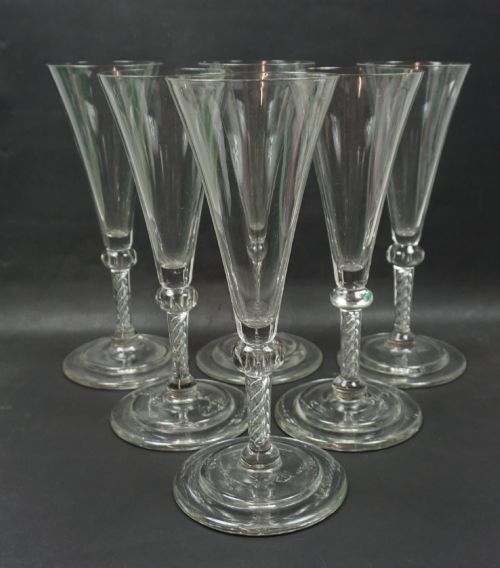
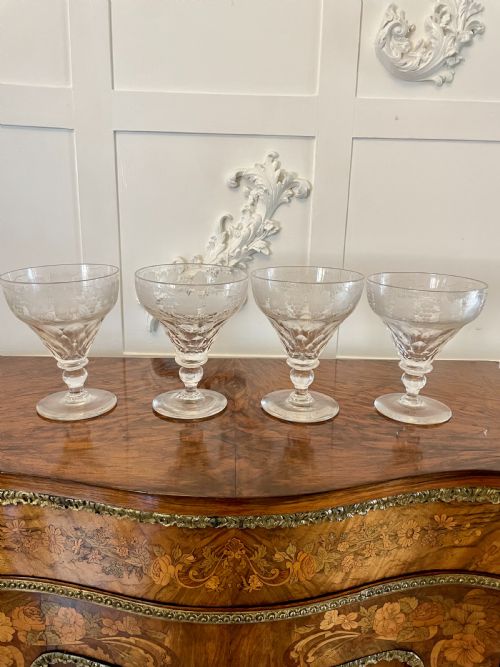
Wooden items rely on skilled treen craftsmanship, turning hardwood or carving organic materials such as horn to form the characteristic shallow bowl and opposing handles. Glassware components utilise lead crystal and air twist stem methods to achieve height and structural clarity.
Traditional Drinking Bowl Retail Price Guide 2026
Typical asking prices for traditional drinking bowl among the pieces listed under this phrase on Sellingantiques today, from the lower quarter to the upper quarter. They describe what is for sale here now, not the wider market.
Listings feature sterling silver, natural horn, hardwood and lead crystal across periods from the nineteenth century to the mid-twentieth century.
What varies in quality
The standard of a traditional drinking bowl rests upon the crispness of its hand engraving and the structural integrity of its opposing handles or lugs. Finer metal examples display clear hallmarks and substantial gauge silver, whereas lesser pieces show rubbed details or thin walls.
Material selection dictates the upper tier of the range, where natural horn displays rich tonal variation and precious metal is enhanced by intricate enamel work. Simpler turned wood or standard glass pieces present a more utilitarian character without decorative embellishment.
John William Kirwan·Nathan & Hayes·Mackay & Chisholm
The Traditional Drinking Bowl Glossary
- Quaich
- A traditional Scottish drinking vessel featuring a shallow circular bowl and two opposing handles known as lugs. These vessels were historically used for whisky or welcoming a guest.
- Silver-gilt
- Silver that has been coated with a thin layer of gold on its surface. This technique imparts a rich golden interior or exterior finish to drinking vessels.
- Kovsh
- A traditional Russian boat-shaped drinking vessel or ladle with a single flat handle. These pieces frequently feature elaborate enamel decoration and precious metal construction.
- Air twist
- A decorative optical effect inside a glass stem created by drawing out trapped air bubbles during manufacture. This technique produces delicate spiral threads within the transparent glass.
Traditional Drinking Bowl: Frequently Asked Questions
How were horn drinking vessels made?
Makers shaped natural horn by boiling or heating the material to soften it before pressing and turning it into the desired drinking bowl form.
Silver mounts and rims were frequently added to reinforce the organic material and provide a secure drinking edge.
How do I date an antique silver bowl?
Silver pieces carry official hallmarks stamped by assay offices that record the specific year of manufacture, city and metal standard.
Matching these stamped letters and maker marks against historical records provides an exact date of production.
Can these antique cups still be used?
Many solid silver and sturdy metal vessels remain robust enough for occasional use during modern toasts and celebrations.
Fragile items incorporating antique paper labels or delicate enamel work are generally preserved for display rather than active service.