
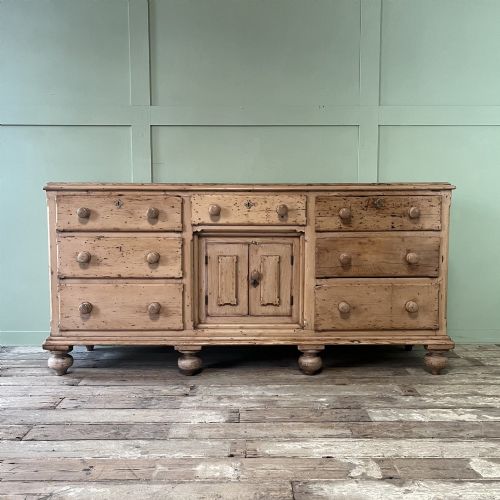
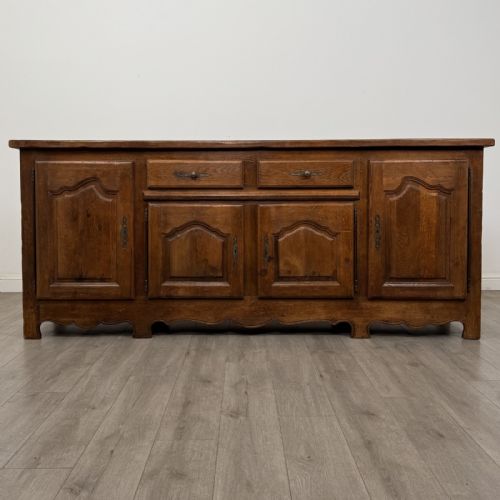
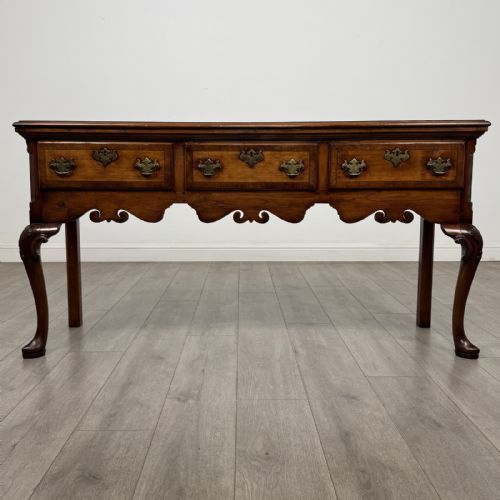
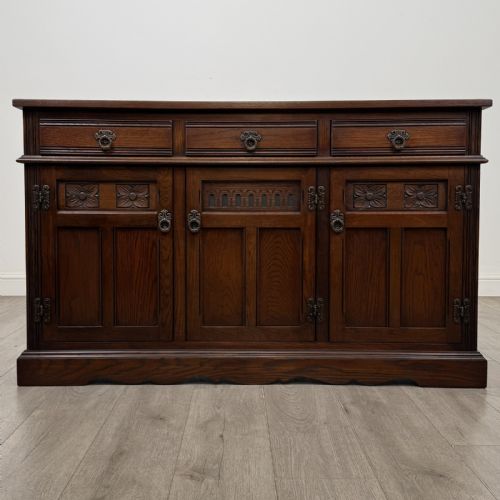
Traditional Dresser Base
A traditional dresser base grounds a room with storage and surface space, bringing honest craft and historical utility straight into daily modern life.
Traditional Dresser Base
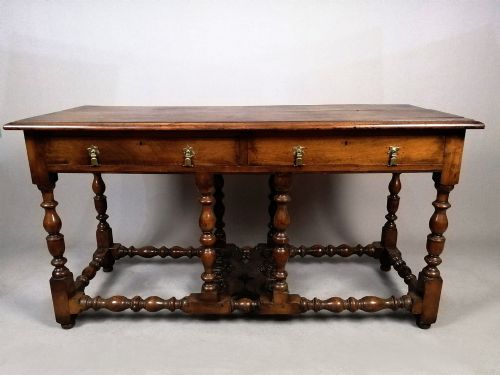
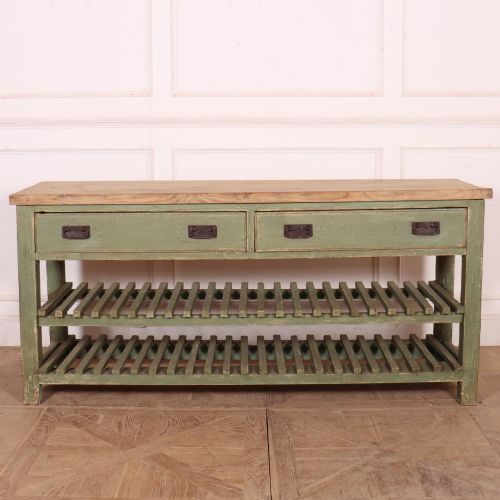
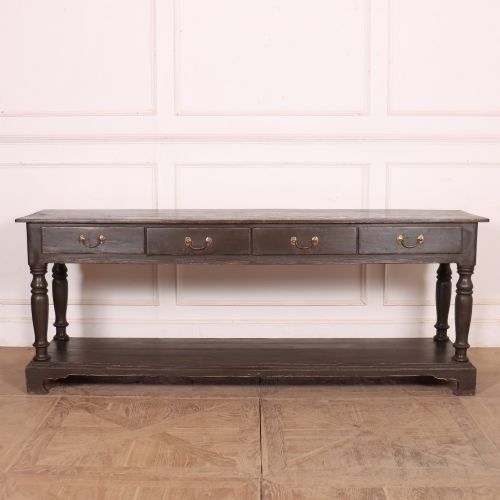
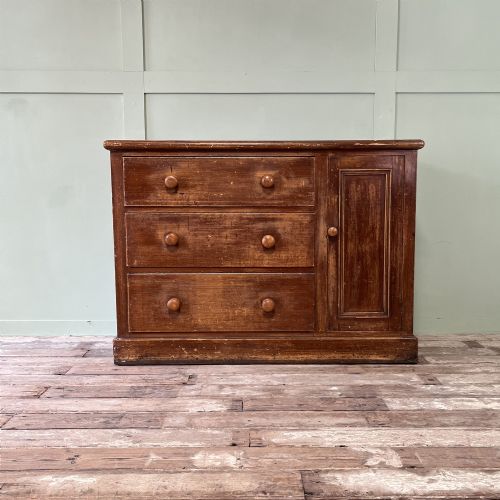
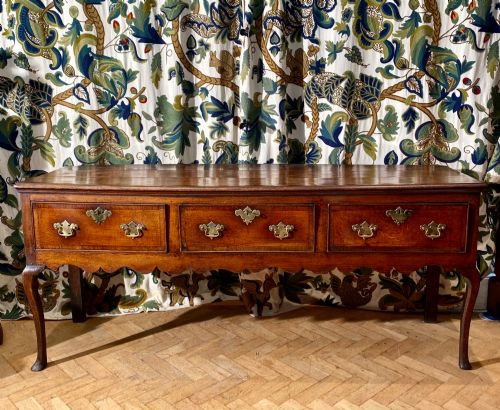
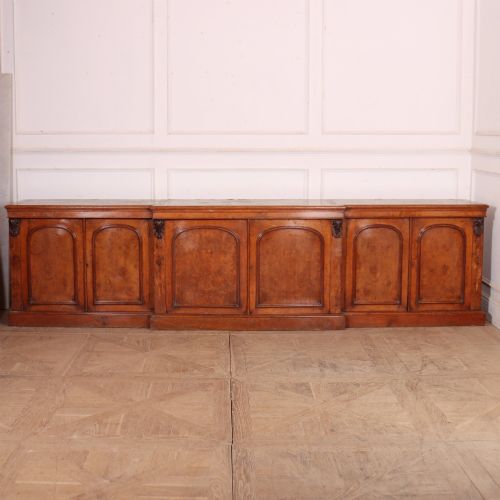
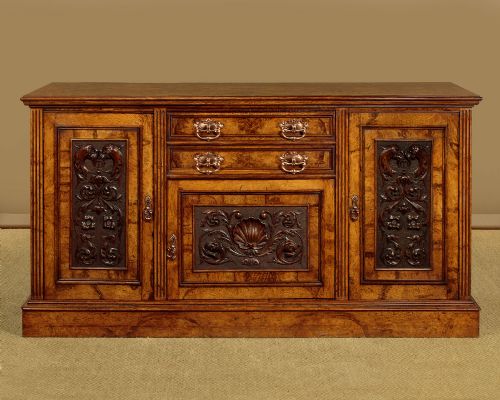
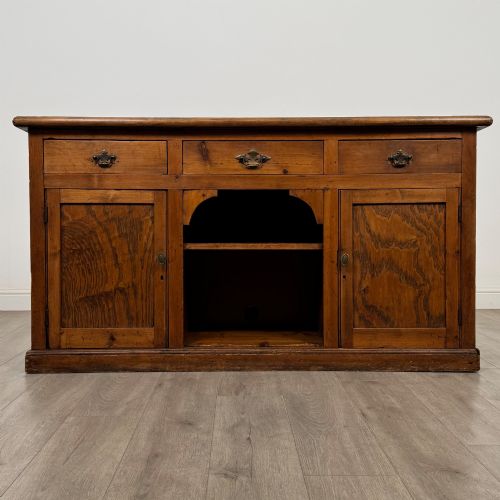
A traditional dresser base typically presents a low, sturdy timber frame equipped with drawers across the top and cupboards or an open potboard shelf below. These utilitarian pieces originate from centuries of farmhouse and country house kitchens where they served as primary work surfaces and storage units.
The versions met most frequently on this page span the eighteenth, nineteenth, and early twentieth centuries, constructed predominantly in regional timbers like oak and pine. Alongside classic English forms, pieces display influences from Jacobean revival, Georgian, and Victorian country traditions.
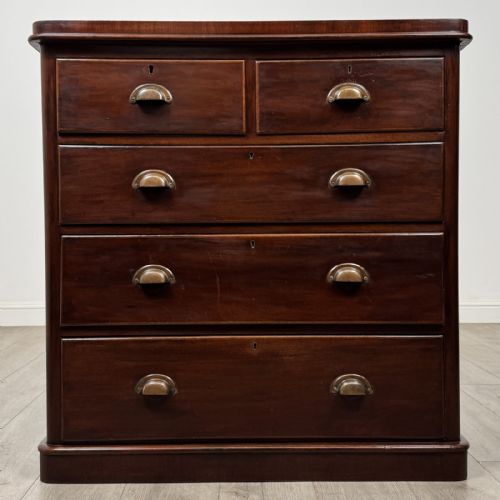
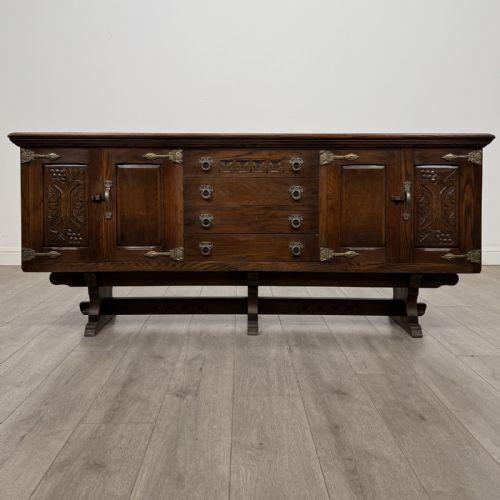
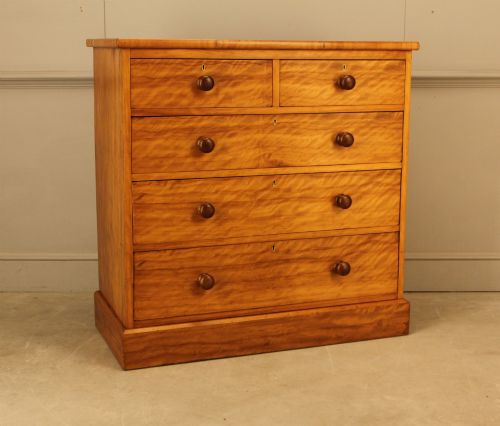
Makers produced these lower sections both as standalone serving tables and as the foundational bases for larger plate rack dressers. Variations run from plain, waxed country pine to carved golden oak and figured mahogany, reflecting the diverse domestic spheres they inhabited.
Distinctions in construction and character
Quality rests in the integrity of the timber selection and the precision of the underlying joinery, where hand-cut dovetails and pegged frames outlast mechanical fastenings. Thickness of the top boards and the depth of drawer linings separate robust utility furniture from lighter decorative pieces.
Surface preservation dictates much of the character, with untouched original patination, period brass hardware, and unaltered potboard lower tiers holding greater historical weight than heavily restored or later adapted surfaces.
Listings demonstrate a strong regional presence of eighteenth and nineteenth century oak and pine dresser bases, alongside Edwardian mahogany and walnut variations.
The Traditional Dresser Base Glossary
- Potboard
- An open lower shelf built into a dresser base, traditionally used to store pots, pans, and heavy ceramic tableware.
- Dovetail
- A joint formed by interlocking wedge-shaped fingers, commonly utilised to construct strong drawer corners in period cabinetry.
- Enfilade
- A long sideboard or cabinet featuring a series of doors along the front, frequently associated with French provincial dining rooms.
- Flame mahogany veneer
- A thin slice of wood cut from the fork of a mahogany tree to create a distinctive flickering flame pattern across drawer fronts.
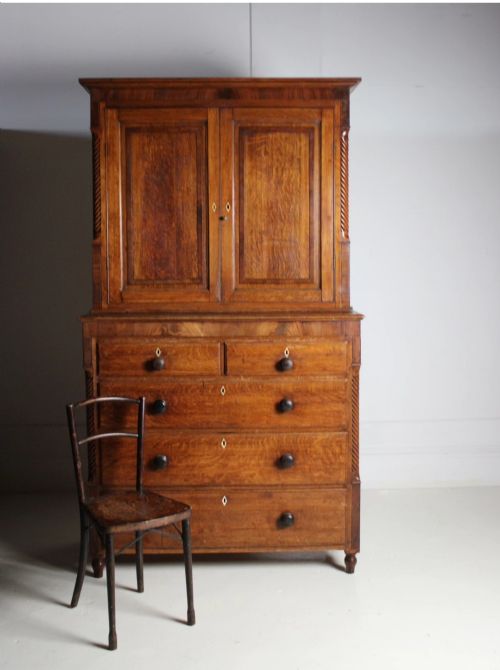
- Housekeeper's cupboard
- A large tall storage cabinet combining drawer and cupboard sections, designed for domestic linen and provision storage.
Traditional Dresser Base: Frequently Asked Questions
What is a traditional dresser base used for?
These pieces function as versatile sideboards, serving tables, or low console units within kitchens, dining rooms, and hallways. Their wide timber tops provide generous surface area while the drawers and cupboards conceal tableware, linens, and household items.
Historically designed for heavy daily domestic labour, they transition easily into modern interiors as media consoles, drinks cabinets, or anchor furniture beneath large artworks or mirrors.
How do I identify an eighteenth century dresser base?
Eighteenth century examples typically display dense, heavy oak construction with hand-planed surfaces, pegged joinery, and board backs secured with handmade nails. Drawer construction utilises wide, hand-cut dovetails and timber pulls or simple brass drop handles.
Proportions tend to be lower and deeper than later Victorian adaptations, often featuring open potboard lower shelves and subtle moulding details characteristic of the Georgian or Queen Anne periods.
Are these dresser bases made of solid wood?
Most traditional dresser bases utilise solid timbers such as oak, pine, sycamore, or mahogany for their primary frames, structural legs, and drawer sides. Regional pieces relied entirely on local forest woods for both interior and exterior surfaces.
Later Victorian and Edwardian variations occasionally incorporate flame mahogany or burr walnut veneers applied to secondary softwood or hardwood carcases to achieve decorative figured surfaces on drawer fronts.
How should I care for a waxed pine dresser base?
Maintain waxed timber surfaces by dusting regularly with a soft, dry cloth and applying a quality beeswax polish sparingly once or twice a year. Avoid placing antique furniture near direct heat sources, radiators, or strong sunlight to prevent timber shrinkage and splitting.
Use coasters and felt pads beneath objects placed on the surface to protect the historic wax finish from moisture rings and scratches.