

Traditional Crystal Pendant
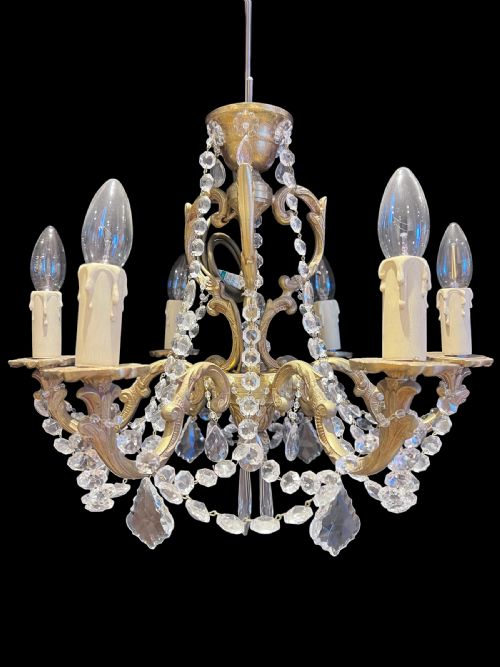
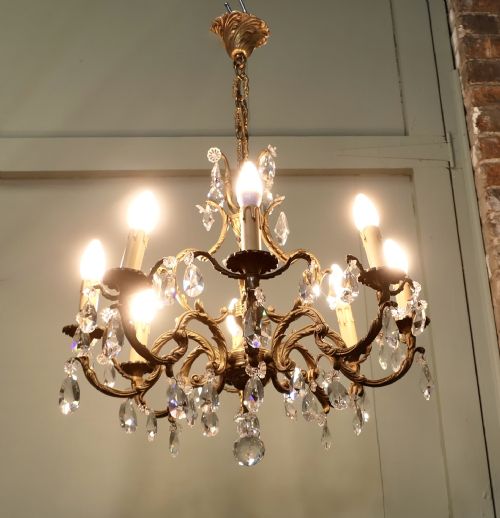
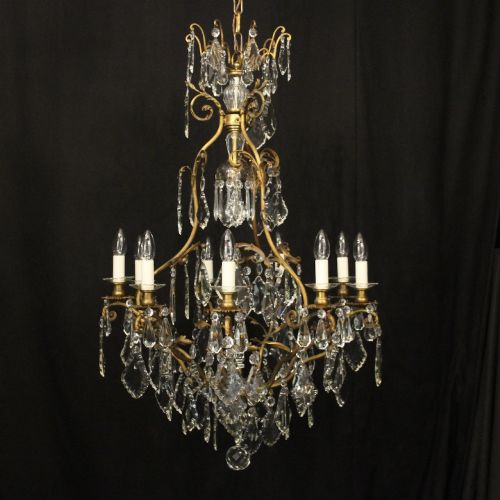
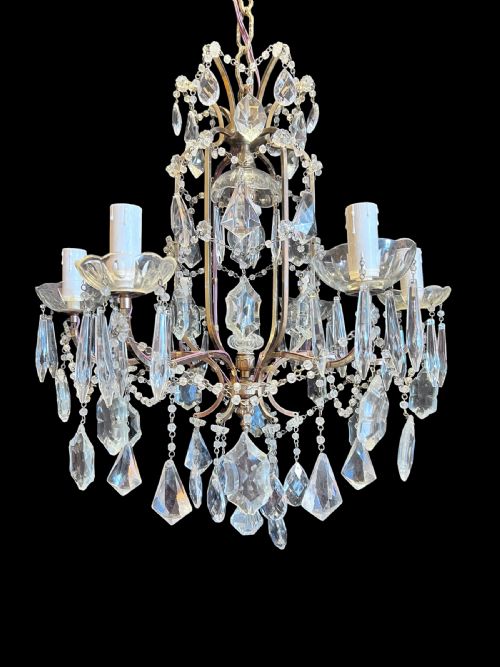
Traditional crystal pendant fixtures bring genuine sparkle to a room, spanning Edwardian cut glass plafonniers and large twentieth century French chandeliers.
Traditional Crystal Pendant
When you search for traditional crystal pendant, you encounter overhead lighting ranging from single-bulb ceiling lights to multi-armed chandeliers. The selection relies heavily on early twentieth century examples, drawing from Edwardian and 1920s design traditions.
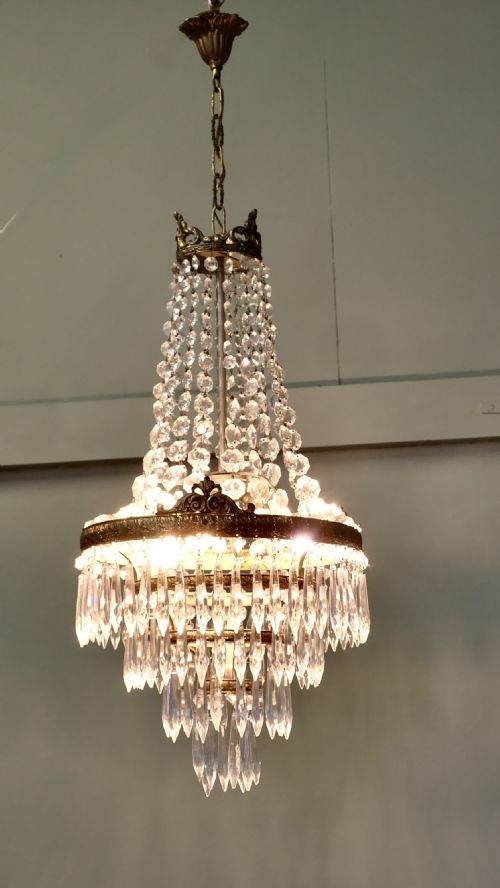
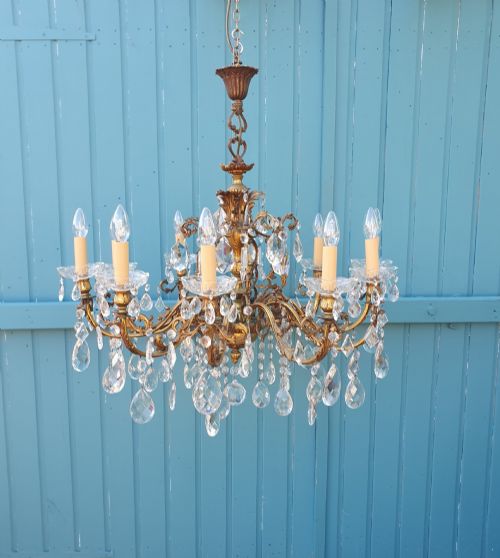
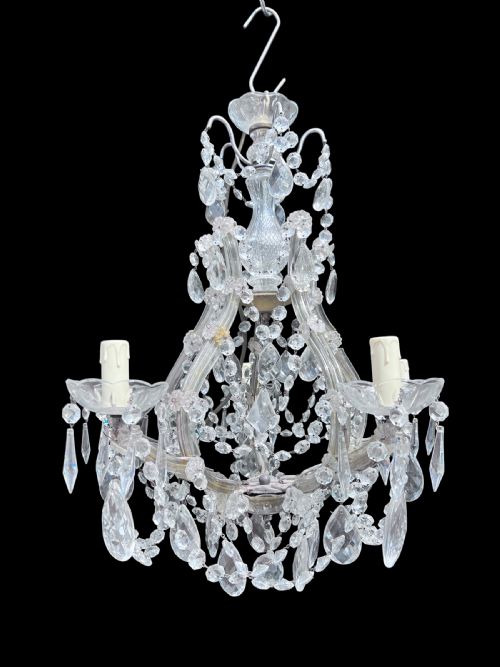
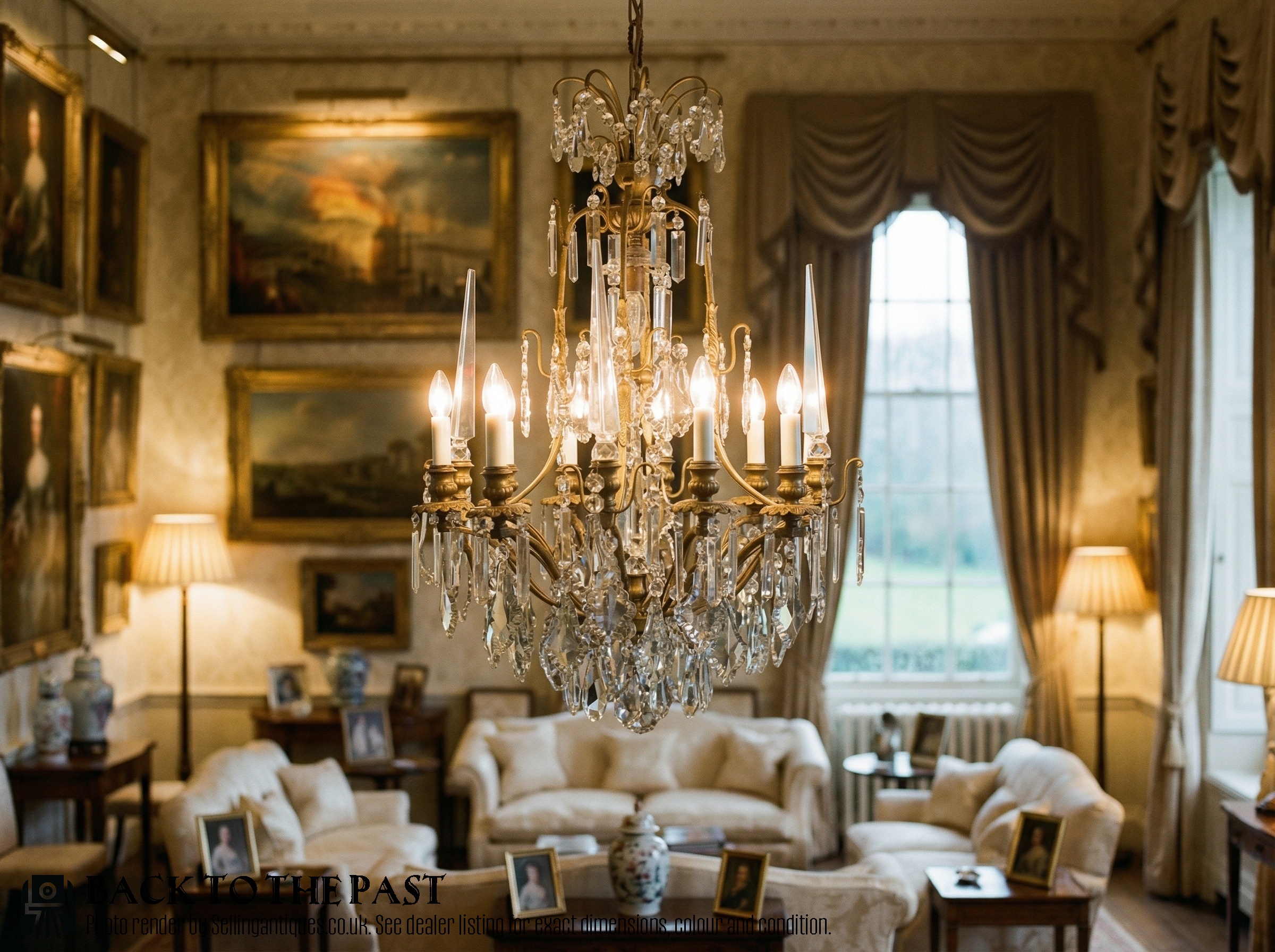
Most pieces stem from French and Italian workshops, displaying styles such as Empire, Louis Revival, and Florentine Baroque. Forms vary from compact plafonniers and bag chandeliers to large tiered fixtures hung with lustres.
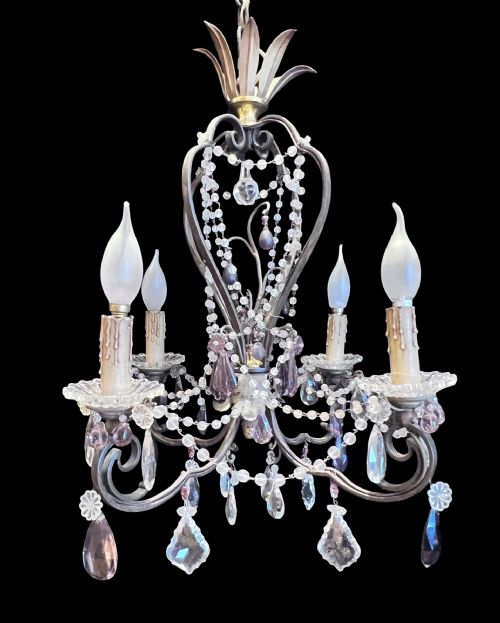
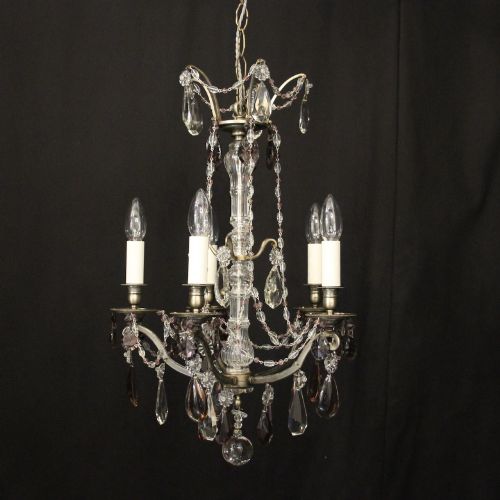
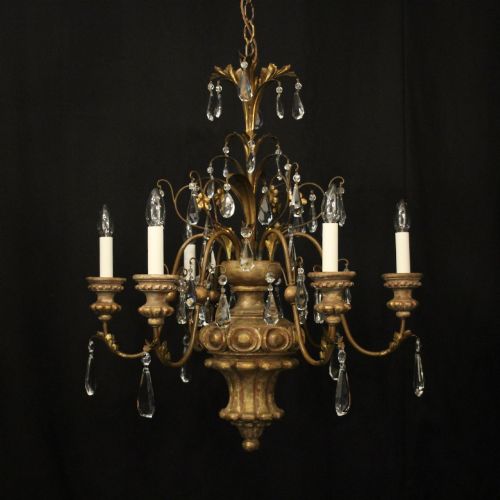
Makers utilised glass, cut crystal, and metals like brass and gilt bronze to build these hanging lights. Coloured crystals and beaded arms appear alongside clear glass drops and teardrops.
What varies in quality
The density and purity of the crystal distinguish finer examples, as high lead content produces sharper light dispersion. Precision in the hand-cutting of facets across drops and beads marks superior workmanship.
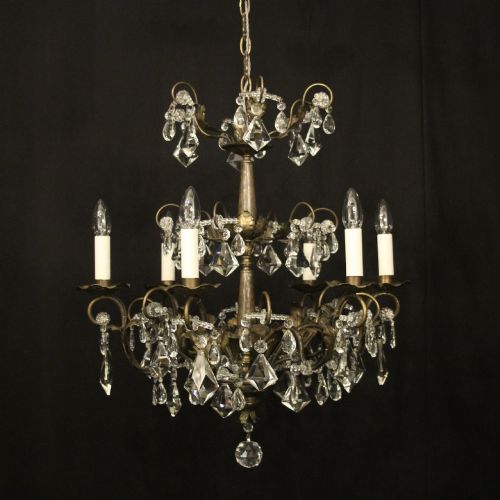
Metal armature construction dictates durability, with cast bronze and heavy brass offering greater substance than lighter stamped components. The intricacy of the frame, from cage designs to elaborate tent and waterfall configurations, elevates the complexity of the piece.
Traditional Crystal Pendant Retail Price Guide 2026
Typical asking prices for traditional crystal pendant among the pieces listed under this phrase on Sellingantiques today, from the lower quarter to the upper quarter. They describe what is for sale here now, not the wider market.
The selection spans pieces dated from 1880 through the 1930s, with a strong concentration of 1920 examples.
The Traditional Crystal Pendant Glossary
- Plafonnier
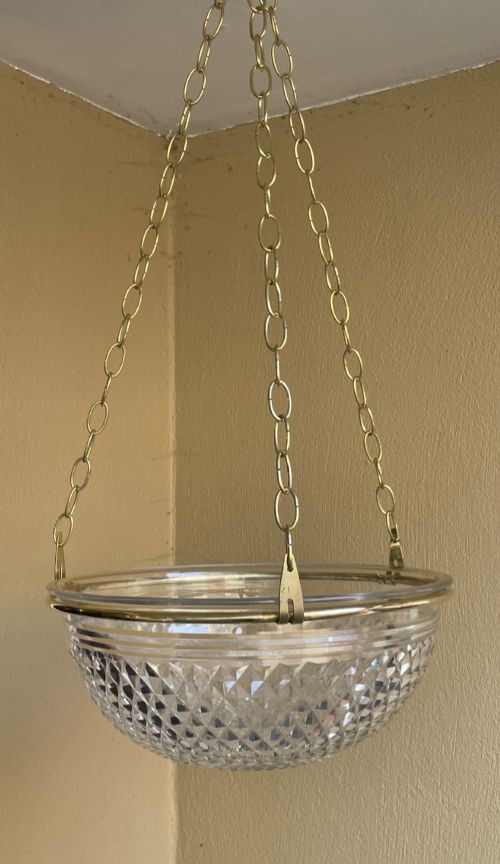
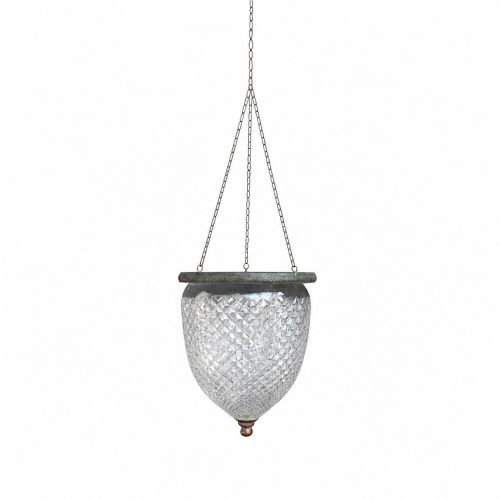
- A flush-mount or close-ceiling bowl light. Edwardian hallways frequently utilised this enclosed glass style.
- Bag chandelier
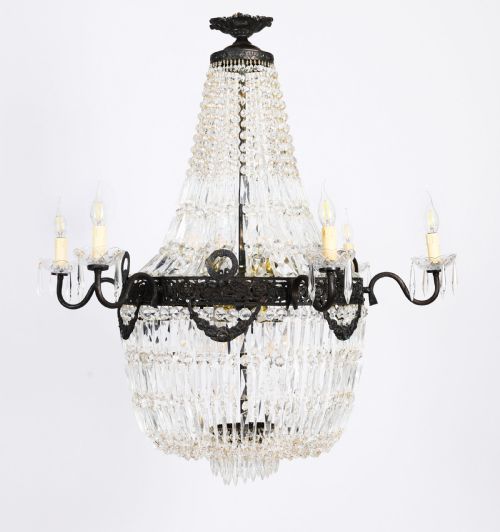
- A light fixture featuring a flattened bowl or bag shape formed by rows of glass beads tapering to a bottom pendant. These compact designs emerged during earlier periods and persisted into the twentieth century.
- Lustre
- A cut crystal pendant or drop hung from a chandelier. Lustres catch and scatter light across the surrounding space.
- Marie Therese
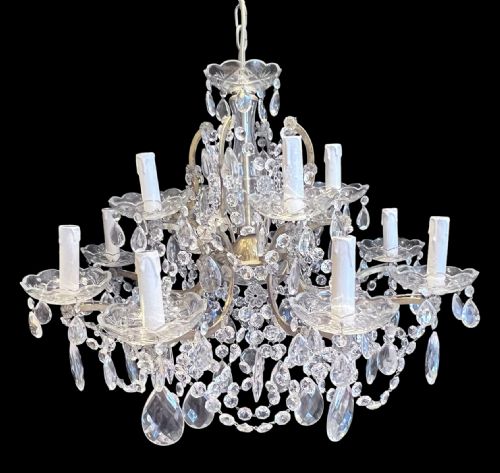
- A style of chandelier characterised by a flat metal crown frame completely draped in crystal garlands and drops. Italian and French makers produced this distinct profile.
- Tent and waterfall
- A chandelier configuration where crystal beads form an upper tent shape above a cascading lower tier of drops. This arrangement creates significant visual depth.
Traditional Crystal Pendant: Frequently Asked Questions
Where should a crystal pendant hang?
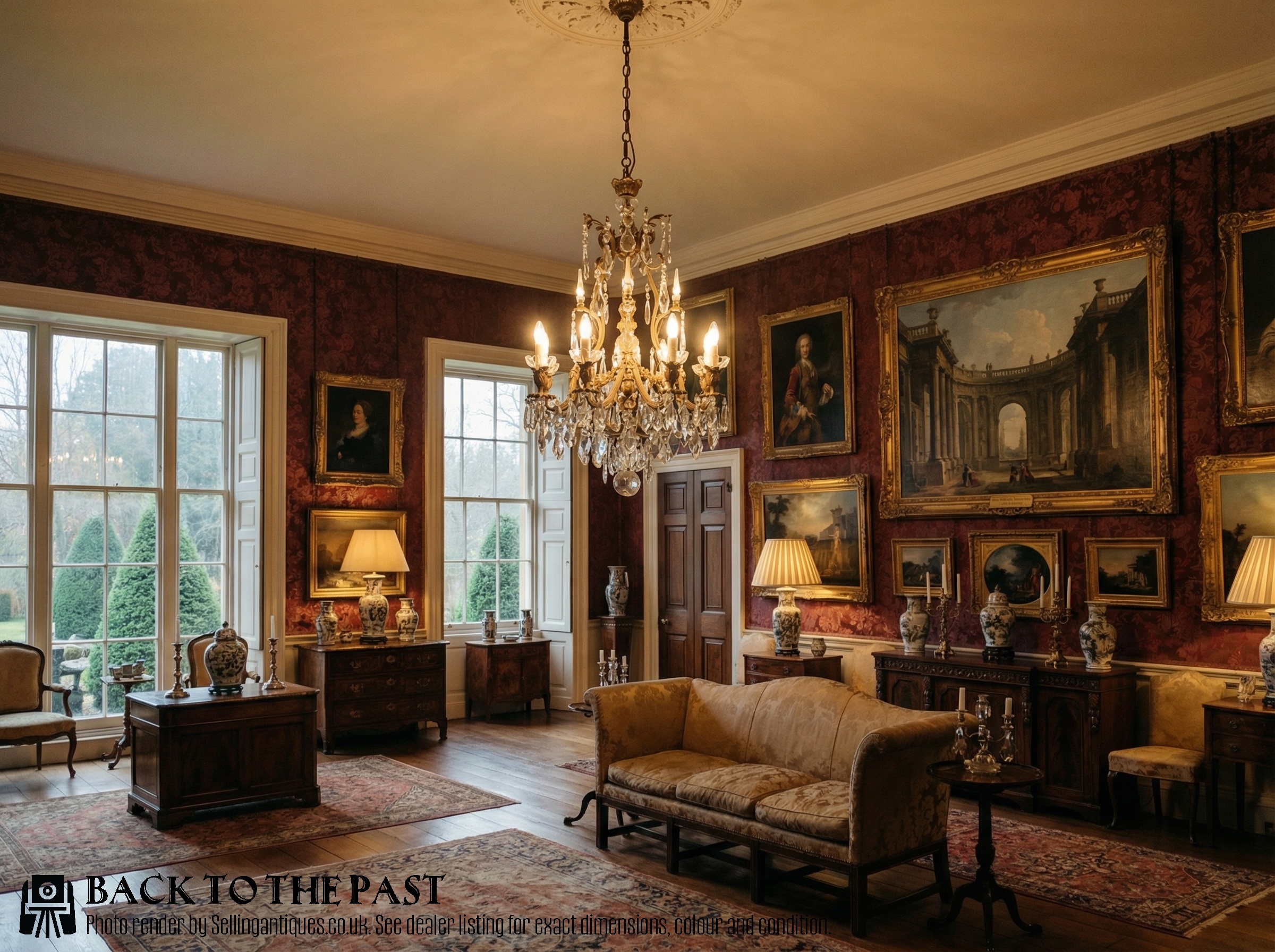
Ceiling lights and chandeliers suit entrance halls, dining spaces, and principal living rooms where overhead clearance permits. Smaller plafonnier fixtures adapt well to lower ceilings and passage areas.
Larger multi-light chandeliers require substantial vertical space to balance their proportions within a room. Placing them above central furniture coordinates the visual focus.
How do I identify an Edwardian plafonnier?
Edwardian plafonniers typically present a dome or bowl-shaped glass shade mounted close to the ceiling. Cut glass acorn motifs and simple brass mounts characterise this specific early twentieth century group.
These compact ceiling lights provided functional illumination for smaller domestic spaces before larger multi-arm chandeliers gained prominence.
What defines a French cage chandelier?
French cage chandeliers utilise an open metal framework shaped like a birdcage to support internal candle lights and exterior crystal draping. Toleware and brass often form the underlying skeletal structure.
This form allows light to filter through internal tiers of glass beads and exterior lustres, creating layered illumination.
How do Italian and French styles differ?
French designs on this page lean towards Empire, Louis Revival, and Rococo styling with gilded bronze, gilt brass, and elaborate crystal waterfalls. These pieces emphasise grandeur and formal symmetry.
Italian lighting often reflects Florentine Baroque or Neoclassical influences, incorporating distinct regional variants like Genoa and Marie Theresa configurations with coloured crystal accents.