

Traditional Credenza
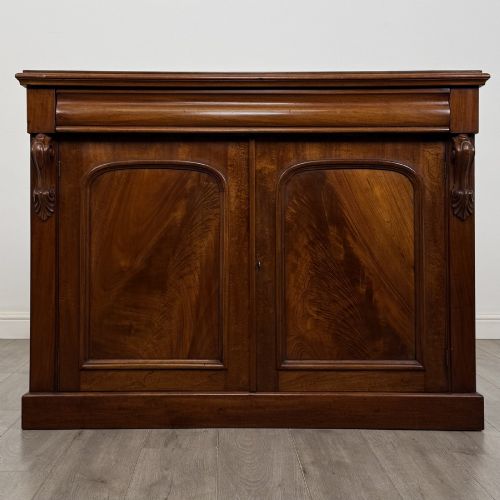
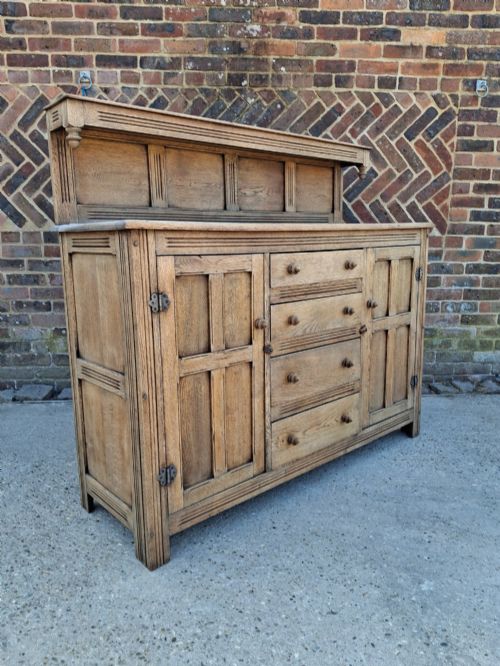
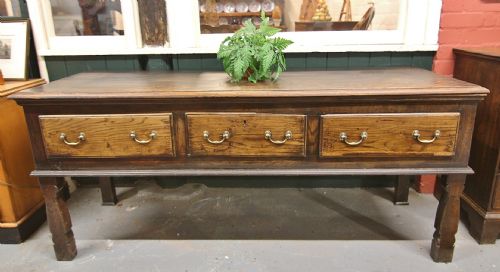
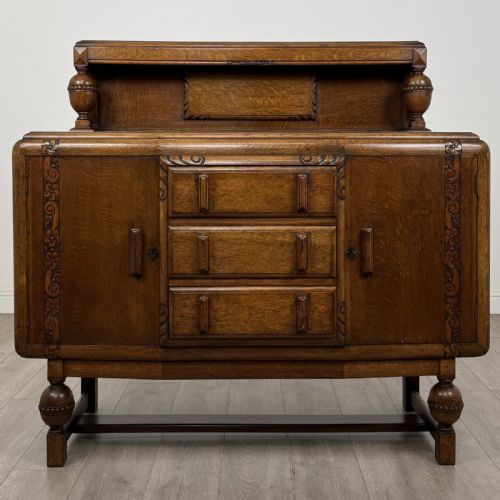
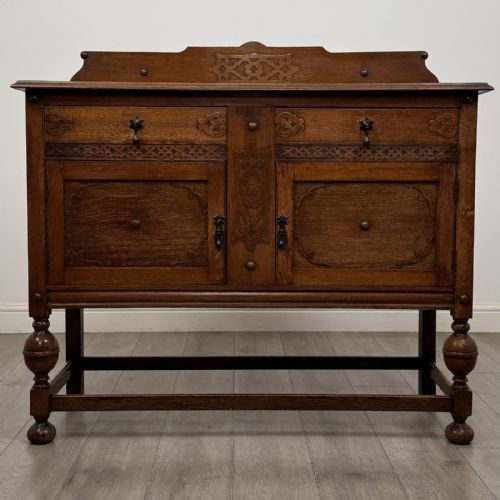
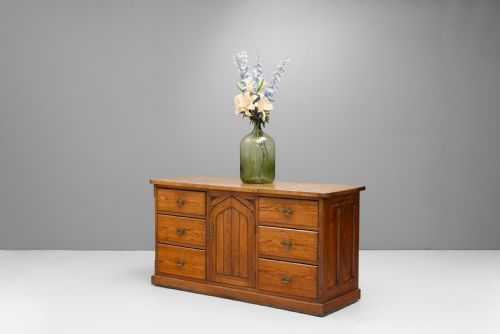
A traditional credenza brings substantial timber presence and period storage to a room, offering practical surface space alongside enclosed cupboards.
Traditional Credenza
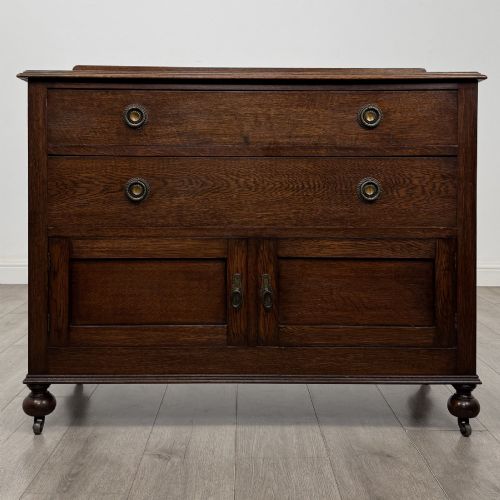
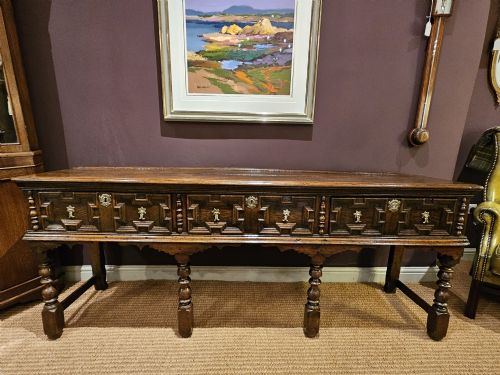
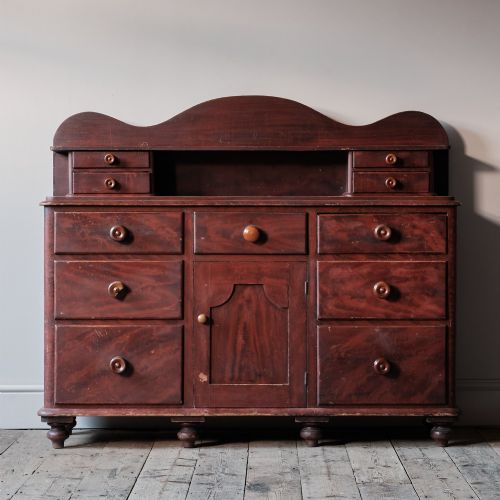
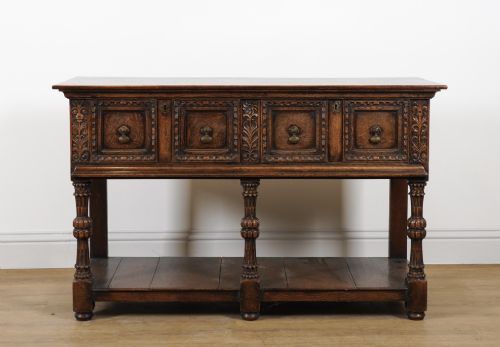
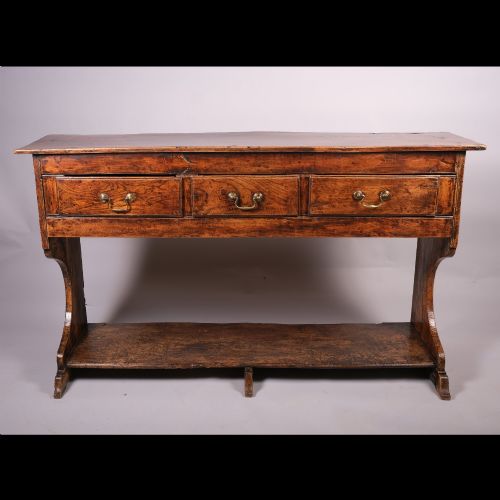
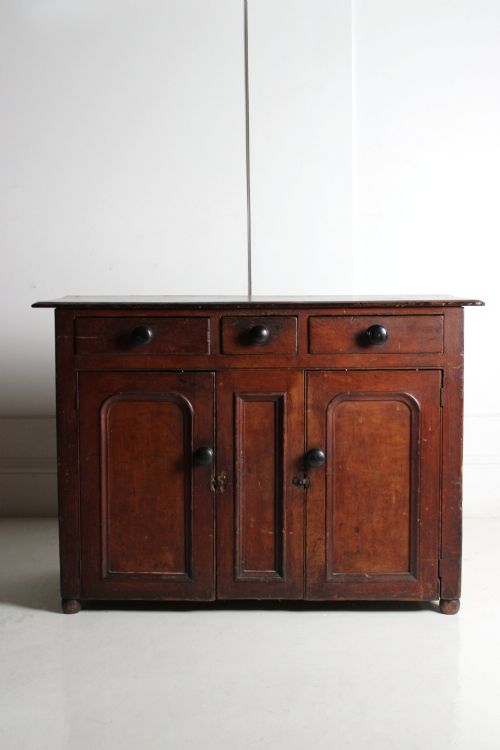
When searching for a traditional credenza, buyers encounter a broad selection of antique storage forms including sideboards, dresser bases, and side cabinets. These pieces serve dining rooms and living spaces alike, providing deep cupboards and drawers for household items.
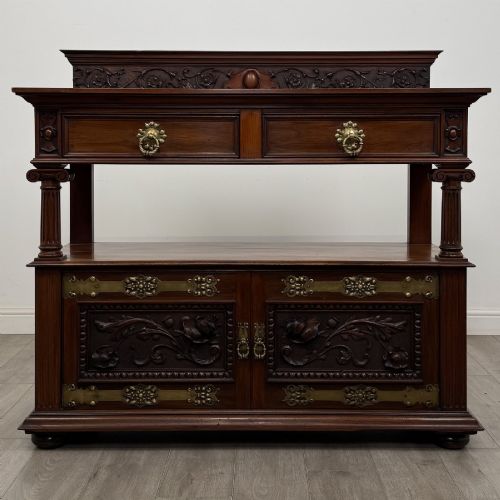
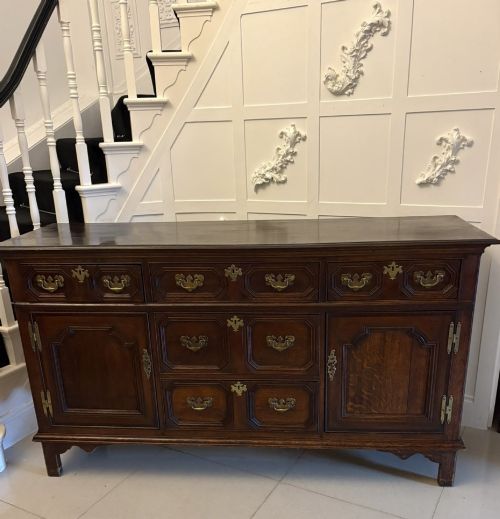
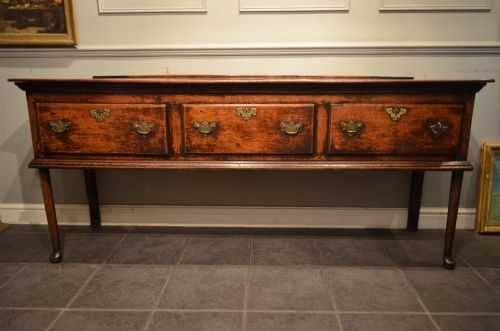
The selections span multiple eras, drawing heavily from Georgian, Victorian, and Edwardian periods alongside earlier oak examples. Common formats range from compact pine cupboards to expansive mahogany servers and carved oak sideboards.
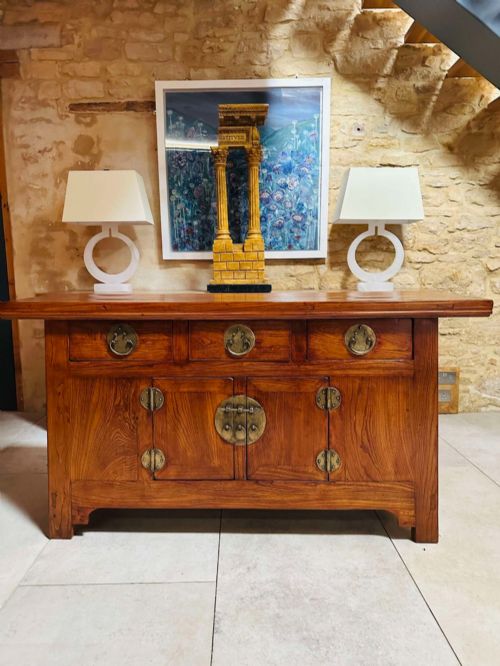
Design characteristics vary from straight-front oak constructions to serpentine mahogany shapes and marble top finishes. Buyers frequently find regional iterations such as Welsh pine dresser bases and French oak enfilades among the available forms.
What Varies in Quality
Distinction across the range rests on timber selection and the refinement of surface decoration, such as intricate carvings or precise inlay work. Superior examples exhibit balanced proportions and well-figured wood grains that elevate the piece beyond utilitarian storage.
Traditional Credenza Retail Price Guide 2026
Typical asking prices for traditional credenza among the pieces listed under this phrase on Sellingantiques today, from the lower quarter to the upper quarter. They describe what is for sale here now, not the wider market.
Listings feature timbers including oak, mahogany, pine, burr walnut, and flame mahogany veneer across multiple centuries.
The Traditional Credenza Glossary
- Credenza
- A sideboard or cabinet used for serving food and storing dining accessories. This form provides surface display area above enclosed cupboards and drawers.
- Dresser Base
- A low wooden storage unit featuring drawers above lower cupboards or open space. These pieces originated in kitchens and dining rooms for practical domestic use.
- Serpentine
- A furniture front characterised by a gentle convex centre flanked by concave curves. This contour requires skilled cabinet making to shape the timber accurately.
- Enfilade
- A long low sideboard or cupboard originating in France, typically featuring multiple doors in a continuous line. These substantial pieces offer extensive internal storage capacity.
- Grill Front
- Cabinet doors inset with metal wire mesh or lattice work instead of solid wood panels. This treatment allows visibility into the interior while maintaining secure closure.
Traditional Credenza: Frequently Asked Questions
What is the difference between a credenza and a sideboard?
While both serve similar dining room functions, the term credenza traditionally denotes a low cabinet, whereas sideboards often incorporate drawers and dedicated serving surfaces.
Historical usage varied by region and period, leading to an overlap in how dealers describe these large storage items today.
How do I date a traditional wooden cabinet?
Dating relies on examining construction methods, timber choices, and secondary woods used inside drawers and back panels. Specific hardware styles and decorative motifs also provide clear indicators of the era of manufacture.
Period characteristics such as bracket feet or inlaid stringing help narrow the decade or century a piece was built.
Can I use a historic sideboard in a modern kitchen?
These robust wooden cabinets integrate well into contemporary kitchens, providing deep storage for tableware and generous surface space for daily food preparation.
Pine farmhouse pieces and oak dresser bases offer a warm, tactile contrast against modern kitchen fittings.
Are these cabinets difficult to maintain?
Regular dusting and occasional waxing keep traditional wood finishes nourished and protected against dry indoor environments. Avoiding direct sunlight and sudden temperature shifts preserves the stability of the timber.
Most antique surfaces require minimal intervention beyond simple, gentle cleaning appropriate for polished or waxed wood.