



Traditional Crafts Lamp
These traditional crafts lamp selections bring together honest metalwork and timber from the Victorian, Edwardian and early twentieth-century periods to anchor a room.
Traditional Crafts Lamp
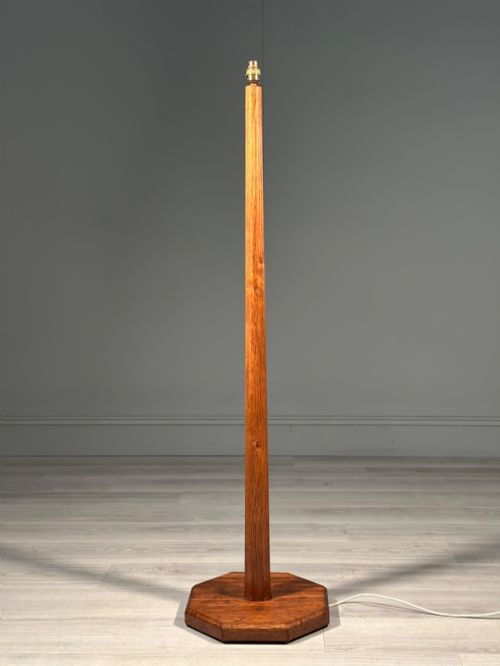
When you search for a traditional crafts lamp, you encounter functional lighting and occasional furniture spanning the Victorian, Edwardian and mid-century eras. The selection on this page leans heavily toward standard lamps, floor lamps and table lamps built from oak, brass and wrought iron.
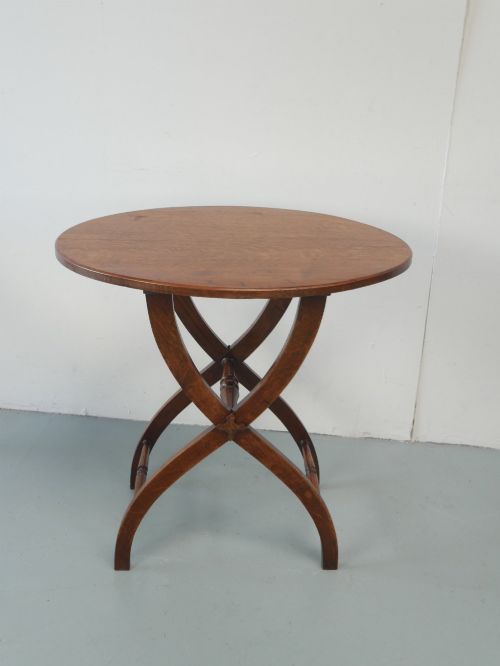
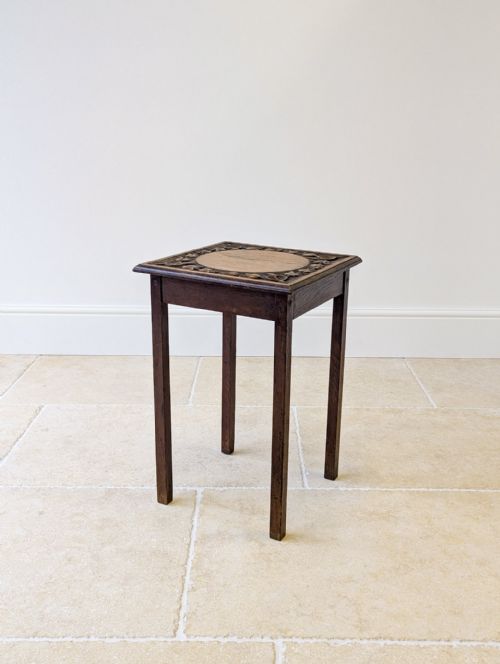
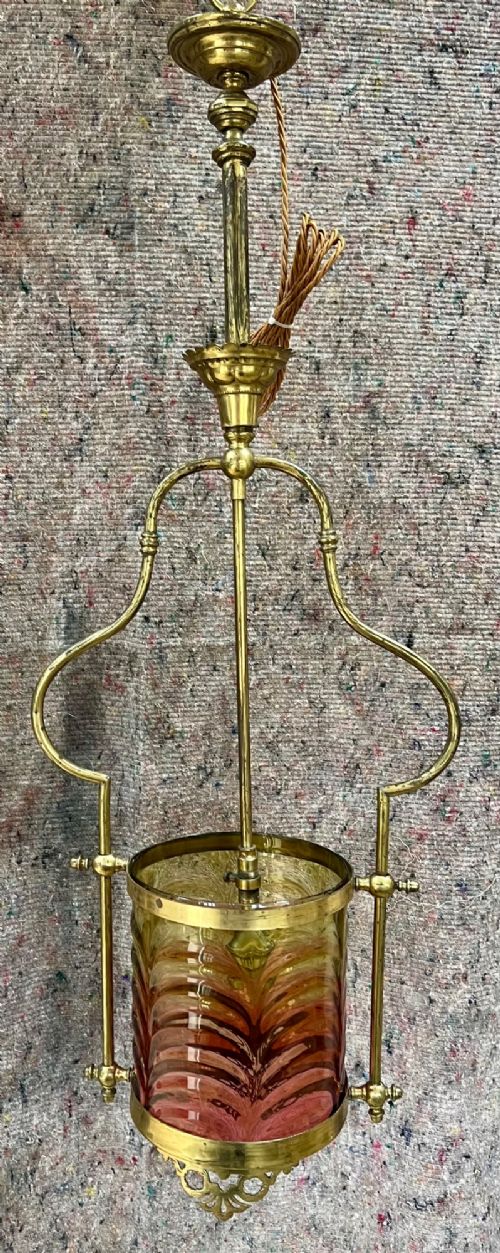
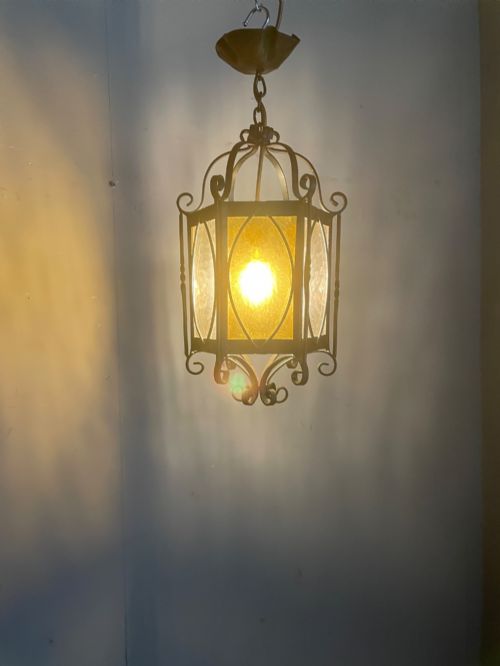
Alongside the floor and standard lighting, you find occasional tables, side tables and hanging ceiling lanterns that share the same straightforward design lineage. These items originate predominantly from the distinct Arts and Crafts and Gothic Revival movements, prioritising utility alongside material honesty.
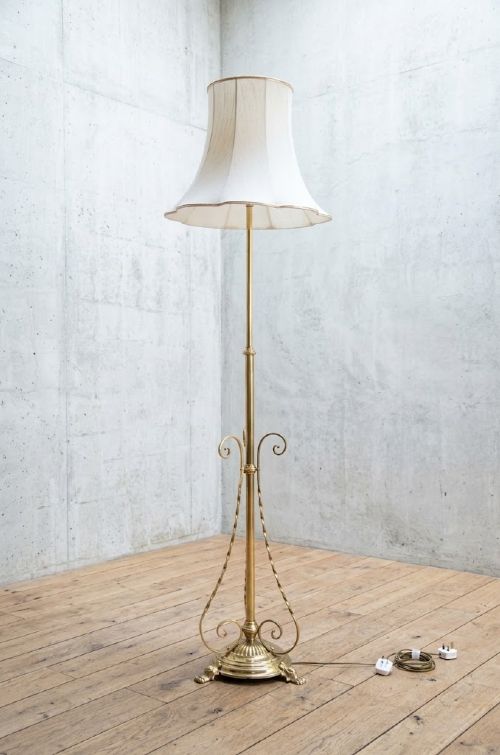
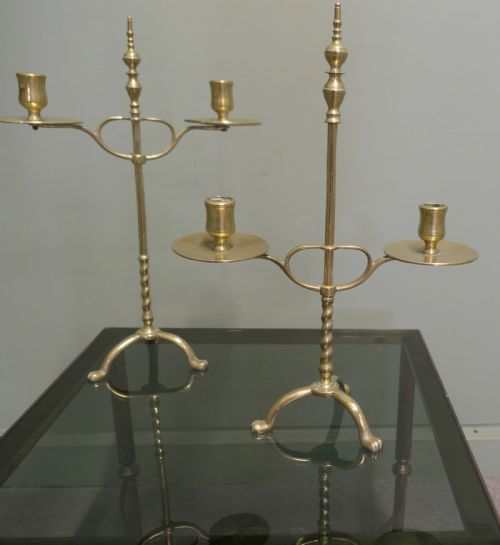
The most common lighting forms you meet here are height-adjustable brass standards and sturdy wrought iron floor fixtures. These pieces reflect a period when workshops valued robust construction and visible structural joints over superfluous ornamentation.
How traditional crafts lamp pieces were made
Makers utilised heavy gauge brass, wrought iron and solid oak as primary structural components. Metal elements often show hand-beaten textures or simple turned columns, while timber items rely on traditional joinery.
Lighting fixtures frequently incorporated functional mechanical elements such as telescopic height adjustment stems and pivoting arms. Shades paired with these bodies included fabric panels and opalescent glass inserts to diffuse the light.
Traditional Crafts Lamp Retail Price Guide 2026
Typical asking prices for traditional crafts lamp among the pieces listed under this phrase on Sellingantiques today, from the lower quarter to the upper quarter. They describe what is for sale here now, not the wider market.
Listings feature oak, brass and wrought iron across floor lamps, side tables and ceiling lanterns from the Edwardian and Victorian eras.
What varies in quality
The distinction between standard examples and the finest pieces rests on the weight of the metal and the integrity of the timber. Solid brass components and heavy oak frames demonstrate superior density and stability compared to lighter plated alternatives.
Arthur Reynolds·Whytock & Reid
The Traditional Crafts Lamp Glossary
- Arts and Crafts
- A design movement advocating for handcraftsmanship and simple forms. It rejected mass production in favour of traditional building methods.
- Standard Lamp
- A tall freestanding floor lamp designed to illuminate a room from standing height. These often feature adjustable height mechanisms.
- Opalescent Glass
- Glass that has a milky, semi-translucent appearance with variegated colour shifts. It was frequently utilised in period lighting shades.
- Telescopic
- Describing a standard lamp stem that extends vertically in sections. This mechanism allowed users to alter the height of the light source.
- Cotswold School
- A regional English offshoot of the Arts and Crafts movement. It focused on honest construction using local timber.
Traditional Crafts Lamp: Frequently Asked Questions
Where should I place an oak lamp table?
Oak lamp tables suit corners and seating areas where their solid timber construction provides a stable surface for smaller reading lights. Their compact proportions make them versatile additions beside armchairs or reading desks.
Keep these tables away from direct heat sources and strong sunlight to prevent the solid oak panels from drying out or splitting over time. Regular natural beeswax helps maintain the timber finish.
Are wrought iron lanterns suitable for modern ceilings?
Wrought iron hanging lanterns work well in hallways and entrance spaces with sufficient ceiling height. Their dark metalwork provides a strong architectural contrast against pale plaster.
Ensure your ceiling joist can support the substantial weight of period ironwork and glass before installation. Professional electrical installation is recommended for older lighting units.
How can I identify an Arts and Crafts standard lamp?
Look for exposed construction details, such as visible joinery on oak bases and hand-hammered marks on brass columns. These pieces avoid excessive decorative carving in favour of structural honesty.
Check for maker stamps or workshop labels along the base plate, though many fine pieces remain anonymous. The overall design prioritises utility and sturdy proportions above fleeting stylistic trends.