


Traditional Country Rocker
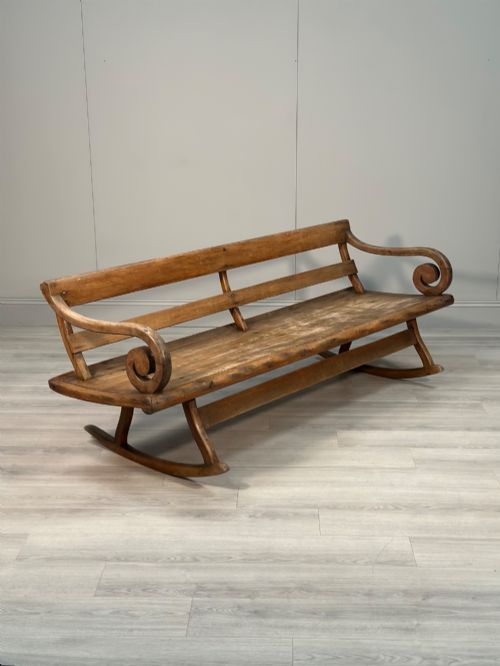
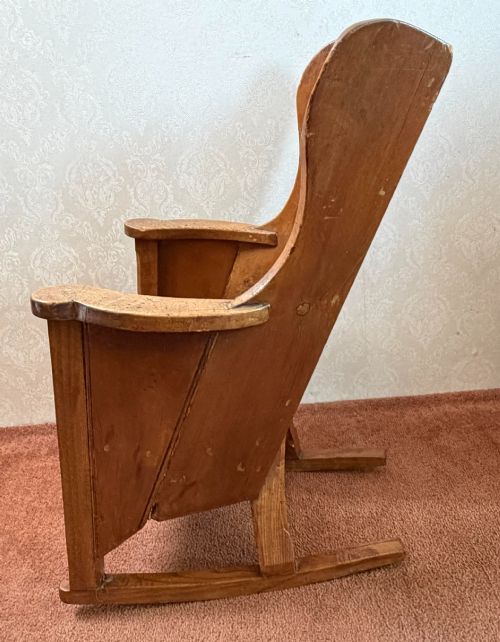
A traditional country rocker brings domestic warmth and rhythmic movement into a room, fashioned by vernacular makers for firesides and nurseries.
Traditional Country Rocker
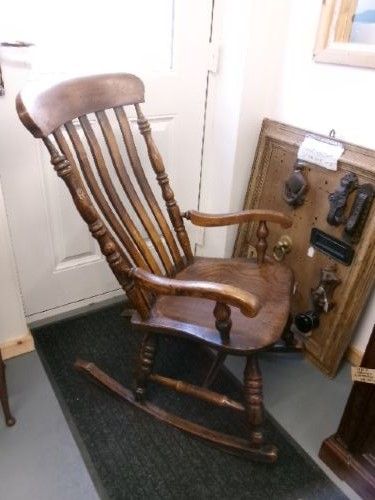
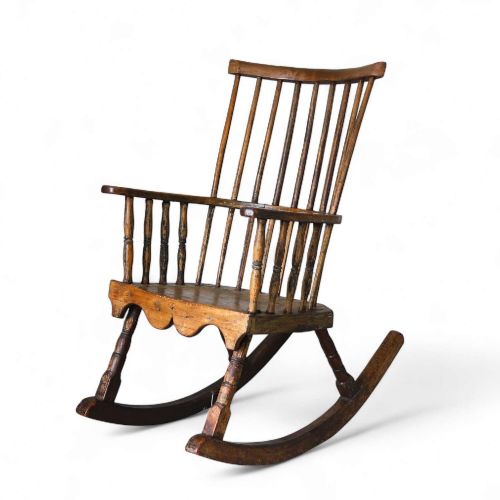
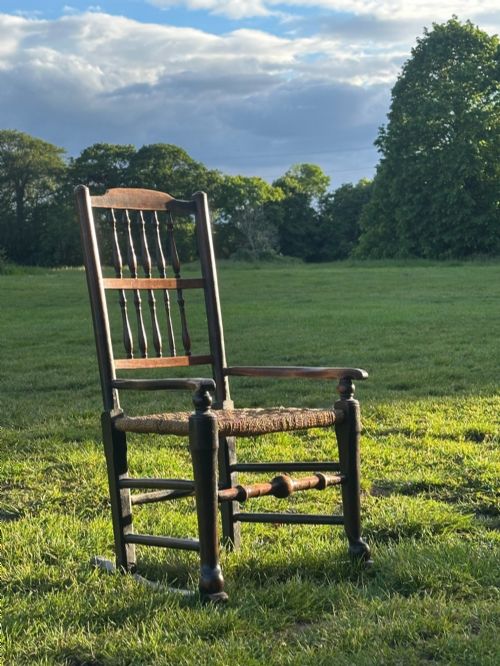
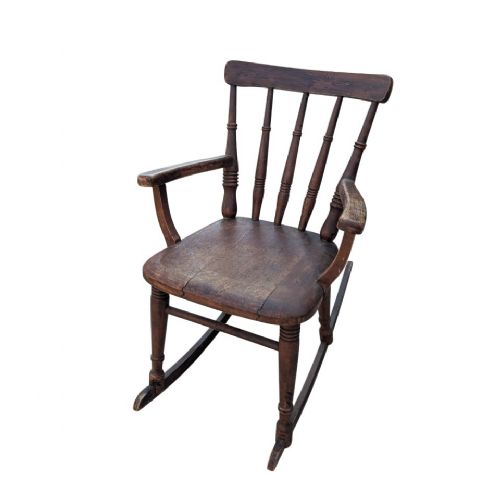
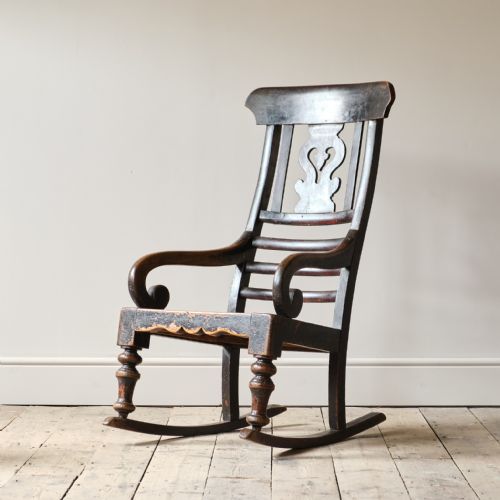
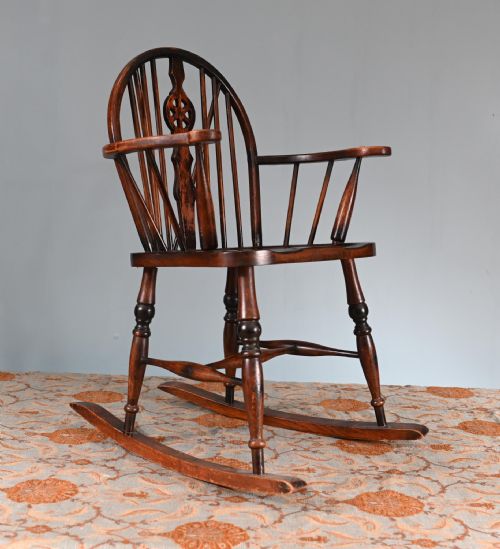
A traditional country rocker encompasses seating built for comfort by regional makers, spanning Windsor forms, ladder backs, and spindle frames. These pieces originate across the eighteenth and nineteenth centuries, carrying the marks of vernacular rural workshops.
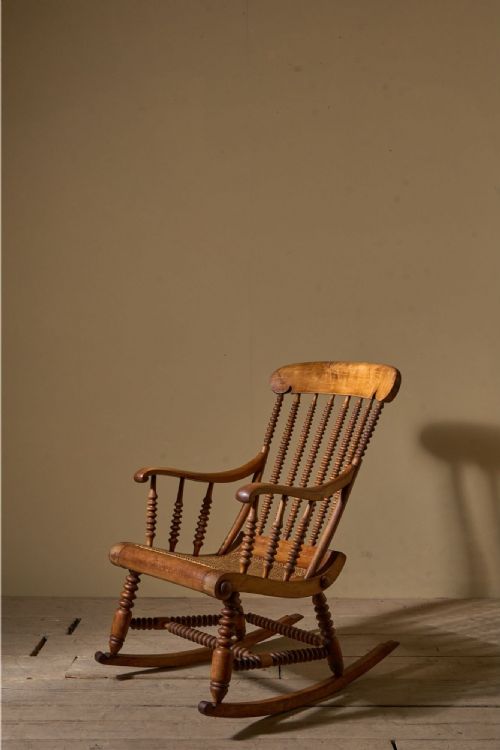
The most common examples on this page are nineteenth-century Windsor rocking chairs and ladder backs constructed for everyday use. Alongside adult seating, smaller child's rocking chairs and cradles on rockers appear frequently.
Makers utilised local woods suited to regional availability, creating variations from Lancashire and Cheshire to the Thames Valley and Scandinavia. Each design reflects the practical needs of the farmhouse and cottage interior.
How they were made
Construction relies on solid timbers chosen for strength and resilience, combining woods such as elm, oak, ash, beech, and sycamore within a single frame. Seat bases often consist of carved solid elm or rush and cane panels.
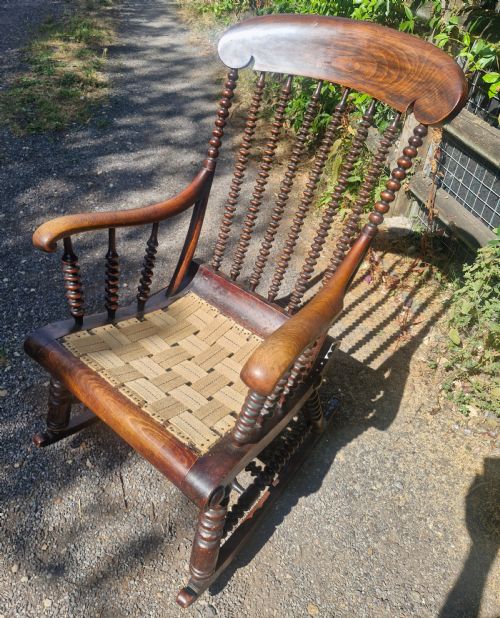
Makers employed traditional turning techniques, including bobbin framing and spindle turning, to shape structural members without mechanical assistance. Joints were pegged or wedged to withstand the continuous motion of rocking.
What varies in quality
The distinction between standard utility seating and finer vernacular work lies in the harmony of proportions and the selection of timber figure. Chairs featuring well-turned spindles and balanced comb-backs demonstrate superior handcraft.
Surface finish significantly influences character, with original paint or untouched patinated wood elevating a piece above stripped or heavily restored examples. The integrity of the rocker runners and the firmness of the joined frame determine enduring stability.
The Traditional Country Rocker Glossary
- Windsor
- A chair style featuring a solid wooden seat into which the legs and back spindles are directly fitted. This construction provides robust support through pegged joints.
- Ladder back
- A chair back constructed from horizontal wooden slats positioned between two upright posts. These slats are often curved to fit the sitter's spine.
- Bobbin turning
- A decorative woodturning technique that produces a series of rounded spheres resembling spools along the length of a stretcher or leg. It is characteristic of mid-nineteenth-century vernacular pieces.
- Comb-back
- A Windsor chair variation where the top rail resembles the spine of a comb, with vertical spindles rising through a low back rail. This design offers enhanced upper back support.
- Vernacular
- Objects designed by regional craftsmen for practical local use rather than following formal academic style dictates. These pieces utilise locally sourced materials and traditional methods.
Traditional Country Rocker: Frequently Asked Questions
Are these chairs comfortable for daily use?
Many traditional country rockers were built with ergonomically carved elm seats designed for hours of domestic labour. Their generous proportions accommodate modern sitters comfortably when paired with a loose cushion.
The soothing motion makes them practical additions to living rooms and nurseries alike. Proper maintenance of the joints ensures they remain structurally sound for regular sitting.
What is the difference between a Windsor and a ladder back rocker?
A Windsor rocker centres around a solid wooden plank seat that holds socketed spindles and legs. A ladder back rocker uses framed upright posts connected by horizontal wooden slats.
Both forms belong to the country vernacular tradition but offer distinct visual silhouettes. Windsor chairs emphasise turned components, while ladder backs showcase horizontal lines.
Should I remove original paint from a rocking chair?
Original paint surfaces are valued by collectors for preserving the historical character and untouched patina of the piece. Stripping the paint removes centuries of weathering and reduces the historical integrity.
Preserved paint finishes indicate how the object lived through different domestic interiors. Cleaning the surface gently with appropriate conservation methods is preferable to refinishing.