
Traditional Couch
A traditional couch offers deep comfort and historic character, bringing generous seating and classic lines to a room.
Traditional Couch
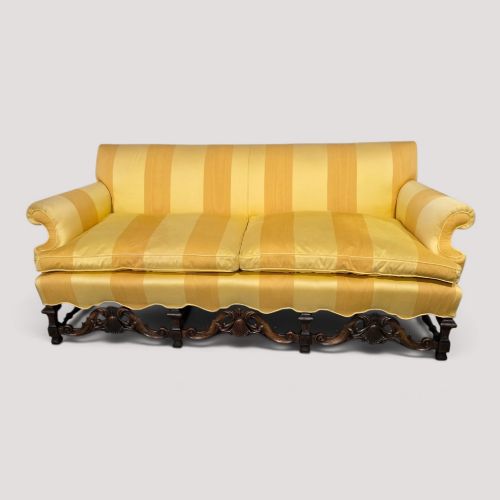
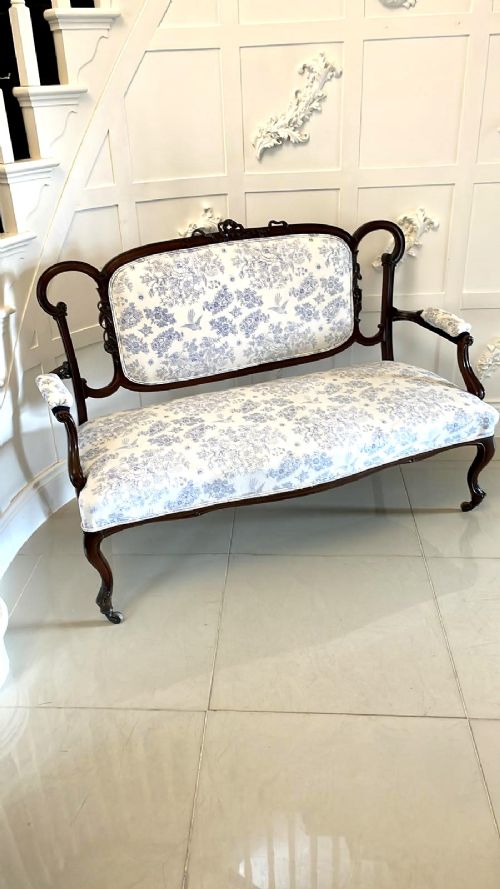
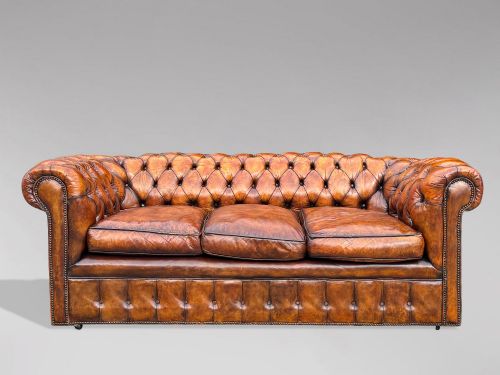
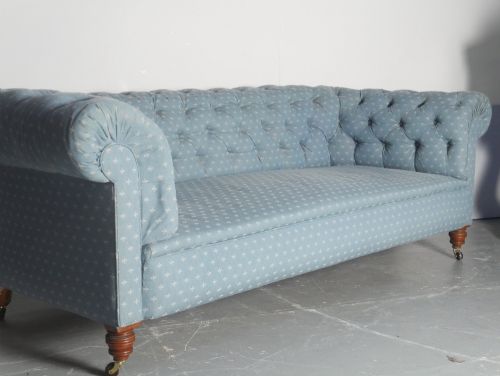
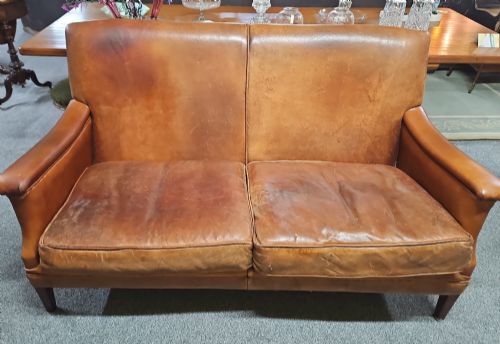
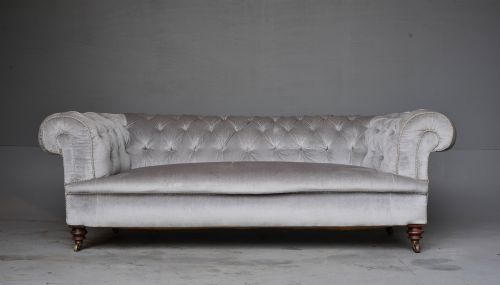
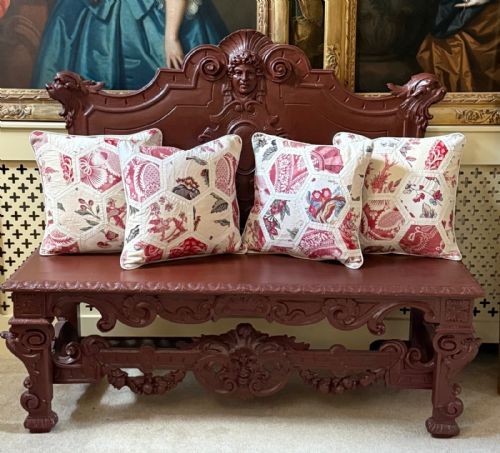
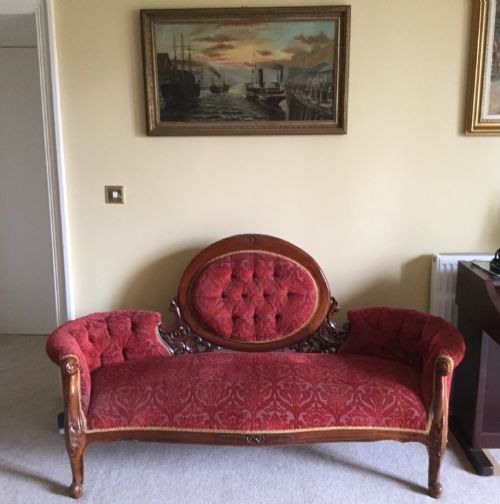
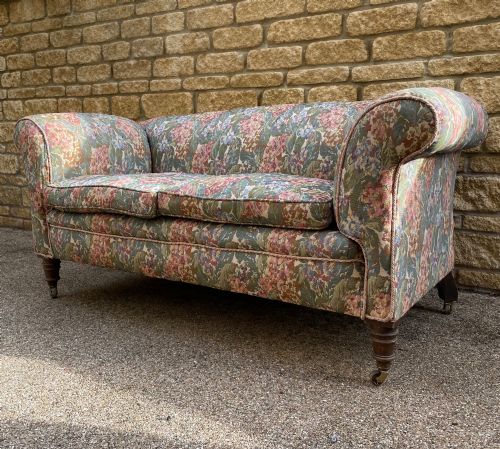
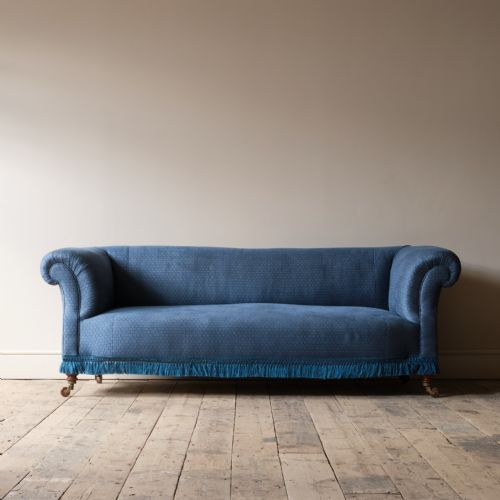
A traditional couch encompasses upholstered settees, deep-seated Chesterfields, and carved mahogany frames spanning the nineteenth century through the early twentieth century. Buyers seeking a traditional couch will frequently encounter Victorian and Edwardian examples upholstered in leather, velvet, or brocade.
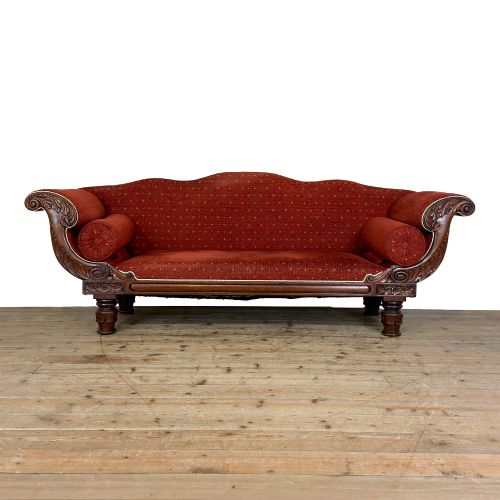
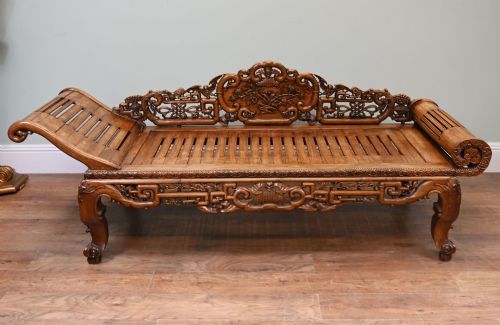
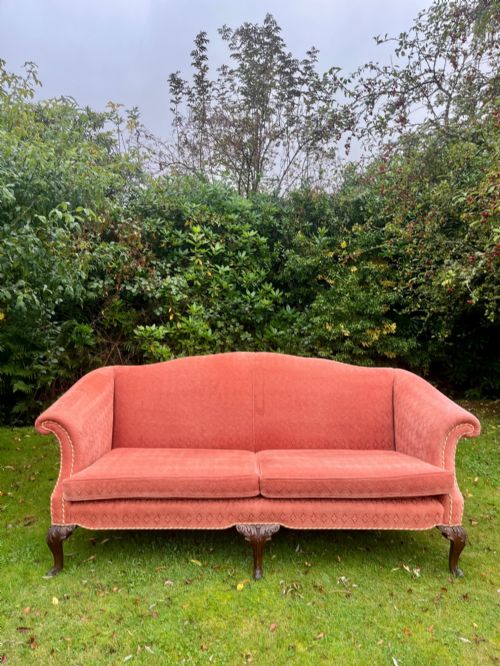
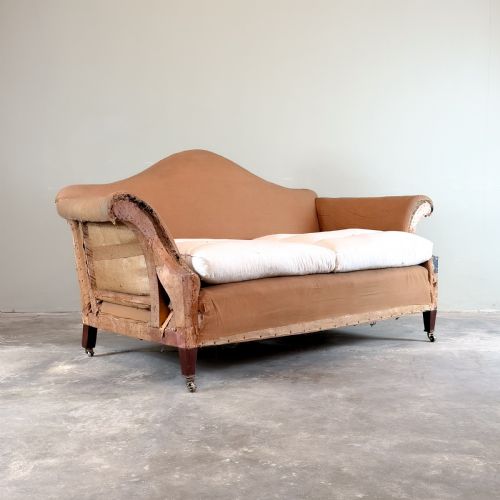
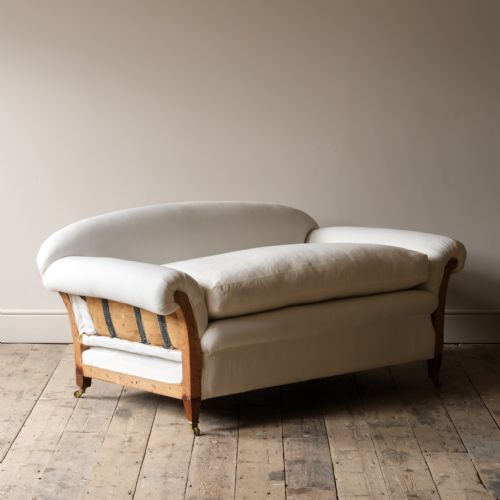
Forms range from drop-arm sofas and camel back designs to chaise longues and country house loungers. These seating pieces reflect historical revivals including Chippendale, Georgian, and Queen Anne styles.
Originating predominantly from British workshops and country houses, these substantial pieces serve as enduring focal points for living spaces. The selection combines heavy wooden frameworks with resilient sprung bases designed for everyday use.
How they were made
Frames rely on sturdy timbers such as mahogany, walnut, oak, and other hardwoods, often shaped with hand-carved details like ball and claw feet. Structural integrity depends upon robust joinery concealed beneath the upholstery.
Upholstery techniques utilise traditional sprung bases combined with layers of horsehair, calico, and feather inners. Outer coverings range from supple brown leather and rich velvet to patterned calico and printed linen.
Some nineteenth-century chaises come with drop arms designed specifically to accommodate voluminous Victorian skirts.
What varies in quality
Quality rests upon the structural integrity of the timber frame and the authenticity of the carving. Hand-carved mahogany and walnut frames display crisp lines and substantial weight compared to lighter secondary woods.
The standard of upholstery and the retention of original sprung seating systems distinguish finer examples. Maker attribution also plays a significant role in establishing the standing of a piece.
Howard and Sons·Hampton and Sons·Holland and Sons
The Traditional Couch Glossary
- Chesterfield
- A deep-buttoned upholstered sofa featuring rolled arms of the same height as the back. This iconic seating form dates back to the nineteenth century.
- Chaise longue
- An upholstered sofa shaped like a chair with a long seat large enough to support the legs. These pieces often feature a single raised end for reclining.
- Camel back
- A sofa style defined by a graceful, undulating curved backline resembling a camel's hump. This classic contour appears frequently on eighteenth and nineteenth-century framework.
- Drop-arm
- A sofa mechanism allowing one or both armrests to be lowered into a horizontal position. This adjustable feature provides versatility for sitting or lying down.
Traditional Couch: Frequently Asked Questions
Where should I place a chaise longue?
A chaise longue works well in a bedroom, study, or drawing-room where it can sit away from walls to showcase its elongated form. Its single-ended design suits placement near a window or fireplace.
Ensure adequate clearance around the piece to appreciate the curved wooden frame and upholstered profile.
What is an Edwardian country house sofa?
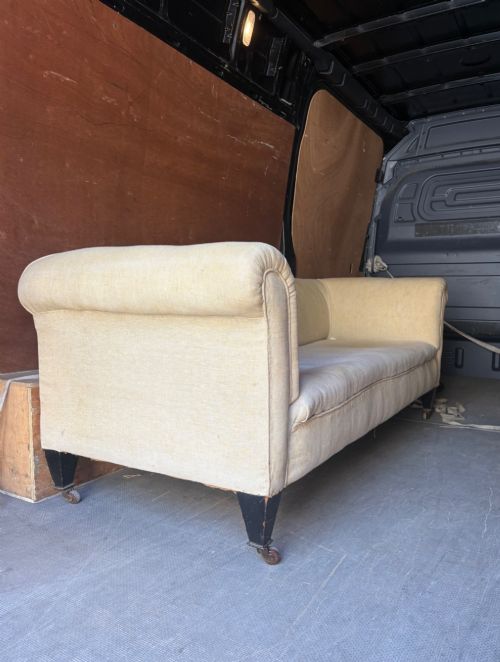
An Edwardian country house sofa is a deep-seated, generously proportioned piece built for comfort in large domestic interiors. These couches usually feature neutral or patterned fabric loose covers.
They represent a shift towards relaxed lounging while maintaining traditional joinery and sprung upholstery methods.
How do I care for leather upholstery?
Leather upholstery requires regular dusting and occasional treatment with appropriate leather balms to maintain flexibility. Avoid placing antique leather near direct heat sources or strong sunlight.
Gentle cleaning preserves the natural grain and historic patina accumulated over decades of use.