



Traditional Costume Art
Traditional costume art brings historical dress and figures into oil paintings and textiles, giving any room a sense of character and narrative.
Traditional Costume Art
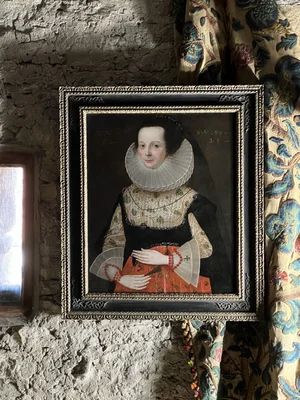
Traditional costume art encompasses framed oil paintings and textile pieces that focus on historical dress, regional clothing and figurative subjects. The selection spans centuries, stretching from seventeenth-century works through to early twentieth-century genre scenes.
Buyers will encounter oil paintings on canvas or board alongside embroidered textile art, each highlighting specific periods of fashion and portraiture. These pieces range from seventeenth-century English school portraits to Edwardian genre scenes and Chinese Qing Dynasty works.
The assortment includes portraits of noblewomen, continental ladies, Italian women and Dutch girls holding marionettes, alongside historical genre paintings. This variety offers a broad look at how artists across different regions recorded historical attire and daily life.
How they were made
These works rely primarily on oil paint applied to canvas or board, often paired with elaborate giltwood frames adorned with gold leaf. The use of oil medium allowed artists to render the rich textures of historical fabrics, lace and embroidery with notable depth.
Textile pieces utilise fine silk embroidery, demonstrating meticulous needlework in garments such as children's robes. Across both painted and stitched works, traditional craftsmanship focuses on the careful depiction of period textiles and human subjects.
Traditional Costume Art Retail Price Guide 2026
Typical asking prices for traditional costume art among the pieces listed under this phrase on Sellingantiques today, from the lower quarter to the upper quarter. They describe what is for sale here now, not the wider market.
A Dutch girl holding marionettes shares wall space with seventeenth-century nobles and gentlemen playing bowls.
What varies in quality
Quality in these works rests upon the precision of the figurative drawing and the skill with which the artist renders fabric textures and facial expressions. Finer examples capture the intricate details of elaborate costumes and lighting with greater conviction.
The execution of the surrounding frame, particularly original giltwood and gold leaf mouldings, contributes to the overall integrity of the piece. Superior paintings maintain strong compositional balance and atmospheric depth within their historical genre.
John Sanderson Wells·Frank Moss Bennett·Pierre Louis Joseph De Coninck·Harry J. Pearson
The Traditional Costume Art Glossary
- Genre painting
- A style of art that depicts scenes from everyday life, ordinary people and social activities. These works often tell a story about the domestic or public habits of a specific era.
- Giltwood
- Wood that has been coated with a thin layer of gold leaf or gold paint. It frequently appears on traditional picture frames from the seventeenth century onward.
- Oil on canvas
- A painting technique where oil-based pigments are applied to stretched fabric. This combination provides a durable surface that holds rich colour and texture over centuries.
- Jacobean
- A style associated with the reign of King James I, spanning the early seventeenth century. In art and furniture, it denotes a specific historical aesthetic marked by formal structure and rich ornamentation.
- Textile art
- Creative works made from plant, animal or synthetic fibres using techniques such as weaving, stitching or embroidery. These pieces showcase traditional decorative patterns and costume details.
Traditional Costume Art: Frequently Asked Questions
What is traditional costume art?
Traditional costume art refers to paintings and textile pieces that centre on historical dress, regional garments and figurative subjects. These works capture the clothing and social contexts of past eras through oil paint or embroidery.
The selection includes seventeenth-century portraits, nineteenth-century genre scenes and Chinese Qing Dynasty textiles. They serve as both historical records of fashion and decorative works for the home.
How do I date a painting?
Dating an oil painting involves examining the style of the clothing, the materials used for the canvas or board, and the construction of the frame. Signatures, artist records and stylistic markers from periods like the Edwardian era or the seventeenth century also provide clear chronological clues.
Changes in pigment technology and stretcher frame construction further help narrow down the period of creation. Comparing the technique to documented works by artists of the same school offers additional confirmation.
Where should I hang these?
These figurative works and textile pieces suit studies, libraries and living rooms where traditional decor allows the historical subject matter to stand out. Placing them away from direct sunlight protects the oil pigments and embroidered silks from fading over time.
Pairing a framed portrait with period furniture helps create a cohesive interior display. Ensuring proper wall fixings supports the weight of heavier giltwood frames.
How do I care for oil paintings?
Oil paintings require a stable indoor environment with moderate humidity to prevent the canvas from slackening and the paint from cracking. Dusting the surface and the frame gently with a soft, dry brush keeps the work clean without harming the medium.
Avoid using liquid cleaners or chemical sprays on either the canvas or the gold leaf frame. Professional conservation should be sought if the paint surface requires deeper cleaning or stabilisation.