
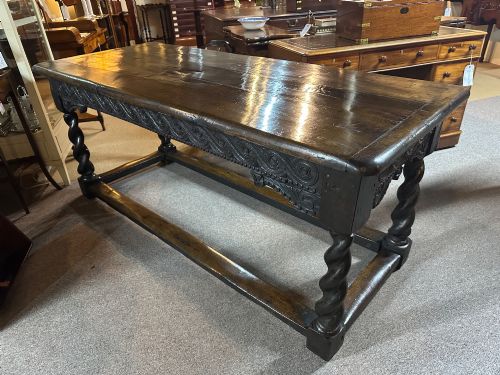
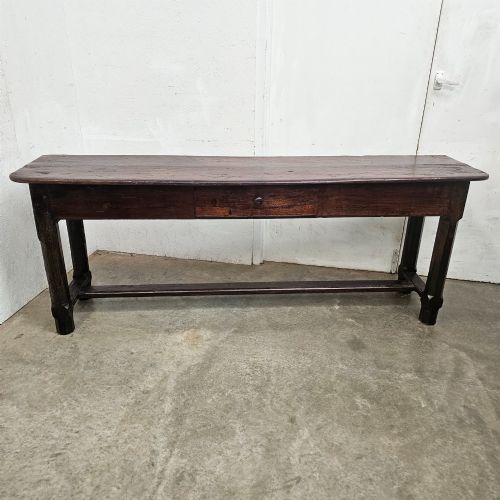
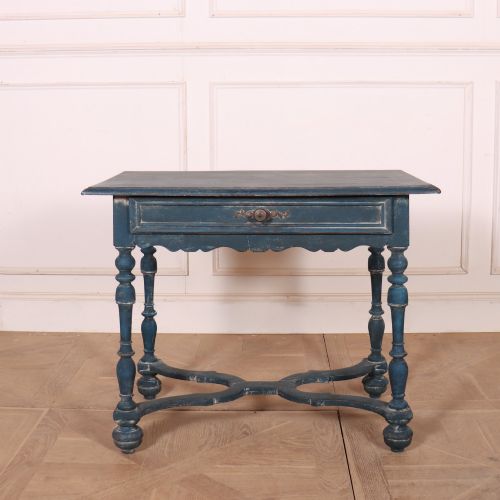
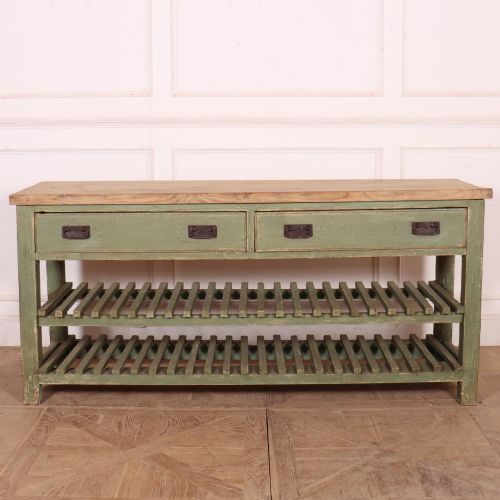
Traditional Console Table
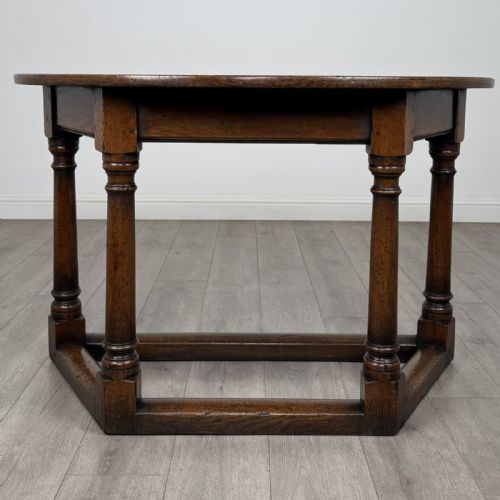
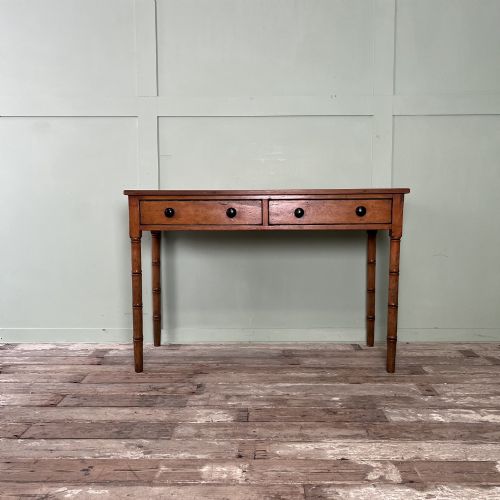
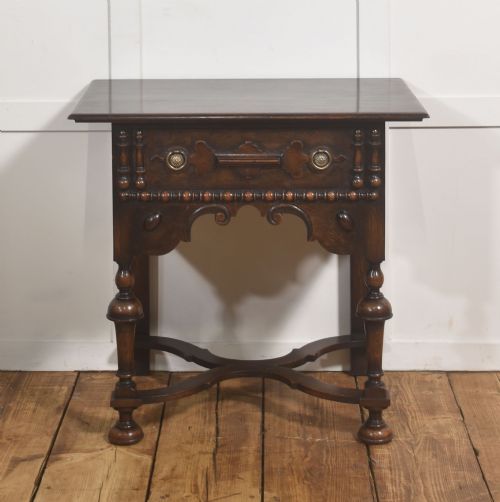
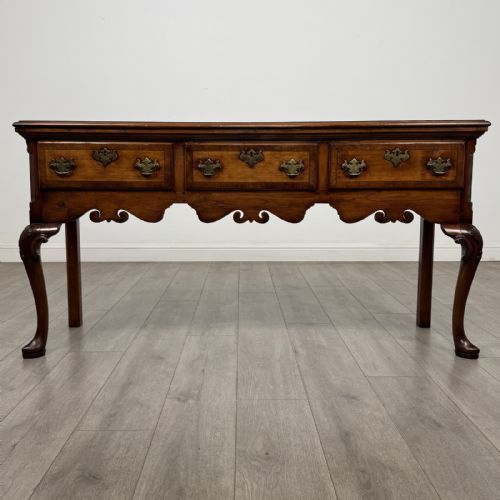
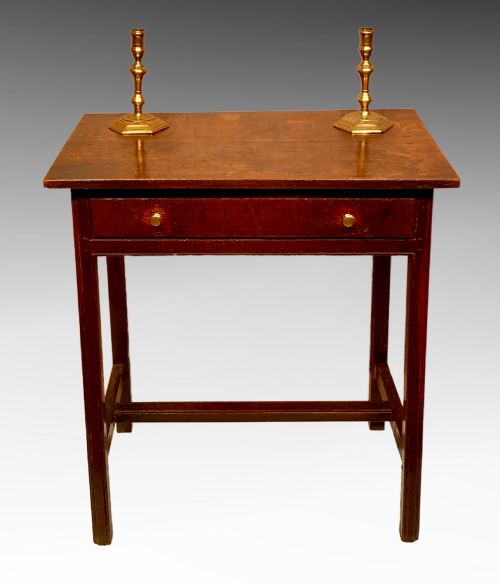
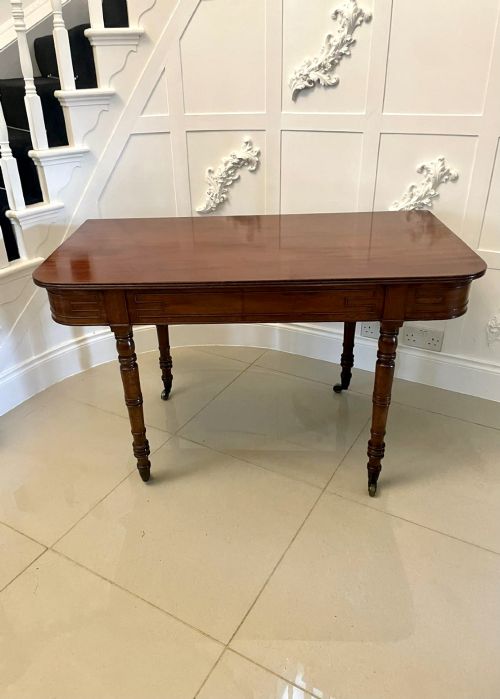
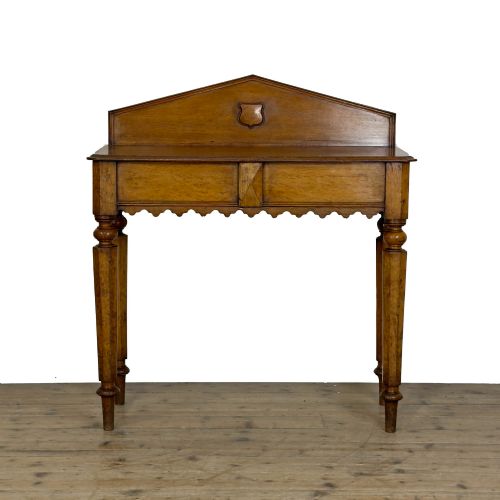
Traditional console table choices range from sturdy oak hall tables to mahogany serving pieces shaped by Georgian and Victorian hands.
Traditional Console Table
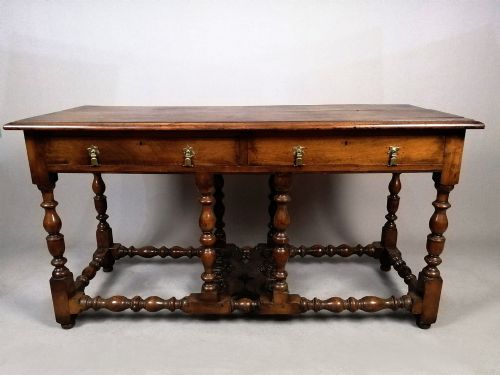
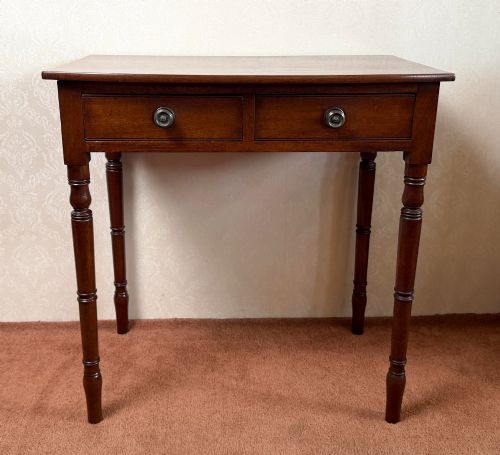
A traditional console table serves as a functional surface in halls, living rooms, and dining spaces, drawing on designs from the eighteenth and nineteenth centuries. These pieces encompass various forms including side tables, dresser bases, writing desks, and serving tables that share a linear profile suited for placement against a wall.
The versions most frequently met on this page span the Georgian, Victorian, and Edwardian periods, alongside revival styles. Oak and mahogany dominate the structural woods, complemented by walnut, pine, and fruitwood.
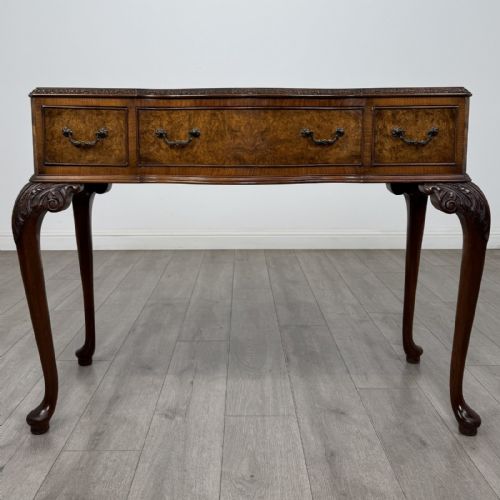
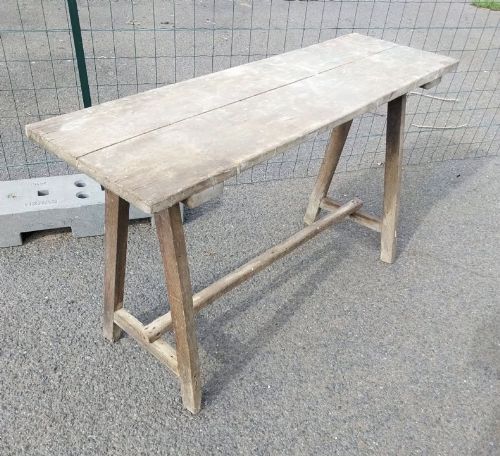
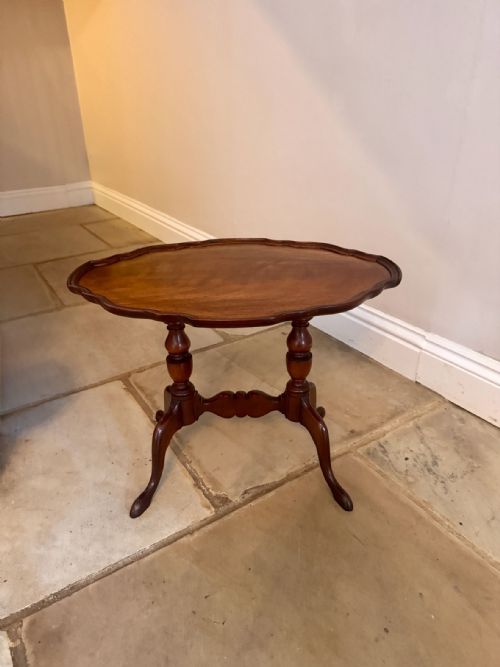
Makers and regional carpenters built these tables for practical domestic use, resulting in surviving examples that range from simple farmhouse potboard bases to carved mahogany serpentine serving tables. Buyers select them to anchor an entrance hall or to provide surface area in reception rooms.
Materials and construction methods
Cabinet makers utilised solid hardwoods such as oak, mahogany, and walnut for the primary frames and tabletops, often employing pine or secondary woods for internal drawer linings. Grain selection played a crucial role in finer pieces, particularly in burr walnut veneers and figured mahogany surfaces.
Joinery relied on traditional methods including mortise and tenon joints for stability, hand-cut dovetails for drawer construction, and turned or cabriole legs shaped from solid timber. Surface finishes involved hand-applied polish, wax, or traditional paint treatments, depending on the regional workshop and period.
Listings feature woods spanning oak, mahogany, walnut, pine, fruitwood, and painted finishes across Georgian, Victorian, and Edwardian periods.
Distinctions in construction and material quality
The hierarchy of quality rests primarily on the selection of timber and the crispness of hand-carved detailing. Superior examples feature dense, well-figured woods with patination built from decades of use, whereas simpler utilitarian items display plain pine or standard oak boards without decorative carving.
Construction fidelity separates standard workshop output from exceptional furniture. Tables featuring precise dovetailing, intact original hardware, and structurally sound cabriole or turned legs stand apart from pieces compromised by later alterations or replacement elements.
The Traditional Console Table Glossary
- Console table
- A table designed to stand against a wall, frequently secured with brackets or supported by front legs. These items provide a narrow surface for display or service in halls and reception rooms.
- Dresser base
- A low wooden sideboard featuring drawers and occasionally a potboard shelf beneath. These pieces originated in kitchens and dining rooms for food preparation and storage.
- Cabriole leg
- A furniture leg that curves outward at the knee and tapers inward at the ankle, ending in a pad or foot. This form was popularised during the Queen Anne and Georgian periods.
- Potboard
- An open slatted lower shelf fitted between the legs of a dresser base or serving table. Historically, this shelf held earthenware pots and heavy kitchen vessels.
- Serpentine
- A furniture front or tabletop shaped with a central concave curve flanked by two convex sweeps. This undulating line requires skilled woodworking and was favoured in high-style mahogany serving tables.
Traditional Console Table: Frequently Asked Questions
Where should a traditional console table go?
These tables fit naturally in narrow hallways, entrance passages, and living room perimeters where floor space is limited. Their shallow depth allows them to sit flush against walls without obstructing pathways.
In dining rooms and kitchens, similar forms function as serving tables or low dressers for displaying ceramics and storing linens.
How do I care for antique wood surfaces?
Maintain timber surfaces by applying natural beeswax periodically to nourish the grain and protect the finish from moisture. Avoid placing wooden tables near direct heat sources or in strong sunlight.
Dust regularly with a dry cloth and lift items rather than sliding them across the tabletop to prevent scratching the historic polish.
What is the difference between an oak hall table and a writing desk?
Hall tables are built primarily for display and surface utility in entryways, often featuring simple drawers or open potboard bases underneath. Writing desks incorporate dedicated kneeholes, leather or wooden writing surfaces, and functional drawer arrangements suited for sitting.
While both share traditional joinery, desks are engineered specifically for seated work rather than hallway placement.
How can I tell a Georgian table from a Victorian one?
Georgian tables, produced during the eighteenth and early nineteenth centuries, typically exhibit restrained neoclassical proportions, simpler rectilinear lines, or early cabriole leg forms. Victorian pieces from the later nineteenth century often display heavier proportions, darker finishes, and more robust turned legs or elaborate Arts and Crafts details.
Examining the secondary woods inside drawer boxes and the style of the hand-cut joints helps confirm the manufacturing era.