

Traditional Comb Back
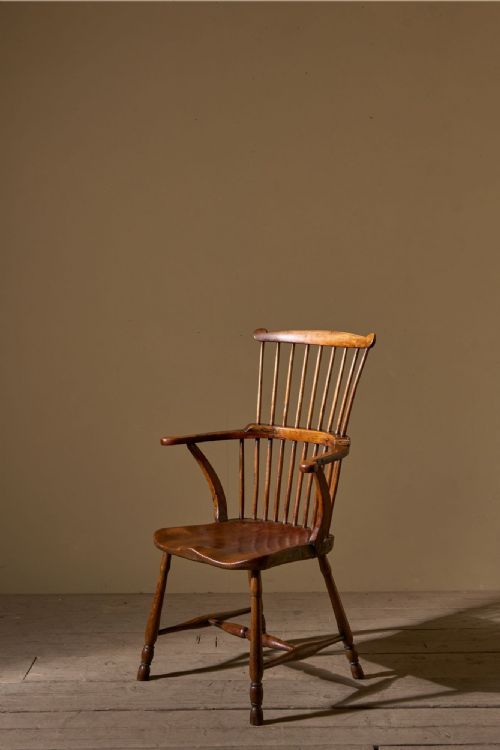
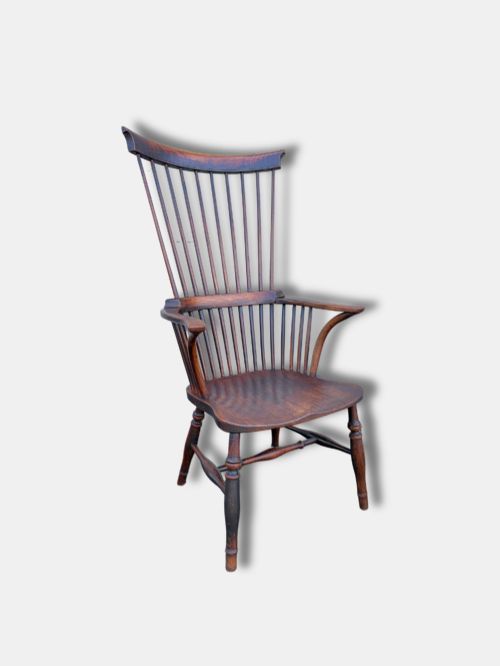
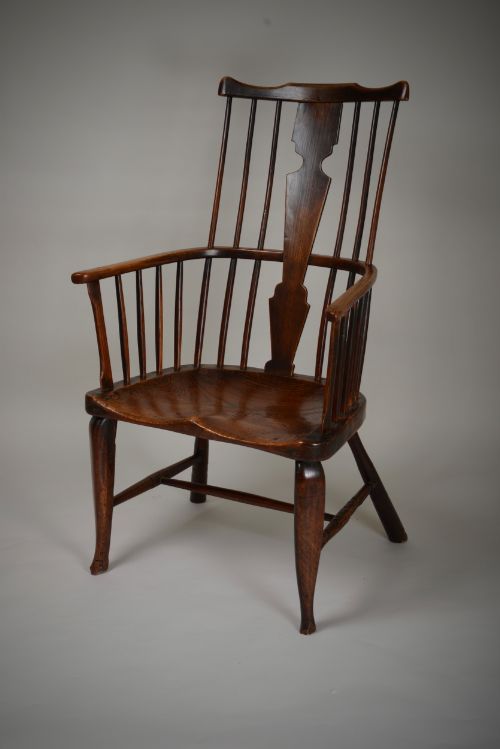
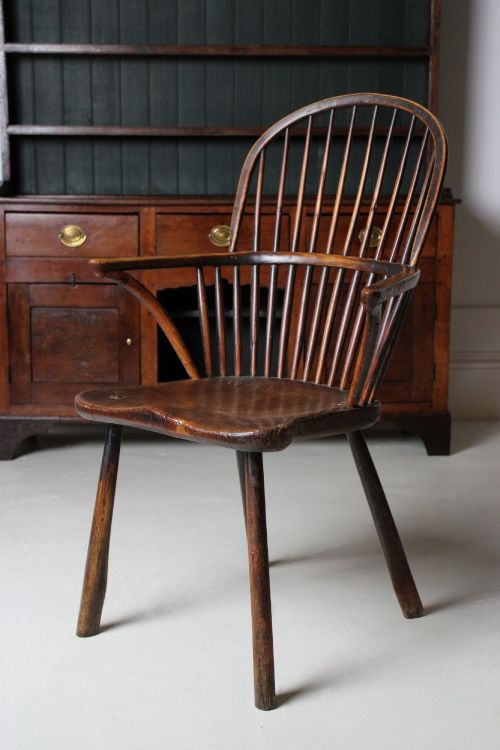
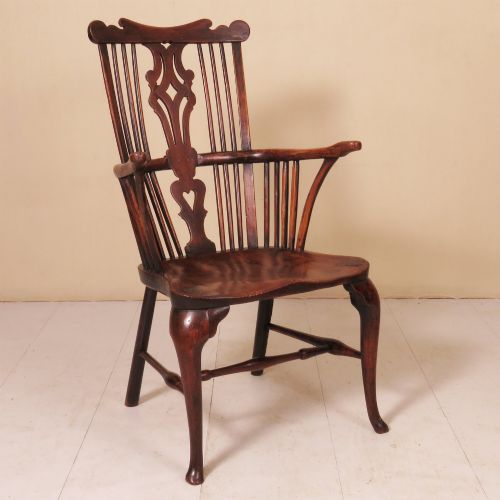
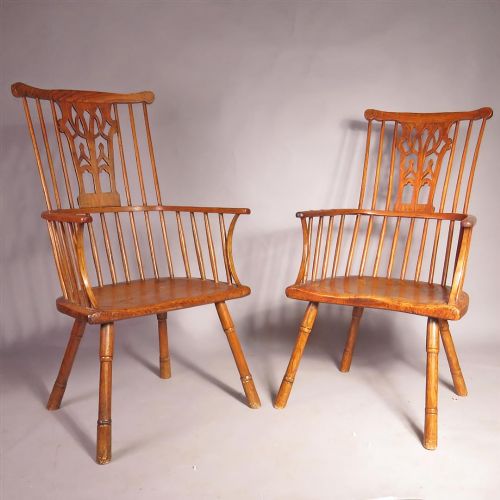
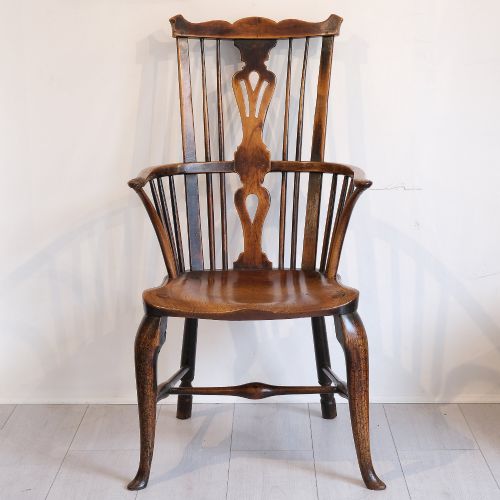
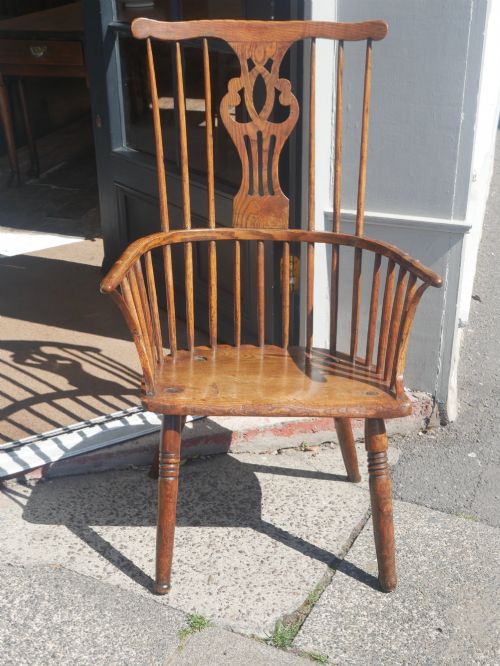
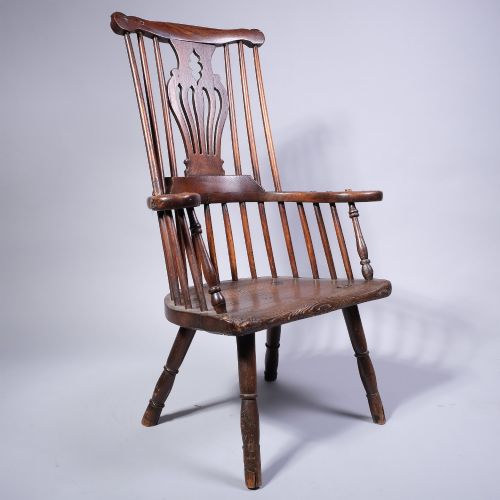
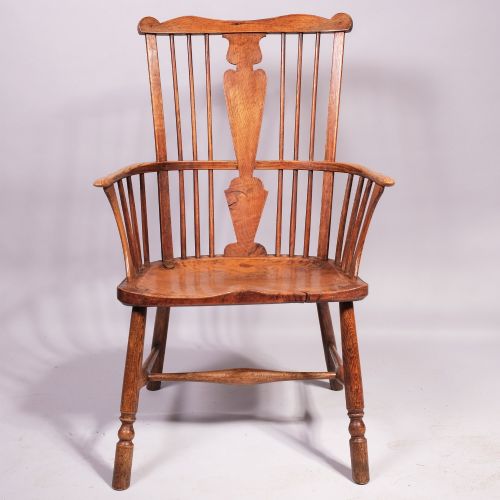
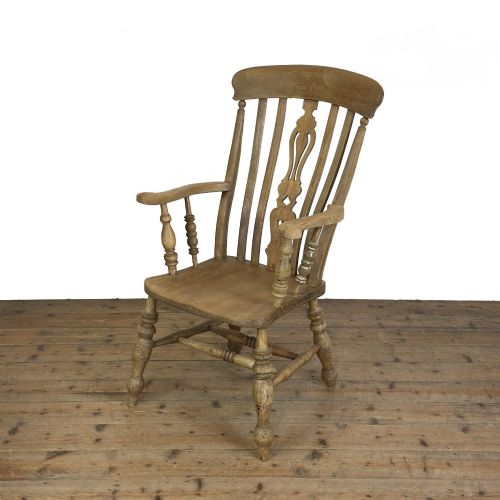
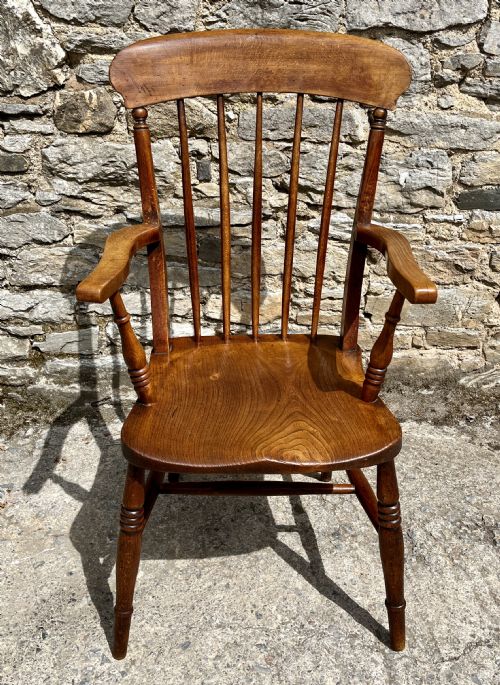
A traditional comb back is a Windsor chair extension of the vernacular rural seat, prized for its tall, spindle-crested backrest and robust construction.
Traditional Comb Back
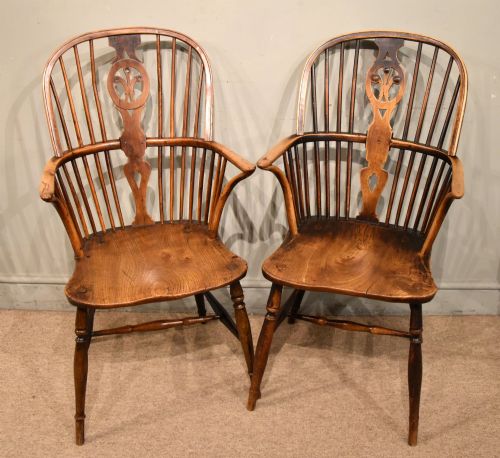
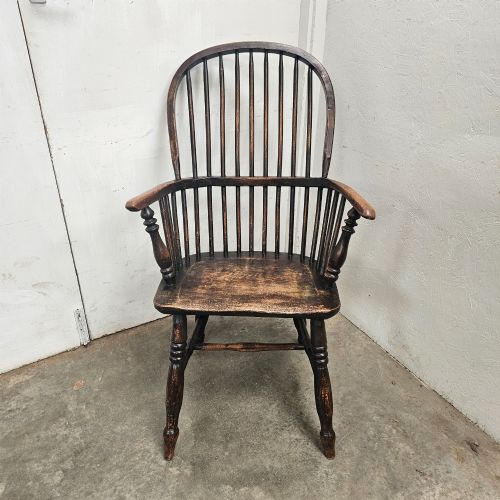
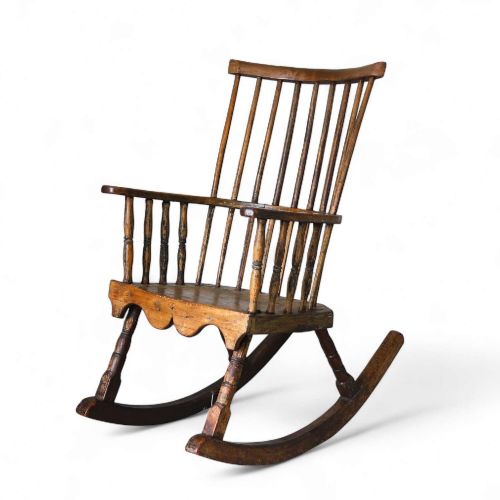
Traditional comb back chairs emerge primarily as regional Windsor forms, shaped by country makers across the eighteenth and nineteenth centuries. Buyers encounter high back armchairs, dining sets, and rocking chairs built within English, Welsh, Scottish, and Thames Valley traditions.
The defining feature is the high comb backrest, where vertical spindles rise through a bentwood bow to join a horizontal crest piece. These pieces function as working seats designed for domestic comfort, farmhouse kitchens, and vernacular parlours.
How traditional comb back chairs were made
Constructed using mixed native timbers, makers traditionally paired solid elm for scooped seats with ash, oak, fruitwood, yew, or beech for the bent bows, legs, and spindles. This combination provided strength and flexibility where each wood species performed best under structural stress.
Joinery relies on traditional stick and Windsor techniques, securing tapered spindles and legs directly into bored holes within the solid wood seat block. Steam-bending shaped the continuous bow or crest rail to form the characteristic back structure.
Listings span the eighteenth and nineteenth centuries, featuring ash, elm, yew, oak, fruitwood, and beech.
What varies in quality
Quality rests in the balance of timber selection, such as figured burr elm or rich yew wood, paired with clean proportions in the turning of legs and spindles. Regional specialisation also dictates refinement, ranging from rustic primitive styles to metropolitan Thames Valley elegance.
Structural integrity depends on the original fit of wedged tenons and the survival of the primary wood surfaces without excessive timber loss or replacement components.
Thames Valley workshops·Welsh vernacular makers·Scottish Darvil makers·West Country chairmakers
The Traditional Comb Back Glossary
- Comb back
- A Windsor chair variation where the vertical spindles pass through a bent bow to terminate in a flat, comb-like horizontal top rail.
- Windsor chair
- A wooden chair built with a solid saddle-shaped seat into which the legs and back spindles are tenoned directly.
- Vernacular
- Objects made by regional craftsmen following local traditions rather than academic design patterns.
- Stick chair
- A simplified form of regional seating where spindles and limbs attach to a solid slab seat without complex hoop-bow structures.
- Saddle seat
- A thick wooden seat shaped by adzing and carving into a concave depression for seated comfort.
Traditional Comb Back: Frequently Asked Questions
What is a traditional comb back chair?
A traditional comb back chair is a regional wooden seat featuring a tall backrest where spindles rise to a horizontal crest piece.
These pieces belong to the broader Windsor and stick chair traditions, originating in rural workshops during the eighteenth and nineteenth centuries.
How do I date a comb back chair?
Dating relies on timber choice, tool marks on the seat bottom, and structural wear patterns observed across the legs and arm supports.
Earlier examples from the eighteenth century often display deep adze work and native fruitwoods or yew, while nineteenth-century pieces utilise standard ash and elm combinations.
Where were these chairs made?
Country joiners and regional workshops across England, Wales, and Scotland produced these seating forms for local domestic use.
Specific regional styles developed in areas such as the Thames Valley, Welsh valleys, and West Country.
How do I live with antique comb back chairs?
These chairs fit well around dining tables or as standalone accent pieces in both traditional and contemporary interiors.
Maintain stable indoor humidity levels to protect the dry historic timbers and pegged joints from movement.