





Traditional Chinese Stool
These traditional chinese stool pieces are solid wood seating and surface forms designed for versatile interiors, offering tactile historical character.
Traditional Chinese Stool
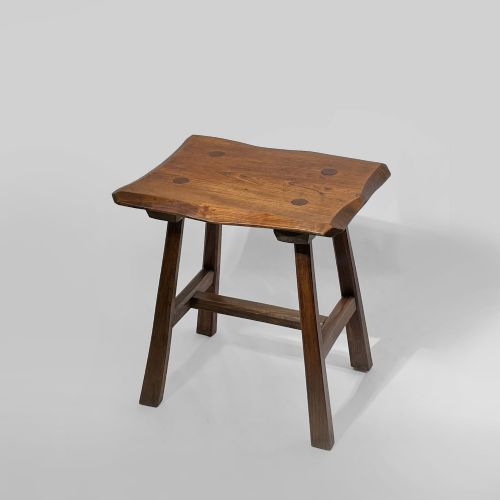
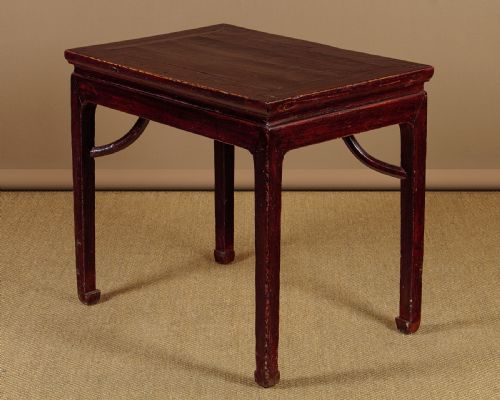
A traditional chinese stool brings centuries of regional woodworking craft into modern spaces as flexible seating, side tables, or plant stands. The forms range from rustic elm shapes to carved hardwood barrel stools and low tables spanning the nineteenth century through the early twentieth century.
Buyers encounter sturdy vernacular designs alongside finer Qing dynasty hongmu stands and teak seats. These functional objects serve equally well as accent pieces or low coffee tables in contemporary rooms.
How they were made
Maker workshops utilised dense hardwoods like hongmu and teak alongside domestic timber such as elm and burr wood. Joinery techniques prioritised sturdy frame construction without relying on modern metal fasteners.
Surfaces often received protective lacquer or intricate carved details, occasionally incorporating marble and mother-of-pearl inlays to elevate the decorative finish.
Traditional Chinese Stool Retail Price Guide 2026
Typical asking prices for traditional chinese stool among the pieces listed under this phrase on Sellingantiques today, from the lower quarter to the upper quarter. They describe what is for sale here now, not the wider market.
Some stools double happily as impromptu side tables for a cup of tea.
What varies in quality
The distinction between standard utility items and finer examples rests on timber selection and sculptural execution. Dense hongmu and figured burr wood command greater attention than simple elm vernacular pieces.
Proportion, restraint in carving, and the integrity of the original joins separate everyday rustic furniture from pieces made for formal reception rooms.
The Traditional Chinese Stool Glossary
- Hongmu
- A dense, dark hardwood used in traditional Chinese furniture making. It translates literally as red wood and develops a rich patina over time.
- Elm
- A durable domestic timber favoured for regional and rustic Chinese furniture. Its fibrous grain resists splitting under daily household use.
- Burr wood
- Wood harvested from tree growths that produce complex, swirling grain patterns. It provides highly decorative veneered or solid surfaces on tabletop sections.
- Qing Dynasty
- The final imperial dynasty of China, spanning from the seventeenth to the early twentieth century. Pieces from this era reflect established regional woodworking traditions.
Traditional Chinese Stool: Frequently Asked Questions
What is a traditional chinese stool?
A traditional chinese stool is a solid wood seating or display platform originating from regional Chinese workshops during the nineteenth and early twentieth centuries. These pieces encompass rustic vernacular forms and carved hardwood examples.
They function today as flexible accent seating, plant stands, or low coffee tables within contemporary interiors.
How were these stools used originally?
These items served daily domestic and commercial purposes across Chinese households as portable seating and elevated display surfaces. Their compact proportions made them easy to move between rooms as needed.
Finer pairs often occupied reception spaces to support decorative objects or host guests.
How do I care for antique hardwood furniture?
Maintain these wooden pieces by placing them away from direct heat sources and sudden humidity changes. Regular dusting with a dry cloth protects the historic timber and finish.
Avoid applying modern silicone polishes that can permanently alter the surface sheen of the wood.
How can I tell the age of a stool?
Age is determined by observing tool marks, timber shrinkage, and traditional joinery methods consistent with nineteenth-century production. Wear patterns around footrests and seat surfaces also indicate genuine age.
Comparing the style against documented Qing dynasty and regional vernacular examples helps narrow down the production period.