

Traditional Carved Mirror
A traditional carved mirror brings depth and light to a room through centuries of craftsmanship in giltwood, gesso and mahogany.
Traditional Carved Mirror
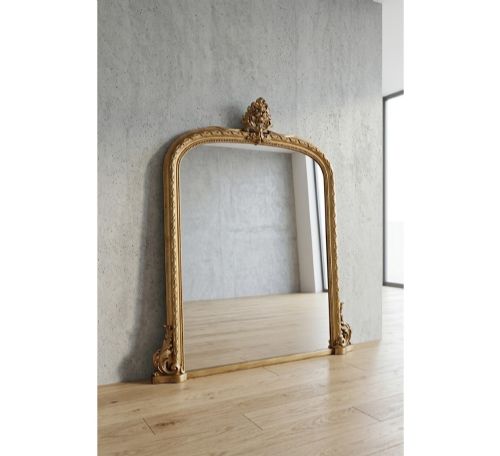
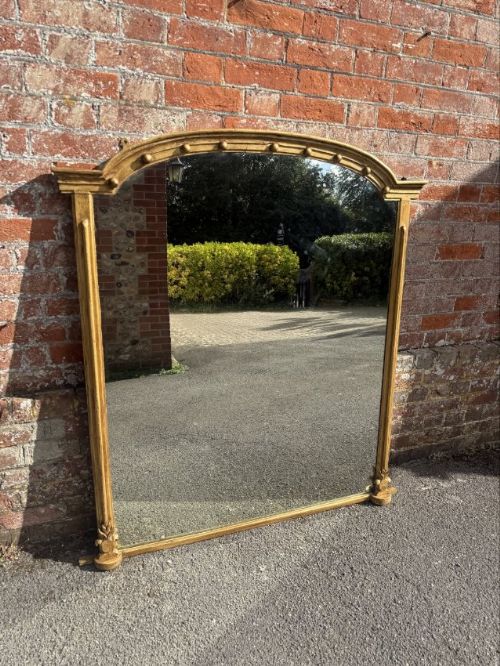
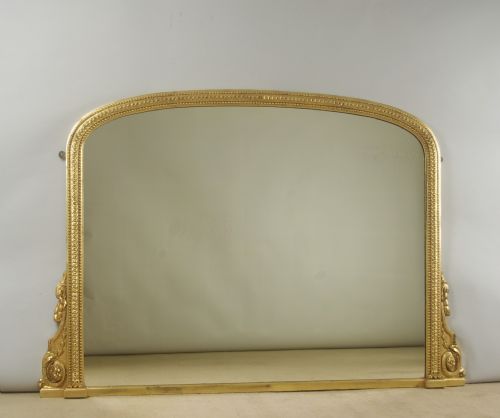
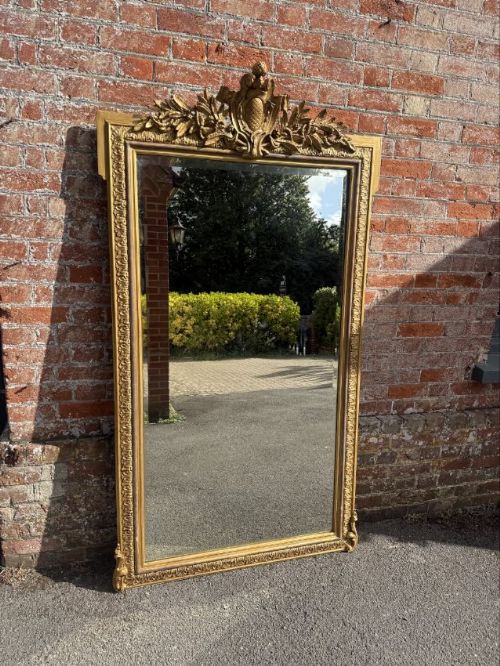
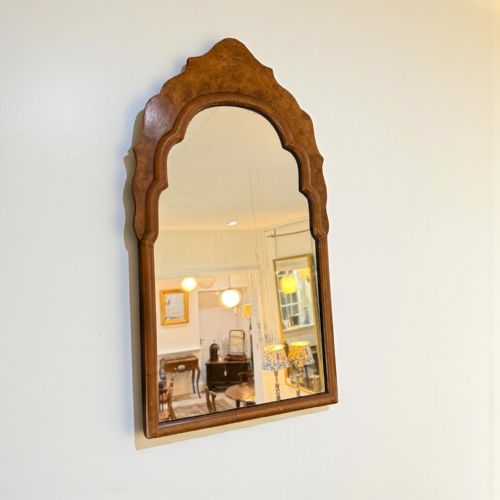
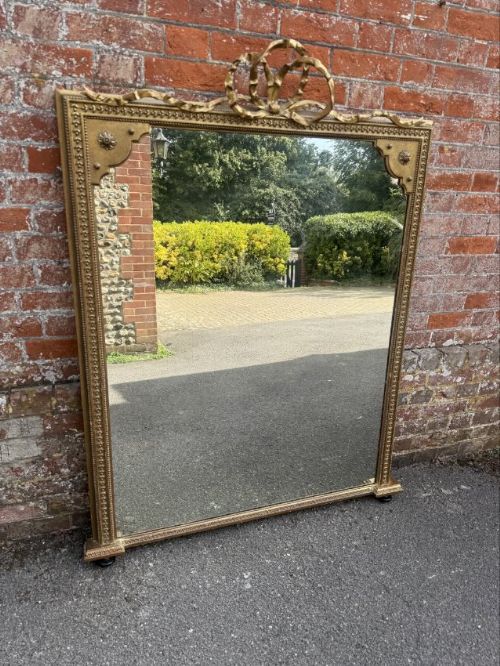
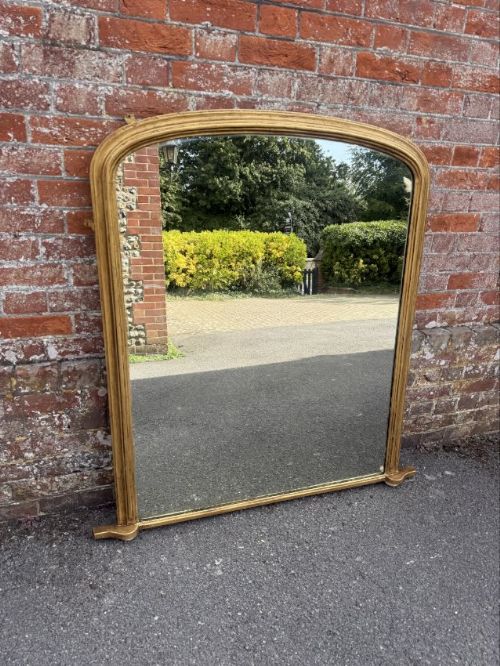
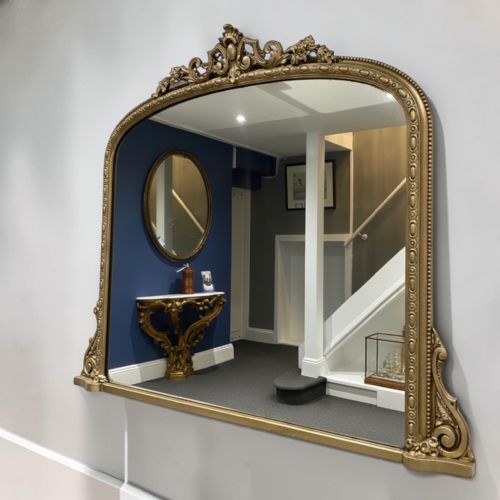
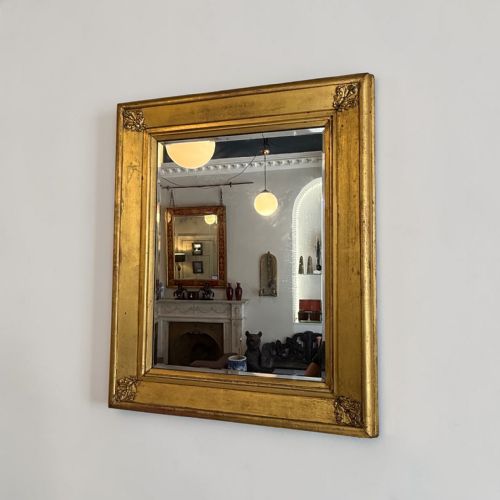
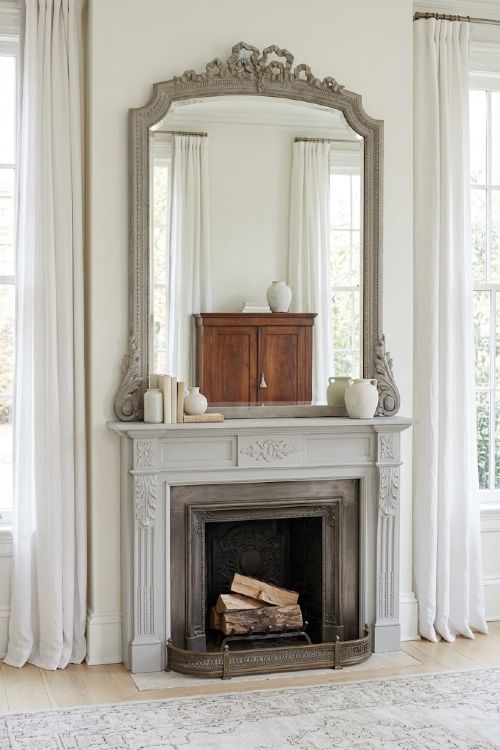
A traditional carved mirror forms the architectural anchor of a room, most frequently appearing on this page as a large nineteenth century overmantel mirror with an arched or shaped top. These pieces were designed to sit above a fireplace, reflecting light and amplifying the proportions of the reception room.
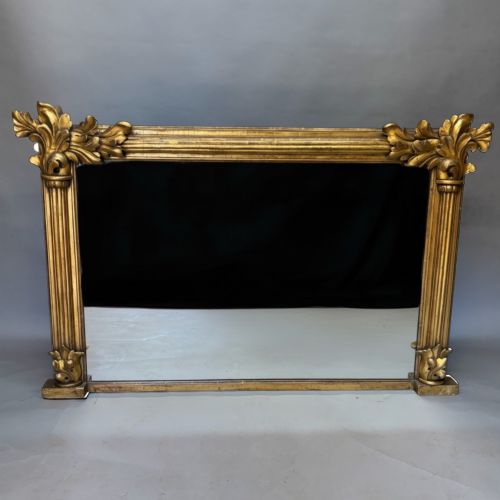
Beyond the grand overmantels, the selection spans wall mirrors, cheval mirrors and pier glasses reflecting Georgian, Victorian and Edwardian aesthetics. The forms draw on French chateau influences, Rococo flourishes and clean Regency lines.
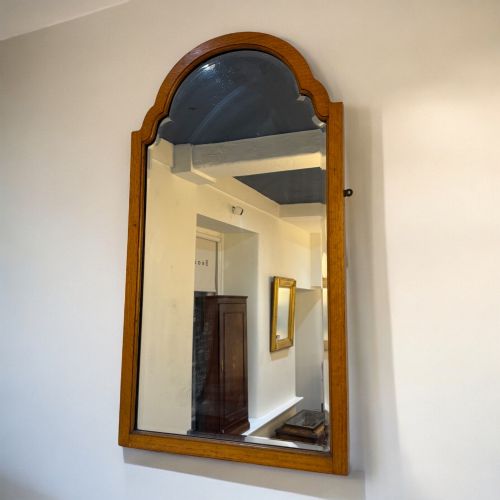
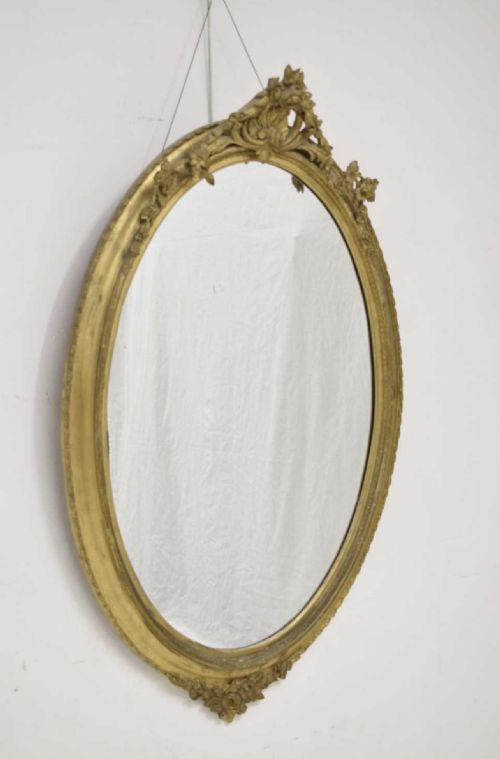
Materials range from rich walnut and mahogany to simulated wood finishes and intricate gesso over timber frames. Each object carries the decorative vocabulary of its period, from carved floral motifs to rope twist mouldings.
Materials and construction methods
Carved timber frames form the structural backbone of these pieces, utilising hardwoods such as mahogany, oak and walnut alongside softer timbers. Artisans shaped these woods by hand before applying decorative surface treatments.
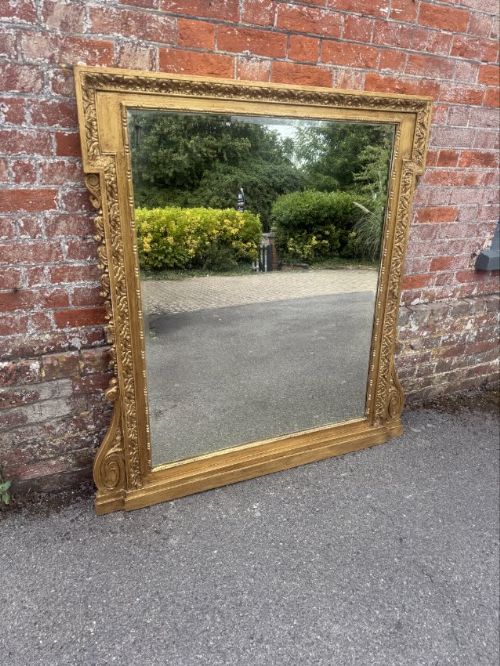
Gesso, a plaster-like mixture, was applied over wood and carved into elaborate relief details including scrolls, columns and flowers. Gold leaf or gilt was then laid over the gesso ground to achieve a brilliant metallic finish.
Mirror plates were set into the frames, sometimes retaining original foxed glass that shows age through dark spots in the silvering. Backboards of plain timber secured the glass within the moulded rebate.
Distinctions in craftsmanship and survival
The crispness of the carving separates standard joinery from superior artisan work, particularly where gesso was modelled into sharp relief rather than cast in mass production. Deeply undercut foliage and clean lines indicate a skilled hand at the bench.
Originality of surface finish dictates the character of a piece, with undisturbed gold leaf or mellowed mahogany patination holding more visual integrity than later resprays. The survival of original glass plates adds historical weight to the frame.
Structural stability depends on the joinery of the frame corners and the preservation of the underlying timber against woodworm or damp. Heavy overmantels require sound internal bracing to support the substantial weight of the glass and gesso.
The Traditional Carved Mirror Glossary
- Gesso
- A mixture of plaster of Paris and glue used as a smooth base for gilding on wood frames.
- Overmantel
- A large mirror specifically proportioned to hang on the wall directly above a fireplace mantelpiece.
- Giltwood
- Timber that has been coated with thin sheets of gold leaf or gold paint.
- Foxed glass
- Mirror glass that has developed dark spots and clouding due to the degradation of the silver backing over time.
- Pier glass
- A tall, narrow mirror designed to hang on the wall space between two windows.
Traditional Carved Mirror: Frequently Asked Questions
How do I hang a heavy overmantel mirror?
Heavy overmantels require professional wall fixings secured directly into the masonry or studs rather than standard picture hooks. The substantial weight of the timber and glass demands robust load-bearing brackets.
Ensure the hanging wire or integrated D-rings on the reverse are assessed for strength before installation. It is advisable to mount the frame at a height that balances the fireplace below.
What is foxed glass?
Foxed glass refers to antique mirror plates where the reflective silver coating behind the glass has degraded over decades. This creates characteristic dark patches and speckles across the surface.
Many collectors value foxed glass because it proves the antiquity of the mirror plate. It provides a soft, atmospheric reflection rather than a harsh modern mirror image.
How do I tell a Victorian mirror from a Georgian one?
Victorian mirrors often feature bolder, heavier proportions with extensive gesso mouldings, arched tops and gilt finishes designed for prominent reception rooms. They frequently utilise softwood foundations beneath the plaster relief.
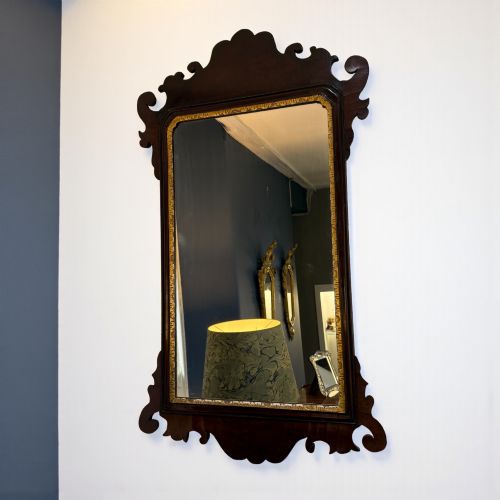
Georgian mirrors tend to emphasise cabinetmaker timbers like mahogany and walnut with fret-cut silhouettes and bird motifs. The joinery and framing profiles reflect earlier neoclassical or Palladian tastes.