


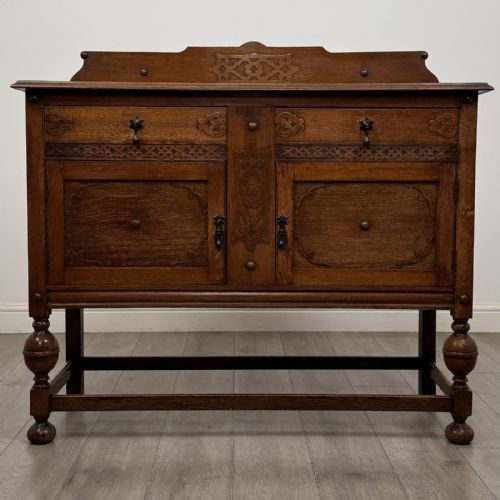
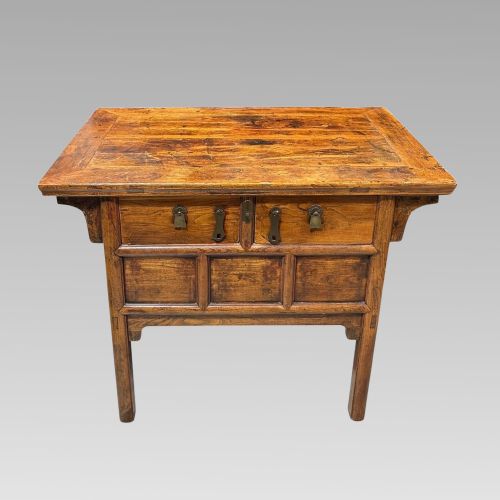
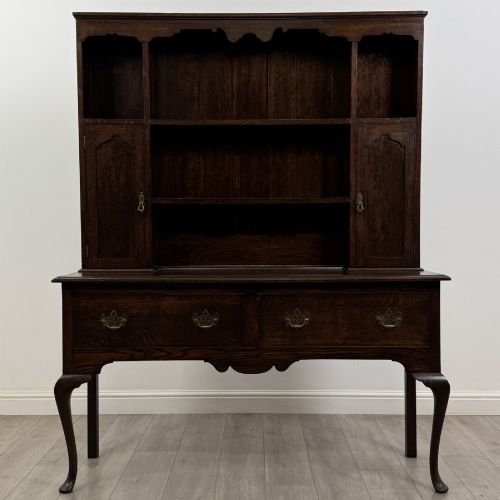
Traditional Carved Cabinet
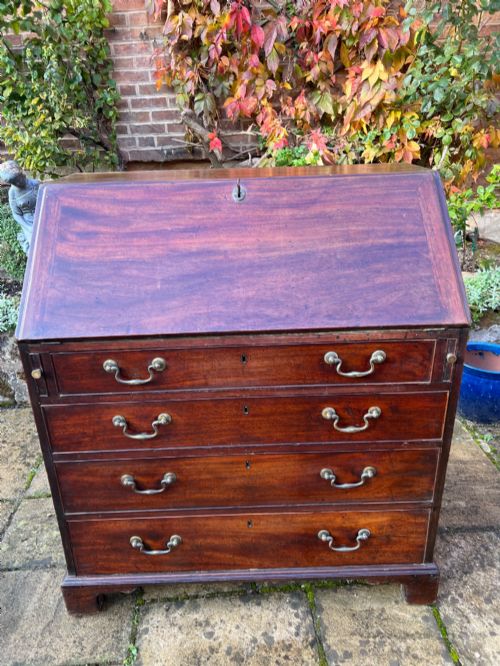
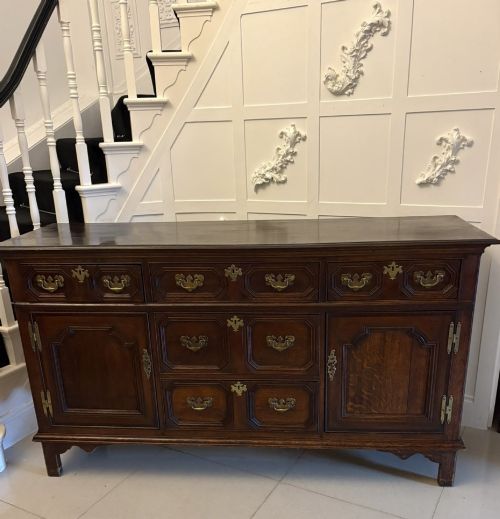
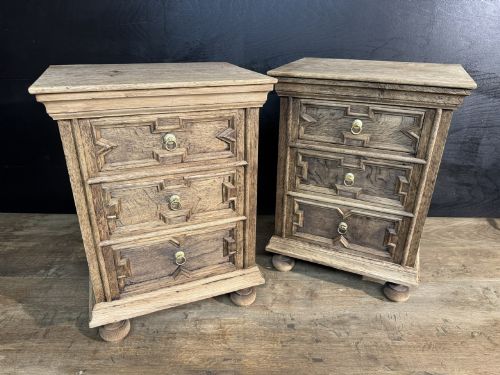
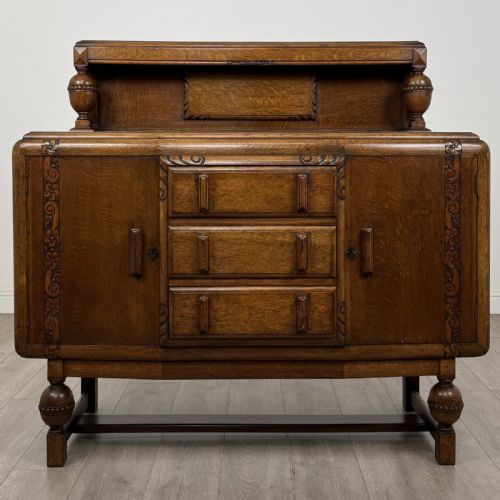
A traditional carved cabinet brings solid timber and centuries-old joinery into a modern room, offering generous storage alongside deep relief panels.
Traditional Carved Cabinet
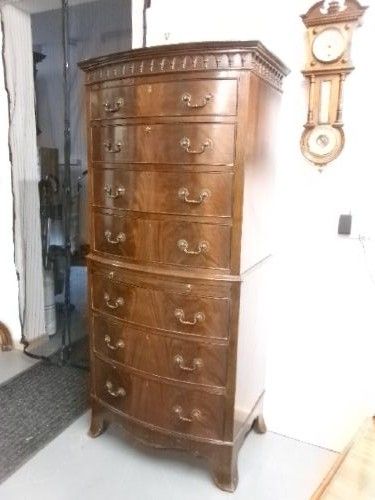
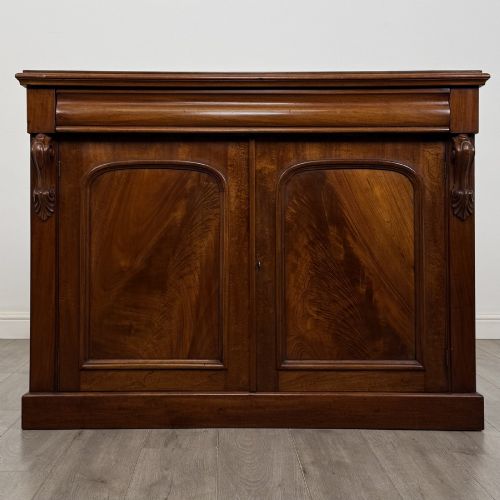
When you search for a traditional carved cabinet, you encounter sturdy storage furniture built from substantial hardwoods across several distinct periods. These pieces range from compact bedside cupboards and corner units to large sideboards and linen presses originating in the eighteenth, nineteenth, and early twentieth centuries.
You are most likely to meet oak and mahogany examples on this page, reflecting revival styles like Jacobean, Tudor, and Edwardian interpretations. These items function equally well as display spaces for books and porcelain or as enclosed storage for household linen and tableware.
The forms span court cupboards, bureau bookcases, and glazed display cabinets, each carrying the hallmarks of traditional carpentry. Their presence grounds a room through visible grain, panelled doors, and structural integrity developed over generations.
What varies in quality
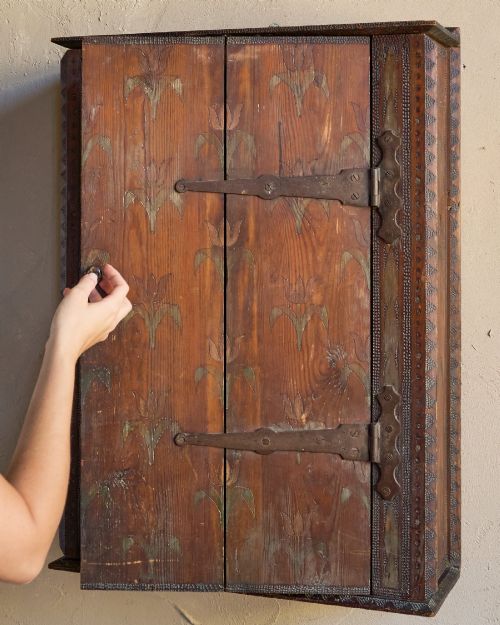
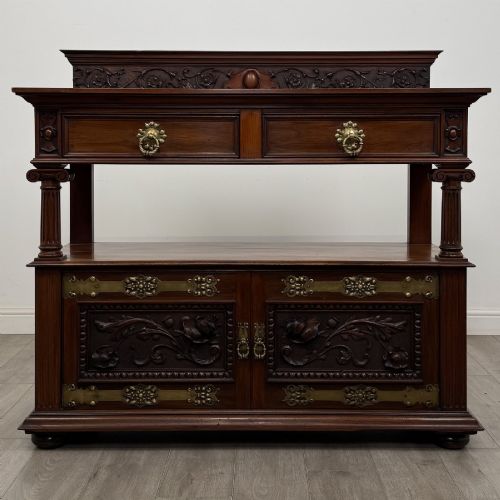
The depth and crispness of the timber carving set superior examples apart from simpler production pieces, revealing the hand of a skilled artisan rather than a mechanical router. Sharp undercuts, well-defined motifs, and balanced composition across panels indicate higher workshop standards.
Timber selection and grain matching across large surfaces dictate the visual harmony of a sideboard or wardrobe. Uniformity in colour, tight growth rings in oak, and richly figured burr walnut veneers demonstrate superior material grading by the cabinet maker.
Traditional Carved Cabinet Retail Price Guide 2026
Typical asking prices for traditional carved cabinet among the pieces listed under this phrase on Sellingantiques today, from the lower quarter to the upper quarter. They describe what is for sale here now, not the wider market.
Listings span eight distinct decades of manufacture, with the Edwardian era and the nineteen-twenties particularly well represented.
The Traditional Carved Cabinet Glossary
- Jacobean Revival
- A nineteenth and twentieth century style that copies seventeenth century English furniture forms, featuring heavy geometric mouldings, strapwork, and turned legs.
- Linenfold
- A style of wood carving that mimics folded fabric, commonly seen on Tudor and Edwardian cupboard doors and panels.
- Bureau Bookcase
- A dual-purpose item combining a sloping desk flap that folds down for writing with shelving enclosed by doors above.
- Court Cupboard
- An antique English storage piece with multiple tiers, often supported on short columns, used historically for displaying plate.
- Dovetail
- A joinery technique connecting two pieces of wood by interlocking wedge-shaped fingers, prized for its tensile strength in drawer construction.
Traditional Carved Cabinet: Frequently Asked Questions
What is a court cupboard?
A court cupboard is a formal storage piece originating in early English domestic interiors, designed with recessed upper sections and enclosed lower cupboards. These items served both to store valuables and display silver or pewter.
Today, they function well as focal points in dining rooms or hallways, providing deep shelving behind heavy panelled doors.
How do I date an oak cabinet?
Dating oak furniture involves examining the tool marks, joinery methods, and hardware fixings visible on the interior and backboards. Hand-sawn boards and pegged mortise joints typically point to eighteenth-century origins or earlier.
Later revival pieces from the Edwardian period often use machine-cut components, standardised screws, and lighter internal framing while copying older styles.
Where should I place a glazed cabinet?
Glazed cabinets suit living rooms, dining spaces, or studies where glass doors protect books or collections from dust while keeping them visible. Placing them away from direct sunlight preserves the timber finish and interior linings.
Ensure the floor is level so the doors hang true and latch correctly against the wooden frame.
How do I maintain solid oak furniture?
Maintaining solid oak requires applying natural beeswax periodically to nourish the timber and protect the surface from drying out. Avoid placing these pieces near active heat sources or in damp environments to prevent wood movement.
Dusting with a dry, soft cloth prevents particulate buildup in the carved recesses of the panels.